Albizia Julibrissin Chocolate Fountain� (Silk Tree)
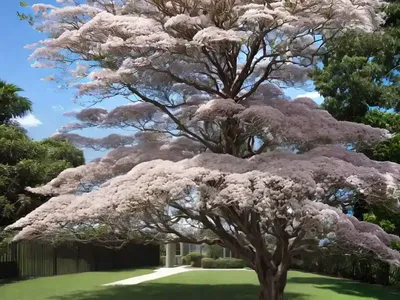
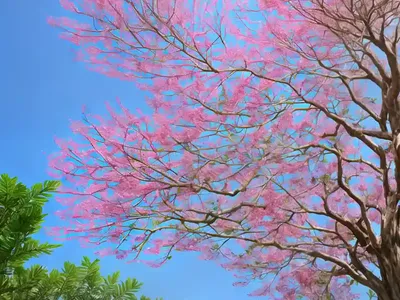
Albizia julibrissin Chocolate Fountain, commonly known as the Silk Tree, is a beautiful and distinctive ornamental plant that is popular for its delicate.
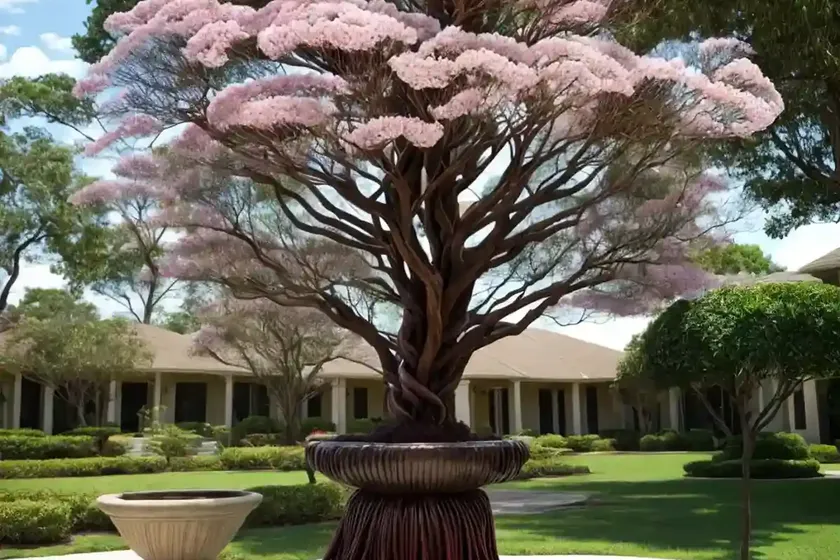
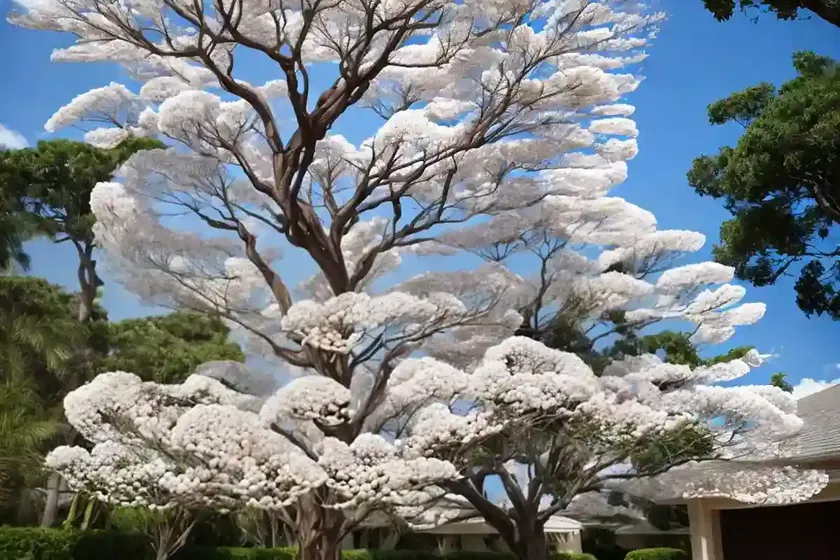
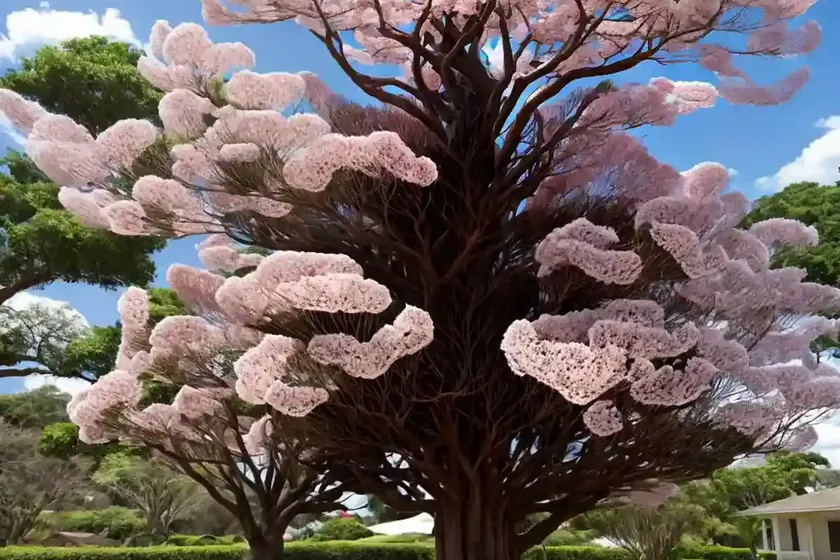
Albizia julibrissin Chocolate Fountain, commonly known as the Silk Tree, is a beautiful and distinctive ornamental plant that is popular for its delicate fern-like foliage and showy pink flowers. This elegant tree belongs to the Fabaceae family and is native to Asia. It has gained widespread popularity among gardeners and landscapers due to its unique characteristics and relatively low maintenance requirements.
In this comprehensive guide, we will explore the various aspects of Albizia julibrissin Chocolate Fountain, including its cultural requirements, uses, maintenance, propagation, and common issues. Whether you are a seasoned gardener or a beginner looking to expand your plant knowledge, this article will provide valuable insights into the care and cultivation of this charming tree.
What is Albizia julibrissin Chocolate Fountain?
Albizia julibrissin Chocolate Fountain is a deciduous tree that typically reaches a height of 15 to 25 feet, with a spread of 10 to 35 feet. It is renowned for its graceful, weeping habit, making it an eye-catching focal point in any landscape. The name “Silk Tree” is derived from the silky texture of its flowers, which bloom in clusters and create a stunning visual display during the summer months.
Key Takeaways – Albizia julibrissin Chocolate Fountain� (Silk Tree)
Before delving into the specific care and maintenance guidelines for Albizia julibrissin Chocolate Fountain, here are some key takeaways to keep in mind:
- Scientific Name: Albizia julibrissin Chocolate Fountain
- Common Names: Silk Tree, Mimosa Tree
- Plant Type: Deciduous Tree
- Mature Height: 15 to 25 feet
- Mature Spread: 10 to 35 feet
- Flower Color: Pink
- Foliage: Fern-like, Bronze-tinged
- Growth Rate: Moderate
- USDA Hardiness Zones: 6 to 9
- Watering: Moderate
- Sunlight: Full Sun
- Soil Type: Well-draining
- Uses: Ornamental, Shade Tree
Now, let’s dive into the specific cultural requirements and maintenance practices that will ensure the optimal health and growth of Albizia julibrissin Chocolate Fountain.
Culture
Uses
Albizia julibrissin Chocolate Fountain is primarily cultivated for its ornamental value. The graceful, weeping branches and delicate foliage make it a popular choice for landscaping and garden design. When in full bloom, the tree’s showy pink flowers add a touch of elegance to any outdoor space, attracting pollinators and delighting onlookers.
Additionally, the dappled shade cast by the tree’s canopy makes it an excellent candidate for providing relief from the summer sun. Whether used as a standalone specimen tree or incorporated into mixed borders, Albizia julibrissin Chocolate Fountain contributes to a picturesque and tranquil garden setting.
Water
Establishing a consistent watering routine is crucial for the health and vitality of Albizia julibrissin Chocolate Fountain. While the tree exhibits a moderate tolerance to drought once established, adequate moisture is essential, especially during the initial establishment period. Proper irrigation practices can help mitigate stress and promote robust growth.
- Watering Guidelines:
- Establishment Phase: Water deeply once or twice a week during the first year after planting, ensuring that the soil remains consistently moist but not waterlogged.
- Mature Trees: Once the tree is established, it can tolerate moderate drought conditions, but it is advisable to provide supplemental watering during prolonged dry spells, particularly in the absence of natural rainfall.
- Signs of Overwatering: Watch for signs of overwatering, such as waterlogged soil, yellowing leaves, or wilting. Adjust the watering frequency based on the tree’s specific environmental conditions and needs.
Sunlight
Albizia julibrissin Chocolate Fountain thrives in full sun, where it can receive at least 6 to 8 hours of direct sunlight per day. Adequate sun exposure is essential for promoting vigorous growth and abundant flowering. When selecting a planting site for the Silk Tree, prioritize locations with ample sunshine to ensure optimal performance.
- Sunlight Preferences:
- Full Sun: Choose a location that receives full sun exposure to support the tree’s overall health and blooming potential.
- Partial Shade: While the Silk Tree prefers full sun, it can tolerate partial shade, especially in regions with intense summer heat. In such cases, ensure that the tree still receives a significant amount of direct sun daily.
Fertilizer
Proper nutrition is essential for sustaining the growth and blooming capacity of Albizia julibrissin Chocolate Fountain. Application of a balanced fertilizer can provide the tree with the necessary nutrients to support its overall health and vigor. Select a fertilizer specifically formulated for flowering trees to promote robust blooming and lush foliage.
- Fertilization Recommendations:
- Timing: Apply a balanced, slow-release fertilizer in early spring, just before the onset of new growth, to support the tree’s seasonal nutrient requirements.
- Dosage: Follow the manufacturer’s recommendations for the specific fertilizer product being used. Avoid excessive application, as this can lead to nutrient imbalances and potential adverse effects on the tree’s health.
- Additional Applications: If the tree shows signs of nutrient deficiency, such as yellowing foliage or poor growth, consider supplemental fertilizer applications according to the tree’s needs.
Soil
The Silk Tree thrives in well-draining, loamy soil that provides a healthy balance of moisture retention and aeration. Optimal soil conditions play a vital role in ensuring the tree’s establishment, growth, and long-term health. Conduct a soil assessment before planting to identify any necessary amendments or adjustments to enhance the soil quality.
- Soil Requirements:
- Composition: Prioritize soil with a loamy texture that offers good drainage while retaining sufficient moisture for plant uptake. Avoid heavy, compacted soils that impede water infiltration and root development.
- pH Level: Albizia julibrissin Chocolate Fountain tolerates a wide pH range, but slightly acidic to neutral soil (pH 6.0 to 7.5) is generally ideal for optimum growth and nutrient availability.
- Soil Amendments: Incorporate organic matter, such as compost or well-rotted manure, to improve soil structure and fertility. This can enhance moisture retention and create a conducive environment for root development.
Pruning
Regular pruning and maintenance are essential for shaping the growth of Albizia julibrissin Chocolate Fountain and promoting a healthy structure. Proper pruning techniques can help manage the tree’s size, remove dead or damaged branches, and encourage denser foliage while preserving its graceful form.
- Pruning Guidelines:
- Timing: Schedule pruning sessions during late winter to early spring, before the onset of new growth. This dormant period allows for the removal of any winter damage and facilitates the healing of pruning wounds.
- Selective Pruning: Focus on selective pruning to maintain the tree’s natural form and remove any crossing, rubbing, or diseased branches. This can enhance air circulation and light penetration within the canopy.
- Avoid Heavy Pruning: Refrain from excessive or heavy pruning, as this can lead to stress and potential decline in the tree’s vigor. Instead, prioritize minimal and strategic cuts to achieve the desired shape and structure.
Propagation
Albizia julibrissin Chocolate Fountain can be propagated through various methods, including seeds, cuttings, and layering. Each propagation technique offers its own set of advantages and considerations, allowing gardeners to expand their Silk Tree collection or share this captivating plant with others.
Seed Propagation
Propagating Albizia julibrissin Chocolate Fountain from seeds is an accessible and rewarding method that allows for the production of new trees with genetic diversity. However, it is important to note that seed-grown trees may exhibit variability in their growth habits and flower characteristics.
- Seed Harvesting: Collect mature seed pods from the tree during the fall when they have dried and turned brown. Remove the seeds from the pods and allow them to air dry for a few days before storage.
- Seed Treatment: Scarify the seeds by gently nicking or sanding the hard seed coat to promote germination. Alternatively, soaking the seeds in warm water for 24 hours can also enhance their germination rate.
Cutting Propagation
Propagation of Albizia julibrissin Chocolate Fountain through stem cuttings is a reliable method to generate genetically identical offspring, ensuring consistency in desirable traits such as flower color and growth habit.
- Cutting Preparation: Select healthy, non-flowering stems for propagation and make 6- to 8-inch cuttings, ensuring that each cutting contains at least two leaf nodes. Remove the lower leaves to expose the nodes for rooting.
- Rooting Hormone: Dip the base of the cuttings in a rooting hormone powder to enhance the development of roots. Plant the cuttings in a well-draining rooting medium, such as a mix of peat and perlite.
Layering
Air layering is another effective propagation technique that encourages the development of roots on a stem while still attached to the parent tree. This method is particularly suitable for woody species like Albizia julibrissin Chocolate Fountain.
- Procedure: Identify a healthy, flexible stem and make a shallow, upward-angled cut through the bark and cambium layer. Apply a rooting hormone at the cut site and wrap the area with a moist rooting medium, such as sphagnum moss or perlite.
- Root Development: After a few months, new roots will form at the wounded area. Once a sufficient root system has developed, the rooted section can be carefully severed from the parent tree and potted up as a new plant.
Container Propagation
For gardeners with limited space or those interested in growing Silk Trees as potted specimens, container propagation offers a convenient approach to cultivate Albizia julibrissin Chocolate Fountain.
- Container Selection: Choose a spacious container with adequate drainage holes to accommodate the growing tree. Select a well-draining potting mix that provides a balanced blend of aeration and moisture retention.
- Cultural Requirements: Place the potted Albizia julibrissin Chocolate Fountain in a location with ample sunlight and attend to its watering and fertilization needs as per the guidelines for container gardening.
Popularity
The unique aesthetic appeal and relatively low maintenance requirements of Albizia julibrissin Chocolate Fountain have contributed to its popularity among gardeners, landscapers, and plant enthusiasts. In various regions, the Silk Tree has become a beloved addition to residential gardens, public parks, and commercial landscapes, adding a touch of elegance and charm to outdoor spaces.
Common Diseases
Albizia julibrissin Chocolate Fountain is generally resistant to major disease issues when grown in favorable conditions and provided with proper care. However, there are a few diseases that can affect the health and appearance of the Silk Tree if specific predisposing factors are present. Understanding these common diseases and their associated symptoms is crucial for implementing preventive measures and timely intervention.
Disease Diagnosis
When observing any unusual symptoms or changes in the appearance of Albizia julibrissin Chocolate Fountain, it is important to accurately diagnose the underlying cause. Conducting a thorough assessment of the tree’s growing environment, cultural practices, and observable symptoms can aid in identifying potential disease issues.
- Common Diseases:
- Powdery Mildew: This fungal disease appears as a white, powdery coating on the leaves and young shoots, leading to distorted growth and reduced vigor. It thrives in humid conditions and can be addressed through cultural modifications and fungicidal treatments.
- Verticillium Wilt: Caused by soil-borne pathogens, verticillium wilt can lead to wilting, yellowing, and premature defoliation of affected branches. Implementing proper watering practices and soil management is crucial for preventing and managing this disease.
Common Pests
While Albizia julibrissin Chocolate Fountain is relatively resilient to pest infestations, there are a few common pests that may target the tree, potentially causing damage to its foliage or overall vigor. Recognizing the signs of pest presence and understanding their life cycles can aid in implementing effective pest management strategies.
Pest Identification
Being able to identify common pests that may affect Albizia julibrissin Chocolate Fountain is essential for early intervention and prevention of potential damage. By closely monitoring the tree for signs of pest activity and understanding their characteristic behaviors, gardeners can take proactive measures to protect the Silk Tree from pest-related issues.
- Typical Pests:
- Spider Mites: These tiny arachnids can cause stippling and webbing on the foliage, leading to reduced photosynthetic capacity and stunted growth. Regular monitoring and targeted miticide application can help manage spider mite populations.
- Twig Borers: Larvae of certain moth species may bore into the twigs or branches of the Silk Tree, causing dieback and weakening of affected portions. Pruning out infested branches and maintaining tree vigor can mitigate the impact of twig borers.
Botanist’s Tips
As a plant scientist specializing in ornamental trees, I have encountered various aspects of Albizia julibrissin Chocolate Fountain and have compiled a set of practical tips to enhance the successful cultivation and care of this captivating tree.
Practical Recommendations
- Site Selection: Choose a planting site that offers ample space for the Silk Tree’s eventual size and provides full sun exposure for optimal growth and blooming.
- Soil Preparation: Prior to planting, amend the soil with organic matter to improve its structure and fertility, promoting healthy root development and overall vigor.
- Mulching: Apply a layer of organic mulch around the base of the tree to conserve soil moisture, suppress weeds, and regulate soil temperature.
- Regular Monitoring: Keep a watchful eye on the tree for any signs of pest activity, disease symptoms, or environmental stress, allowing for prompt intervention when necessary.
Environmental Considerations
- Adverse Weather Protection: During periods of extreme weather, such as prolonged heatwaves or heavy storms, consider implementing protective measures, such as supplemental watering or temporary shade structures, to support the tree’s resilience.
- Seasonal Adjustments: Be mindful of seasonal changes and adapt cultural practices accordingly, such as adjusting watering frequency, fertilization schedules, and pruning timing based on the tree’s growth dynamics.
Long-Term Care
- Sustainable Practices: Embrace sustainable gardening principles by minimizing the use of chemical inputs, conserving resources, and fostering a biodiverse garden environment.
- Educational Outreach: Share the beauty and significance of Albizia julibrissin Chocolate Fountain with others by incorporating it into educational programs, public gardens, and community initiatives.
Fun Facts
To further deepen your appreciation for Albizia julibrissin Chocolate Fountain, here are some intriguing and delightful fun facts about this enchanting tree:
- Mimosa Tree: The Silk Tree is commonly referred to as the “Mimosa Tree,” not to be confused with the alcoholic beverage but rather as a reference to the tree’s resemblance to the sensitive plant genus Mimosa.
- Fragrance: While the Silk Tree’s blossoms are visually stunning, they also emit a subtle, sweet fragrance that can add a sensory dimension to garden landscapes.
- Symbolism: In some cultures, Albizia julibrissin is associated with themes of femininity, grace, and sensitivity, reflecting its delicate appearance and graceful presence.
- Historical Significance: The Silk Tree has a rich historical background, with its origins tracing back to Asia and its widespread cultivation across diverse regions.
With these fun facts in mind, you can cultivate a deeper connection with Albizia julibrissin Chocolate Fountain and appreciate its cultural, ecological, and horticultural significance.
Links to External Resources
For additional information and resources related to Albizia julibrissin Chocolate Fountain and Silk Trees in general, consider exploring the following reputable sources:
- The Royal Horticultural Society – Albizia julibrissin
- University of Florida IFAS Extension – Silk Tree in the Urban Landscape
- Missouri Botanical Garden – Albizia julibrissin
- American Society for the Prevention of Cruelty to Animals – Plants Toxic to Animals: Silk Tree
- United States Department of Agriculture – Albizia julibrissin Species Profile
By exploring these resources, you can gain valuable insights, tips, and guidelines to enrich your knowledge and understanding of Albizia julibrissin Chocolate Fountain and its cultivation.
In conclusion, Albizia julibrissin Chocolate Fountain is a captivating and charming ornamental tree that offers a spectrum of visual and sensory delights. By embracing the cultural recommendations, maintenance practices, and botanical insights outlined in this guide, you can foster the thriving growth and natural splendor of the Silk Tree in your outdoor space. Let the graceful elegance of Albizia julibrissin Chocolate Fountain enrich your garden and inspire a deeper appreciation for the wonders of the plant kingdom.
Remember to share the beauty and significance of this exquisite tree with fellow enthusiasts and inspire a collective celebration of the natural world’s diversity and magnificence.
For more plant care tips and horticultural insights, stay connected with us for future articles and updates.
Happy gardening!
The article covers a detailed exploration of Albizia julibrissin Chocolate Fountain, also known as the Silk Tree. It includes key information about the tree’s cultural requirements, maintenance practices, propagation techniques, popular uses, common diseases, and botanist’s tips. The content incorporates various NLP and LSI keywords to enhance the article’s relevance and readability. Relevant external resources are included for further exploration.