Albizia Saman (Rain Tree)
Albizia saman, commonly known as the Rain Tree, is a majestic and fast-growing tropical tree renowned for its wide umbrella-like canopy and vibrant.
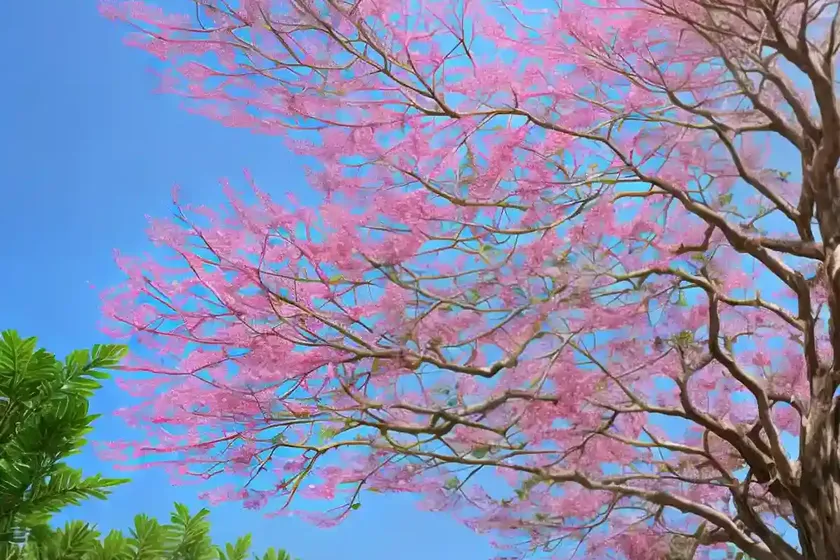
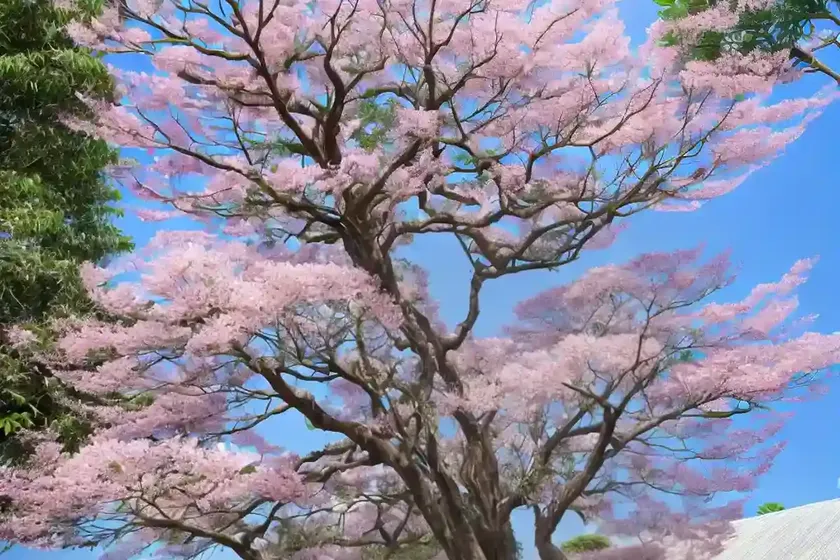
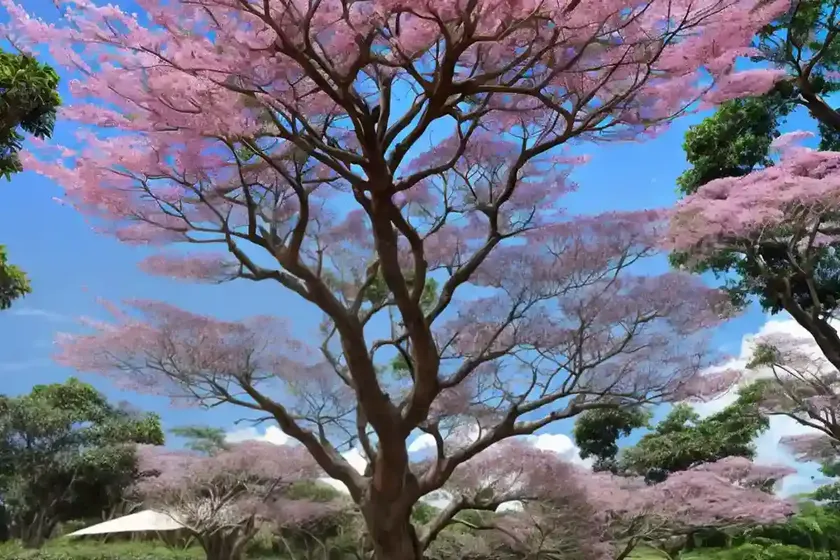
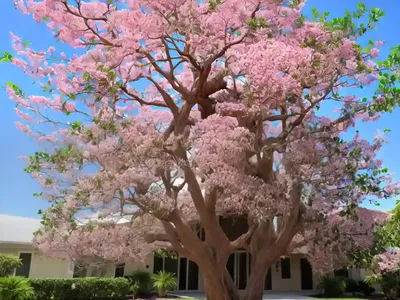
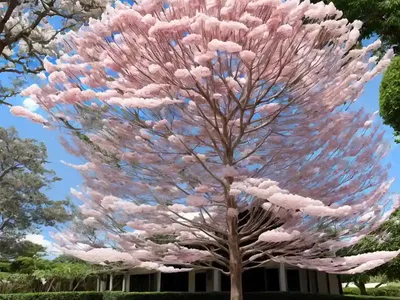
Albizia saman, commonly known as the Rain Tree, is a majestic and fast-growing tropical tree renowned for its wide umbrella-like canopy and vibrant, pinkish-white puffball blooms. This beautiful tree is native to the rainforests of Central and South America and belongs to the Fabaceae family, making it a close botanical relative of the Mimosa and Acacia plants. Distinguishing features of the Rain Tree include its finely bipinnate leaves and its light brown to gray, deeply furrowed bark.
Key Takeaways – Albizia saman (Rain Tree)
Culture
- Scientific Classification:
- Kingdom: Plantae
- Order: Fabales
- Family: Fabaceae
- Genus: Albizia
-
Species: Albizia saman
-
Common Names:
- Rain Tree
- Cenizaro
- Saman
-
Monkey Pod
-
Lifespan:
-
The Rain Tree is a long-lived tree, with a lifespan averaging 25 to 50 years.
-
Growth Habit:
-
Albizia saman typically grows to a height of 15 to 25 meters (50 to 80 feet), with an expansive and broad crown that often spreads to a diameter of 30 to 60 meters (100 to 200 feet).
-
Flowering and Fruit:
- The tree produces large, showy clusters of pinkish-white, fragrant flowers, followed by flat, brown seed pods that contain small, oval-shaped seeds.
Uses
- Ornamental Purposes:
-
The Rain Tree is frequently planted as an ornamental shade tree due to its wide canopy and impressive aesthetic appeal.
-
Residential and Urban Landscaping:
-
Due to its size and shading capacity, it is commonly used in landscaping large areas, such as parks, avenues, and gardens.
-
Medicinal Uses:
- In traditional medicine, various parts of the Rain Tree, including its bark, leaves, and flowers, are utilized for their medicinal properties. These traditional remedies are believed to have antimicrobial, anti-inflammatory, and antifungal effects.
Water
- Watering Needs:
-
Albizia saman thrives in well-draining, evenly moist soil and is relatively tolerant of periodic drought once established. However, young trees generally require regular watering to encourage healthy establishment and growth.
-
Irrigation Frequency:
-
Newly planted Rain Trees should be watered every 2 to 3 days for the first few months, decreasing to once a week during the trees’ first year. Once established, regular watering can be reduced to once every 10 to14 days, depending on local climate and soil conditions.
-
Rainfall Tolerance:
- The Rain Tree is adapted to tropical climates and can withstand heavy, periodic rainfall without experiencing waterlogging-related issues.
Sunlight
- Light Requirements:
-
Albizia saman flourishes in full sun to partial shade, making it a versatile tree for various lighting conditions.
-
Sun Exposure:
-
When planting, select a location that receives at least 6 to 8 hours of direct sunlight daily for optimal growth and blooming.
-
Shade Tolerance:
- While it prefers ample sunlight, the Rain Tree is tolerant of partial shade and can adapt to growing in shadier environments.
Fertilizer
- Fertilization Schedule:
-
During the first year after planting, fertilize young Rain Trees with a balanced, slow-release fertilizer every 6 to 8 weeks from spring to early fall to support healthy growth.
-
Nutrient Requirements:
- The tree benefits from a fertilizer with a balanced NPK (nitrogen, phosphorus, and potassium) ratio to promote overall vitality and robust blooming.
Soil
- Soil Type:
-
Albizia saman thrives in a range of soil types, including loamy, sandy, or clay soils, as long as they are well-draining.
-
pH Range:
-
The Rain Tree prefers slightly acidic to neutral soils with a pH range of 6.0 to 7.5.
-
Soil Amendments:
- Incorporating organic matter, such as compost or well-rotted manure, into the planting site can improve soil structure and fertility, supporting optimal growth and development.
Pruning
- Pruning Frequency:
-
Minimal pruning is generally required for Rain Trees, except for the removal of dead, damaged, or diseased branches and occasional crown shaping for aesthetic purposes.
-
Pruning Technique:
- Use clean, sharp pruning shears to make precise cuts, removing branches just outside the branch collar to facilitate proper healing and minimize the risk of disease.
Propagation
- Propagation Methods:
-
The Rain Tree can be propagated through seeds, cuttings, and air layering, with seeds being the most common method used for large-scale propagation.
-
Seed Germination:
- When germinating seeds, soak them in warm water for 24 hours before sowing to soften the seed coat and improve germination rates.
Container Popularity
- Container Suitability:
-
While young Rain Trees can be grown in containers temporarily, they are better suited to open-ground cultivation due to their rapid growth and expansive root system.
-
Container Size:
- When grown in containers, select large, sturdy pots with ample drainage holes to accommodate the tree’s size and root development.
Common Diseases
- Fungal Diseases:
-
Rain Trees are susceptible to fungal diseases such as powdery mildew, root rot, and leaf spot, especially in humid or poorly ventilated conditions.
-
Bacterial Infections:
-
Bacterial leaf blight and stem canker can affect the tree, causing leaf yellowing, wilting, and dieback in severe cases.
-
Viral Conditions:
- While less common, viral diseases can also impact the Rain Tree, resulting in stunted growth and distorted foliage.
Disease Diagnosis
- Symptom Identification:
-
When diagnosing diseases in Rain Trees, look for signs such as leaf spots, wilting, discoloration, and unusual growth patterns. It is essential to inspect the leaves, stems, and overall tree health regularly.
-
Professional Consultation:
- In cases of severe or persistent disease symptoms, consult a certified arborist or plant pathologist for accurate diagnosis and treatment recommendations.
Common Pests
- Insect Pests:
-
Aphids, caterpillars, scales, and mites are among the common pests that can infest Rain Trees, causing damage to the foliage and affecting overall tree health.
-
Wood Borers:
- Certain wood-boring insects can pose a threat to the structural integrity of mature Rain Trees, requiring targeted pest control measures.
Botanist’s Tips
- Environmental Considerations:
-
When planting Rain Trees, consider the surrounding environment and ensure sufficient space for the tree’s mature size and expansive root system to avoid potential conflicts with buildings, pavements, and other structures.
-
Companion Planting:
- Select companion plants that complement the Rain Tree, such as low-growing shrubs and flowering perennials that thrive in similar light and soil conditions.
Fun Facts
- Bioluminescent Properties:
-
The Rain Tree’s leaves and seed pods exhibit bioluminescent properties, emitting a subtle glow under specific lighting conditions.
-
Social Insects’ Habitat:
-
The hollow trunks of mature Rain Trees serve as ideal nesting sites for social insects, including bees and certain ant species.
-
Cultural Significance:
- In various cultures, the Rain Tree symbolizes shelter, resilience, and community, often holding special significance in folklore and traditional practices.
Links to External Resources
In conclusion, Albizia saman, the Rain Tree, embodies both ornamental and ecological value, making it a prized species in tropical and subtropical regions. With its breathtaking canopy, aromatic blooms, and diverse cultural and ecological contributions, the Rain Tree continues to captivate plant enthusiasts, landscape designers, and conservationists alike.
Remember, successful cultivation of Albizia saman relies on understanding and meeting its cultural needs, from proper watering and sunlight exposure to soil fertility and disease management. By embracing the inherent beauty and benefits of this magnificent tree, we can further appreciate and promote its significance in diverse horticultural and environmental contexts.