Ageratina Altissima (White Snakeroot)
Welcome to our comprehensive guide to Ageratina altissima, commonly known as White Snakeroot. This fascinating plant has a rich history, along with unique.
Welcome to our comprehensive guide to Ageratina altissima, commonly known as White Snakeroot. This fascinating plant has a rich history, along with unique characteristics that make it a valuable addition to any garden. In this guide, we will delve into the description, care, uses, and maintenance of Ageratina altissima, along with interesting facts, propagation methods, common diseases and pests, and much more.
What is Ageratina altissima (White Snakeroot)?
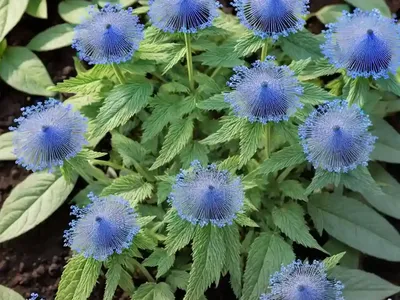
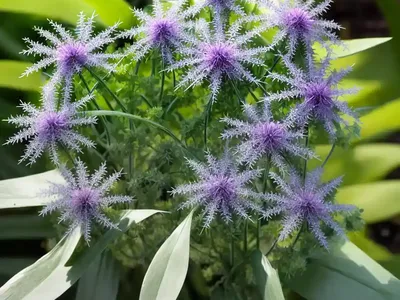
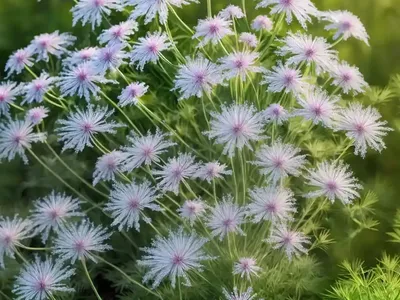
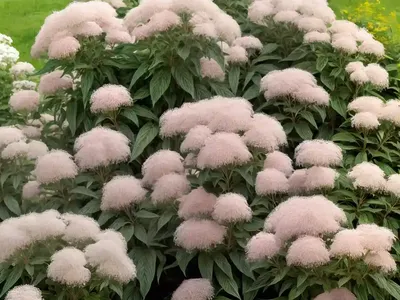
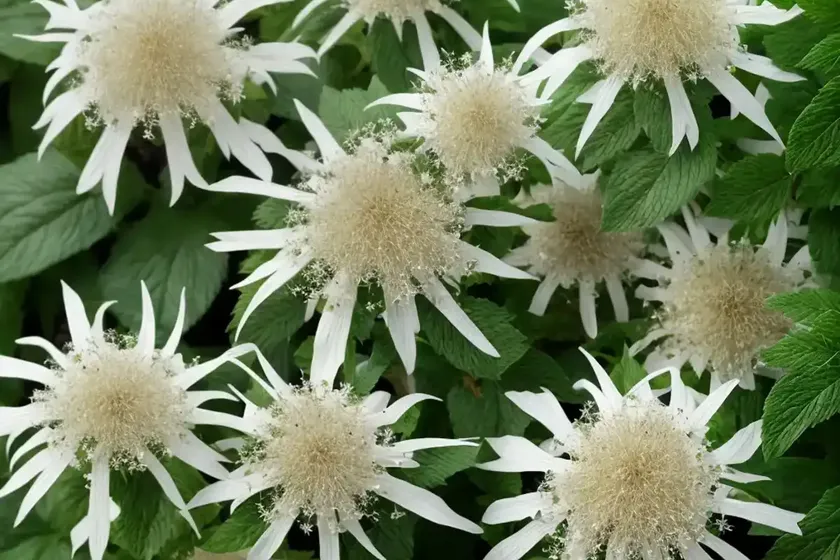
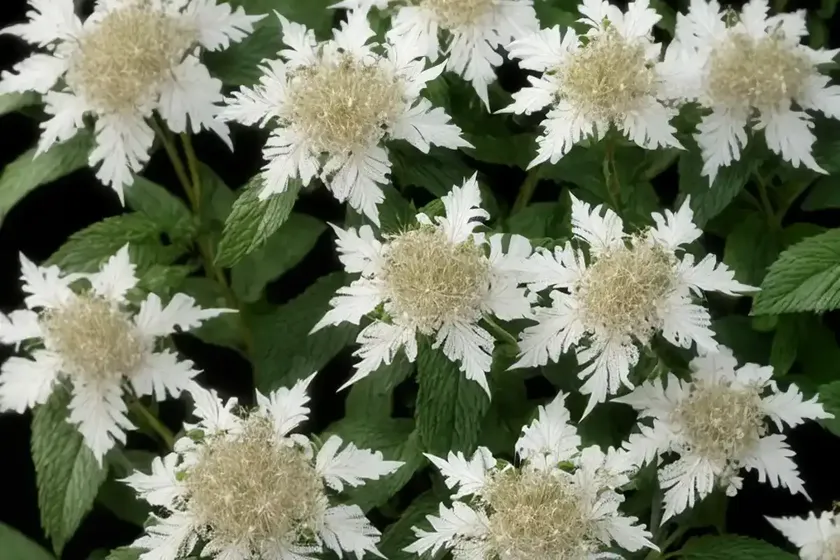
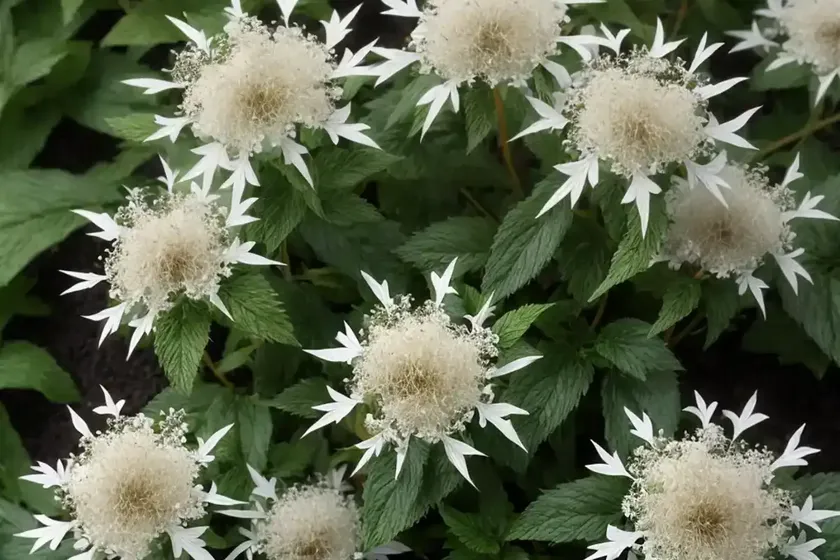
Ageratina altissima, popularly known as White Snakeroot, is a perennial plant belonging to the Aster family, Asteraceae. This native North American plant is native to eastern and central North America, thriving in the wild in woodlands, thickets, and along stream banks. The name “snakeroot” is derived from its historical use in herbal medicine as a remedy for snakebites. In addition to its historical significance, White Snakeroot is also known for its attractive foliage and delicate clusters of white flowers, making it a sought-after addition to woodland gardens and shaded landscapes.
Let’s dive into the fascinating world of Ageratina altissima and explore its characteristics, cultivation, and much more.
Key Takeaways – Ageratina altissima (White Snakeroot)
Before we explore the specifics of Ageratina altissima, let’s take a look at the key aspects of its care, cultivation, and uses.
- Ageratina altissima Description
-
A perennial plant in the Aster family, known for its white flowers and medicinal properties.
-
Ageratina altissima Care Guide
-
Requires moderate maintenance and prefers shaded areas with moist, well-drained soil.
-
White Snakeroot Plant Information
-
Native to North America, particularly eastern and central regions.
-
White Snakeroot Characteristics
-
Attractive foliage, clusters of small white flowers, and a rich cultural history.
-
Ageratina altissima Facts
- Historically used in herbal medicine and known for its toxicity to livestock.
With these key takeaways in mind, let’s delve into the specifics of White Snakeroot care, cultivation, uses, and more.
Culture
Uses
Ageratina altissima, or White Snakeroot, serves various purposes in horticulture and beyond. Some of the common uses include:
-
Ornamental Plant: White Snakeroot is planted for its attractive foliage and delicate white flowers, which adds visual appeal to woodland gardens and naturalized landscapes.
-
Historical Medicinal Uses: Historically, this plant was used in herbal medicine, although caution is advised due to its toxicity.
-
Wildlife Habitat: It provides nectar for pollinators and serves as a food source for certain wildlife.
Water
White Snakeroot prefers consistently moist soil and benefits from regular watering, particularly during dry periods. However, it’s important to ensure that the soil is well-draining to prevent waterlogging, which can be detrimental to the plant’s health.
Sunlight
In its natural habitat, White Snakeroot thrives in shaded areas, making it an ideal choice for woodland gardens or areas with partial shade. When cultivating this plant, it is important to provide dappled sunlight or partial shade to mimic its natural habitat conditions.
Fertilizer
While White Snakeroot is not particularly demanding in terms of fertilization, it benefits from a balanced, slow-release fertilizer applied in early spring. Opt for a fertilizer with a higher nitrogen content to support healthy foliage growth.
Soil
The ideal soil for White Snakeroot is moist, well-drained, and rich in organic matter. A slightly acidic to neutral pH level is preferable for this plant. Amending the soil with organic compost can enhance its fertility and overall growing conditions for White Snakeroot.
Pruning
Regular pruning is not essential for White Snakeroot. However, to maintain a tidy appearance and encourage bushier growth, old flower heads can be deadheaded. Additionally, any damaged or diseased foliage should be promptly removed to support overall plant health.
Propagation
Container Propagation
Propagation of Ageratina altissima is commonly achieved by division and root cuttings. When propagating in containers, it is important to provide a well-draining potting mix and maintain consistent moisture levels. The use of a rooting hormone can promote successful root development in container-grown cuttings.
Popularity
White Snakeroot has gained popularity for its ornamental value in shaded landscapes and naturalized gardens. Its attractive foliage and ability to thrive in shaded conditions make it a sought-after addition to woodland gardens.
Common Diseases
While White Snakeroot is relatively resilient, it can be susceptible to certain fungal diseases, particularly if grown in poorly drained soil or overly wet conditions. Common diseases include powdery mildew, leaf spot, and root rot.
Disease Diagnosis
Early diagnosis of diseases in White Snakeroot involves careful observation of foliage for any signs of discoloration, spotting, or wilting. Prompt action, such as adjusting watering practices, improving air circulation, and applying appropriate fungicides, can help mitigate the impact of common diseases.
Common Pests
White Snakeroot is generally resilient to most pests; however, aphids and spider mites may occasionally pose a threat. Regular inspection and the use of insecticidal soaps can help manage pest populations and prevent infestations.
Botanist’s Tips
- When cultivating White Snakeroot, prioritize providing the plant with consistent moisture and well-draining soil to replicate its natural woodland habitat.
- Regular inspection of the plant for any signs of disease or pest infestations is crucial for maintaining its health and vitality.
Fun Facts
- Historically, drinking milk from cows that had consumed White Snakeroot can lead to milk sickness, a condition that affected settlers in the American Midwest in the early 19th century.
- White Snakeroot has a rich history in folklore and traditional medicine, with documented use by indigenous populations for various ailments.
Links to External Resources
For further information about Ageratina altissima, the following resources provide valuable insights:
Now that we’ve explored the cultural significance, uses, care, cultivation, and maintenance of Ageratina altissima, we hope you have gained a newfound appreciation for this captivating plant. Whether you’re considering adding it to your garden or simply want to learn more about its history and symbolism, White Snakeroot offers a fascinating journey into the world of native North American flora.