Conoclinium Greggii (Palm-leaf Mistflower)
Conoclinium greggii, commonly known as Palm-leaf Mistflower, is a stunning perennial plant that is increasingly gaining popularity in gardens and.
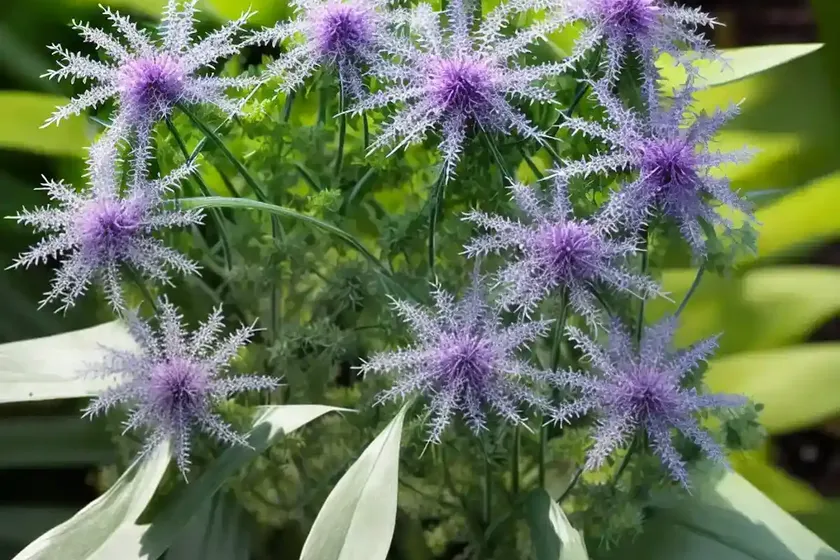
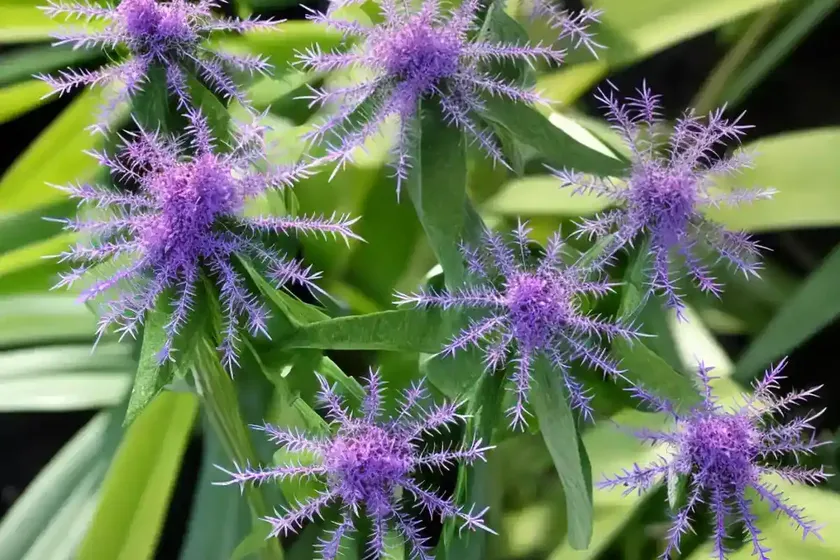
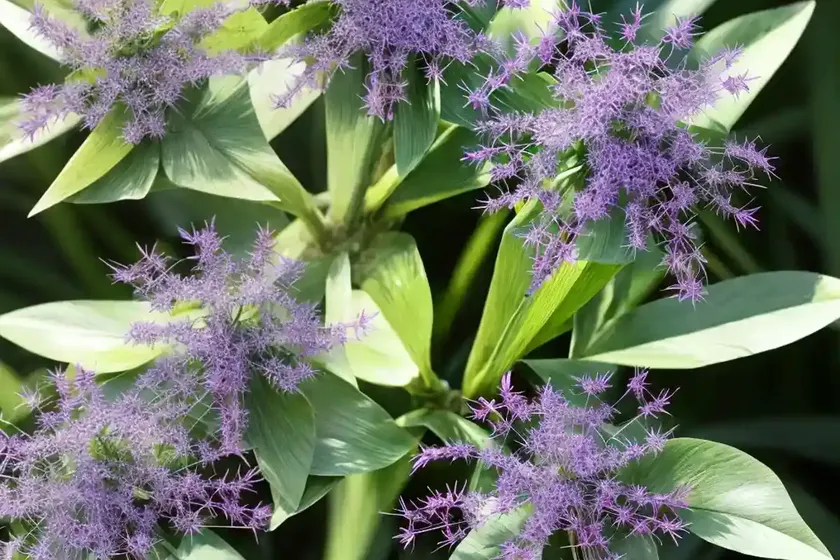
Conoclinium greggii, commonly known as Palm-leaf Mistflower, is a stunning perennial plant that is increasingly gaining popularity in gardens and landscapes. With its vibrant blue flowers and attractive foliage, it adds a delightful touch to any setting. In this comprehensive guide, we will explore the various aspects of Conoclinium greggii, including its cultural requirements, uses, propagation, common diseases, and much more. Whether you are a seasoned gardener or a novice enthusiast, this guide will provide you with valuable insights into the world of Palm-leaf Mistflower.
What is Conoclinium greggii (Palm-leaf Mistflower)?
Conoclinium greggii, a member of the aster family (Asteraceae), is a herbaceous perennial native to the southern United States and northern Mexico. It is known for its striking clusters of powder-blue flowers that bloom from late summer to fall, attracting butterflies and other pollinators to the garden. The plant features palmately lobed leaves that give it a unique and tropical appearance, hence its common name, Palm-leaf Mistflower.
Key Takeaways
Before delving into the specific details about Conoclinium greggii, let’s highlight the key takeaways that this guide will cover:
- Palm-leaf Mistflower benefits
- Conoclinium greggii care tips
- How to grow Conoclinium greggii
- Palm-leaf Mistflower characteristics
- Conoclinium greggii propagation methods
- Palm-leaf Mistflower in landscaping
- Conoclinium greggii varieties
- Palm-leaf Mistflower in garden borders
- Conoclinium greggii diseases and pests
- Palm-leaf Mistflower pruning techniques
- Conoclinium greggii medicinal uses
- Palm-leaf Mistflower drought tolerance
- Conoclinium greggii native habitat
- Palm-leaf Mistflower companion plants
- Conoclinium greggii flowering season
- Palm-leaf Mistflower as a groundcover
- Conoclinium greggii for pollinators
- Palm-leaf Mistflower as a border plant
- Conoclinium greggii drought-resistant qualities
- Palm-leaf Mistflower in xeriscaping
- Conoclinium greggii water requirements
Now, let’s explore each of these aspects in detail.
Culture
Uses
Conoclinium greggii, with its captivating appearance and versatile nature, is well-suited for various landscaping and gardening purposes. Some of its common uses include:
- Landscaping: Palm-leaf Mistflower is often utilized in mixed borders, butterfly gardens, and rock gardens to add a splash of vibrant color and attract beneficial wildlife such as butterflies and bees.
- Garden Borders: Its moderate height and bushy growth habit make it an ideal plant for defining garden borders and creating a visually appealing transition between different garden elements.
- Pollinator Support: The abundant blue flowers of Conoclinium greggii serve as a valuable nectar source for pollinators, making it a must-have plant for any pollinator-friendly garden.
- Groundcover: In suitable growing conditions, it can spread to form a beautiful groundcover, filling in gaps between other plants and suppressing weed growth.
Water
Conoclinium greggii generally prefers moderate moisture levels and well-draining soil. However, once established, it exhibits good drought tolerance and can withstand brief periods of dryness. When watering Palm-leaf Mistflower, it is essential to strike a balance to avoid waterlogging or prolonged drought stress.
Sunlight
In terms of sunlight requirements, Conoclinium greggii thrives in full sun to partial shade. While it appreciates ample sunlight for robust growth and prolific flowering, it can also tolerate some shade, especially in regions with intense summer heat.
Fertilizer
When it comes to fertilization, Conoclinium greggii has relatively low to moderate nutritional needs. A balanced, slow-release fertilizer applied in spring as new growth emerges can help promote healthy foliage and abundant blooms. However, it is crucial to avoid excessive fertilization, which may lead to overly lush growth and reduced flower production.
Soil
Palm-leaf Mistflower prefers well-draining, loamy soil with a slightly acidic to neutral pH range. Good soil drainage is particularly crucial to prevent waterlogged conditions and root rot. Amending the soil with organic matter, such as compost or well-rotted manure, can enhance its overall structure and fertility.
Pruning
Pruning practices for Conoclinium greggii primarily focus on maintaining its shape, controlling its spread, and removing spent flowers to encourage continuous blooming. In late winter or early spring, a light pruning session can be conducted to remove any dead or damaged foliage and shape the plant for the upcoming growing season.
Propagation
Conoclinium greggii can be propagated through various methods, including division, stem cuttings, and seed sowing.
- Division: Established clumps of Palm-leaf Mistflower can be carefully divided in early spring, and each division with viable roots can be replanted in a suitable location.
- Stem Cuttings: Softwood cuttings taken in late spring or early summer can be rooted in a well-draining propagation medium to produce new plants.
- Seed Sowing: The seeds of Conoclinium greggii can be sown directly in the garden in the fall or started indoors in pots before the growing season.
Container Popularity
While Conoclinium greggii is often grown in garden beds and borders, it can also thrive in containers and large pots. Its compact growth habit and attractive flowers make it a popular choice for adding color and texture to patio gardens, balcony spaces, and other container plantings.
Container Common Diseases
When grown in containers, Palm-leaf Mistflower may be susceptible to certain diseases commonly associated with container gardening, such as root rot and fungal infections. However, with proper care, including well-draining soil and appropriate watering practices, the risk of disease in container-grown Conoclinium greggii can be minimized.
Disease Diagnosis
Disease diagnosis in Conoclinium greggii primarily involves vigilance for symptoms such as wilting, leaf spots, or unusual discoloration, which may indicate the presence of a fungal or bacterial disease. Additionally, regularly inspecting the plant for signs of stress or decline can help in early detection and prompt treatment.
Common Pests
While Conoclinium greggii is relatively resistant to pests, occasional infestations by aphids, spider mites, or caterpillars may occur. Staying attentive to the plant’s health and promptly addressing any pest issues can help maintain its vigor and overall appearance.
Botanist’s Tips
To ensure the successful cultivation of Conoclinium greggii and maximize its ornamental value, consider the following tips:
- Ample Air Circulation: Providing adequate spacing between Palm-leaf Mistflower plants can promote good air circulation, reducing the risk of foliar diseases and enhancing overall plant health.
- Mulching: Applying a layer of organic mulch around the base of the plant can help conserve soil moisture, suppress weed growth, and moderate soil temperature.
- Regular Deadheading: Removing spent flowers regularly can encourage the production of new blooms and prolong the flowering period of Conoclinium greggii.
- Monitoring Moisture Levels: Regularly check the soil moisture to ensure that it remains consistently moist but not waterlogged, especially during periods of active growth and flowering.
Fun Facts
- The species name “greggii” is in honor of Josiah Gregg, an American naturalist and explorer known for his extensive travels in the southwestern United States.
- Conoclinium greggii is cherished by pollinators, including butterflies and bees, making it a valuable addition to wildlife-friendly gardens.
- In traditional herbal medicine, certain indigenous groups have used Conoclinium greggii for its purported medicinal properties, although scientific evidence supporting its medicinal uses is limited.
Links to External Resources
For further information on Conoclinium greggii, Palm-leaf Mistflower, and related topics, consider exploring the following external resources:
- North Carolina Extension Gardener Plant Toolbox – Conoclinium greggii
- Lady Bird Johnson Wildflower Center – Conoclinium greggii
- Missouri Botanical Garden – Conoclinium greggii
Conoclinium greggii, or Palm-leaf Mistflower, offers a captivating combination of beauty, adaptability, and ecological value, making it a delightful choice for various gardening and landscaping purposes. By understanding its cultural requirements, uses, propagation methods, and potential challenges, you can cultivate and appreciate this exceptional plant to its fullest potential. Whether you seek to attract pollinators, add color to your garden borders, or create a low-maintenance landscape, Conoclinium greggii is sure to leave a lasting impression with its alluring charm and natural grace.