Conoclinium Coelestinum (Blue Mistflower)
Conoclinium coelestinum, commonly known as Blue Mistflower, is a delightful perennial plant that belongs to the Asteraceae family. This native North.
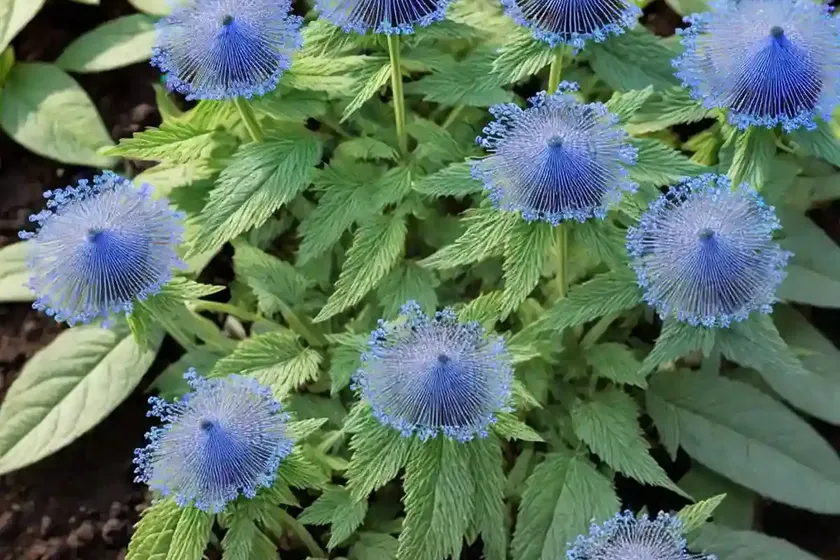
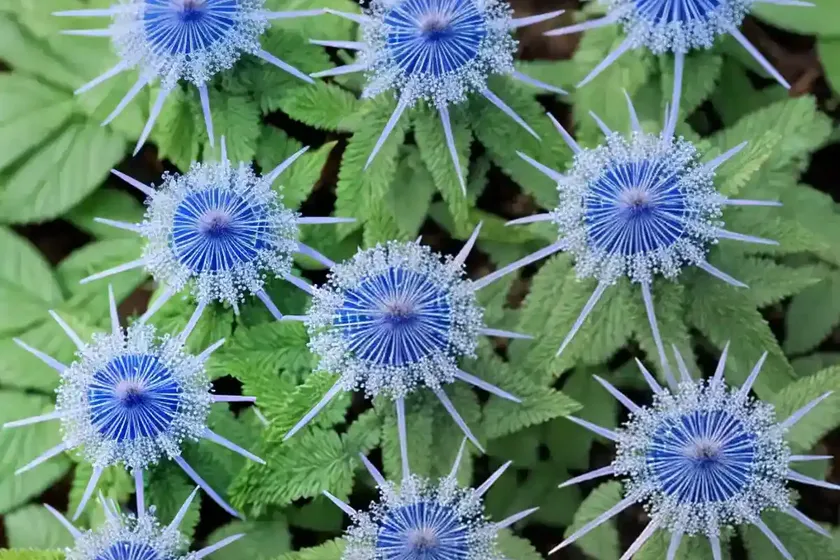
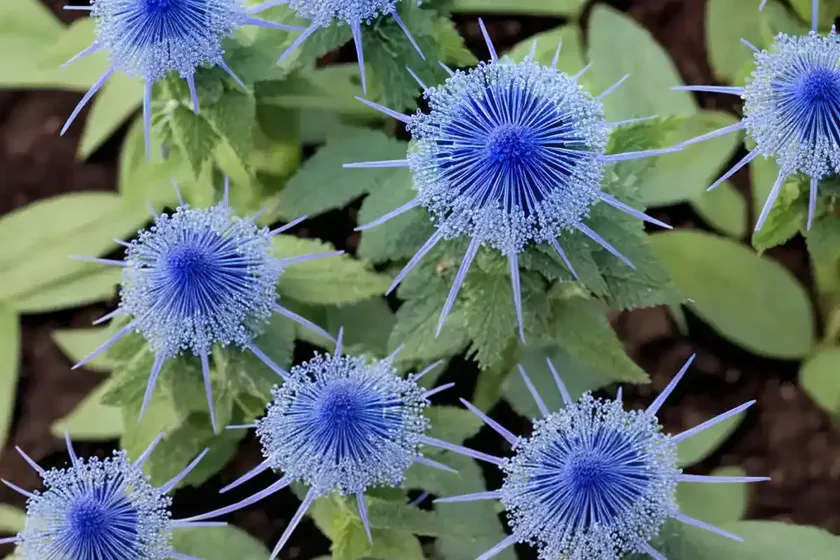
Conoclinium coelestinum, commonly known as Blue Mistflower, is a delightful perennial plant that belongs to the Asteraceae family. This native North American wildflower is celebrated for its striking blue-purple blooms and its ability to attract various pollinators to the garden. Blue Mistflower is known for its resilience, adaptability, and aesthetic appeal, making it a popular choice for gardeners looking to enhance their landscapes with vibrant, native flora.
In this comprehensive guide, we will explore all aspects of cultivating and caring for Conoclinium coelestinum, from its cultural requirements to its potential uses and benefits. Whether you are a seasoned gardener or a novice enthusiast, this article will provide you with valuable insights into the world of Blue Mistflower.
Key Takeaways – Conoclinium coelestinum (Blue Mistflower)
The Blue Mistflower (Conoclinium coelestinum) offers a multitude of benefits and unique characteristics, making it a valuable addition to gardens and landscapes. As we delve into its culture, uses, maintenance, and more, we will uncover the following key takeaways:
- Blue Mistflower is known for its stunning blue-purple blooms and its ability to attract pollinators.
- This plant thrives in moist, well-drained soil and prefers partial to full sunlight for optimal growth.
- Blue Mistflower is resilient and low-maintenance, making it suitable for both seasoned and novice gardeners.
- By understanding the cultural requirements, uses, and maintenance practices of Conoclinium coelestinum, you can unlock its full potential in your garden or landscape.
Now, let’s embark on an enlightening journey to discover the wonders of Conoclinium coelestinum and how to cultivate this captivating plant with care and expertise.
What is Conoclinium coelestinum (Blue Mistflower)?
Conoclinium coelestinum, also known as Blue Mistflower or Hardy Ageratum, is a herbaceous perennial plant native to North America. This enchanting species is characterized by its delicate clusters of small, powder-blue to lavender flowers that bloom profusely in late summer and fall, creating a mesmerizing sea of color.
The Blue Mistflower typically reaches a height of 1 to 3 feet, with a spread of 1 to 2 feet, forming dense, bushy mounds of foliage adorned with an abundance of floral clusters. Its lance-shaped, serrated leaves provide an attractive backdrop to the striking blooms, adding to the plant’s ornamental appeal.
Aside from its aesthetic beauty, Conoclinium coelestinum also holds ecological value as it serves as a valuable nectar source for various pollinators, including butterflies and bees. Its ability to attract and support essential pollinators makes it an asset to any garden striving to promote biodiversity and ecosystem health.
Blue Mistflower’s adaptability to different growing conditions and its minimal maintenance requirements further enhance its desirability as a garden plant, making it a top choice for sustainable and wildlife-friendly landscaping.
Under the right care and environment, Conoclinium coelestinum can thrive and enrich outdoor spaces with its captivating flowers, while also contributing to the broader ecosystem through its role in supporting local pollinators.
Culture
Water
Conoclinium coelestinum, or Blue Mistflower, has moderate water needs and thrives in consistently moist soil. However, it is crucial to ensure that the planting site has good drainage to prevent waterlogged conditions, which can be detrimental to the plant’s health.
During the active growing season, regular watering is essential to maintain soil moisture and support healthy growth and flowering. When established, Blue Mistflower exhibits some drought tolerance, but it still benefits from occasional watering during prolonged dry spells, especially in hot climates.
Watering Tips:
– Water regularly during the growing season, ensuring the soil remains evenly moist, but not waterlogged.
– Provide supplemental watering during periods of drought to support the plant’s vitality and blooming performance.
Sunlight
Blue Mistflower flourishes in partial to full sunlight, thriving in locations that receive at least 6 to 8 hours of direct sunlight per day. While it can tolerate some shade, the plant’s flowering potential is maximized in areas with ample sunlight.
In regions with intense summer heat, providing some afternoon shade can help prevent stress and sunburn, especially for young or newly planted Blue Mistflower specimens.
Sunlight Recommendations:
– Plant in locations with partial to full sunlight exposure for optimal growth and blooming.
– Consider providing afternoon shade in hot climates to protect the plant from excessive heat and sun exposure.
Soil
Conoclinium coelestinum prefers moist, well-drained soil with a slightly acidic to neutral pH (pH 6.0 to 7.0). It thrives in fertile, loamy soil that retains moisture while allowing excess water to drain away, preventing waterlogged conditions.
When planting Blue Mistflower, amending the soil with organic matter, such as compost or well-rotted manure, can enhance its texture and fertility, providing an ideal foundation for the plant’s growth and development.
Soil Recommendations:
– Choose well-drained, fertile soil with a slightly acidic to neutral pH for planting Blue Mistflower.
– Incorporate organic matter into the soil to improve its structure and nutrient content, promoting healthy growth and blooming.
Pruning
Proper pruning plays a vital role in maintaining the health, appearance, and flowering performance of Conoclinium coelestinum. Pruning practices primarily focus on deadheading spent blooms and managing the plant’s overall shape and size.
Removing faded flowers as they appear can encourage the development of new blooms and prolong the flowering period, enhancing the visual appeal of Blue Mistflower throughout the season. Additionally, light pruning in early spring can help rejuvenate the plant by promoting new growth and enhancing its vigor.
Pruning Guidelines:
– Deadhead spent blooms regularly to stimulate continuous flowering and maintain the plant’s aesthetic appeal.
– Conduct light pruning in early spring to promote new growth and maintain a compact, bushy habit.
Propagation
Conoclinium coelestinum can be propagated through various methods, including division, stem cuttings, and seed sowing. Each propagation technique offers unique advantages and can be employed to expand the presence of Blue Mistflower in gardens and landscapes.
Propagation Methods:
– Division: Divide mature Blue Mistflower clumps in early spring or fall, ensuring that each division has several healthy shoots and an adequate root system.
– Stem Cuttings: Take stem cuttings from actively growing stems in spring or early summer, and root them in a well-draining propagation medium to establish new plants.
– Seed Sowing: Collect seeds from mature Blue Mistflower plants in the fall and sow them in a prepared seedbed or containers, ensuring adequate moisture and warmth for successful germination.
By employing suitable propagation methods, gardeners can propagate Conoclinium coelestinum to expand their plant collection, share specimens with others, or introduce Blue Mistflower to new garden spaces.
Container Popularity
Blue Mistflower’s adaptability and aesthetic appeal make it a popular choice for container gardening, allowing gardeners to enjoy its beauty on patios, balconies, and other confined outdoor spaces. When grown in containers, Conoclinium coelestinum can serve as a vibrant accent plant, adding a touch of natural elegance to any setting.
Placing Blue Mistflower in containers also provides the flexibility to move the plant to different locations based on sunlight and aesthetic considerations, enhancing the overall visual impact of the garden or outdoor living area.
Container Gardening Tips:
– Select a well-draining container that accommodates the plant’s root system and provides ample room for growth.
– Use a high-quality potting mix formulated for flowering perennials and ensure adequate watering and sunlight for container-grown Blue Mistflower.
Uses
Gardening
Conoclinium coelestinum is a valuable addition to gardens, serving as a charming ornamental plant that enlivens outdoor spaces with its vibrant blooms and attractive foliage. Its adaptability to diverse growing conditions and its relative ease of care make it a versatile choice for various garden styles, ranging from cottage gardens to wildlife-friendly landscapes.
As a pollinator-attracting plant, Blue Mistflower contributes to the ecological diversity of gardens, fostering the presence of beneficial insects and supporting overall biodiversity. Its role in attracting butterflies, bees, and other pollinators adds an enchanting and dynamic element to garden settings, making it an asset for wildlife enthusiasts and conservation-minded gardeners.
Gardening Benefits:
– Enhances garden aesthetics with stunning blue-purple blooms and bushy foliage.
– Attracts and supports important pollinators, contributing to garden biodiversity and ecosystem health.
Landscaping
Blue Mistflower holds significant potential for landscaping applications, offering a versatile and visually appealing option for enhancing outdoor environments. Whether used as a border plant, a featured specimen, or a component of mixed perennial beds, Conoclinium coelestinum brings an element of natural beauty and ecological significance to landscaping projects.
Its moderate height and bushy growth habit make it suitable for creating colorful drifts or clusters within garden borders, while its pollinator-friendly nature adds a dynamic and beneficial aspect to landscaped areas.
Landscaping Applications:
– Enhances landscape aesthetics with its attractive blooms and foliage.
– Offers a versatile option for creating colorful borders or mixed perennial beds in landscaping projects.
Wildlife Habitat
Conoclinium coelestinum plays a crucial role in supporting local wildlife by providing a valuable nectar source for butterflies, bees, and other pollinators. Its ability to attract and nourish these essential creatures contributes to the overall health and sustainability of ecosystems, making it a valuable component of wildlife-friendly habitats.
In addition to supporting pollinators, Blue Mistflower can also serve as a habitat and food source for various wildlife species, further enriching the ecological value of garden and landscape settings. Its resilience and adaptability make it a reliable resource for promoting biodiversity and enhancing the natural interactions between plants and wildlife.
Wildlife Habitat Benefits:
– Provides a valuable nectar source for butterflies, bees, and other pollinators.
– Offers habitat and food resources for diverse wildlife species, contributing to garden and landscape biodiversity.
Common Diseases
Disease Diagnosis
While Conoclinium coelestinum is generally resilient and resistant to many diseases, it may occasionally encounter certain issues that can impact its health and appearance. Understanding and promptly addressing potential diseases is crucial for maintaining the vigor and vitality of Blue Mistflower in garden and landscape settings.
Common disease symptoms in Conoclinium coelestinum may include the following:
- Fungal Diseases: These can manifest as leaf spot, powdery mildew, or root rot, affecting the foliage, stems, or root system of the plant.
- Bacterial Diseases: Bacterial leaf spots or stem rots may occur, leading to discoloration and decay in affected plant parts.
- Viral Infections: Viral diseases can cause stunted growth, yellowing of leaves, or distortion of plant structures, impacting the overall health and appearance of Blue Mistflower.
Diagnosis and Management:
– Monitor the plant regularly for any signs of disease, including changes in foliage color, texture, or structure.
– Upon detecting suspected disease symptoms, promptly identify the specific issue and implement suitable management practices to mitigate its impact and prevent further spread.
Common Pests
Conoclinium coelestinum may encounter certain pests that can affect its growth and vitality, necessitating intervention to protect the plant from potential damage. By familiarizing yourself with common pests that may target Blue Mistflower, you can implement proactive measures to manage and control infestations effectively.
Common Pests:
– Aphids: These small, soft-bodied insects may feed on the plant’s sap, causing stunted growth and distorted foliage.
– Spider Mites: These minute pests can infest the plant, causing stippling, webbing, and overall decline in health.
– Caterpillars: Certain caterpillar species may feed on Blue Mistflower foliage, leading to defoliation and stress on the plant.
Pest Management:
– Monitor the plant regularly for signs of pest activity, such as visible insects, webbing, or damage to the foliage.
– Employ cultural, mechanical, or biological control methods to manage pest populations and minimize their impact on Conoclinium coelestinum.
Botanist’s Tips
Fun Facts
- Blue Mistflower is widely recognized for its ability to attract and support butterflies, making it a desirable option for butterfly gardens and wildlife-friendly landscapes.
- Its floral clusters are composed of numerous small, tubular flowers, each offering a rich source of nectar and pollen for visiting pollinators.
- The plant’s fine, feathery seeds are dispersed by the wind, contributing to its naturalization in suitable habitats and its ability to thrive in diverse environments.
Links to External Resources
- The Pollinator Partnership: The Pollinator Partnership offers valuable information on pollinators and the plants that support their health and habitat needs, including Blue Mistflower.
- Lady Bird Johnson Wildflower Center: Explore resources on native plants, conservation, and sustainable landscaping, including insights into Blue Mistflower and its ecological significance.
In conclusion, Conoclinium coelestinum, or Blue Mistflower, embodies a wealth of aesthetic, ecological, and practical benefits, making it a treasured addition to gardens, landscapes, and natural habitats. By embracing its cultural needs, understanding its uses and significance, and addressing potential maintenance considerations, gardeners can unlock the full potential of Blue Mistflower and reap the rewards of its enduring beauty and ecological contributions.
Through this comprehensive guide, we have delved into the various facets of cultivating and caring for Conoclinium coelestinum, offering valuable insights and actionable recommendations for gardeners and enthusiasts alike. By harnessing the power of this remarkable plant, you can elevate your outdoor space, support local pollinators, and foster a deeper connection to the natural world, all while embracing the allure and wonder of Blue Mistflower.
Now, armed with knowledge and inspiration, you can embark on a fulfilling journey of cultivating, appreciating, and contributing to the enduring legacy of Conoclinium coelestinum in the botanical tapestry of your garden and beyond.