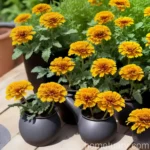
Calendula officinalis ‘Crown Orange’ (Pot Marigold): A Comprehensive Guide
Calendula officinalis ‘Crown Orange’, commonly known as Pot Marigold, is a vibrant and versatile flowering plant that has been prized for its beauty and medicinal properties for centuries. With its stunning orange blooms and various uses, Calendula officinalis ‘Crown Orange’ has captured the attention of gardeners, herbalists, and researchers alike. In this comprehensive guide, we will delve into the various aspects of this remarkable plant, including its culture, uses, cultivation requirements, common diseases and pests, and much more.
What is Calendula officinalis ‘Crown Orange’?
Calendula officinalis ‘Crown Orange’ is a member of the Asteraceae family, which includes a diverse range of flowering plants. This particular variety of Calendula is known for its striking orange-colored blooms, which have earned it the common name “Pot Marigold.” The genus name “Calendula” is derived from the Latin word “calendae,” which means “little calendar,” alluding to the plant’s long flowering season.
Pot Marigold has a rich history of traditional uses, including culinary, medicinal, and ornamental applications. Its vibrant flowers and easy-going nature have made it a popular choice for gardeners and herbalists around the world.
Key Takeaways – Calendula officinalis ‘Crown Orange’ (Pot Marigold)
Before we delve into the specifics of cultivating and caring for Calendula officinalis ‘Crown Orange’, let’s highlight some key takeaways about this remarkable plant:
- Botanical Name: Calendula officinalis ‘Crown Orange’
- Common Name: Pot Marigold
- Family: Asteraceae
- Flower Color: Orange
- Uses: Medicinal, culinary, ornamental
- Cultivation: Easy to grow
- Attracts: Pollinators
Now that we have an overview of what Calendula officinalis ‘Crown Orange’ is, let’s explore the various aspects of this plant in more detail.
Culture
Understanding the optimal cultural conditions for Calendula officinalis ‘Crown Orange’ is crucial for successfully growing and nurturing this plant. Whether you intend to cultivate it in your garden or a container, providing the right environment will ensure healthy growth and abundant blooms.
Water
Calendula officinalis ‘Crown Orange’ generally prefers moist, well-drained soil. While it is important to water the plant regularly, it is equally essential to avoid waterlogging, as this can lead to root rot and other issues. A general guideline is to water the plant when the top inch of soil feels dry to the touch. During hot and dry periods, more frequent watering may be necessary to keep the soil consistently moist.
Sunlight
Pot Marigold thrives in full sun to partial shade. It prefers at least 6-8 hours of sunlight daily to produce ample blooms and maintain healthy foliage. In regions with scorching summers, providing some protection from the intense midday sun can prevent the plant from wilting or getting scorched. However, in cooler climates, full sun exposure is generally beneficial for robust growth and flowering.
Fertilizer
When it comes to fertilizing Calendula officinalis ‘Crown Orange’, a balanced, all-purpose fertilizer can be applied sparingly during the growing season to promote healthy growth and prolific blooms. A slow-release fertilizer or a diluted liquid fertilizer can be used according to the manufacturer’s instructions. It is important not to over-fertilize, as excessive nutrients can lead to lush foliage at the expense of flowers.
Soil
Pot Marigold thrives in well-draining, moderately fertile soil. It can adapt to various soil types, including loamy, sandy, or clayey soils, as long as they do not become waterlogged. Amending the soil with organic matter, such as compost, can improve its texture and fertility, providing an ideal foundation for the plant to flourish.
Pruning
Pruning Calendula officinalis ‘Crown Orange’ is relatively simple and primarily revolves around deadheading spent flowers to encourage continuous blooming. By removing faded blooms, the plant can redirect its energy into producing new flowers, thus prolonging the overall blooming period. Additionally, trimming back leggy or unruly growth can help maintain a compact and bushy habit, enhancing the plant’s overall appearance.
Propagation
Calendula officinalis ‘Crown Orange’ can be propagated through various methods, including seed sowing and division. Both approaches offer opportunities to increase the plant population or refresh existing specimens. Let’s explore these propagation methods in more detail:
Seed Sowing
- Timing: Pot Marigold seeds can be sown directly in the garden in spring after the last frost date. Alternatively, they can be started indoors 6-8 weeks before the last expected frost for earlier blooms.
- Soil Preparation: Prepare the seedbed by loosening the soil and removing debris. Rake the soil to create a fine, level surface for sowing the seeds.
- Sowing Depth: Sow the Calendula officinalis ‘Crown Orange’ seeds at a depth of about ¼ inch. Firm the soil gently over the seeds to ensure good soil-to-seed contact.
- Watering: Water the seeds gently after sowing to settle the soil around them.
- Germination: With adequate moisture and warmth, the seeds typically germinate within 5-14 days.
Division
- Timing: Division is best carried out in spring or fall when the plant is not in its peak blooming phase.
- Selecting Healthy Clumps: Identify established clumps that can be lifted and divided without causing excessive disruption to the parent plant.
- Lifting and Dividing: Carefully lift the clump from the ground and use a sharp, clean tool to divide it into manageable sections, ensuring that each division has a good portion of roots.
- Replanting: Replant the divisions at the same depth as the parent plant, ensuring the soil is firmly tamped around the roots.
Container Popularity
Calendula officinalis ‘Crown Orange’ is a popular choice for container gardening due to its compact size, vibrant blooms, and adaptability to container culture. Whether you have limited outdoor space or simply want to enjoy Pot Marigold up close on a patio or balcony, growing it in containers can be a rewarding experience.
Container Selection
When choosing a container for Calendula officinalis ‘Crown Orange’, opt for a pot or planter that provides good drainage and sufficient space for the plant’s root system to develop. A container with a diameter of at least 12 inches and adequate drainage holes at the bottom is generally suitable for accommodating the plant’s growth.
Soil Considerations
Select a high-quality, well-draining potting mix for container-grown Pot Marigold. Ideally, a mix formulated for flowering plants or vegetables can provide the essential nutrients and structure for healthy growth. It is important to ensure that the soil in the container remains consistently moist but not waterlogged.
Placement
Place the container in a location that receives ample sunlight, such as a south-facing patio or a spot with good exposure to natural light. Regularly monitor the moisture levels in the soil, especially during hot weather, as containers can dry out more quickly than garden beds.
With the right care and attention, Calendula officinalis ‘Crown Orange’ can thrive and produce an abundance of cheerful blooms in a container garden setting.
Common Diseases
Despite being a resilient and relatively low-maintenance plant, Calendula officinalis ‘Crown Orange’ may be susceptible to certain diseases under unfavorable growing conditions. Being aware of these potential issues can help in preventing and managing them effectively.
Disease Diagnosis
The following are some common diseases that may affect Calendula officinalis ‘Crown Orange’:
- Powdery Mildew: Powdery mildew can appear as a white, powdery coating on the leaves and stems of the plant. It thrives in humid environments and can hinder photosynthesis and overall plant health if left untreated.
- Botrytis Blight: Also known as gray mold, botrytis blight can manifest as brown lesions on the foliage and flowers. This fungal disease tends to thrive in moist and cool conditions, potentially causing significant damage to the plant.
- Leaf Spot: Leaf spot diseases can lead to the formation of dark, water-soaked spots on the leaves, eventually causing them to turn yellow and drop prematurely. These diseases are typically caused by various fungal or bacterial pathogens.
Prevention and Management
To prevent and manage these diseases effectively, consider the following strategies:
- Cultural Practices: Promote good air circulation by spacing plants adequately and avoiding overcrowding. This can help reduce the risk of humidity-related diseases such as powdery mildew and botrytis blight.
- Watering: Water the plants at the base to keep the foliage dry, as moisture on the leaves can create favorable conditions for disease development.
- Sanitation: Remove and dispose of any affected plant material promptly to prevent the spread of disease. Prune out infected parts and dispose of them away from the garden or compost pile.
- Fungicidal Treatments: In severe cases, applying an appropriate fungicidal treatment following the manufacturer’s instructions may be necessary to combat fungal diseases.
By implementing these preventative measures and promptly addressing any signs of disease, you can help keep Calendula officinalis ‘Crown Orange’ healthy and vibrant.
Common Pests
In addition to potential diseases, Calendula officinalis ‘Crown Orange’ may also attract certain pests that can affect its overall health and vigor. Understanding these common pests and their management strategies is essential for preserving the plant’s well-being.
Pest Identification
Some of the common pests that may affect Pot Marigold include:
- Aphids: These small, soft-bodied pests may appear in clusters on the undersides of leaves, sucking sap from the plant and causing distortion and yellowing of the foliage.
- Spider Mites: Spider mites are tiny arachnids that can cause stippling and a silvery appearance on the leaves as they feed on plant tissues.
- Slugs and Snails: These mollusks can feed on the tender foliage and flowers of Pot Marigold, leaving behind ragged, chewed edges.
Pest Management
Employing integrated pest management (IPM) strategies can help in effectively managing pests while minimizing the use of chemical controls. Consider the following approaches:
- Natural Predators: Encouraging natural predators such as ladybugs, lacewings, and predatory mites can help keep aphid and spider mite populations in check.
- Physical Barriers: Creating physical barriers, such as copper tape or diatomaceous earth, can deter slugs and snails from reaching the plants.
- Organic Controls: Using organic insecticidal soap or neem oil can provide effective control of aphids and spider mites while minimizing impact on beneficial insects.
By staying vigilant and implementing proactive pest management measures, you can help protect Calendula officinalis ‘Crown Orange’ from potential pest damage.
Botanist’s Tips
As a plant scientist, I have gathered valuable insights and tips for cultivating and caring for Calendula officinalis ‘Crown Orange’ based on research and practical experience. Here are some tips to consider when working with this delightful plant:
- Deadheading: Regular deadheading of spent flowers can promote continuous blooming and maintain a tidy appearance. It also prevents the plant from diverting energy into seed production, encouraging more prolific flowering.
- Harvesting: If you are growing Pot Marigold for its medicinal or culinary uses, harvesting the flowers in the morning after the dew has dried can help preserve their essential oils and flavors.
- Beneficial Companions: Calendula officinalis ‘Crown Orange’ can serve as a beneficial companion plant, attracting pollinators and potentially repelling certain pests. Consider interplanting it with vegetables or herbs to create a more diverse and dynamic garden ecosystem.
Fun Facts
Exploring the fascinating aspects of Calendula officinalis ‘Crown Orange’ can reveal intriguing and delightful facts about this remarkable plant. Here are some fun and interesting tidbits about Pot Marigold:
- The edible petals of Calendula officinalis ‘Crown Orange’ have been traditionally used to add color and a slightly peppery flavor to salads, soups, and other culinary creations.
- Calendula flowers have been historically used to create natural dyes, yielding vibrant shades of yellow, orange, and gold.
- In folklore and traditional medicine, Calendula officinalis ‘Crown Orange’ has been associated with various symbolic meanings, including protection, rejuvenation, and joy.
Links to External Resources
For further information, here are some useful external resources that offer additional insights and guidance on Calendula officinalis ‘Crown Orange’:
- Royal Horticultural Society – Calendula
- University of Maryland Medical Center – Calendula
- North Carolina State University Extension – Growing Calendula
- The Herb Society of America – Calendula Officinalis
Conclusion
Calendula officinalis ‘Crown Orange’, or Pot Marigold, is a versatile and charming plant that holds immense value in both ornamental and practical applications. From its cheerful orange blooms to its diverse uses in gardening, herbalism, and culinary arts, this plant continues to captivate enthusiasts and professionals alike. By understanding its cultural requirements, potential challenges, and beneficial attributes, we can cultivate an even deeper appreciation for this beloved botanical gem. Whether you are a seasoned gardener, a herbal enthusiast, or a curious learner, the allure of Calendula officinalis ‘Crown Orange’ invites you to explore its many dimensions and embrace its time-honored beauty and utility.
With a comprehensive exploration of Calendula officinalis ‘Crown Orange’ (Pot Marigold), including its cultural requirements, common diseases and pests, and practical uses, this guide aims to provide valuable insights for enthusiasts and practitioners. By embracing the rich heritage and remarkable traits of this plant, we can continue to celebrate its enduring presence in gardens, herbal remedies, and beyond. If you have any questions or would like to share your experiences with Calendula officinalis ‘Crown Orange’, feel free to reach out and join the conversation!