Agavoides Christmas (Echeveria Agavoides Christmas)
Echeveria Agavoides Christmas, also known as Agavoides Christmas, is a stunning succulent admired for its rosettes of striking foliage. This plant belongs.
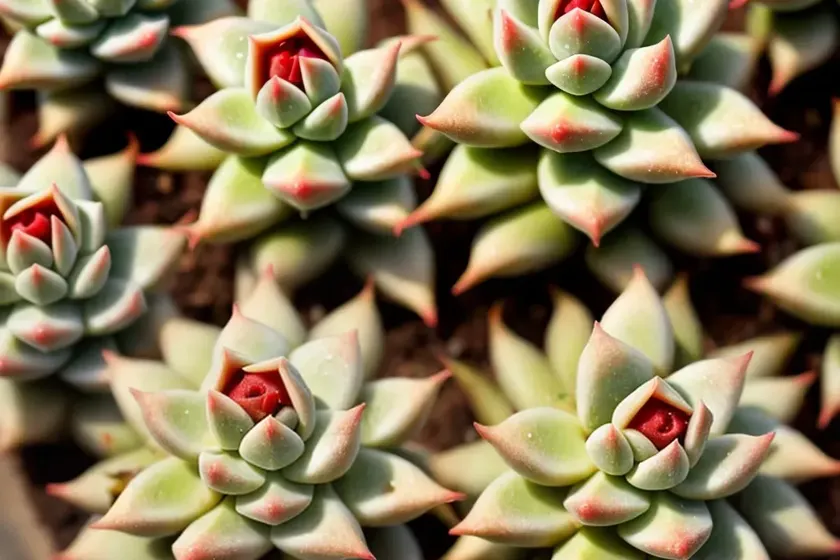
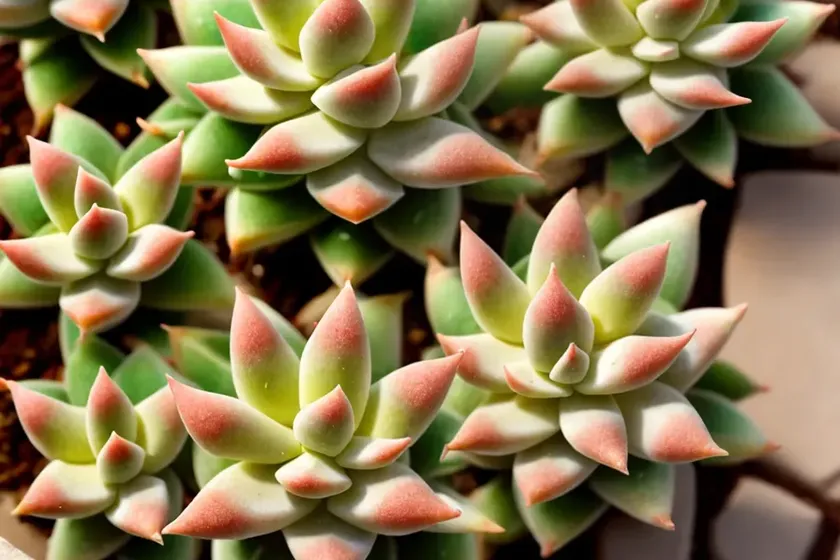
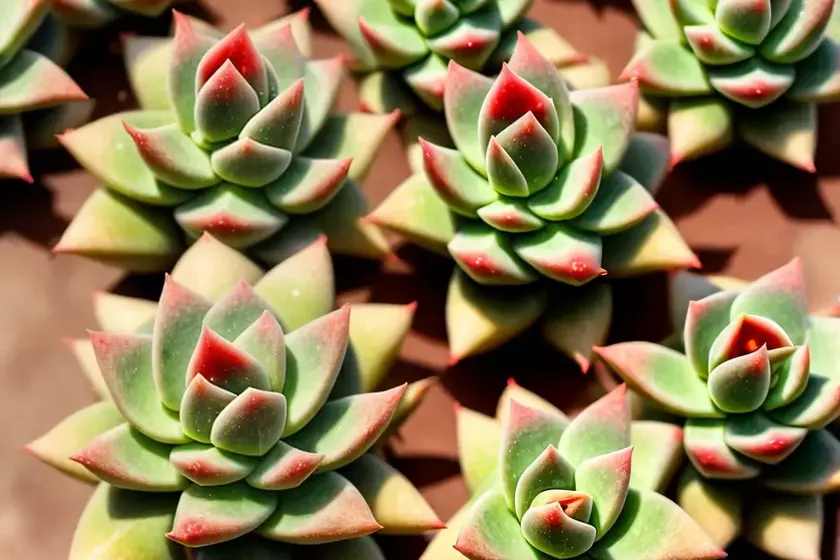
Echeveria Agavoides Christmas, also known as Agavoides Christmas, is a stunning succulent admired for its rosettes of striking foliage. This plant belongs to the Crassulaceae family and is native to Mexico. With its attractive appearance and relatively low maintenance requirements, it has gained popularity among plant enthusiasts, especially those who enjoy cultivating succulents. In this comprehensive guide, we will delve into the key aspects of caring for Agavoides Christmas, including its culture, uses, propagation, common diseases, and much more.
Key Takeaways – Agavoides Christmas (Echeveria Agavoides Christmas)
Before we dive into the specifics of caring for Agavoides Christmas, let’s explore some of the key takeaways for this captivating succulent:
- Fascinating Christmas-themed foliage, characterized by vibrant green leaves with red margins
- Well-suited for container gardening, both indoors and outdoors
- Requires well-draining soil and ample sunlight exposure to thrive
- Resilient to some common succulent pests and diseases when provided with appropriate care
- Can be propagated easily through offsets, leaf cuttings, or seeds
Now, let’s unravel the intricacies of cultivating and nurturing Agavoides Christmas to ensure its optimal growth and vibrancy.
What is Agavoides Christmas (Echeveria Agavoides Christmas)?
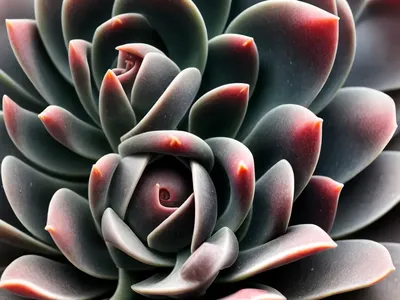
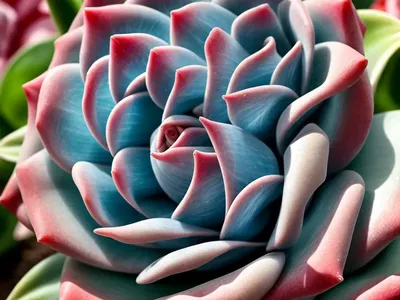
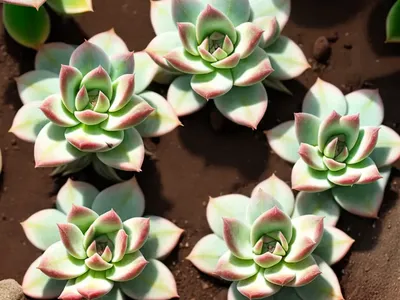
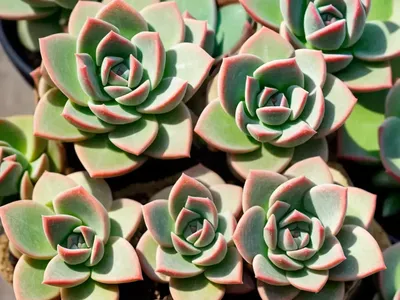
Agavoides Christmas, scientifically known as Echeveria Agavoides Christmas, is a succulent plant distinguished by its rosettes of triangular, fleshy leaves. The leaves are typically a rich green color, accented by vibrant red edges, which intensify during the colder months, thus giving rise to its festive moniker – “Christmas.” This unique coloration makes it a standout addition to any succulent collection, providing an eye-catching display in various settings, including garden beds, rock gardens, or decorative containers.
As a member of the Echeveria genus, Agavoides Christmas belongs to a diverse group of succulents known for their ornamental foliage and relatively easy cultivation. This particular variety is prized not only for its visual appeal but also for its adaptability to different growing conditions, making it an ideal choice for both novice and seasoned plant enthusiasts.
Culture
Cultivating Agavoides Christmas involves understanding its specific cultural requirements, encompassing aspects such as water, sunlight, soil, and fertilization. By providing the right environment, plant caregivers can encourage robust growth and the manifestation of the plant’s distinctive features.
Uses
Agavoides Christmas serves diverse purposes in horticulture and landscaping, owing to its aesthetic allure and versatility. Some common uses include:
- Ornamental plant: Adds visual interest to gardens, patios, and interior spaces
- Container gardening: Ideal for creating captivating succulent arrangements
- Xeriscaping: Well-suited for water-wise landscaping due to its drought tolerance
- Focal point plant: Draws attention with its striking foliage and compact growth habit
- Indoor decor: Enhances indoor environments with its vibrant and low-maintenance appeal
Water
Proper watering is crucial for the health and vitality of Agavoides Christmas. As a succulent, it is adapted to storing water in its leaves, enabling it to endure periods of drought. However, it’s important to strike a balance, as overwatering can lead to root rot, while underwatering may cause dehydration and wilting.
- Watering Frequency: During the growing season (spring and summer), water Agavoides Christmas thoroughly when the top inch of the soil becomes dry. In contrast, reduce watering in the dormant season (fall and winter) to prevent waterlogged soil and potential rot issues.
- Watering Technique: Apply water at the base of the plant to avoid wetting the foliage, which can make the plant susceptible to fungal diseases.
Sunlight
Adequate sunlight is essential for Agavoides Christmas to maintain its vibrant coloration and compact form. Proper exposure to sunlight influences its growth, color development, and overall resilience.
- Light Requirements: Position the plant in an area that receives bright, indirect sunlight for at least 6 hours per day. In warmer climates, partial shade during the intense afternoon sun can prevent sunburn on the foliage.
- Indoor Placement: Indoors, place the plant near a south-facing window to ensure it receives ample sunlight. Supplemental grow lights can be used if natural light is limited.
Fertilizer
While Agavoides Christmas is relatively low-maintenance, occasional fertilization can support its growth and enhance its visual appeal. Using a balanced fertilizer formulated for succulents helps provide essential nutrients without risking fertilization-related issues.
- Fertilization Schedule: Feed the plant with a diluted, balanced liquid fertilizer once a month during the growing season. Refrain from fertilizing during the dormant period to align with the plant’s natural growth cycle.
Soil
Suitable soil composition is critical for succulents like Agavoides Christmas to thrive. Well-draining soil facilitates proper root health and prevents water-related complications such as root rot.
- Soil Mix: Choose a well-draining potting mix designed for succulents and cacti, or prepare a blend using ingredients such as coarse sand, perlite, and peat moss.
- Container Drainage: Ensure that the planting container has drainage holes to prevent water accumulation at the root zone.
Pruning
Pruning is an integral part of succulent care, contributing to the plant’s overall appearance, health, and propagation potential. With Agavoides Christmas, selective pruning can help maintain its compact growth habit and address any damaged or overgrown foliage.
- Deadheading: Remove spent flowers and dried-out leaves to promote tidiness and redirect the plant’s energy towards new growth.
- Leggy Growth: Trim leggy or elongated stems to encourage a more balanced and compact form.
Propagation
Multiplying Agavoides Christmas through propagation allows plant enthusiasts to expand their collection and share the beauty of this succulent with others. Several methods can be employed to propagate this plant effectively.
- Offsets: Gently separate the offsets (small rosettes that emerge from the base of the mother plant) and plant them in a suitable growing medium to establish new plants.
- Leaf Cuttings: Harvest healthy leaves and allow them to callus before planting in a well-draining mix, where they can root and develop into new plants.
- Seeds: While less commonly used, propagation from seeds is another viable option, offering the opportunity to grow Agavoides Christmas from scratch.
Container Popularity
Here in this section you can include the popular containers in which the plant can be grown. Containers with drainage holes, terracotta pots, etc.
Common Diseases
Agavoides Christmas is generally resistant to most common succulent diseases when grown under favorable conditions. However, certain issues may arise due to environmental stressors or inappropriate care practices.
- Root Rot: Overwatering or waterlogged soil can lead to root rot, characterized by mushy, discolored roots. To prevent this, ensure proper drainage and refrain from excessive watering.
- Pests and Diseases: Keep an eye out for signs of mealybugs, aphids, and fungal infections. Regular inspection and prompt intervention can help mitigate these issues effectively.
Disease Diagnosis
Diagnosing and addressing diseases promptly is crucial in maintaining the health and vigor of Agavoides Christmas.
- Symptoms: Be vigilant for symptoms such as leaf discoloration, wilting, and unusual spots or lesions on the foliage.
- Treatment: Depending on the issue identified, treatment may involve adjusting watering practices, improving ventilation, or employing targeted pest control measures.
Common Pests
While Agavoides Christmas is relatively resistant to pests, occasional infestations may occur, particularly under conditions of stress or neglect.
- Mealybugs: These small, white insects can cluster on the foliage and stem joints, secreting honeydew that can attract sooty mold.
- Aphids: Green or black aphids may feed on the plant’s sap, causing distortion of new growth and potential transmission of diseases.
Botanist’s Tips
Incorporating botanist tips can help plant enthusiasts gain valuable insights and suggestions for optimizing the care of Agavoides Christmas.
Fun Facts
Sharing intriguing and lesser-known facts about Agavoides Christmas adds an engaging element to the content and enhances the reader’s appreciation for this captivating succulent.
Links to External Resources
For further exploration and detailed reference, the following external resources provide valuable information on Agavoides Christmas and succulent care:
- World of Succulents – Echeveria Agavoides Christmas
- The Royal Horticultural Society – Growing Succulents
- University of Florida IFAS Extension – Succulent Plant Propagation
Through the comprehensive insights and practical recommendations outlined in this guide, plant enthusiasts can cultivate and enjoy Agavoides Christmas with confidence, ensuring its enduring vibrancy and allure. With proper care and attention, this enchanting succulent can thrive and captivate admirers for years to come.
Remember, understanding and respecting the natural needs of plants is essential for nurturing their health and beauty. By embracing the joy of plant care and learning from the insights shared by fellow enthusiasts and experts, we can foster a deeper connection with nature and the remarkable plant kingdom.
Keywords: Echeveria Agavoides Christmas care, Agavoides Christmas plant care tips, Agavoides Christmas succulent, Echeveria Agavoides Christmas plant profile, Agavoides Christmas propagation, How to grow Agavoides Christmas, Echeveria Agavoides Christmas plant guide, Agavoides Christmas watering requirements, Agavoides Christmas soil preferences, Agavoides Christmas light conditions, Agavoides Christmas plant characteristics, Agavoides Christmas leaf shape, Echeveria Agavoides Christmas varieties, Agavoides Christmas potting recommendations, Agavoides Christmas temperature tolerance, Agavoides Christmas pest control, Agavoides Christmas root rot prevention, Agavoides Christmas winter care, Agavoides Christmas outdoor planting, Agavoides Christmas indoor gardening, Agavoides Christmas leaf coloration, Agavoides Christmas plant size, Agavoides Christmas garden design ideas, Agavoides Christmas landscaping tips, Echeveria Agavoides Christmas focal point plant, Agavoides Christmas container gardening, Agavoides Christmas drought tolerance, Agavoides Christmas flower development, Agavoides Christmas leaf arrangement, Agavoides Christmas plant symbolism, Agavoides Christmas leaf patterns, Agavoides Christmas companion plants, Echeveria Agavoides Christmas seasonal changes, Agavoides Christmas plant growth stages, Agavoides Christmas leaf variegation, Agavoides Christmas sunlight requirements, Agavoides Christmas plant origin, Agavoides Christmas flower stalk pruning, Agavoides Christmas leaf edges, Agavoides Christmas container selection, Echeveria Agavoides Christmas water conservation, Agavoides Christmas soil drainage, Agavoides Christmas plant spacing, Agavoides Christmas leaf thickness, Agavoides Christmas fertilizer recommendations, Agavoides Christmas leaf spot prevention, Agavoides Christmas plant family, Agavoides Christmas leaf arrangement, Echeveria Agavoides Christmas sunlight exposure, Agavoides Christmas container size recommendations.