Blue Rose Echeveria (Echeveria Imbricata)
Blue Rose Echeveria, scientifically known as Echeveria Imbricata, is a stunning succulent plant that belongs to the Crassulaceae family. This species is.
What is Blue Rose Echeveria?
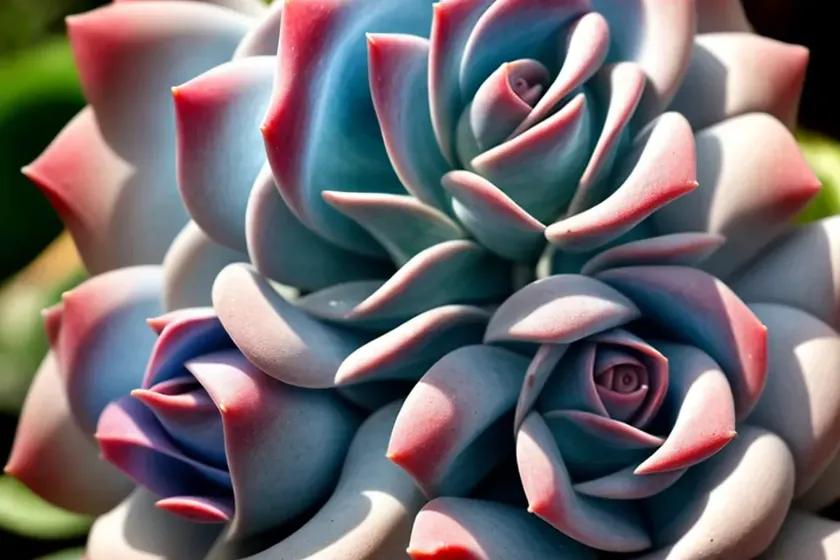
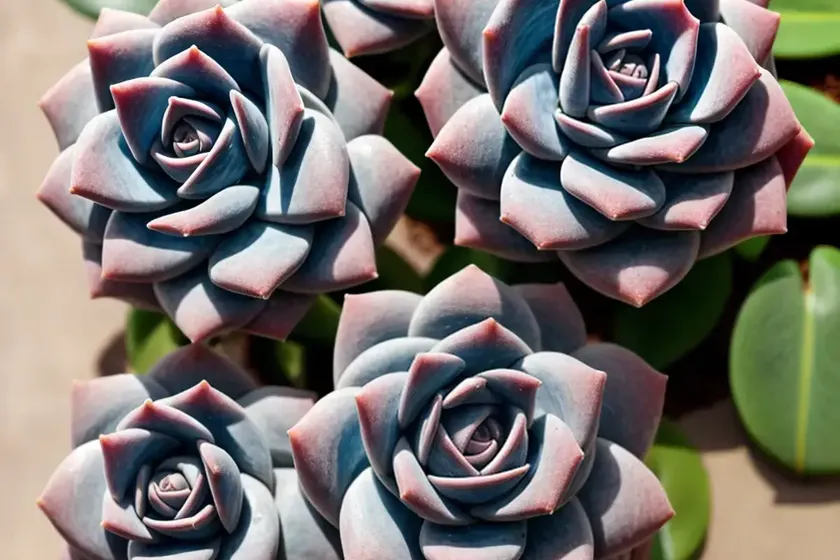
Blue Rose Echeveria, scientifically known as Echeveria Imbricata, is a stunning succulent plant that belongs to the Crassulaceae family. This species is native to Mexico and forms rosettes of fleshy, pointed leaves that display captivating blue-gray hues. The plant’s elegant appearance, low maintenance requirements, and versatility make it a popular choice for both indoor and outdoor cultivation.
Key Takeaways – Blue Rose Echeveria (Echeveria Imbricata)
- Scientific Name: Echeveria Imbricata
- Common Names: Blue Rose Echeveria, Blue Rose Succulent
- Plant Type: Succulent
- Family: Crassulaceae
- Native Habitat: Mexico
- Foliage Colors: Blue-gray, green
- Flower Characteristics: Orange, yellow
- Watering Needs: Low
- Sunlight Preferences: Full to partial sun
- Soil Requirements: Well-draining, gritty soil
- Maintenance Level: Low
- Propagation Methods: Leaf cuttings, offsets
- Common Pests: Aphids, mealybugs
- Common Diseases: Root rot, powdery mildew
- Hardiness Zones: 9-11
- Growth Patterns: Rosette-forming
- Popularity: Widely grown for ornamental purposes
- Decorative Uses: Container gardening, landscapes
- Health Benefits: Air-purifying properties, stress reduction
- Unique Features: Drought-tolerant, water-saving abilities
Plant Characteristics
Blue Rose Echeveria is prized for its enchanting appearance and unique growth habits. Let’s delve deeper into its characteristics to gain a better understanding of this captivating succulent:
Foliage
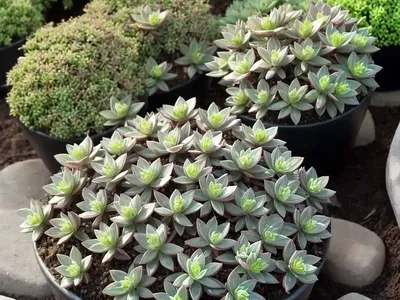
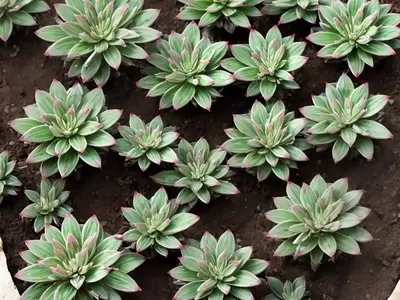
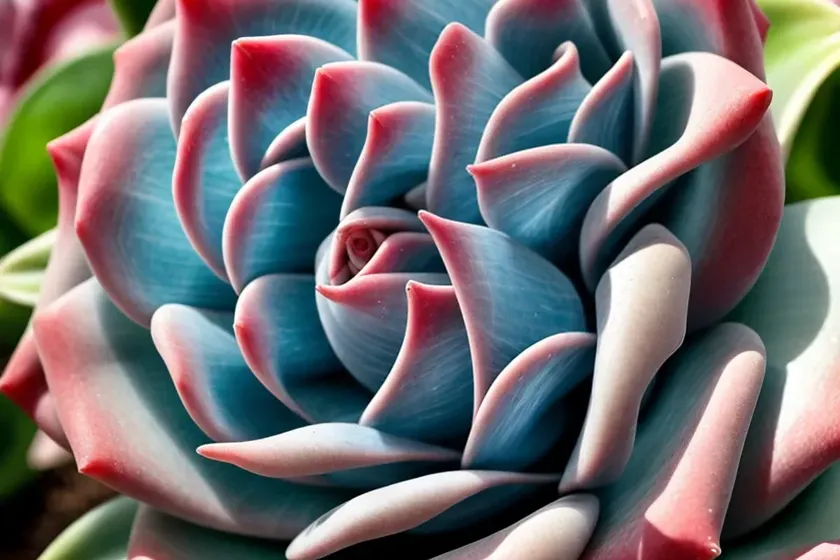
The rosettes of Blue Rose Echeveria are adorned with thick, fleshy leaves that are arranged in a symmetrical, spiral pattern. The leaves exhibit a striking blue-gray coloration, accentuated by powdery farina, which gives them a delicate, ethereal appearance. The edges of the leaves often display a subtle hint of pink or red, adding a charming touch to the overall aesthetics of the plant.
Flowers
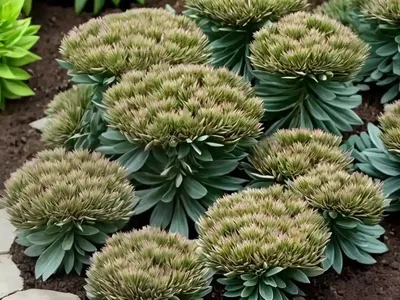
During the warmer months, Blue Rose Echeveria produces an impressive display of vibrant, bell-shaped flowers. The blooms typically appear on tall, slender stalks that rise elegantly above the foliage. The flower coloration can range from shades of orange to yellow, creating a stunning contrast against the plant’s blue-gray leaves.
Growth Habit
This succulent exhibits a compact, rosette-forming growth habit, making it an excellent choice for arrangements, container gardens, and rockeries. As the plant matures, it may produce offsets, allowing it to gradually form attractive clusters of rosettes.
Size
In terms of size, Blue Rose Echeveria is relatively compact, with mature rosettes reaching diameters of approximately 6 to 8 inches. This modest size makes it well-suited for a variety of planting scenarios, from small pots to mixed succulent arrangements.
Culture
Cultivating Blue Rose Echeveria successfully involves paying attention to several key aspects, including water, sunlight, soil, and maintenance. By understanding and addressing these cultural requirements, you can ensure the health and vitality of these remarkable succulents.
Water
Proper watering is crucial for the well-being of Blue Rose Echeveria. As with many succulent species, overwatering can lead to issues such as root rot and fungal diseases. To prevent these problems, it is essential to adhere to the following watering guidelines:
-
Frequency: Water the plant thoroughly, allowing the soil to dry out completely between waterings. In most cases, this will translate to approximately once every 10-14 days, depending on environmental conditions.
-
Watering Method: When watering, ensure that the excess water drains freely from the pot. It is advisable to use a well-draining soil mix and a container with drainage holes to facilitate proper moisture management.
-
Avoid Overhead Watering: Direct water at the base of the plant to prevent moisture from accumulating between the leaves, which can create an environment conducive to fungal diseases.
-
Seasonal Adjustments: During the cooler months or in periods of reduced sunlight, scale back on watering to accommodate the plant’s decreased growth and metabolic activity.
Sunlight
Blue Rose Echeveria thrives in bright, indirect light and can also adapt well to full sun conditions in most regions. Providing adequate sunlight is essential for the plant’s overall health and appearance. Consider the following sunlight recommendations:
-
Indoor Placement: If growing indoors, position the plant near a south or west-facing window to ensure it receives the necessary light. Rotating the plant periodically can also help promote uniform growth.
-
Outdoor Cultivation: When growing Blue Rose Echeveria outdoors, choose a spot that receives ample sunlight, especially in cooler, coastal areas. In hotter regions, providing partial shade during the hottest part of the day can be beneficial.
-
Sunlight Duration: Aim to provide the plant with approximately 6 hours of sunlight per day. In extremely hot climates, some protection from intense midday sun may be required to prevent leaf scorch.
Soil
The ideal soil mix for Blue Rose Echeveria should prioritize excellent drainage and aeration. This is pivotal in preventing waterlogged conditions that can endanger the plant’s health. Consider the following soil recommendations for optimal growth:
-
Well-Draining Mix: Use a specialized succulent or cactus potting mix that promotes rapid water drainage. Alternatively, formulate a custom mix by combining regular potting soil with coarse sand, perlite, or pumice in a 1:1 ratio.
-
Gritty Texture: The added sand or pumice in the soil mix helps create a gritty texture, preventing compaction and allowing excess moisture to move freely through the substrate.
-
Container Choice: When planting Blue Rose Echeveria in containers, prioritize pots with drainage holes to prevent water from pooling at the root zone. Terra cotta, ceramic, or plastic containers can all be suitable options.
Fertilizer
Feeding Blue Rose Echeveria with a balanced fertilizer can bolster its growth and overall vitality. However, it is important to approach fertilization with care, as succulents have relatively low nutrient requirements. Follow these guidelines to ensure the proper application of fertilizer:
-
Frequency: Fertilize the plant sparingly, applying a diluted, balanced liquid fertilizer once a month during the growing season (spring and summer). Refrain from fertilizing during the dormant winter period or when the plant is stressed.
-
Dilution: When preparing the fertilizer solution, dilute it to half or quarter strength, as full-strength fertilization can lead to salt buildup in the soil over time.
-
Application Method: Apply the fertilizer to damp soil, avoiding direct contact with the plant’s leaves to minimize the risk of leaf burn.
-
Alternative Option: An organic, slow-release succulent fertilizer can provide a gentle and gradual nutrient supply, reducing the risk of overfeeding.
Pruning
Pruning blue Rose Echeveria is a straightforward process that primarily involves removing spent flowers, dried leaves, or leggy growth to maintain the plant’s aesthetics and health. Consider the following pruning guidelines to guide you through this simple task:
-
Deadheading: After the flowering period, prune the spent flower stalks to encourage the plant to focus its energy on new growth rather than seed production.
-
Leaf Removal: If you notice dried, wilted, or damaged leaves, carefully prune them close to the stem to prevent potential disease spread and enhance the plant’s visual appeal.
-
Leggy Growth: If the plant displays elongated, etiolated growth due to insufficient light, consider pruning these leggy stems to encourage a more compact, balanced appearance.
-
Sanitization: When pruning, use clean, sharp scissors or pruning shears to make precise cuts. Sanitizing the cutting tools with rubbing alcohol between uses can prevent the transmission of diseases.
Propagation
Propagating Blue Rose Echeveria is an exciting and rewarding process, allowing you to expand your succulent collection and share these captivating plants with friends and family. The two primary propagation methods for Echeveria Imbricata are leaf cuttings and offsets, each offering its own unique appeal.
Leaf Cuttings
Leaf cuttings present an accessible and effective way to propagate Blue Rose Echeveria. Follow these steps to successfully propagate new plants from leaf cuttings:
- Select Healthy Leaves: Choose healthy, mature leaves and gently twist them off the plant, ensuring that you capture the entire leaf, including the base.
- Callus Formation: Allow the cut ends of the leaves to air dry in a warm, shaded area for a few days to form a protective callus that reduces the risk of rotting.
- Planting: Once callused, place the leaf cuttings on top of a well-draining soil mix, allowing the callused end to come into gentle contact with the soil. Mist the soil lightly to provide initial moisture.
- Root Development: Over the subsequent weeks, the leaf cuttings will develop roots and small rosettes, signaling the successful initiation of new plants.
- Watering: Begin watering the newly formed plants cautiously, gradually transitioning them to the standard watering routine for mature Blue Rose Echeveria.
Offsets
Offset propagation is another efficient way to produce new Blue Rose Echeveria plants. Follow these steps to propagate the plant from offsets:
- Identify Offsets: Locate the offsets, or ‘pups,’ appearing around the base of the mature Echeveria Imbricata plant. These are miniature versions of the parent plant that can be separated for propagation.
- Gentle Separation: Using a clean, sharp knife or scissors, carefully separate the offsets from the main plant by snipping them close to the stem.
- Callus Formation: Allow the cut ends of the offsets to air dry for a day or two to promote callus formation and reduce the risk of rot.
- Planting: Once callused, plant the offsets in a well-draining soil mix and follow a watering routine similar to that of established plants.
Container
When planting Blue Rose Echeveria in containers, there are several crucial considerations to ensure the plant’s well-being and long-term success. By providing an ideal container environment, you can create an attractive and thriving habitat for these striking succulents.
- Container Size: Select a container that accommodates the plant’s current size while allowing room for gradual growth. Avoid using excessively large pots, as this can lead to water pooling and potential root rot.
- Drainage Holes: Prioritize containers with drainage holes to facilitate excess water removal and prevent waterlogged conditions.
- Container Material: Terra cotta, ceramic, and plastic containers are all suitable options for Blue Rose Echeveria. Each material offers distinct advantages in terms of insulation, breathability, and aesthetics.
- Soil Mix: Use a well-draining succulent or cactus potting mix to ensure optimal moisture management within the container. A mixture of regular potting soil and perlite or sand can also be a viable choice.
Popularity
Blue Rose Echeveria has garnered widespread popularity among plant enthusiasts, succulent collectors, and gardeners due to its captivating appearance, low maintenance requirements, and versatile ornamental applications. This succulent’s rising popularity can be attributed to several factors:
- Aesthetics: The stunning blue-gray foliage and vibrant flower displays make Blue Rose Echeveria a visually striking addition to any indoor or outdoor setting.
- Low Maintenance: Echeveria Imbricata’s minimal water and sunlight needs, along with its ability to thrive in a variety of growing conditions, make it an accessible choice for both experienced and novice gardeners.
- Versatile Use: Blue Rose Echeveria can be showcased in a range of settings, including containers, rock gardens, succulent arrangements, and ornamental landscapes, enhancing its appeal to a diverse audience.
Common Diseases
While Blue Rose Echeveria is generally resilient against many common plant diseases, it can be susceptible to specific issues if its cultural requirements are not adequately met. Understanding these potential diseases and their associated symptoms is essential for effective prevention and management.
Disease Diagnosis
When caring for Blue Rose Echeveria, it is important to familiarize yourself with potential diseases that can affect this succulent. Recognizing the symptoms of these diseases and understanding their causes can help you take proactive measures to safeguard the plant’s health.
-
Root Rot: Overly wet soil or poor drainage can lead to root rot, resulting in soft, discolored, or mushy roots. In advanced stages, the plant may exhibit wilting, leaf drop, or a foul odor emanating from the roots.
-
Powdery Mildew: This fungal disease can manifest as a white, powdery coating on the plant’s leaves, often accompanied by leaf distortion or stunted growth.
-
Sooty Mold: Sooty mold can occur as a secondary issue when honeydew-producing pests such as aphids or scale insects are present. It manifests as a black, powdery coating on the foliage, inhibiting photosynthesis.
Prevention and Treatment
To combat these diseases and ensure the plant’s continued well-being, observe the following preventive and remedial measures:
-
Adequate Drainage: Use well-draining soil and containers with drainage holes to prevent water accumulation and the onset of root rot.
-
Proper Watering: Avoid overwatering and allow the soil to dry out between waterings to mitigate the risk of root rot and fungal diseases.
-
Air Circulation: Ensure adequate air circulation around the plant to minimize the likelihood of powdery mildew and sooty mold.
-
Sterilization: When propagating or pruning Blue Rose Echeveria, use sterilized tools to minimize the risk of disease transmission.
-
Natural Remedies: For mild cases of powdery mildew, natural remedies such as neem oil or horticultural sprays may be effective. For severe infestations, consider employing targeted fungicides or pesticides.
Common Pests
Blue Rose Echeveria, like many succulent species, can be vulnerable to insect pests that can negatively impact its growth and appearance. Understanding these common pests and their associated symptoms is essential for proactive pest management.
Aphids
Aphids are small, soft-bodied insects that can inflict damage to Blue Rose Echeveria by feeding on the plant’s sap. They may appear in various colors, such as green, black, or red, and can often be found congregating on the undersides of leaves or tender shoot tips. Signs of aphid infestation include distorted or yellowing leaves, sticky honeydew residue on the foliage, and the presence of sooty mold or ants.
Mealybugs
Mealybugs are another common pest that can affect Blue Rose Echeveria. These soft-bodied insects are often covered in a white, waxy coating and tend to congregate in protected areas, such as leaf axils or stem crevices. Mealybug feeding can lead to stunted growth, wilting, yellowing leaves, and the secretion of honeydew, which can give rise to sooty mold.
Pest Management
To manage and prevent pest infestations on Blue Rose Echeveria, implement the following integrated pest management strategies:
- Physical Removal: Use a soft brush or a stream of water to physically dislodge and remove aphids and mealybugs from the plant.
- Horticultural Oil: Apply horticultural oil to suffocate and disrupt the pest’s respiratory system, effectively controlling aphid and mealybug populations.
- Beneficial Insects: Introduce natural predators such as ladybugs or lacewings that can feed on aphids and mealybugs, helping to maintain pest levels.
- Neem Oil: Treatment with neem oil can serve as a valuable organic option for managing pest populations, disrupting their life cycle and reducing their numbers.
- Quarantine: If introducing new plants to your collection, quarantine them initially to monitor for signs of pest activity and prevent potential infestations.
Botanist’s Tips
To ensure the health and vitality of Blue Rose Echeveria, consider the following expert tips and recommendations:
-
Balanced Watering: Strive to strike a balance between providing adequate moisture and avoiding waterlogged conditions. Consistent, controlled watering can promote healthy root growth and overall plant vigor.
-
Elevated Humidity: While Blue Rose Echeveria thrives in arid conditions, it can benefit from subtly elevated humidity levels. This can be achieved through periodic misting or grouping multiple succulents to create a microclimate.
-
Overwintering: During the winter months, when the plant’s growth slows, reduce watering frequency and avoid fertilization to accommodate the decreased metabolic activity.
-
Seasonal Adjustments: Be mindful of seasonal changes and adjust your care routine accordingly. During periods of increased sunlight and higher temperatures, consider increasing your watering frequency to accommodate the plant’s heightened transpiration.
-
Monitoring Sunlight: Observe the plant’s reaction to sunlight exposure and adjust its positioning as needed to prevent leaf burn or etiolation.
Fun Facts
- The fine, powdery farina on the leaves of Blue Rose Echeveria has a protective role, shielding the plant from excessive sun exposure and reducing moisture loss.
- The name “Echeveria” pays homage to Atanasio Echeverría, an 18th-century Mexican botanical artist and naturalist.
- Blue Rose Echeveria, like other succulent species, has the ability to store water in its leaves, allowing it to withstand periods of drought and arid conditions.
Links to External Resources
For further information on Blue Rose Echeveria care, propagation, and cultivation, explore the following external resources:
- The Succulent Eclectic: Echeveria Imbricata Care and Growing Tips
- Gardenia: Echeveria Imbricata (Blue Rose Echeveria)
In conclusion, Blue Rose Echeveria (Echeveria Imbricata) stands out as a captivating, low-maintenance succulent that adds charm and elegance to any indoor or outdoor environment. By understanding and implementing the proper cultural practices, maintenance routines, and propagation techniques, you can savor the beauty and resilience of this exceptional succulent species.
Remember to tailor your care approach to the specific environmental conditions and microclimates in which your Blue Rose Echeveria is situated, ensuring that it receives the optimal conditions for sustained health and vitality. Whether displayed in a stylish container garden, nestled within a rockery, or showcased in an ornamental landscape, Blue Rose Echeveria is sure to captivate and delight with its distinct charm and appealing aesthetics.