Echervia Miranda (Echeveria ‘agavoides Miranda’)
Echeveria Miranda, scientifically known as Echeveria ‘agavoides Miranda,’ is a remarkable succulent plant that has captured the hearts of plant enthusiasts.
Echeveria Miranda, scientifically known as Echeveria ‘agavoides Miranda,’ is a remarkable succulent plant that has captured the hearts of plant enthusiasts around the world. With its stunning foliage and easy-care nature, it has become a popular choice for both indoor and outdoor gardens. In this comprehensive guide, we will delve into the fascinating world of Echeveria Miranda, exploring its culture, uses, care requirements, and much more.
What is Echeveria Miranda?
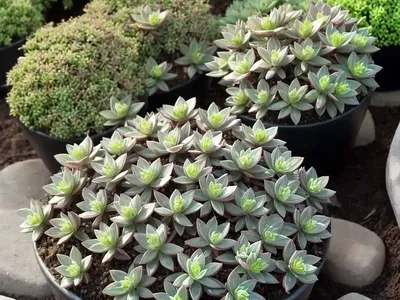
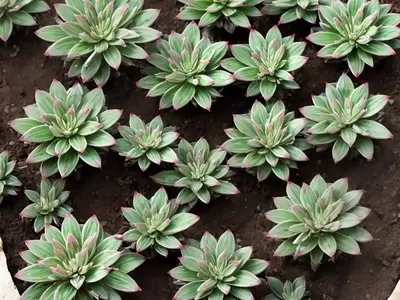
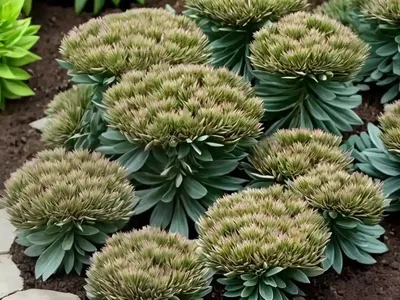
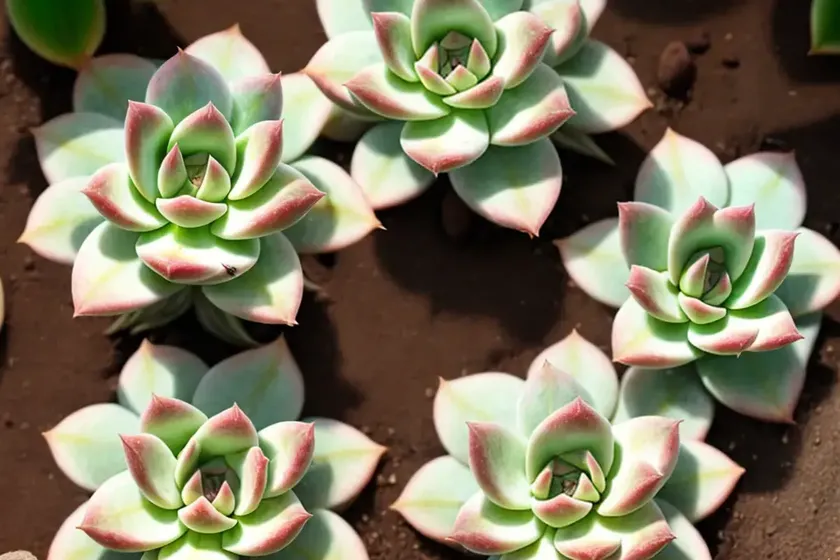
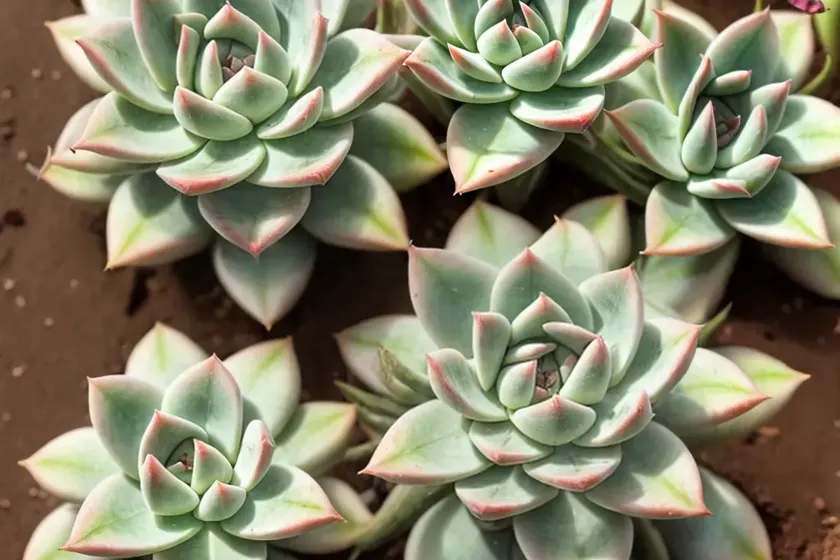
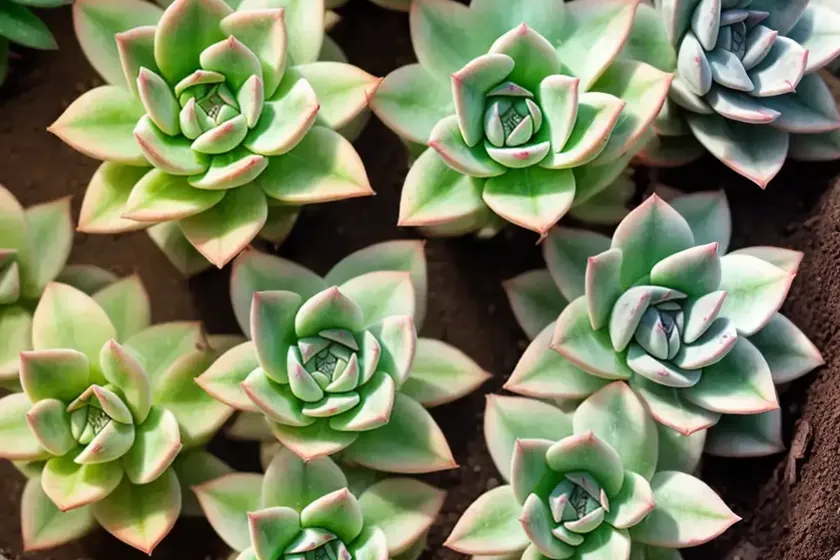
Echeveria Miranda is a cultivar of Echeveria agavoides, a species of flowering plants in the Crassulaceae family. This succulent is admired for its striking rosettes of triangular, pointed leaves that are adorned with vibrant hues of green, red, and pink. The leaves form a tight, compact arrangement, giving the plant a charming and symmetrical appearance. In addition to its ornamental foliage, Echeveria Miranda also produces delicate, bell-shaped flowers in shades of orange and yellow, adding to its allure.
Key Takeaways – Echeveria Miranda
Before we dive into the specifics of Echeveria Miranda, let’s take a moment to summarize the key points about this captivating succulent:
- Name: Echeveria Miranda (Echeveria ‘agavoides Miranda’)
- Plant Type: Succulent
- Family: Crassulaceae
- Common Names: Miranda succulent, Echeveria agavoides Miranda
- Notable Features: Triangular, pointed leaves with green, red, and pink hues; bell-shaped flowers in shades of orange and yellow
- Uses: Ornamental plant for gardens, containers, and indoor spaces
Now, let’s explore the various aspects of Echeveria Miranda in detail.
Culture
Understanding the cultural requirements of Echeveria Miranda is essential for fostering its optimal growth and promoting its overall health. This section will cover topics such as water, sunlight, fertilizer, soil, and pruning, offering valuable insights into the plant’s needs.
Water
Echeveria Miranda, like most succulents, is adapted to arid environments and has low water requirements. Overwatering can be detrimental to its well-being, leading to root rot and other moisture-related issues. It is crucial to allow the soil to dry out between waterings. When watering, provide a thorough soak, ensuring that excess water drains away effectively. During the inactive growth period in winter, further reduce watering to prevent waterlogged conditions.
Sunlight
In its natural habitat, Echeveria Miranda thrives in full sun to partial shade. When grown indoors, it benefits from bright, indirect light. Placing the plant near a sunny window or providing supplemental light with grow lamps can help maintain its vibrant coloration and compact growth habit.
Fertilizer
To support healthy growth and encourage flowering, consider feeding Echeveria Miranda with a balanced, diluted fertilizer during the active growing season in spring and summer. A specialized succulent or cactus fertilizer with a higher potassium content can be suitable for promoting robust foliage and bloom production. It is advisable to refrain from fertilizing during the plant’s dormancy period in winter.
Soil
Providing well-draining soil mix is vital for Echeveria Miranda’s prosperity. A blend of peat-free potting mix, coarse sand, and perlite can create an optimal growing medium that facilitates good aeration and drainage, preventing the risk of waterlogging. Additionally, incorporating a layer of grit or small stones at the bottom of the planting container can further enhance drainage.
Pruning
Echeveria Miranda generally requires minimal pruning, as it naturally maintains a tidy and compact form. However, removing spent flower stems and any damaged or withered leaves can improve the plant’s appearance and prevent potential disease issues. When pruning, utilize clean, sharp scissors or pruning shears to make precise cuts without causing unnecessary harm to the plant.
Propagation
The propagation of Echeveria Miranda can be achieved through various methods, including leaf cuttings, offsets, and seeds. These techniques allow enthusiasts to expand their collection of these charming succulents and share them with fellow plant lovers.
Leaf Cuttings
One popular method of propagating Echeveria Miranda is through leaf cuttings. Select healthy, mature leaves and carefully detach them from the mother plant, ensuring that each cutting is free from any damage or disease. Allow the cut ends to callus over for a few days to reduce the risk of rot, then place the cuttings on well-draining soil and provide minimal water. Over time, roots will develop, and new rosettes will emerge, establishing a new generation of Echeveria Miranda.
Offsets
Echeveria Miranda often produces offsets, also known as “pups,” around its base as part of its natural growth cycle. These offsets can be gently separated from the parent plant and potted individually to initiate independent growth. With proper care and suitable environmental conditions, the offsets will mature into mature plants, mirroring the characteristics of the original Echeveria Miranda.
Seeds
While propagation via seeds requires more time and patience, it can be a rewarding method for growers seeking to explore the genetic diversity of Echeveria Miranda. Sow the seeds in a well-draining, moistened growing medium, and provide warmth and light to promote germination. As the seedlings develop, transplant them into separate containers and continue to nurture them as they evolve into mature plants.
Container Popularity
The compact and aesthetically pleasing nature of Echeveria Miranda makes it a popular choice for container gardening. Whether displayed individually or combined with other succulents and cacti, it adds a touch of elegance to indoor and outdoor settings. The versatility of containers allows for creative arrangements that accentuate the beauty of Echeveria Miranda, making it a sought-after plant for various decorative and landscaping purposes.
Common Diseases
Despite its resilience, Echeveria Miranda is susceptible to certain diseases and issues that can impact its vitality. Knowing how to identify and address these challenges is instrumental in maintaining the plant’s well-being.
Disease Diagnosis
Common diseases that may affect Echeveria Miranda include:
-
Fungal Infections: Prolonged exposure to excessive moisture can lead to fungal diseases such as powdery mildew and root rot. Symptoms may include white, powdery patches on the leaves or soft, discolored roots. Proper ventilation and well-draining soil can help mitigate these issues.
-
Bacterial Blight: Bacterial blight can manifest as dark, water-soaked lesions on the leaves, often accompanied by a foul odor. Isolating affected plants and employing sanitary practices can help prevent the spread of this disease.
-
Viral Diseases: Viruses can cause discoloration, distortion, and stunted growth in Echeveria Miranda. As there are no specific treatments for viral infections, prevention through strict hygiene practices and avoiding cross-contamination is crucial.
Common Pests
In addition to diseases, Echeveria Miranda may encounter pest infestations that threaten its health and appearance. Recognizing the signs of common pests and implementing appropriate control measures is essential for safeguarding the plant.
Botanist’s Tips
To mitigate the risk of diseases and pests, consider the following tips:
-
Optimal Air Circulation: Providing adequate air circulation around Echeveria Miranda can reduce the likelihood of fungal issues. Positioning fans in indoor growing spaces and spacing plants appropriately in outdoor gardens can promote good airflow.
-
Proper Watering Practices: Overwatering can create conditions conducive to fungal diseases and attract pests. By adhering to a well-regulated watering schedule and allowing the soil to dry out between waterings, you can minimize the risk of moisture-related problems.
-
Quarantine New Additions: Introducing new plants to your collection, whether they are purchased or gifted, should involve a period of isolation to assess their health and prevent potential disease transmission to existing plants.
Fun Facts
As we conclude our exploration of Echeveria Miranda, let’s uncover some intriguing and lesser-known facts about this remarkable succulent:
-
Symbolic Meanings: Echeveria Miranda is often associated with attributes such as resilience, beauty, and fortitude, making it a meaningful gift for expressing admiration and well wishes.
-
Medicinal Properties: Certain species of Echeveria, though not specifically Echeveria Miranda, have been traditionally used in folk medicine for their potential healing properties. However, it is important to consult with healthcare professionals before using any plant for medicinal purposes.
-
DIY Projects: The striking leaves of Echeveria Miranda can be utilized in various DIY projects, such as creating decorative arrangements, wreaths, and living wall art. Their unique shapes and vibrant colors make them perfect for adding visual interest to crafting endeavors.
Links to External Resources
For those eager to delve deeper into the world of Echeveria Miranda and succulent gardening, the following external resources provide valuable information and insights:
- Succulent Plant Care: Echeveria and Beyond
- Echeveria Miranda: A Gorgeous Addition to Your Collection
- DIY Succulent Projects for Home Decor
- Medicinal Succulent Plants: Myths and Facts
In conclusion, Echeveria Miranda stands as a captivating and cherished member of the Echeveria plant family, captivating enthusiasts with its captivating appearance, adaptable nature, and numerous uses. Whether adorning tabletop gardens, terrariums, or outdoor landscapes, this remarkable succulent continues to inspire and delight individuals with its enduring charm and appeal. As you cultivate and admire Echeveria Miranda, may its beauty and resilience serve as a reminder of the natural wonders that grace our world.
As we wrap up our in-depth exploration of Echeveria Miranda, we have delved into its cultural requirements, propagation methods, common diseases, and much more. Through this comprehensive guide, we have gained valuable insights into the captivating world of this rare succulent species. I hope this resource serves as a source of inspiration and knowledge for all plant enthusiasts, from beginners to seasoned gardeners.
Please feel free to reach out if you have any further questions or if there are specific topics you’d like to explore in greater detail. Your curiosity and passion for plants are truly commendable, and I am honored to accompany you on this enthralling botanical journey. Thank you for joining me in celebrating the enchanting beauty of Echeveria Miranda!