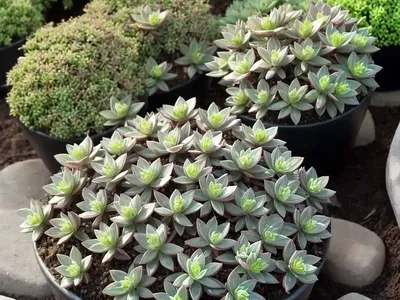
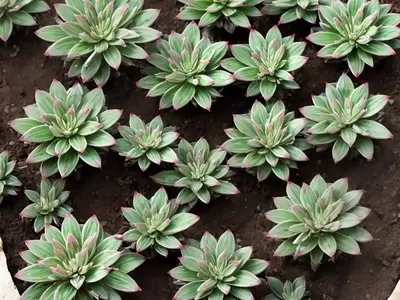
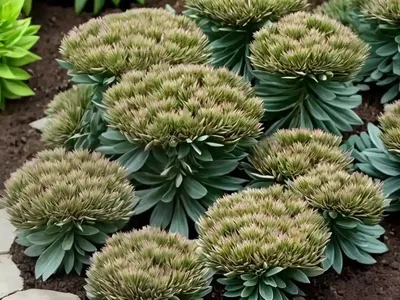
Echeveria ‘Afterglow’)
Echeveria ‘Afterglow’ is a stunning succulent plant known for its rosette-shaped, pastel-colored foliage and low maintenance requirements. This beautiful.
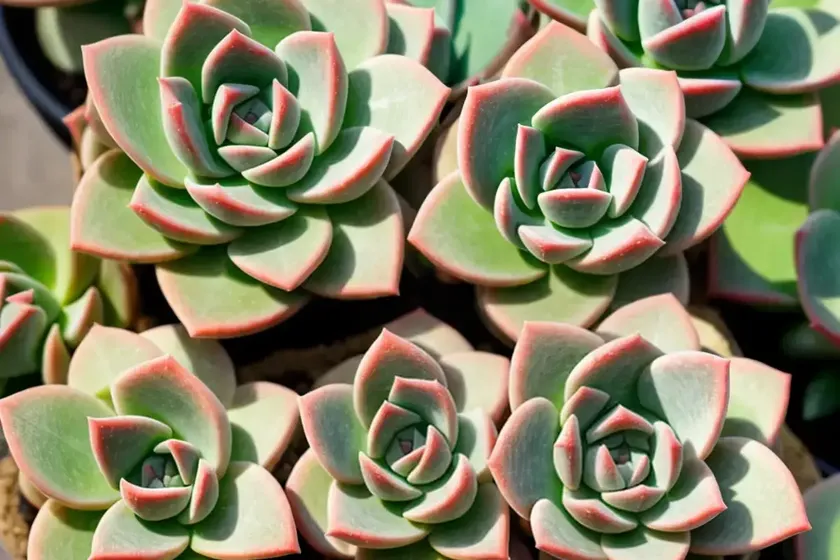
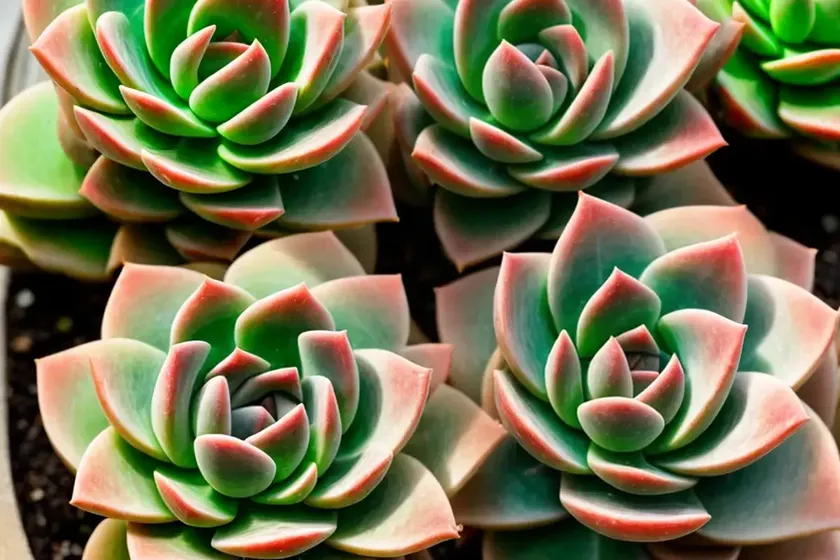
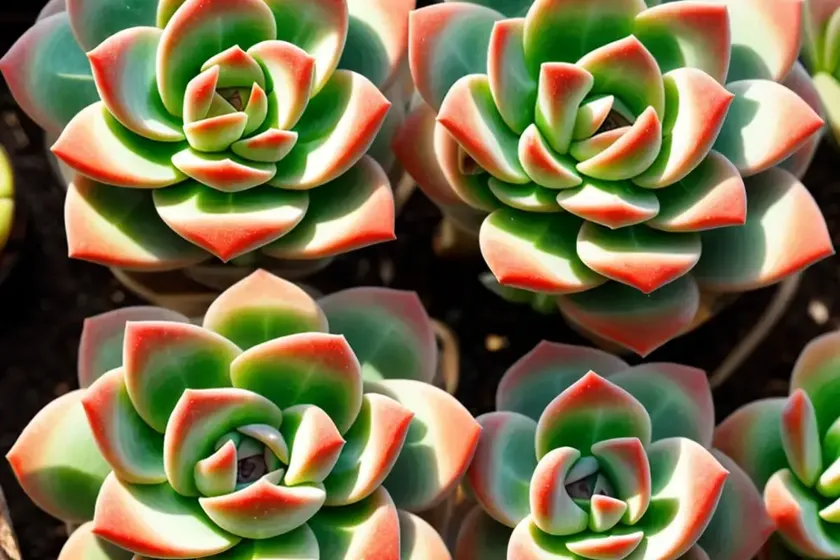
Echeveria ‘Afterglow’ is a stunning succulent plant known for its rosette-shaped, pastel-colored foliage and low maintenance requirements. This beautiful plant has gained immense popularity among gardeners and plant enthusiasts, thanks to its remarkable resilience and captivating appearance. In this comprehensive guide, we will delve into the various aspects of Echeveria ‘Afterglow’ care, propagation, uses, and much more. Whether you are new to gardening or an experienced plant parent, this guide will equip you with all the essential knowledge to ensure the health and vitality of your Echeveria ‘Afterglow’ plant.
What is Echeveria ‘Afterglow’?
Echeveria ‘Afterglow’ is a hybrid succulent plant that belongs to the Crassulaceae family. It is a cross between Echeveria shaviana and Echeveria cante, resulting in a unique combination of traits from both parent plants. The ‘Afterglow’ variety is cherished for its striking colors, with its leaves displaying a mesmerizing blend of pink, purple, and peach hues. This succulent is prized for its remarkable tolerance to drought and its ability to thrive in various growing conditions, making it a popular choice for both indoor and outdoor landscapes.
Key Takeaways
Before we delve into the details of Echeveria ‘Afterglow’ care and maintenance, let’s outline the key takeaways:
- Echeveria ‘Afterglow’ is a hybrid succulent with vibrant pastel-colored foliage.
- It is known for its resilience and ability to withstand drought conditions.
- This plant can be grown both indoors and outdoors, provided it receives adequate sunlight and well-draining soil.
- Echeveria ‘Afterglow’ requires minimal watering and is relatively low-maintenance.
- Proper care practices include providing the right amount of sunlight, using well-draining soil, and avoiding overwatering.
Now, let’s explore the essential aspects of Echeveria ‘Afterglow’ care in detail.
Culture
Uses
Echeveria ‘Afterglow’ is popularly used in various landscaping and gardening applications due to its striking appearance and low maintenance requirements. Here are some common uses of this succulent:
- Container gardening: Echeveria ‘Afterglow’ is ideal for container gardening, both indoors and outdoors. Its compact size and captivating foliage make it a perfect addition to succulent arrangements and potted displays.
- Rock gardens: The drought-tolerant nature of Echeveria ‘Afterglow’ makes it suitable for rock gardens and xeriscaping, where water-conserving plants thrive.
- Landscaping: The vibrant colors and distinctive rosette shape of this succulent make it a desirable choice for adding visual interest to garden landscapes.
Water
Echeveria ‘Afterglow’ has low to moderate water needs and is highly sensitive to overwatering. Proper watering practices are crucial for the health and longevity of this succulent. Here are some essential guidelines for watering Echeveria ‘Afterglow’:
- Frequency: Water the plant thoroughly when the top inch of the soil feels dry to the touch. The frequency of watering will depend on various factors such as the climate, season, and the type of potting mix used.
- Watering technique: When watering, ensure that the water reaches the root zone and drains freely from the bottom of the pot. It’s essential to prevent water from pooling around the base of the plant, as this can lead to root rot.
- Avoid overwatering: Overwatering can be detrimental to Echeveria ‘Afterglow’ and may cause the leaves to become mushy and discolored. Always allow the soil to dry out between watering sessions.
Sunlight
Proper sunlight exposure is critical for the healthy growth and vibrant coloration of Echeveria ‘Afterglow’. This succulent thrives in bright, indirect light and can also tolerate periods of direct sunlight, especially in the morning and late afternoon. Here’s how to ensure the right amount of sunlight for your Echeveria ‘Afterglow’:
- Indoor placement: If growing indoors, place the plant near a south-facing window where it can receive ample sunlight throughout the day. Alternatively, a location with bright, filtered light is suitable.
- Outdoor placement: When growing Echeveria ‘Afterglow’ outdoors, choose a spot that offers partial to full sun exposure, particularly in regions with mild to warm climates. Protect the plant from intense afternoon sun in hot summer months.
Fertilizer
Feeding Echeveria ‘Afterglow’ with a balanced fertilizer solution can help promote healthy growth and vibrant foliage. However, it’s crucial to approach fertilization with caution, as succulents have modest nutrient requirements. Here’s how to fertilize your Echeveria ‘Afterglow’ effectively:
- Frequency: Fertilize the plant sparingly, typically during the active growing season in spring and summer. Avoid fertilizing during the dormant winter period.
- Type of fertilizer: Use a specialized succulent or cactus fertilizer, diluted to half or quarter strength, to prevent the risk of over-fertilization. Organic, slow-release fertilizers are also suitable for Echeveria ‘Afterglow’.
Soil
The choice of soil directly impacts the overall health and vigor of Echeveria ‘Afterglow’. Succulents like Echeveria require well-draining soil that prevents waterlogging and promotes root aeration. Consider the following soil requirements for this succulent:
- Well-draining mix: Use a commercial succulent or cactus potting mix, or create a custom blend by adding coarse sand, perlite, or pumice to standard potting soil. This mix ensures optimal drainage and prevents excess moisture around the roots.
- pH level: Aim for a slightly acidic to neutral pH range (6.0-7.0) in the soil for Echeveria ‘Afterglow’. Test the pH of the potting mix before planting, and amend it if necessary.
Pruning
Pruning Echeveria ‘Afterglow’ is primarily focused on the removal of dead or damaged leaves and flower stalks. Owing to its slow growth habit, extensive pruning is rarely necessary for this succulent. Here are some essential tips for pruning Echeveria ‘Afterglow’:
- Removal of dead leaves: Gently remove any dry, shriveled, or damaged leaves from the base of the plant using clean, sanitized pruning shears. This promotes a neat and tidy appearance and prevents the spread of disease.
- Trimming flower stalks: After the flowering period, trim the spent flower stalks close to the base of the rosette to encourage new growth and maintain the plant’s aesthetic appeal.
Propagation
The propagation of Echeveria ‘Afterglow’ can be achieved through various methods, including offsets, leaf cuttings, and stem cuttings. Here’s an overview of the propagation techniques and tips for successful propagation:
- Offsets: Echeveria ‘Afterglow’ produces small offsets or “pups” around the base of the mother plant. Gently remove these offsets and allow them to callus for a day before planting them in a separate container with well-draining soil.
- Leaf cuttings: Select healthy, mature leaves from the plant and allow the cut ends to callus for a few days. Plant the cuttings in a shallow tray or pot with well-draining soil, and keep the soil lightly moist until new growth emerges.
- Stem cuttings: Take stem cuttings from the top portion of the plant and allow the cut ends to dry and callus for a few days. Plant the cuttings in a suitable potting mix, ensuring that the lower portion of the stem is buried in soil.
Container Popularity
Echeveria ‘Afterglow’ is highly favored for container gardening due to its compact size, eye-catching foliage, and adaptability to various container types. Whether grown in individual pots or combined with other succulents in a mixed arrangement, this plant adds a touch of elegance to any container display.
Container Common Diseases
Proper container selection and maintenance are essential for preventing common diseases in Echeveria ‘Afterglow’. Diseases such as root rot and fungal infections can occur as a result of excessive moisture and poor drainage in containers. Choose containers with drainage holes and well-draining potting mix to minimize the risk of disease.
Disease Diagnosis
Diagnosing diseases in Echeveria ‘Afterglow’ involves careful observation of the plant’s symptoms and appearance. Common signs of disease include discoloration of leaves, mushy or rotting stems, and wilting despite adequate watering. Promptly address any signs of disease by adjusting the watering regimen, improving soil drainage, or applying suitable fungicidal treatments.
Common Pests
Echeveria ‘Afterglow’ may be susceptible to common succulent pests such as aphids, mealybugs, scale insects, and spider mites. Regular inspection of the plant’s foliage, especially the undersides of leaves, can help detect pest infestations early. Here are some key points to consider for pest management:
- Use organic insecticidal soaps or horticultural oils to control minor pest infestations.
- Isolate heavily infested plants to prevent the spread of pests to other succulents in the vicinity.
- Introduce natural predators such as ladybugs or lacewings to control pest populations in outdoor settings.
Botanist’s Tips
As a botanist, here are some additional tips and insights for successfully growing and caring for Echeveria ‘Afterglow’:
- Winter care: During the winter months, protect Echeveria ‘Afterglow’ from frost and prolonged exposure to low temperatures. Consider bringing potted plants indoors or providing frost protection for outdoor specimens.
- Companion plants: When creating succulent arrangements or landscape designs, pair Echeveria ‘Afterglow’ with other compatible succulent species and drought-tolerant plants. This can enhance visual appeal and create harmonious plant combinations.
- Soil amendments: Periodically check the condition of the potting mix and replenish it with fresh soil or amendments such as perlite to maintain optimal drainage and aeration.
Fun Facts
- The name Echeveria is derived from the 18th-century Mexican botanical artist Atanasio Echeverría y Godoy.
- Echeveria ‘Afterglow’ is prized for its striking foliage hues, which intensify in response to sunlight exposure.
- In the wild, Echeveria species are native to regions of Central and South America, where they adapt to arid and rocky habitats.
Links to External Resources
For further information and detailed resources on Echeveria ‘Afterglow’ care, propagation, and cultivation, refer to the following links:
- The Succulent Eclectic – Echeveria Afterglow Care and 5 Top Tips for Success
- World of Succulents – Echeveria ‘Afterglow’ Care and Propagation
- The Spruce – How to Grow and Care for Echeveria
In conclusion, Echeveria ‘Afterglow’ is a captivating succulent that captivates with its unique coloration and versatile growing habits. By understanding and implementing the key care practices outlined in this guide, you can ensure that your Echeveria ‘Afterglow’ thrives and continues to grace your garden or living space with its mesmerizing presence.
Remember to observe your plant closely, adapting care routines to suit its specific needs, and enjoy the beauty and tranquility that this remarkable succulent brings into your life.
Image Source: Pexels
Happy gardening and may your Echeveria ‘Afterglow’ flourish abundantly!
Keywords: Echeveria Afterglow care, Echeveria Afterglow propagation, Echeveria Afterglow watering, Echeveria Afterglow soil, Echeveria Afterglow sunlight, Echeveria Afterglow pruning, Echeveria Afterglow maintenance, Echeveria Afterglow growing tips, Echeveria Afterglow varieties, Echeveria Afterglow indoor, Echeveria Afterglow outdoor, Echeveria Afterglow succulent, Echeveria Afterglow potting, Echeveria Afterglow repotting, Echeveria Afterglow fertilizing, Echeveria Afterglow pests, Echeveria Afterglow diseases, Echeveria Afterglow temperature, Echeveria Afterglow humidity, Echeveria Afterglow winter care, Echeveria Afterglow summer care, Echeveria Afterglow growing zone, Echeveria Afterglow container gardening, Echeveria Afterglow plant arrangement, Echeveria Afterglow landscape design, Echeveria Afterglow companion plants, Echeveria Afterglow garden maintenance, Echeveria Afterglow foliage colors, Echeveria Afterglow bloom time, Echeveria Afterglow plant structure, Echeveria Afterglow succulent garden, Echeveria Afterglow plant pairing, Echeveria Afterglow watering schedule, Echeveria Afterglow pot size, Echeveria Afterglow sunlight requirements, Echeveria Afterglow growth rate, Echeveria Afterglow indoor care, Echeveria Afterglow outdoor care, Echeveria Afterglow plant size, Echeveria Afterglow root care, Echeveria Afterglow container size