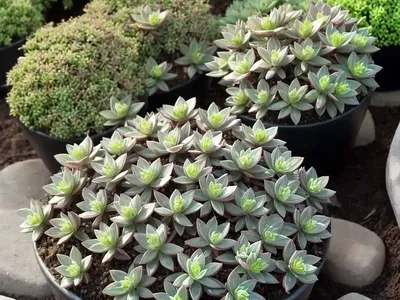
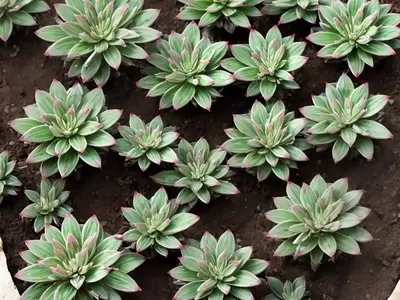
Black Prince (Echeveria “Black Prince”)
Welcome to another fascinating exploration of the plant world! In this blog post, we will delve into the captivating Echeveria “Black Prince,” a stunning.
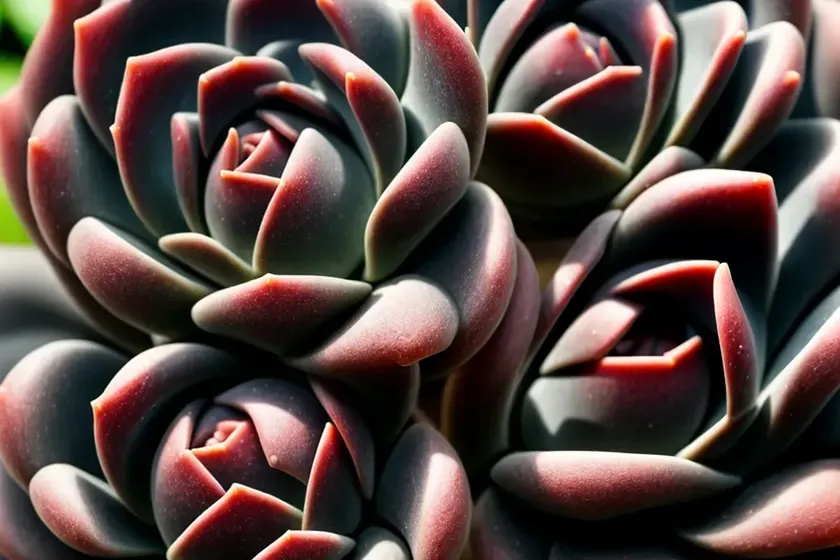
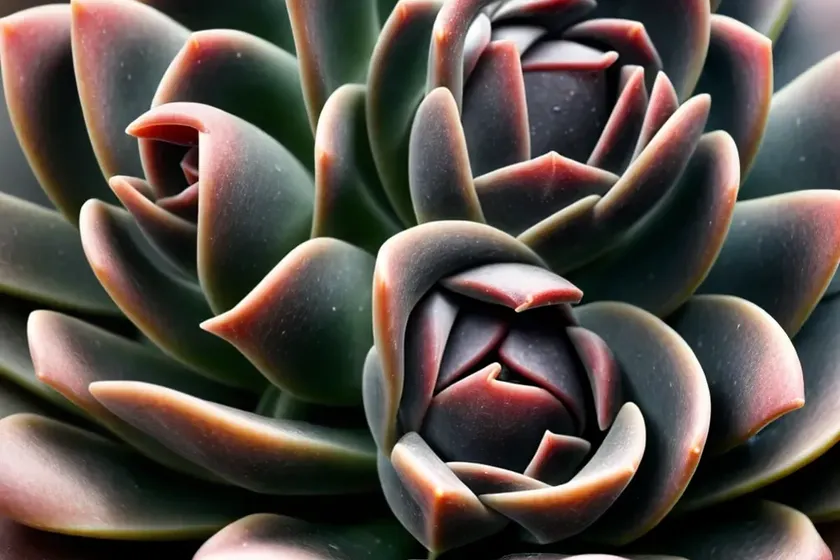
Welcome to another fascinating exploration of the plant world! In this blog post, we will delve into the captivating Echeveria “Black Prince,” a stunning succulent that has captured the hearts of plant enthusiasts around the globe. From its distinctive appearance to its unique care requirements, there is so much to uncover about this enigmatic plant. Whether you are a seasoned Echeveria aficionado or a newcomer to the world of succulents, there is something for everyone to discover in our comprehensive guide to Echeveria “Black Prince.”
Let’s embark on a journey to unlock the secrets of this extraordinary plant as we explore its culture, uses, care requirements, and much more!
What is Echeveria “Black Prince”?
Echeveria “Black Prince,” also known simply as Black Prince, is a striking succulent plant renowned for its dark, moody foliage and exquisite rosette shape. Belonging to the family Crassulaceae, Echeveria is a diverse genus comprising numerous species and cultivars, each with its own unique characteristics and charm.
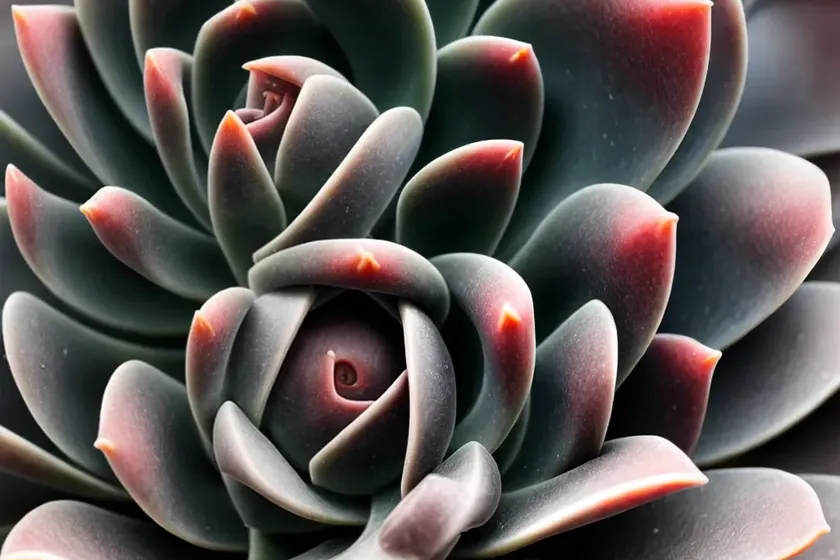
Echeveria “Black Prince” stands out for its distinctively deep purple to black leaves, which form a tight, rose-like rosette, creating a visually captivating display. This mesmerizing succulent is a favorite among collectors and enthusiasts, prized for its elegant aesthetic and relatively low maintenance requirements.
As we unravel the beauty and mystique of Echeveria “Black Prince,” we will address its culture, uses, care guidelines, and various aspects of its lifecycle, all of which contribute to its allure and appeal to plant lovers worldwide.
Key Takeaways – Echeveria “Black Prince”
Before we delve deeper into the intricacies of Echeveria “Black Prince,” let’s provide an overview of the key highlights that we’ll explore in detail:
– Culture: Understanding the origins and natural habitat of Echeveria “Black Prince.”
– Uses: Exploring the versatile uses of this captivating succulent, both indoors and outdoors.
– Water: Unveiling the watering needs and best practices for maintaining optimal soil moisture levels.
– Sunlight: Shedding light on the sunlight requirements essential for the well-being of Echeveria “Black Prince.”
– Fertilizer: Nourishing our understanding of the fertilizer needs to support healthy growth and vibrant foliage.
– Soil: Diving into the soil preferences and composition that promote the flourishing of Echeveria “Black Prince.”
– Pruning: Discovering the art of pruning and grooming this succulent to maintain its alluring form.
– Propagation: Unlocking the secrets of propagating new plants from established Echeveria “Black Prince” specimens.
– Container: Embracing the potential of various containers for showcasing and cultivating this captivating succulent.
– Popularity: Reflecting on the widespread acclaim and adoration that Echeveria “Black Prince” has garnered.
– Common Diseases: Identifying potential diseases and developing strategies for prevention and treatment.
– Common Pests: Addressing the pesky pests that may threaten the well-being of Echeveria “Black Prince.”
– Botanist’s Tips: Drawing upon expert insights and recommendations for cultivating and caring for this unique succulent.
– Fun Facts: Unearthing intriguing and delightful tidbits about Echeveria “Black Prince” to inspire and entertain.
– External Resources: Providing links to valuable external sources for further exploration and research.
With these key takeaways in mind, let’s embark on an in-depth exploration of Echeveria “Black Prince,” unlocking its mysteries and celebrating its beauty.
Culture
Understanding the cultural context and natural habitat of Echeveria “Black Prince” is essential for gaining insights into its preferred growing conditions and the factors that contribute to its health and vitality.
Origins and Habitat
Echeveria “Black Prince” originates from regions characterized by arid or semi-arid climates, such as parts of Mexico and Central America. Within these habitats, Echeveria species, including “Black Prince,” have adapted to thrive in conditions marked by low precipitation, intense sunlight, and well-draining soil.
The succulent’s ability to withstand harsh environmental conditions and store water in its leaves enables it to survive and flourish in its native habitats. This natural resilience has been a defining feature of Echeveria plants, including the illustrious “Black Prince.”
Cultivation and Global Appeal
The global appeal of Echeveria “Black Prince” is a testament to its adaptability and allure as a cultivated ornamental plant. Its striking visual impact, coupled with its ability to thrive in a wide range of climates, has positioned it as a beloved addition to gardens, landscapes, and indoor spaces worldwide.
Whether adorning desert-themed gardens in arid regions or gracing windowsills and terrariums in more temperate environments, Echeveria “Black Prince” has captured the hearts of plant enthusiasts with its understated elegance and resilience.
As we embrace the cultural significance and universal admiration for Echeveria “Black Prince,” let’s transition to exploring its versatile uses and the myriad ways in which it enriches diverse settings and lifestyles.
Uses
Echeveria “Black Prince” embodies versatility, seamlessly transitioning from its natural habitat to spaces crafted by human hands, where it serves various aesthetic and functional purposes.
Ornamental Beauty
The most conspicuous and celebrated use of Echeveria “Black Prince” is its role as an ornamental plant. With its dark, velvety foliage and exquisite rosette form, this succulent serves as a compelling focal point in gardens, landscapes, and indoor displays. Whether showcased in striking solitary arrangements or interwoven with an array of companion plants, “Black Prince” captivates onlookers with its unique charm and alluring presence.
Indoor Accents
Within interior spaces, Echeveria “Black Prince” contributes to the creation of captivating indoor landscapes, bringing a touch of natural elegance to homes, offices, and commercial settings. Its adaptability to containers and its preference for bright, indirect light make it a popular choice for adorning windowsills, shelves, and tabletop displays, enhancing the ambiance and visual appeal of any setting.
Living Décor
The succulent nature of Echeveria “Black Prince” makes it an ideal candidate for living décor arrangements, such as terrariums, succulent gardens, and arrangements in various types of containers. Its low maintenance requirements and captivating aesthetics have positioned it as a favorite choice for individuals seeking to infuse their living spaces with the beauty of nature.
Special Events and Celebrations
Furthermore, Echeveria “Black Prince” has transitioned into the realm of special events and celebrations, where it is utilized in floral and succulent arrangements to add a unique touch of elegance and sophistication. From weddings and parties to corporate events and artistic installations, the allure of “Black Prince” transcends traditional boundaries, enriching diverse occasions with its distinctive presence.
The adaptive nature and aesthetic appeal of Echeveria “Black Prince” lend themselves to a myriad of uses, fostering its widespread popularity and endearing it to plant enthusiasts, designers, and nature lovers alike.
Water
The proper management of water is essential for nurturing the health and vitality of Echeveria “Black Prince.” As a succulent adapted to arid conditions, it exhibits specific water requirements essential for promoting robust growth and preventing potential issues associated with overwatering or underwatering.
Guidelines for Watering
Echeveria “Black Prince” thrives in well-draining soil and requires watering that aligns with its natural preferences. A fundamental principle of succulent care involves allowing the soil to dry out partially between waterings, mimicking the cyclical patterns of precipitation in its native habitats.
When watering Echeveria “Black Prince,” the goal is to achieve a delicate balance that prevents prolonged drought stress while avoiding waterlogging of the roots, which can lead to rot and other complications. The frequency of watering is influenced by factors such as temperature, humidity, and the characteristics of the growing medium.
Soil Moisture Management
To ascertain when to water Echeveria “Black Prince,” it is beneficial to develop an understanding of the succulent’s response to soil moisture levels. Observing the top layer of the soil and assessing its dryness can help in determining the appropriate timing for watering, ensuring that the roots receive hydration without being exposed to prolonged periods of excessive moisture.
During the active growing season, typically spring through early fall, Echeveria “Black Prince” benefits from regular, thorough waterings, coupled with adequate drainage to prevent water from stagnating around the roots. As the plant enters its dormancy period in the late fall and winter, the frequency of watering is typically reduced to accommodate its diminished metabolic activity and reduced water requirements.
Container and Environmental Considerations
The type of container in which Echeveria “Black Prince” is cultivated, alongside the prevailing environmental conditions, can also influence its water needs. Containers with drainage holes facilitate more effective water management, allowing excess moisture to escape and reducing the risk of water-related issues. Likewise, environmental factors such as temperature and air circulation play a role in determining the frequency and volume of water that the succulent requires.
Adhering to these fundamental guidelines for watering Echeveria “Black Prince” supports the maintenance of optimal soil moisture levels, fostering the plant’s resilience and promoting its long-term health and vitality.
Sunlight
Sunlight stands as a pivotal factor influencing the growth, development, and visual appeal of Echeveria “Black Prince.” Understanding the sunlight requirements of this succulent is crucial for establishing an environment that nourishes its photosynthetic processes and enriches the vibrancy of its foliage.
Natural Sunlight Preferences
Echeveria “Black Prince” displays a preference for bright, indirect sunlight, reflective of the conditions found in its native arid and semi-arid habitats. Exposing this succulent to ample natural light, while protecting it from direct, searing sunlight, allows it to thrive and manifest its iconic dark foliage hues and compact rosette form.
The optimal location for Echeveria “Black Prince” within outdoor settings is characterized by filtered sunlight or partial shade, particularly during the peak intensity of the midday sun. This accommodation aligns with the succulent’s natural adaptations and helps mitigate the risk of sunburn, discoloration, or stress induced by excessive solar exposure.
Indoor Sunlight Considerations
In indoor environments, providing Echeveria “Black Prince” with access to bright, indirect light fosters its growth and overall well-being. Placing the succulent near windows or in areas that receive ample natural light, without subjecting it to prolonged periods of direct sun rays, supports its capacity to engage in robust photosynthesis and maintain its distinctive visual allure.
As a complement to its preferences for natural sunlight, Echeveria “Black Prince” may benefit from supplemental artificial lighting in situations where access to natural light is limited, or where additional illumination is necessary to augment the ambient lighting conditions.
Sunlight Balance and Seasonal Adjustments
Achieving a balanced equilibrium between the succulent’s exposure to sunlight and providing necessary shade or protection during periods of extreme heat or intense sunlight promotes the sustained health and radiant appearance of Echeveria “Black Prince.” Additionally, as the seasons transition, attentiveness to the shifting sunlight dynamics allows for seasonal adjustments in the succulent’s placement and exposure, aligning with its evolving needs and environmental fluctuations.
Understanding and accommodating the sunlight requirements of Echeveria “Black Prince” is essential for nurturing its aesthetic appeal, sustaining its robust growth, and ensuring its continued vitality within diverse indoor and outdoor settings.
Fertilizer
Nourishing Echeveria “Black Prince” with appropriate fertilization supports its growth, fortifies its foliage, and enhances its overall resilience. Unveiling the fertilizer needs and best practices for this captivating succulent illuminates the vital role of balanced nutrition in promoting its enduring health and vibrant aesthetic charm.
Fertilizer Application Timing
Echeveria “Black Prince” benefits from being fertilized during the active growing season, which typically spans from late winter to early fall. This timeframe coincides with the succulent’s heightened metabolic activity and inclination towards robust growth, creating an opportune window for the application of supplementary nutrients to support its flourishing.
The recommendation is to refrain from fertilizing Echeveria “Black Prince” during its dormancy period, which occurs in the late fall and winter months. During this phase, the succulent’s metabolic processes decelerate, and its nutritional demands diminish, aligning with the natural rhythm of its growth cycle.
Fertilizer Composition and Dilution
Selecting a balanced, diluted fertilizer with a formulation specifically designed for succulents and cacti aligns with the nutritional requirements of Echeveria “Black Prince.” A fertilizer featuring a low nitrogen content, alongside a balanced blend of phosphorous and potassium, promotes healthy root development, robust foliage growth, and the production of vibrant, richly-hued leaves.
The dilution of the chosen fertilizer, typically to half or quarter strength, serves as a proactive measure to avoid over-fertilization, which can induce salt accumulation and adversely impact the succulent’s root system and overall well-being. Regularity in fertilization supports the succulent’s sustained access to essential nutrients, supplementing the inherent qualities of the growing medium and reinforcing its capacity to thrive.
Fertilizing Techniques and Considerations
Applying fertilizer to the soil surrounding Echeveria “Black Prince,” while carefully avoiding direct contact with the plant’s leaves or rosette, minimizes the risk of potential leaf burn or staining caused by concentrated fertilizer solutions. Thoroughly moistening the soil prior to fertilization facilitates the even distribution and incorporation of the diluted nutrients into the growing medium, ensuring the succulent’s ability to access and assimilate the supplementary nourishment.
Additionally, recognition of the succulent’s reduced nutritional demands in confined containers, such as small pots and containers, guides the calibration of fertilization practices to accommodate the inherent limitations of the growing space and substrate volume.
By embracing these best practices for fertilizing Echeveria “Black Prince,” we establish an environment that sustains its nutritional requirements, amplifies its aesthetic appeal, and fortifies its resilience against potential stressors.
Soil
The selection and composition of the growing medium profoundly influence the growth, vitality, and long-term well-being of Echeveria “Black Prince.” Delving into the soil preferences and best practices for this captivating succulent unveils the pivotal role of the substrate in supporting its flourishing and aesthetic allure.
Well-Draining Soil Foundation
Echeveria “Black Prince” thrives in well-draining soil that prevents the accumulation of excess moisture around its roots, thereby safeguarding it against the perils of waterlogging and associated complications. Aeration, drainage, and the capacity to facilitate the dissipation of surplus water form the cornerstones of an ideal soil composition for this succulent.
Integrating materials such as coarse sand, perlite, or pumice into the growing medium enhances its drainage capacity, mitigating the risk of water retention and fostering an environment conducive to the healthy development of Echeveria “Black Prince.”
Balance of Organic and Inorganic Components
The ideal soil mixture for Echeveria “Black Prince” achieves a harmonious balance between organic and inorganic components, ensuring both structural integrity and the cultivation of a nurturing environment that supports the succulent’s root system and growth patterns.
Incorporating organic matter, such as well-decomposed compost or coconut coir, enriches the soil with essential nutrients while fostering a favorable microclimate conducive to root development and the sustained vitality of the succulent.
Simultaneously, the addition of inorganic components, such as coarse sand or small-sized gravel, accentuates the soil’s drainage and aeration characteristics, promoting the prevention of waterlogged conditions and fortifying the succulent’s resilience against potential soil-related challenges.
Container and Substrate Integration
The selection of an appropriate container, coupled with the thoughtful integration of the chosen soil composition, establishes a cohesive cultivation environment for Echeveria “Black Prince.” Containers with drainage holes provide an outlet for excess moisture, preventing it from accumulating around the roots and compromising the succulent’s well-being.
The alignment of the container’s size and structure with the succulent’s growth habits and spatial requirements fosters an environment that supports the establishment of a healthy root system and the sustained development of Echeveria “Black Prince.”
Embracing the principles of well-draining soil composition and effective container integration resonates with the succulent’s natural preferences and bolsters the foundation upon which its enduring health and captivating aesthetics flourish.
Pruning
Pruning Echeveria “Black Prince” presents an opportunity to sculpt and groom this captivating succulent, enhancing its form, promoting its resilience, and maintaining its visual appeal. Unveiling the art of pruning and the best practices for this delicate process illuminates the nuanced approach to fostering the enduring beauty and allure of this iconic plant.
Pruning Objectives and Aesthetic Grooming
The primary objectives of pruning Echeveria “Black Prince” revolve around the refinement of its rosette form, the removal of spent or damaged foliage, and the encouragement of compact, symmetrical growth patterns that accentuate its visual appeal.
Gentle removal of individual leaves or stems that exhibit signs of damage, desiccation, or infirmity allows the succulent to allocate its resources towards the sustained vitality and propagation of healthy, vigorous growth. This meticulous approach to aesthetic grooming maintains the striking appeal and structural integrity of Echeveria “Black Prince.”
Propagation and Pruning Synergy
Additionally, pruning serves as a springboard for propagating new plants from established Echeveria “Black Prince” specimens, amplifying the potential for expanding and sharing the allure of this captivating succulent.
By selectively detaching healthy leaves or offsets and nurturing them through established propagation methods, pruning becomes an avenue for cultivating new generations of Echeveria “Black Prince,” perpetuating its legacy and fostering a sense of continuity and abundance within the plant’s cultivation journey.
Pruning Techniques and Tools
The use of sterile, sharp pruning shears or scissors facilitates precise and clean cuts when pruning Echeveria “Black Prince,” minimizing the risk of tissue damage and potential entry points for pathogens. Pruning implements that are diligently sanitized before and after use support the succulent’s ability to heal swiftly and fortify its resilience against potential infections or setbacks.
The removal of individual leaves or offsets, coupled with the strategic trimming of spent flower stalks, empowers the cultivator to engage in the nuanced art of succulent grooming, shaping the visual narrative and fortifying the succulent’s innate appeal.
Propagation
The propagation of Echeveria “Black Prince” unveils the remarkable journey of nurturing new generations of this iconic succulent, embodying the cycle of growth, abundance, and continuity. Embracing the secrets of propagation illuminates the transformative process of cultivating offspring from established plants, perpetuating the legacy and allure of this captivating specimen.
Propagation from Offsets and Leaves
Echeveria “Black Prince” thrives on the promise of new beginnings, expressed through the propagation potential inherent within offsets and leaves. Offsets, also known as pups or chicks, emerge from the base of mature plants, presenting an opportunity for cultivating independent individuals that mirror the characteristics and lineage of their parent plant.
Likewise, the plump, healthy leaves of Echeveria “Black Prince” harbor the potential for developing roots and initiating the growth of new plants, unfolding the miraculous potential of regeneration and the perpetuation of the succulent’s captivating form.
Propagating Environment and Considerations
Creating an optimal environment