Aesculus X Neglecta ‘Erythroblastos’ (Painted Buckeye)
Aesculus x neglecta ‘Erythroblastos’, commonly known as Painted Buckeye, is a stunning variety of the Aesculus plant species, celebrated for its vibrant.
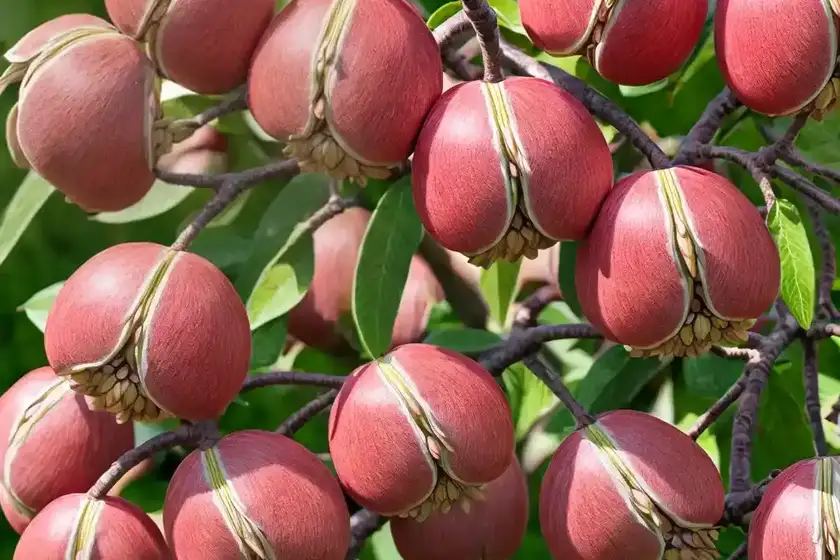
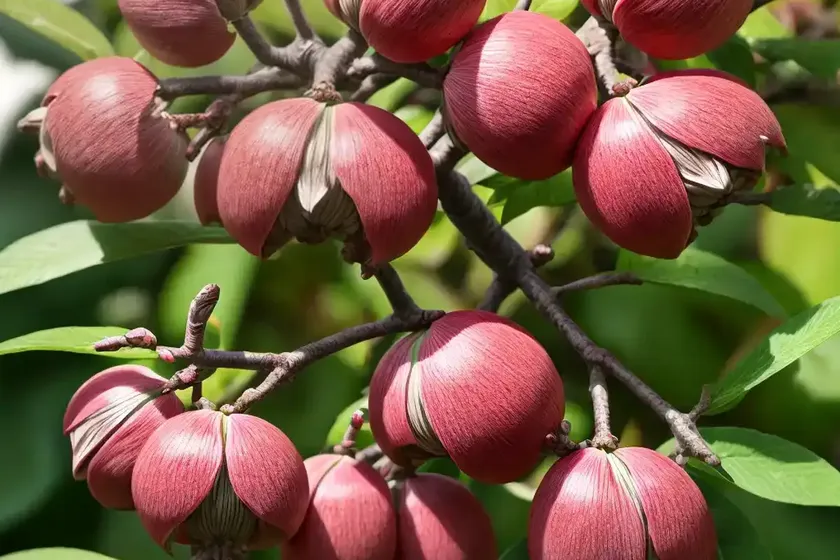
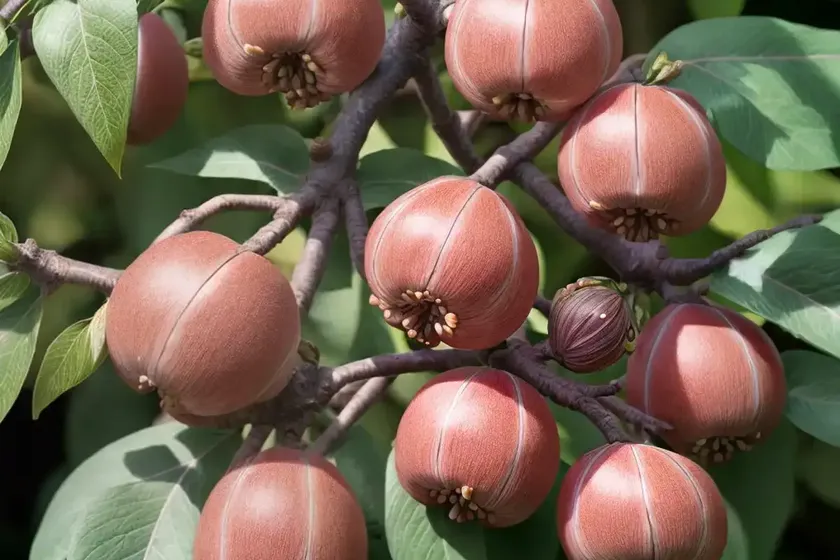
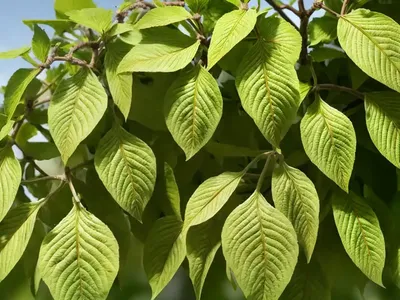
Aesculus x neglecta ‘Erythroblastos’, commonly known as Painted Buckeye, is a stunning variety of the Aesculus plant species, celebrated for its vibrant red foliage and ornamental value. This unique Buckeye cultivar is a valuable addition to landscaping, offering an array of uses, from providing aesthetic appeal to supporting wildlife. In this comprehensive guide, we will explore the characteristics, care requirements, and uses of Aesculus x neglecta ‘Erythroblastos’, catered to both gardening enthusiasts and professionals seeking to create captivating outdoor spaces.
What is Aesculus x neglecta ‘Erythroblastos’ (Painted Buckeye)?
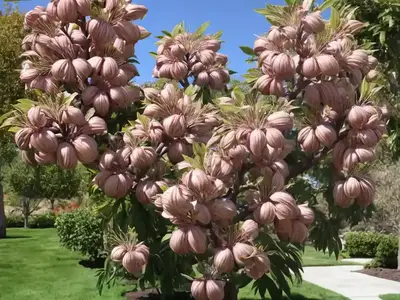
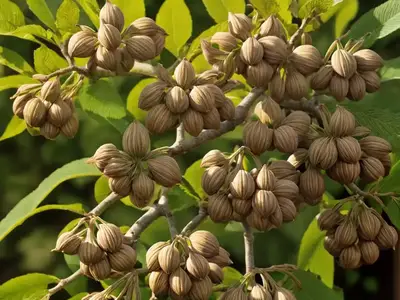
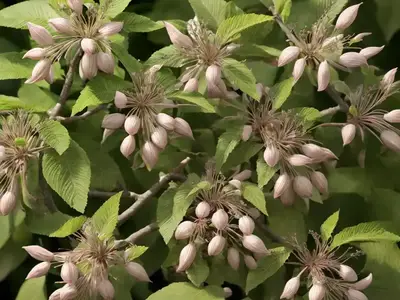
Aesculus x neglecta ‘Erythroblastos’ is a deciduous tree renowned for its striking, red-tinged leaves. The plant belongs to the Aesculus genus and is a hybrid of Aesculus pavia and Aesculus sylvatica. Originating from North America, this cultivar captivates onlookers with its vibrant spring and autumn foliage, making it a sought-after choice for landscapes and gardens.
Key Takeaways – Aesculus x neglecta ‘Erythroblastos’ (Painted Buckeye)
Before delving deeper into the specifics of caring for Painted Buckeye, it’s essential to highlight key takeaways that encapsulate the essence of this plant:
- Aesculus x neglecta ‘Erythroblastos’ is a red-leafed Buckeye tree variety, cherished for its colorful foliage.
- It is an ornamental plant that adds vibrancy and visual interest to landscapes and gardens.
- The plant exhibits unique characteristics, making it an exotic and distinctive choice for horticultural endeavors.
- Aesculus neglecta ‘Erythroblastos’ has multifaceted uses, including its role in landscaping, wildlife support, and potential medicinal properties.
- The tree undergoes seasonal changes, presenting different colors and appearances throughout the year.
Now, let’s delve into the specifics of cultivating and nurturing this captivating plant, taking into consideration its culture, uses, care requirements, and potential challenges.
Culture
Understanding the cultural needs of Aesculus x neglecta ‘Erythroblastos’ is integral to fostering its optimal growth and maintaining its aesthetic appeal. From water requirements to soil preferences, each aspect plays a crucial role in the overall health and vitality of the Painted Buckeye tree.
Water
Painted Buckeye trees thrive in well-draining soil and require consistent moisture, especially during their initial establishment phase and hot, dry periods. However, it is vital to avoid waterlogging, as excessive moisture can lead to root rot and other detrimental conditions. Providing regular, deep waterings, particularly in the absence of rainfall, is essential for promoting healthy growth and foliage development.
Sunlight
Aesculus x neglecta ‘Erythroblastos’ flourishes in partial shade to full sun environments. While it can tolerate shade, optimal foliage coloration is achieved when the tree receives abundant sunlight. Therefore, when selecting a planting site, ensuring adequate exposure to sunlight is crucial for maximizing the visual impact of the plant’s vibrant leaves.
Fertilizer
When it comes to fertilization, Aesculus x neglecta ‘Erythroblastos’ benefits from an annual application of a balanced, slow-release fertilizer in early spring. This practice provides the necessary nutrients for robust growth and enhances the tree’s overall vigor. Additionally, incorporating organic matter into the soil during planting or through mulching can further supplement the plant’s nutritional requirements.
Soil
The ideal soil for Painted Buckeye trees is well-drained and rich in organic matter. A slightly acidic to neutral pH level is preferred, ensuring a conducive environment for root development and nutrient uptake. Moreover, maintaining consistent soil moisture without waterlogging is imperative for preventing stress and promoting the plant’s resilience against environmental pressures.
Pruning
Pruning plays a pivotal role in shaping the growth habit of Aesculus x neglecta ‘Erythroblastos’ and ensuring its structural integrity. Pruning objectives may include removing dead or damaged branches, shaping the tree for desired aesthetics, and promoting air circulation within the canopy. The best time for pruning is during the dormant season, which is typically late winter to early spring, before new growth emerges.
Propagation
Aesculus x neglecta ‘Erythroblastos’ can be propagated through various methods, including seed sowing, softwood cuttings, and grafting. Each approach offers its unique advantages and challenges, enabling propagators to select the most suitable method based on their resources and expertise. Successful propagation techniques contribute to the availability and diversity of this captivating plant species, further enriching horticultural landscapes.
Container Popularity
For individuals with limited outdoor space or those seeking creative gardening opportunities, Aesculus x neglecta ‘Erythroblastos’ can thrive in containers. Its adaptability to container gardening broadens the reach of this ornamental species, allowing enthusiasts to adorn their patios, balconies, and urban settings with the plant’s vibrant foliage. When cultivating Painted Buckeye in containers, ensuring adequate space, drainage, and access to sunlight is crucial for sustaining its health and visual allure.
Common Diseases
Though relatively resilient, Aesculus x neglecta ‘Erythroblastos’ is susceptible to certain diseases that require proactive management. Understanding the common diseases affecting the plant empowers gardeners to implement preventive measures and treatment strategies, safeguarding the vitality of their Painted Buckeye trees.
Disease Diagnosis
Diagnosing plant diseases is an essential skill for maintaining the health and vigor of Aesculus x neglecta ‘Erythroblastos’. By closely observing the plant for symptoms such as leaf spots, powdery mildew, or cankers, gardeners can identify potential diseases and seek timely intervention. Additionally, consulting with local horticultural experts can provide valuable insights into prevalent diseases in specific regions and effective control measures.
Common Pests
While Painted Buckeye trees are generally resistant to pest infestations, certain insects and pests may pose a threat under conducive environmental conditions. Anticipating and identifying common pests, ranging from aphids to scale insects, enables proactive pest management, preserving the plant’s aesthetic and ecological value.
Botanist’s Tips
Drawing from the insights of botanists and horticultural professionals, we can glean valuable tips for cultivating and caring for Aesculus x neglecta ‘Erythroblastos’. Incorporating expert recommendations into our gardening practices enhances our understanding of the plant’s unique characteristics and creates an environment conducive to its success.
Fun Facts
Discovering the intriguing facets of Aesculus x neglecta ‘Erythroblastos’ not only deepens our appreciation for the plant but also enriches our horticultural knowledge. From its ecological significance to historical references, fun facts add depth to our understanding of the Painted Buckeye and its broader relevance in various contexts.
Links to External Resources
For additional information and guidance on Aesculus x neglecta ‘Erythroblastos’, the following external resources provide valuable insights and practical tips for cultivating, nurturing, and appreciating this captivating plant variety:
As we conclude our exploration of Aesculus x neglecta ‘Erythroblastos’, it is evident that this unique Buckeye cultivar holds immense potential for transforming landscapes and enriching horticultural endeavors. Whether adorning gardens with its vibrant foliage, supporting wildlife, or offering aesthetic appeal in containers, the Painted Buckeye exemplifies the intersection of beauty and functionality in the botanical world. By embracing its distinct characteristics and understanding its care requirements, we can elevate our gardening experiences and contribute to the enduring legacy of this captivating plant species.