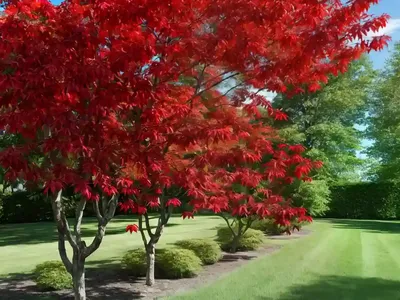
Horse-chestnut (Aesculus Hippocastanum)
The Horse-chestnut tree, scientifically known as Aesculus hippocastanum, is a majestic and versatile tree that holds a special place in gardening.
The Horse-chestnut tree, scientifically known as Aesculus hippocastanum, is a majestic and versatile tree that holds a special place in gardening, folklore, and traditional medicine. In this comprehensive guide, we will delve into the various aspects of this remarkable tree, including its culture, uses, care, and maintenance. From its beautiful flowers to its intriguing folklore and medicinal properties, the Horse-chestnut tree offers a wealth of botanical interest and practical applications.
What is a Horse-chestnut (Aesculus hippocastanum)?
The Horse-chestnut, also referred to as buckeye or conker tree, belongs to the genus Aesculus within the family Sapindaceae. It is a large deciduous tree native to the Balkans and Greece but has been widely cultivated in various parts of the world for its ornamental beauty and medicinal properties.
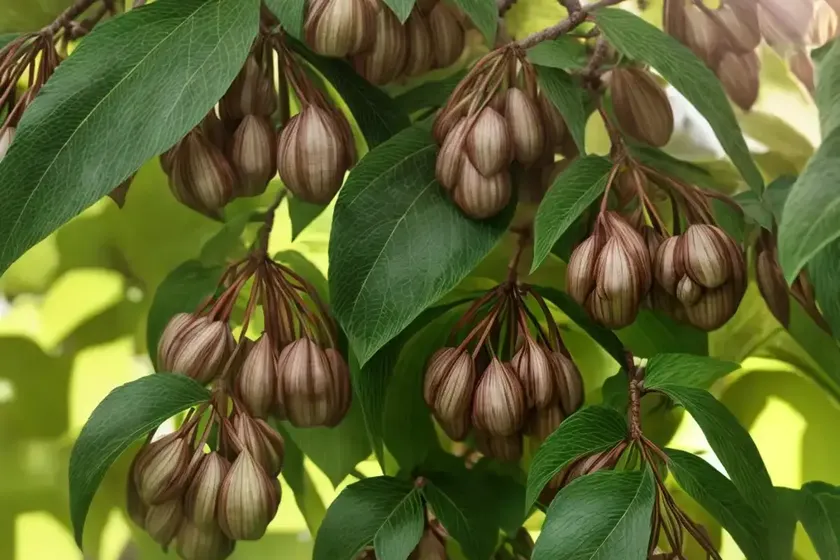
The remarkable tree is known for its large, palmately compound leaves, showy white flowers with touches of pink or yellow, and spiky fruits containing shiny, brown seeds. The seeds, also known as conkers, have been used in traditional games and are also a source of a valuable extract used in natural remedies.
Key Takeaways – Horse-chestnut (Aesculus hippocastanum)
Before we delve into the specifics of the Horse-chestnut tree, let’s outline some key takeaways about this fascinating plant:
- Scientific Name: Aesculus hippocastanum
- Other Names: Conkers Tree, Buckeye Tree
- Uses: Ornamental, Medicinal, Traditional Games
- Plant Type: Deciduous tree
- Cultural Significance:
- Folklore and Myths
- Traditional Medicine
- Unique Features: Showy Flowers, Spiky Fruits, Palmately Compound Leaves
With these key points in mind, let’s explore the various aspects of the Horse-chestnut tree in more detail.
Culture
Water
The Horse-chestnut tree generally thrives in well-drained soils and will benefit from regular watering, particularly during dry spells. However, it is crucial to avoid waterlogging the soil, as this can lead to root rot and other detrimental conditions. Young trees may require more frequent watering to establish their root systems, while mature trees are more tolerant of dry conditions once established.
Sunlight
Ideally, the Horse-chestnut tree should be planted in a location that receives full sun to partial shade. While it can tolerate some shade, adequate sunlight is essential for optimal growth and flowering.
Fertilizer
When it comes to fertilizing Horse-chestnut trees, a balanced, slow-release fertilizer can be applied in early spring to support healthy growth and flowering. Additionally, organic mulch can be beneficial for conserving soil moisture and providing some nutrients to the tree as it decomposes.
Soil
The Horse-chestnut tree prefers well-drained, slightly acidic to slightly alkaline soil. It can adapt to various soil types, including loamy, sandy, and clay soils, but it thrives in rich, fertile soil with good drainage.
Pruning
Pruning is an essential aspect of Horse-chestnut tree maintenance, particularly when it comes to shaping the tree, removing dead or diseased branches, and promoting healthy growth. Pruning is best done in late winter to early spring while the tree is dormant, and it should be approached with care to avoid damaging the tree’s overall structure.
Propagation
Horse-chestnut trees can be propagated through seeds, although it’s important to note that the seeds contain toxic compounds and should not be ingested. Additionally, propagation through cuttings or grafting may also be employed to propagate specific cultivars with desirable traits.
Container Popularity
While Horse-chestnut trees are primarily grown in outdoor landscapes, their striking appearance and unique foliage make them popular choices for large containers in patios, courtyards, and urban gardening spaces.
Common Diseases
Disease Diagnosis
Horse-chestnut trees are susceptible to various diseases, including leaf blotch, leaf scorch, and powdery mildew. Timely diagnosis and proper treatment are essential to prevent the spread of diseases and preserve the tree’s health and vigor.
Common Pests
The tree is also prone to attacks by pests such as horse-chestnut leaf miners, which can cause significant damage to the foliage if left unchecked. Other potential pests include scale insects and spider mites, which can affect the tree’s overall health and appearance.
Botanist’s Tips
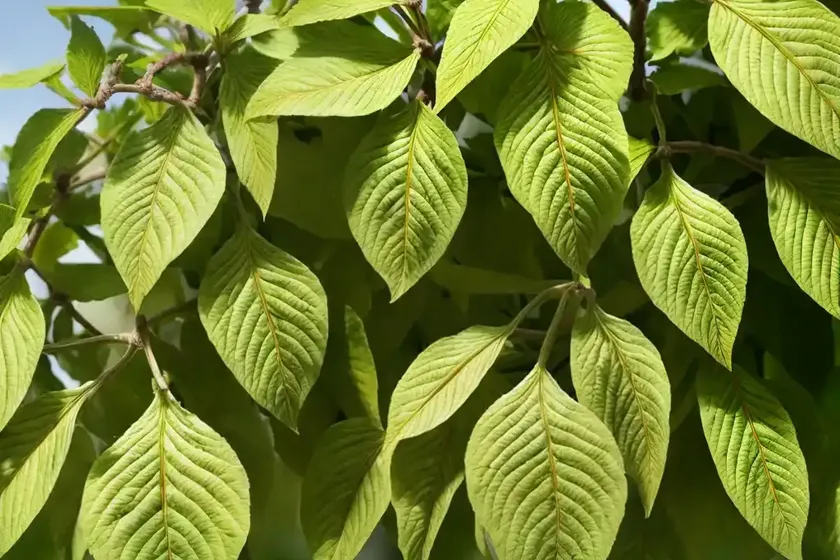
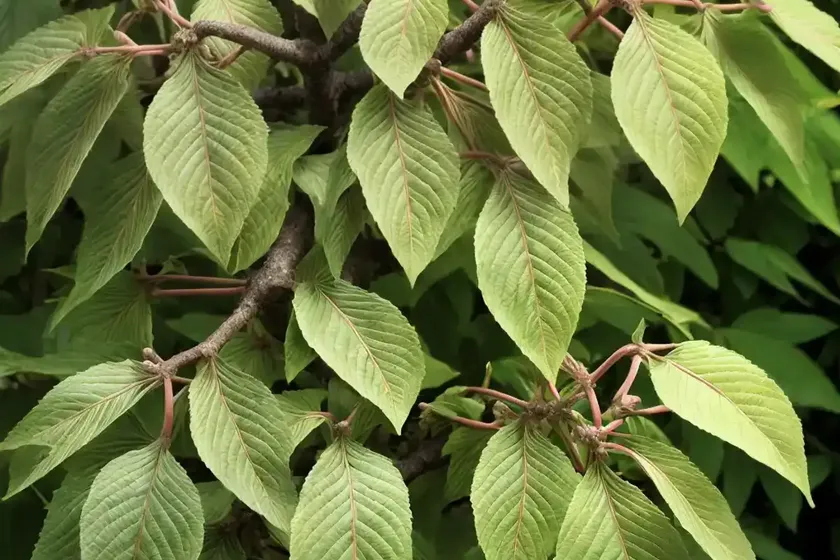
- Leaf Identification: Understanding the distinct features of the Horse-chestnut tree’s leaves, including their palmate structure and serrated edges, can aid in identification and appreciation of the tree.
- Pruning Techniques: Employing proper pruning techniques, such as making clean cuts and avoiding over-pruning, can help maintain the tree’s natural form and promote healthy growth.
- Disease Management: Regular monitoring for signs of diseases and pests, coupled with appropriate interventions, is crucial for preserving the tree’s vitality and beauty.
Fun Facts
- The seeds of the Horse-chestnut tree have been traditionally used in the game of conkers, where they are threaded onto strings and used in a competitive game.
- Horse-chestnut trees have a rich folklore and have been associated with various myths and legends throughout history.
- The bark of Horse-chestnut trees has been used in traditional medicine for its purported medicinal properties.
Links to External Resources
For further information on Horse-chestnut trees and related topics, the following external resources can be valuable references:
- The Royal Horticultural Society (RHS) – Horse-chestnut Tree Care Guide: RHS – Horse-chestnut Tree Care
- University of Florida IFAS Extension – Horse-chestnut Tree Diseases: UF IFAS – Horse-chestnut Tree Diseases
- American Conker Club – Traditional Conkers Game and Horse-chestnut Tree Information: American Conker Club
In conclusion, the Horse-chestnut tree, with its striking features, cultural significance, and practical uses, is a plant of remarkable versatility and charm. Whether appreciated for its ornamental value in gardens and landscapes, its intriguing folklore and myths, or its potential medicinal properties, the Horse-chestnut tree continues to captivate plant enthusiasts and scholars alike.
As we continue to explore the diverse wonders of the natural world, the Horse-chestnut stands as a testament to the enduring allure and practical utility of botanical treasures.
Keywords: Horse-chestnut tree, Aesculus hippocastanum, conkers tree, buckeye tree, horse-chestnut seeds, horse-chestnut benefits, horse-chestnut extract, horse-chestnut leaves, horse-chestnut flowers, horse-chestnut uses, horse-chestnut medicinal properties, horse-chestnut folklore, horse-chestnut folklore and myths, horse-chestnut tree symbolism, Aesculus hippocastanum health benefits, horse-chestnut leaf identification, horse-chestnut tree care, horse-chestnut timber, horse-chestnut species, horse-chestnut gardening tips, horse-chestnut in folklore, horse-chestnut tree growth habits, horse-chestnut natural remedies, horse-chestnut bark, horse-chestnut tree facts, horse-chestnut nuts, horse-chestnut tea benefits, horse-chestnut tincture, horse-chestnut supplements, horse-chestnut and varicose veins, horse-chestnut for hemorrhoids, horse-chestnut for circulation, horse-chestnut anti-inflammatory properties, horse-chestnut for leg pain, horse-chestnut for skin conditions, horse-chestnut cream, horse-chestnut seed oil, horse-chestnut nut oil, horse-chestnut in traditional medicine, horse-chestnut tree aphids, horse-chestnut tree pests, horse-chestnut tree diseases, horse-chestnut tree pruning, horse-chestnut blossoms, horse-chestnut tree shade, horse-chestnut tree lifespan, horse-chestnut tree planting guide, horse-chestnut tree requirements, horse-chestnut tree maintenance, horse-chestnut tree propagation