Aesculus Parviflora (Bottlebrush Buckeye)
Plants play a crucial role in our environment and our lives. They provide us with oxygen, food, medicine, and contribute to the overall beauty of our.
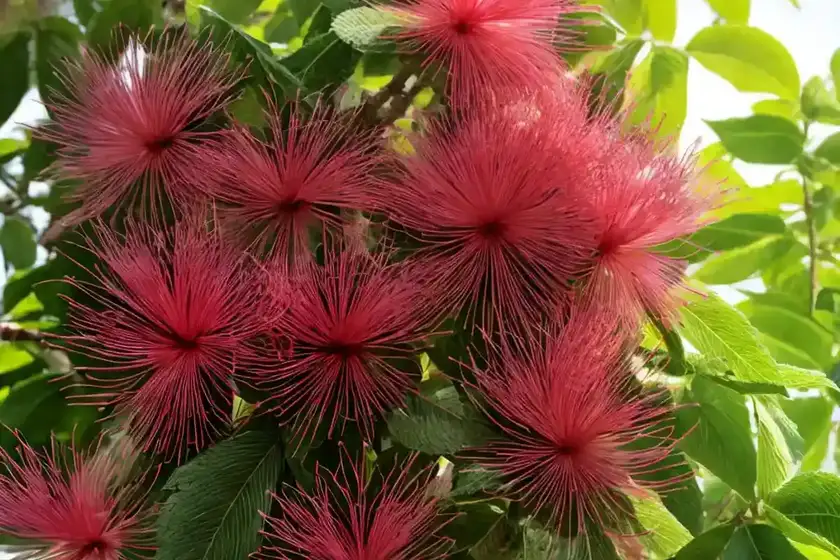
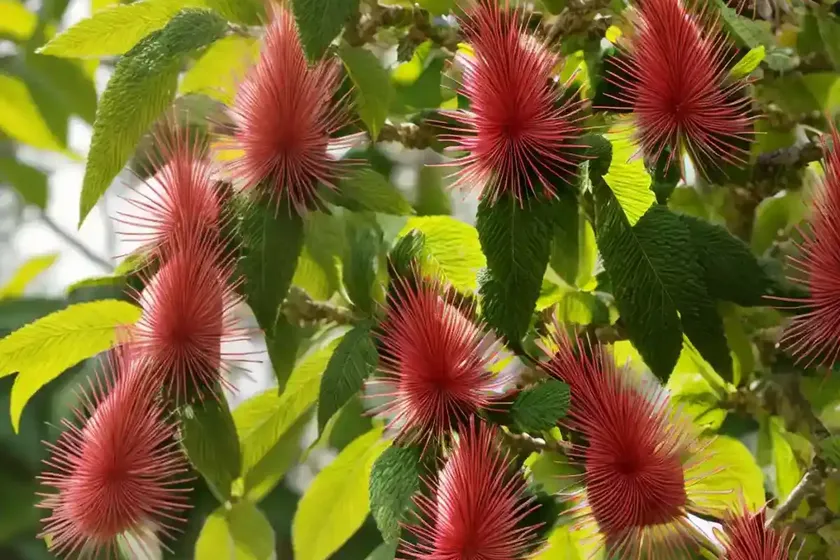
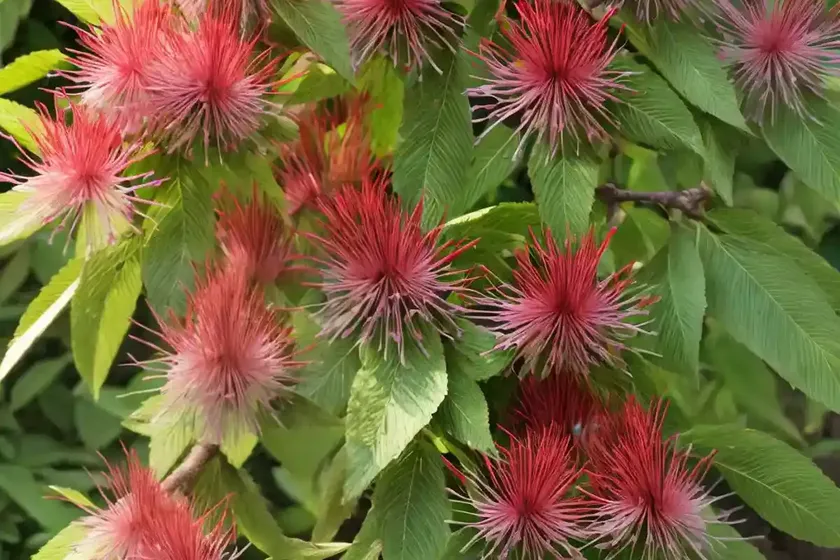
Plants play a crucial role in our environment and our lives. They provide us with oxygen, food, medicine, and contribute to the overall beauty of our surroundings. One such plant that holds both aesthetic and ecological significance is the Aesculus parviflora, commonly known as the Bottlebrush Buckeye. In this comprehensive guide, we will delve into the characteristics, cultivation, and various aspects of this remarkable plant.
What is Aesculus parviflora (Bottlebrush Buckeye)?
Aesculus parviflora is a species of shrub native to the southeastern United States. This deciduous shrub is a member of the Sapindaceae family and is renowned for its stunning ornamental features and adaptability to diverse environmental conditions.
Key Takeaways – Aesculus parviflora (Bottlebrush Buckeye)
Before delving into the specifics of Bottlebrush Buckeye, here are the key takeaways about this remarkable plant:
- Scientific Name: Aesculus parviflora
- Common Name: Bottlebrush Buckeye
- Plant Type: Deciduous Shrubs
- Native Habitat: Southeastern United States
- Landscaping Uses: Ornamental, Wildlife Gardens
- Flowering Time: Late spring to early summer
- Water Needs: Moderate to High
- Sunlight Requirement: Partial to Full Shade
- Soil Type: Well-draining, Moist
- Pruning: Minimal pruning required
- Disease Resistance: Generally pest and disease resistant
Now, let’s explore the various aspects of cultivating and caring for Aesculus parviflora, also known as the Bottlebrush Buckeye.
Culture
The culture of Aesculus parviflora involves understanding its native habitat and the conditions necessary for its successful growth. This includes factors such as water, sunlight, soil, fertilization, and pruning.
Uses
Landscaping
Bottlebrush Buckeye is a popular choice for landscaping due to its striking aesthetics and wildlife-friendly nature. It can be used as a focal point in a garden or as part of a woodland or naturalistic landscape design.
Medicinal and Therapeutic Uses
In traditional medicine, various parts of the Bottlebrush Buckeye plant are believed to have therapeutic properties. However, it is important to consult with a healthcare professional before using any plant for medicinal purposes.
Ecological Benefits
The plant provides vital ecological benefits, including supporting wildlife habitats and contributing to biodiversity. Its flowers are a source of nectar for pollinators, making it a valuable addition to wildlife gardens.
Water
Bottlebrush Buckeye typically thrives in moist soil conditions. Adequate watering, especially during dry periods, is essential for the plant to flourish. However, it is crucial to ensure that the soil does not become waterlogged, as this can lead to root rot.
Sunlight
While Bottlebrush Buckeye can tolerate partial shade, it tends to perform best in areas with dappled sunlight or partial shade. Avoiding prolonged exposure to intense, direct sunlight is advisable, especially in regions with hot summers.
Fertilizer
A moderate application of a balanced fertilizer in early spring can support healthy growth and abundant flowering. It is essential to follow the recommended application rates to prevent over-fertilization, which may negatively impact the plant’s overall health.
Soil
Well-draining, fertile, and slightly acidic soil is ideal for Aesculus parviflora. The plant has a preference for soils rich in organic matter. A soil pH in the range of 5.5 to 6.5 is generally suitable for optimal growth.
Pruning
Minimal pruning is typically required for Bottlebrush Buckeye. Regular inspection for dead or damaged branches can help maintain the plant’s overall health and appearance. Any necessary pruning should ideally be carried out in late winter or early spring, before the onset of new growth.
Propagation
Aesculus parviflora can be propagated through various methods, including seed propagation and vegetative propagation.
Seed Propagation
- Collect mature seeds in the fall and sow them in well-draining, slightly acidic potting mix.
- Maintain consistent moisture levels during the germination period, which may take several weeks.
- Once the seedlings have developed a few sets of true leaves, they can be transplanted into individual containers or the desired outdoor location.
Vegetative Propagation
- Stem cuttings can be taken from the plant during the growing season.
- Use a rooting hormone to improve the success rate of the cuttings.
- Plant the cuttings in a suitable rooting medium and provide the necessary moisture and warmth for root development.
Container Popularity
Due to its ornamental value and manageable size, Aesculus parviflora is well-suited for container gardening. It can be grown in large containers on patios, balconies, or in small outdoor spaces, providing an opportunity for urban and space-constrained gardeners to enjoy its beauty.
Common Diseases
Bottlebrush Buckeye is generally resistant to most common plant diseases. However, as with any plant, it may be susceptible to certain issues that warrant attention.
Disease Diagnosis
Common diseases that may affect Aesculus parviflora include:
- Leaf spot diseases
- Powdery mildew
- Anthracnose
Timely diagnosis and appropriate management practices, including sanitation and, if necessary, targeted treatments, can help mitigate the impact of these diseases.
Common Pests
While Bottlebrush Buckeye is resistant to many pests, occasional infestations may still occur.
Some common pests that may affect Aesculus parviflora include:
- Aphids
- Scale insects
- Spider mites
Regular monitoring and prompt intervention, such as the use of insecticidal soaps or horticultural oils, can help control pest populations and prevent significant damage to the plant.
Botanist’s Tips
Professional insights and tips from botanists can provide valuable guidance for cultivating and caring for Aesculus parviflora. Here are some expert tips for successful cultivation:
- Ensure adequate soil moisture, especially during periods of heat or drought stress.
- Monitor the plant for any signs of disease or pest infestations, as early detection can facilitate effective intervention.
- Select suitable companion plants that complement the characteristics and growing conditions of Bottlebrush Buckeye.
Fun Facts
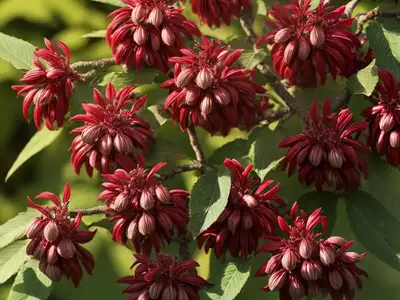
- The name “Bottlebrush Buckeye” is derived from the striking resemblance of the plant’s flowers to a bottle brush, with elongated, protruding stamens.
- Aesculus parviflora is a magnet for pollinators, including bees and butterflies, contributing to the ecological value of gardens and natural areas where it is grown.
- While the plant is mainly appreciated for its showy flowers, its dense foliage also provides valuable cover for wildlife, including nesting birds.
Links to External Resources
For more in-depth information about Aesculus parviflora and related topics, you may find the following external resources helpful:
- Plant Native: Aesculus parviflora
- USDA Forest Service: Aesculus parviflora Fact Sheet
- Royal Horticultural Society: Aesculus parviflora Care Guide
In conclusion, Aesculus parviflora, or Bottlebrush Buckeye, is a captivating plant with a range of ornamental and ecological benefits. By understanding its cultural requirements, potential uses, and the factors that contribute to its overall health, enthusiasts can successfully cultivate and appreciate the beauty of this remarkable shrub in various garden settings.
By incorporating best practices for watering, sunlight exposure, soil conditions, and proactive pest and disease management, individuals can foster the growth of healthy, vibrant Bottlebrush Buckeye plants, enriching their outdoor spaces and contributing to the well-being of local ecosystems.
Whether used as an eye-catching focal point in a landscape design, a contributor to wildlife-friendly gardens, or a source of inspiration for ecological stewardship, Aesculus parviflora stands as a testament to the inherent value and diversity of plant life.
Remember, cultivating Aesculus parviflora not only enriches our surroundings but also contributes to the broader tapestry of biodiversity and ecological harmony.
Let’s continue to celebrate and nurture the incredible diversity of plant species that grace our planet, including the captivating Aesculus parviflora, the Bottlebrush Buckeye.
Keywords:
1. Bottlebrush Buckeye plant
2. Aesculus parviflora characteristics
3. Bottlebrush Buckeye care
4. Aesculus parviflora growing tips
5. Bottlebrush Buckeye flowering
6. Aesculus parviflora propagation
7. Bottlebrush Buckeye varieties
8. Aesculus parviflora habitat
9. Bottlebrush Buckeye pruning
10. Aesculus parviflora diseases
11. Bottlebrush Buckeye pests
12. Aesculus parviflora foliage
13. Bottlebrush Buckeye landscaping
14. Aesculus parviflora garden design
15. Bottlebrush Buckeye medicinal uses
16. Aesculus parviflora wildlife habitat
17. Bottlebrush Buckeye native habitat
18. Aesculus parviflora cultural significance
19. Bottlebrush Buckeye companion plants
20. Aesculus parviflora pollination
21. Bottlebrush Buckeye fall foliage
22. Aesculus parviflora soil requirements
23. Bottlebrush Buckeye water needs
24. Aesculus parviflora sun exposure
25. Bottlebrush Buckeye shade tolerance
26. Aesculus parviflora landscape plant
27. Bottlebrush Buckeye drought tolerance
28. Aesculus parviflora garden uses
29. Bottlebrush Buckeye ornamental plant
30. Aesculus parviflora wildlife garden
31. Bottlebrush Buckeye autumn interest
32. Aesculus parviflora seasonal changes
33. Bottlebrush Buckeye spring blooms
34. Aesculus parviflora summer care
35. Bottlebrush Buckeye winter hardiness
36. Aesculus parviflora pest resistance
37. Bottlebrush Buckeye disease prevention
38. Aesculus parviflora landscaping ideas
39. Bottlebrush Buckeye pruning techniques
40. Aesculus parviflora soil preparation
41. Bottlebrush Buckeye companion trees
42. Aesculus parviflora container gardening
43. Bottlebrush Buckeye biodiversity
44. Aesculus parviflora ecological benefits
45. Bottlebrush Buckeye wildlife-friendly plant
46. Aesculus parviflora garden maintenance
47. Bottlebrush Buckeye herbal uses
48. Aesculus parviflora therapeutic properties
49. Bottlebrush Buckeye insect repellent
50. Aesculus parviflora natural remedies