Aeonium Kiwi (‘�Aeonium Haworthii ‘Kiwi’)
What is Aeonium Kiwi? Aeonium Kiwi, scientifically known as Aeonium haworthii ‘Kiwi’, is a stunning succulent plant that belongs to the Crassulaceae.
What is Aeonium Kiwi?
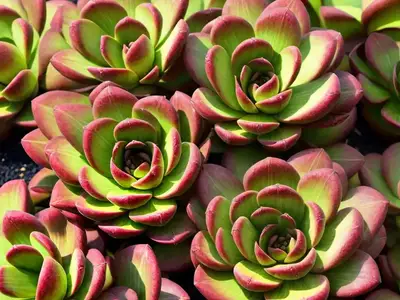
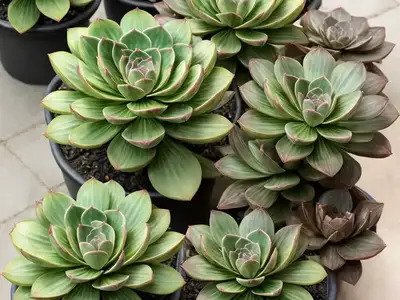
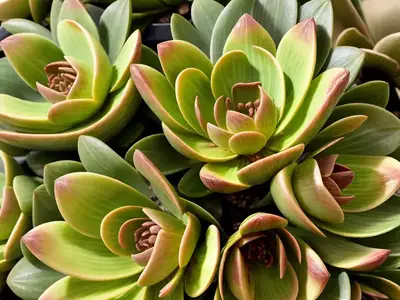
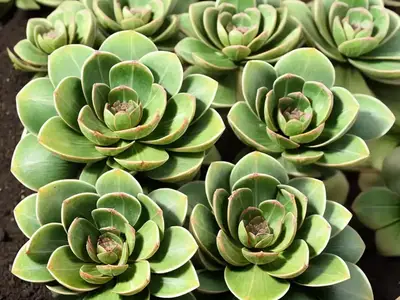
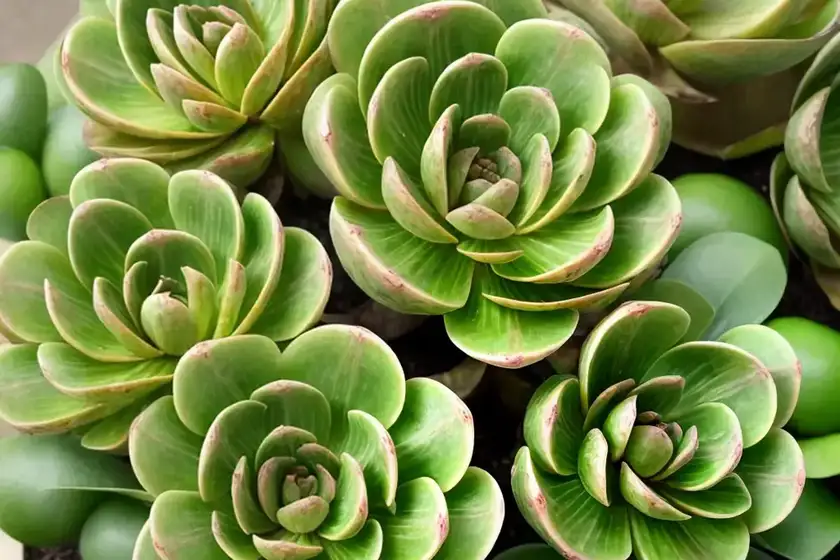
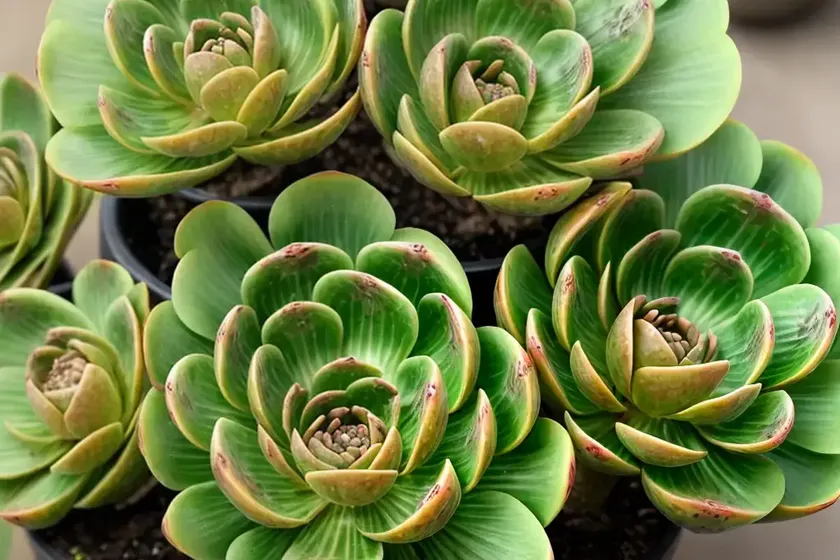
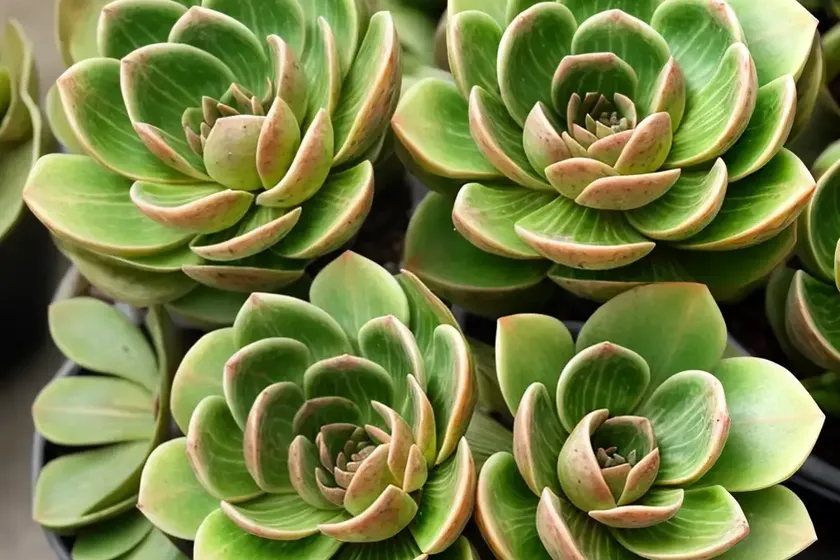
Aeonium Kiwi, scientifically known as Aeonium haworthii ‘Kiwi’, is a stunning succulent plant that belongs to the Crassulaceae family. This beautiful ornamental plant is cherished for its striking rosettes of colorful, spoon-shaped leaves, making it a popular choice for both indoor and outdoor gardens.
Aeonium Haworthii Kiwi Characteristics
Aeonium haworthii ‘Kiwi’ boasts numerous unique features that set it apart from other plants. The following are some of its key characteristics:
- Compact growth habit
- Variegated foliage with shades of cream, yellow, and pink
- Rosettes of spoon-shaped leaves
- Drought-tolerant nature
- Low maintenance requirements
- Ideal for containers and rock gardens
Key Takeaways
Before delving into the specifics of caring for Aeonium Kiwi, let’s summarize the key takeaways that make this plant a desirable addition to any garden:
- Stunning variegated foliage
- Drought-tolerant and low maintenance
- Suitable for containers and rock gardens
- Adaptable for both indoor and outdoor settings
- Distinctive rosette growth habit
Now, let’s explore the essential care requirements, uses, and characteristics of Aeonium Kiwi in more detail.
Culture
Uses
Aeonium Kiwi is primarily grown for ornamental purposes due to its vibrant and unique foliage. It adds a pop of color to both indoor and outdoor spaces and is often used in:
- Succulent gardens
- Rock gardens
- Container gardens
- Xeriscaping projects
Water
Aeonium Kiwi, like many other succulents, is adapted to survive in drought conditions. Therefore, it is crucial not to overwater this plant as it can lead to root rot and other issues. Here are some essential watering guidelines:
- Watering Frequency: Allow the top inch of the soil to dry out between watering sessions.
- Seasonal Adjustments: Decrease watering during the plant’s dormant period in winter.
Sunlight
Proper sunlight exposure is essential for the health and vibrancy of Aeonium Kiwi. Follow these sunlight guidelines to ensure the best growth and leaf coloration:
- Sun Exposure: Provide partial to full sunlight for at least 4-6 hours per day.
- Sun Orientation: In hot regions, protect the plant from intense afternoon sun to prevent leaf scorch.
Fertilizer
Applying a balanced fertilizer can support the growth and overall health of Aeonium Kiwi. Here are some tips for fertilizing this succulent:
- Fertilizing Schedule: Use a diluted, balanced fertilizer during the active growing season, typically in spring and summer.
- Frequency: Fertilize every 4-6 weeks to provide essential nutrients.
Soil
A well-draining soil mix is crucial for the success of Aeonium Kiwi. The following soil factors should be considered:
- Soil Type: Use a well-draining cactus or succulent mix to prevent waterlogged conditions.
- pH Level: Aim for a slightly acidic to neutral pH range around 6.0-7.0 for optimal growth.
Pruning
Pruning Aeonium Kiwi is mainly focused on removing dead or damaged foliage and maintaining the plant’s overall shape. Key pruning practices include:
- Removing Dead Leaves: Trim off any dry or dead leaves to improve the plant’s appearance.
- Shaping: Trim the plant to maintain a compact and tidy appearance.
Propagation
Aeonium Kiwi can be propagated through various methods, including stem cuttings and offsets. Here are the essential steps for successful propagation:
- Stem Cuttings: Take stem cuttings and allow them to callus before planting in well-draining soil.
- Offsets: Divide the offsets from the main rosette and plant them in suitable growing medium.
Container Popularity
Aeonium Kiwi’s compact size and colorful foliage make it an ideal choice for container gardening. Consider the following when growing Aeonium Kiwi in containers:
- Container Material: Select porous containers to ensure proper drainage.
- Size: Opt for a container that allows room for growth while preventing overcrowding.
Common Diseases
Aeonium Kiwi is generally resistant to most diseases when provided with suitable growing conditions. However, it may be susceptible to certain issues such as:
- Root Rot: Overwatering or poorly-draining soil can lead to root rot.
- Powdery Mildew: Humid conditions can promote the development of powdery mildew on the leaves.
- Leaf Spot: Some fungal pathogens may cause leaf spots, especially in overly damp environments.
Disease Diagnosis
Early detection and prompt action are key to managing diseases in Aeonium Kiwi. Here’s how to diagnose and address common issues:
- Monitoring Symptoms: Regularly inspect the plant for signs of wilting, discoloration, or unusual growth.
- Fungal Treatments: Use natural or chemical fungicides to control fungal infections if detected.
- Adjusting Watering: Address any overwatering issues to prevent root rot and related diseases.
Common Pests
While generally resistant to pests, Aeonium Kiwi may occasionally encounter the following pests:
- Aphids: Keep an eye out for clusters of small, soft-bodied insects on the foliage.
- Mealybugs: Check for white, cottony insects in the leaf axils and crevices.
- Spider Mites: Look for fine webbing and stippling on the leaves, indicating spider mite infestation.
Botanist’s Tips
As a plant scientist, I recommend the following tips to ensure the successful growth and maintenance of Aeonium Kiwi:
- Winter Protection: Provide frost protection or move potted plants indoors during winter in colder climates.
- Air Circulation: Ensure proper air circulation to prevent humidity-related issues such as fungal diseases.
- Regular Inspections: Regularly examine the plant for signs of pests, diseases, or nutrient deficiencies to address them promptly.
Fun Facts
Aeonium Kiwi’s unique characteristics and qualities make it an intriguing addition to any garden. Here are some fun facts about this captivating succulent:
- Aeonium Kiwi is a hybrid succulent resulting from the crossbreeding of different Aeonium species.
- The variegated foliage of Aeonium Kiwi intensifies in response to sufficient sunlight and stress, resulting in more vibrant colors.
- In its natural habitat, Aeonium Kiwi can thrive in rocky and arid coastal regions, making it well-suited for xeriscaping projects.
Links to External Resources
To further explore Aeonium Kiwi and expand your knowledge, consider referring to the following external resources:
- The Royal Horticultural Society (RHS) – The RHS provides valuable insights and guidance on various plant species, including succulents like Aeonium Kiwi.
- University Extension Services – Many university extension services offer detailed articles and fact sheets on succulent care, propagation, and pest management.
In conclusion, Aeonium Kiwi is a remarkable succulent plant that exhibits an array of distinctive characteristics, making it a captivating choice for both novice and experienced gardeners. By understanding its culture, maintenance requirements, and unique features, you can cultivate and enjoy the beauty of Aeonium Kiwi in your own garden.
Remember to appreciate its ornamental value, care for its specific needs, and cherish its role in adding a touch of color and fascination to your indoor or outdoor oasis. Whether it’s the cheerful hues of its variegated leaves or the ease of its maintenance, Aeonium Kiwi undoubtedly stands out as a delightful addition to any green space.