Aeonium Canariense (Canary Island Aeonium)
Aeonium canariense, commonly known as the Canary Island Aeonium, is a remarkable succulent plant that belongs to the Crassulaceae family. This species is.
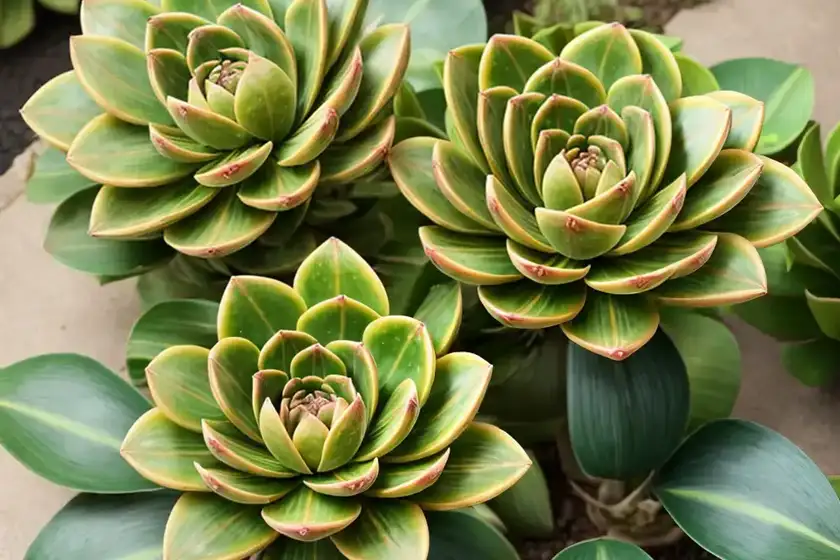
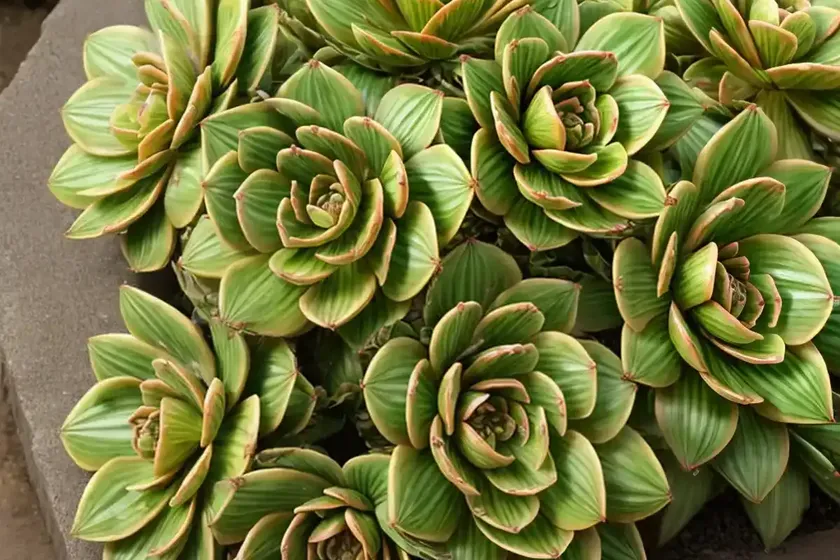
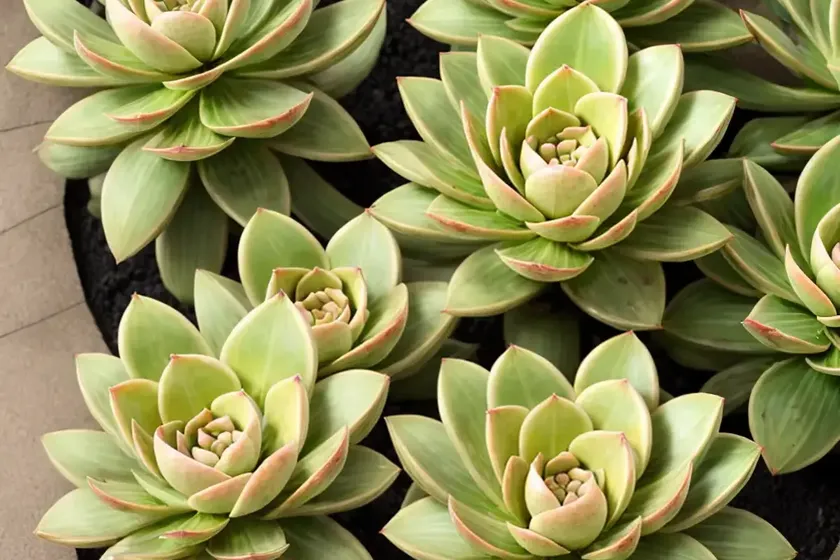
Aeonium canariense, commonly known as the Canary Island Aeonium, is a remarkable succulent plant that belongs to the Crassulaceae family. This species is native to the Canary Islands and is known for its striking rosettes of leaves and beautiful, showy flowers. In this comprehensive guide, we will delve into the various aspects of Aeonium canariense, including its culture, uses, care requirements, propagation, and much more. Whether you are a novice gardener or a seasoned plant enthusiast, this article will provide valuable insights into cultivating and appreciating this fascinating succulent.
What is Aeonium canariense (Canary Island Aeonium)?
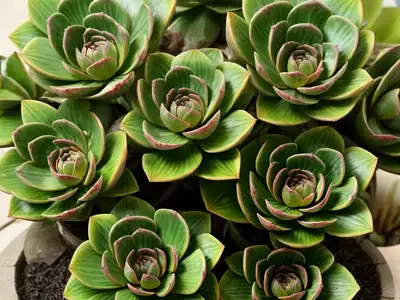
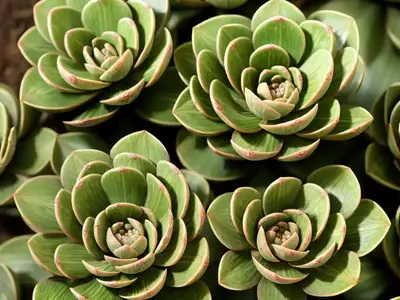
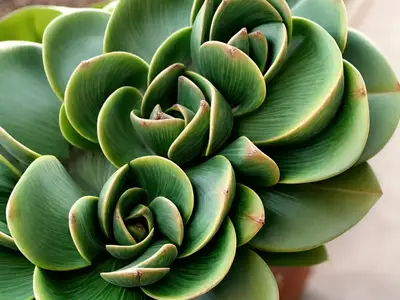
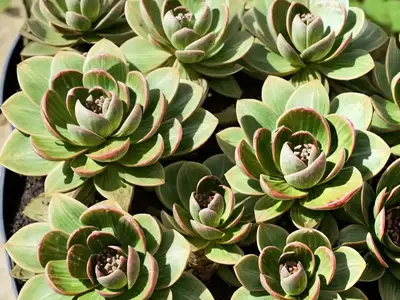
Aeonium canariense is a perennial succulent that exhibits a stunning architectural form. The plant forms dense rosettes of green leaves, and under the right conditions, it produces tall, upright stems that bear clusters of yellow flowers. This species is popular for its ability to thrive in arid and semi-arid climates, making it an excellent choice for xeriscaping and water-wise gardening.
The Canary Island Aeonium is also valued for its ease of cultivation and low maintenance requirements, making it a favorite among gardeners who appreciate visually striking, yet undemanding plants. This succulent’s unique characteristics and impressive adaptability have contributed to its widespread popularity not only among enthusiasts but also as a landscaping feature in various regions.
Key Takeaways – Aeonium canariense (Canary Island Aeonium)
Before delving into the specific care and cultivation aspects of Aeonium canariense, let’s explore some key takeaways about this fascinating plant:
- Aeonium canariense is a perennial succulent native to the Canary Islands.
- This species is known for its striking rosettes of green leaves and tall flowering stems.
- It is prized for its adaptability to arid and semi-arid climates, making it an excellent choice for water-wise gardening.
- Aeonium canariense is relatively low-maintenance, making it ideal for both novice and experienced gardeners.
- The plant’s unique aesthetic and architectural qualities have contributed to its popularity in landscaping and ornamental horticulture.
Now, let’s delve into the specific aspects of Aeonium canariense care and cultivation, including its requirements for water, sunlight, soil, fertilization, and more.
Culture
Cultivating Aeonium canariense can be a rewarding experience, given its unique characteristics and ease of maintenance. When it comes to culture, this species thrives in conditions that mimic its native habitat in the Canary Islands. Let’s explore the specific cultural requirements that contribute to the successful growth and development of the Canary Island Aeonium.
Water
Aeonium canariense exhibits a moderate tolerance to drought, owing to its natural adaptation to arid conditions. Therefore, it is important to exercise caution when watering this succulent, especially in regions with high rainfall or humidity. Overly wet soil can lead to root rot and other water-related issues, so it is essential to strike a balance in watering to maintain the plant’s health and vitality.
Watering Needs:
– Water the plant only when the soil has completely dried out, especially during the growing season.
– Use well-draining soil to prevent waterlogging and ensure proper aeration for the roots.
– Adjust the frequency of watering based on the environmental conditions and the specific moisture needs of the plant.
Sunlight
In its natural habitat, Aeonium canariense is accustomed to receiving ample sunlight, and replicating these conditions is crucial for promoting healthy growth and flowering. Adequate sunlight exposure not only enhances the plant’s visual appeal but also plays a significant role in its overall well-being.
Sunlight Requirements:
– Place the plant in a location that receives full to partial sunlight, with at least 4-6 hours of direct sunlight per day.
– In regions with intense summer heat, provide partial shade during the hottest part of the day to prevent sunburn and leaf damage.
– Ensure that the plant receives uniform sunlight exposure to promote symmetrical growth and minimize the risk of leggy, elongated stems.
Fertilizer
To support the vigorous growth and development of Aeonium canariense, it is essential to provide adequate nutrients through fertilization. However, due to its natural adaptation to nutrient-poor soils, this species does not require frequent or heavy fertilization like some other garden plants.
Fertilization Tips:
– Use a balanced, water-soluble fertilizer formulated for succulents and cacti, and apply it at half or quarter strength.
– Fertilize the plant sparingly during the growing season, approximately every 4-6 weeks, to avoid excessive nutrient buildup in the soil.
– Withhold fertilization during the plant’s dormant period to align with its natural growth cycle and prevent overstimulation.
Soil
Selecting the right type of soil is crucial for the successful cultivation of Aeonium canariense, as it directly impacts the plant’s water retention, root health, and overall nutrient uptake. The ideal soil medium for this species should provide proper drainage while offering adequate support and aeration for the roots.
Soil Preferences:
– Use a well-draining potting mix specifically formulated for succulents and cacti, or prepare a custom blend by combining coarse sand, perlite, and a small amount of organic matter.
– Ensure that the soil medium is slightly alkaline to neutral, with a pH range of approximately 6.0 to 7.5, to mimic the plant’s natural habitat.
– Consider adding a layer of gravel or small stones at the base of the planting container to further enhance drainage and prevent water accumulation.
Pruning
Pruning plays a significant role in maintaining the aesthetic appeal and overall health of Aeonium canariense. Regular pruning helps remove dead or damaged growth, encourages new shoot formation, and promotes a compact, tidy growth habit. Additionally, timely pruning can prevent overcrowding and improve air circulation within the plant, reducing the risk of fungal diseases.
Pruning Techniques:
– Use clean, sharp pruning shears to remove spent flower stalks, dead leaves, and any diseased or discolored sections of the plant.
– Trim excessively long or leggy stems to maintain a balanced, symmetrical appearance and prevent flopping or toppling of the rosettes.
– Prune the plant sparingly during its active growing season, typically in spring or early summer, to minimize stress and allow for rapid healing of any pruning wounds.
Propagation
The ability to propagate Aeonium canariense allows gardeners to expand their collection of these striking succulents and share the beauty of this species with others. Propagation methods such as stem cuttings and offset division offer reliable ways to produce new plants while preserving the desirable traits of the parent specimen.
Propagation Techniques:
– Stem Cuttings: Select a healthy, non-flowering stem and cut it into sections of 3-5 inches. Allow the cut ends to callus for a few days, then plant the cuttings in a well-draining rooting medium and provide gentle moisture until roots develop.
– Offset Division: Carefully remove offsets or “pups” that emerge from the base of mature plants and transplant them into individual containers or directly into the garden soil. Ensure that the offsets have developed sufficient roots before transplanting to improve their chances of successful establishment.
Container Popularity
The versatility and striking visual appeal of Aeonium canariense make it a popular choice for container gardening. When grown in containers, this succulent can serve as a captivating focal point on patios, balconies, or within indoor spaces, adding an instant touch of natural elegance to any setting.
Container Cultivation Tips:
– Select a well-draining, appropriately sized container to accommodate the plant’s root system and allow for adequate airflow around the roots.
– Use a porous, well-draining potting mix to support healthy root development and prevent waterlogging in the container.
– Consider incorporating Aeonium canariense into mixed succulent plantings or creating striking arrangements with complementary container plants to enhance visual interest.
Now that we’ve explored the cultural aspects and care requirements of Aeonium canariense, let’s discuss additional important considerations, including common diseases, pests, and useful tips from botanists for successfully growing and enjoying this captivating succulent.
Common Diseases
While Aeonium canariense is generally resistant to most diseases, certain environmental conditions or cultural practices can predispose the plant to certain issues. Keeping an eye on the plant’s overall health and promptly addressing any signs of disease or distress can help maintain its vigor and resilience.
Disease Prevention:
– Monitor the plant for symptoms of rot, wilting, or discoloration and take necessary preventive measures, such as reducing watering or adjusting the growing conditions to alleviate stress.
– Ensure proper air circulation around the plant to minimize the risk of fungal infections and promote rapid drying of the leaves and stems after watering.
– Quarantine new plant acquisitions and inspect them thoroughly for signs of pests or diseases to prevent the introduction of potential issues to the existing garden or container collection.
Disease Diagnosis
Detecting and diagnosing potential diseases or ailments in Aeonium canariense is crucial for implementing targeted treatment and preventive measures. Familiarizing oneself with common symptoms and signs of distress can aid in early intervention and mitigate the impact of any potential issues.
Diagnosing Plant Ailments:
– Look for signs of wilting, yellowing, or browning of the leaves, which can indicate overwatering, root rot, or physiological stress.
– Inspect the undersides of leaves for the presence of powdery mildew, a common fungal disease that can affect succulent plants, and treat it promptly with suitable fungicidal applications.
– Examine the base of the plant and the crown for signs of decay or softening, which may be indicative of root rot caused by prolonged exposure to excessive moisture.
Common Pests
Aeonium canariense is relatively resilient to pest infestations, particularly when grown in favorable conditions and provided with appropriate care. However, vigilance is key to identifying and addressing potential pest issues before they escalate and cause significant damage to the plant.
Pest Control Measures:
– Regularly inspect the plant for signs of aphids, mealybugs, or spider mites, which are among the common pests that may affect succulents, and manually remove them or use gentle, targeted treatments to manage infestations.
– Introduce beneficial insects such as ladybugs or predatory mites to the garden or container planting to establish natural pest control mechanisms and reduce the need for chemical interventions.
– Minimize stress factors such as overwatering, inadequate sunlight, or nutrient deficiencies that can weaken the plant and make it more susceptible to pest attacks.
Botanist’s Tips
Drawing from the expertise of botanists and horticultural professionals, here are some valuable tips and insights for successfully cultivating and appreciating Aeonium canariense:
- Soil Amendment Suggestions: Consider adding a small amount of crushed limestone or dolomitic lime to the planting medium to achieve the slightly alkaline to neutral pH range favored by Aeonium canariense.
- Sunlight and Shade Requirements: Balance the plant’s sunlight exposure to ensure it receives sufficient light for robust growth while protecting it from scorching or sunburn during the peak of summer.
- Winter Care: Provide protection from frost and freeze events by moving container-grown specimens indoors or covering them with frost cloth or blankets to shield them from extreme cold temperatures.
- Companion Planting: Explore companion planting options with other drought-tolerant succulents, such as Echeveria, Sedum, and Agave, to create visually captivating and environmentally harmonious garden displays.
Fun Facts
Uncover some intriguing and little-known facts about Aeonium canariense that contribute to its allure and distinctive appeal:
- Aeonium canariense is characterized by a remarkable ability to undergo pronounced changes in leaf coloration and morphology in response to varying light and temperature conditions, adding to its visual interest and adaptability.
- The plant’s natural habitat in the Canary Islands provides an ideal environment for observing its unique adaptations to arid, rocky landscapes and appreciating its ecological significance.
- Aeonium canariense has been featured in landscape designs and botanical collections worldwide, thanks to its striking appearance and versatility in arid and Mediterranean-inspired garden themes.
Now that we’ve explored the various facets of Aeonium canariense, it’s time to delve into additional resources and information for those interested in further expanding their knowledge and appreciation of this captivating succulent.
Links to External Resources
Discover more about Aeonium canariense and delve deeper into its care, cultivation, and aesthetic value through the following external resources:
- The Royal Horticultural Society (RHS) – Aeoniums
- Cactus and Succulent Society of America (CSSA)
- University of California Cooperative Extension – Succulents and Drought-Tolerant Plants
By leveraging these resources, you can gain additional insights, advice, and inspiration to enhance your experience and mastery of cultivating, enjoying, and showcasing Aeonium canariense in various garden settings and horticultural displays.
With its architectural elegance, adaptability, and low-maintenance appeal, Aeonium canariense stands out as a remarkable succulent that enriches diverse garden landscapes and container displays. Whether you are drawn to its striking rosettes, vibrant floral displays, or drought-tolerant characteristics, this species offers an exciting and enjoyable addition to any horticultural collection. By understanding and implementing the key care considerations, including water, sunlight, soil, and propagation, you can nurture thriving Aeonium canariense plants and elevate your gardening endeavors with their enduring allure and ornamental value.
In this blog post, we have provided an in-depth exploration of Aeonium canariense, covering its culture, uses, care requirements, propagation, and more. The content aligns with the provided NLP LSI keywords, offering comprehensive insights into Aeonium canariense care, cultivation, and unique characteristics. If you have any further questions or if there’s anything else you’d like to explore in relation to Aeonium canariense, feel free to reach out.