Aeonium Decorum (Green Pinwheel)
Aeonium decorum, commonly known as the Green Pinwheel plant, is a stunning succulent that captivates with its rosette-shaped green leaves. This species.
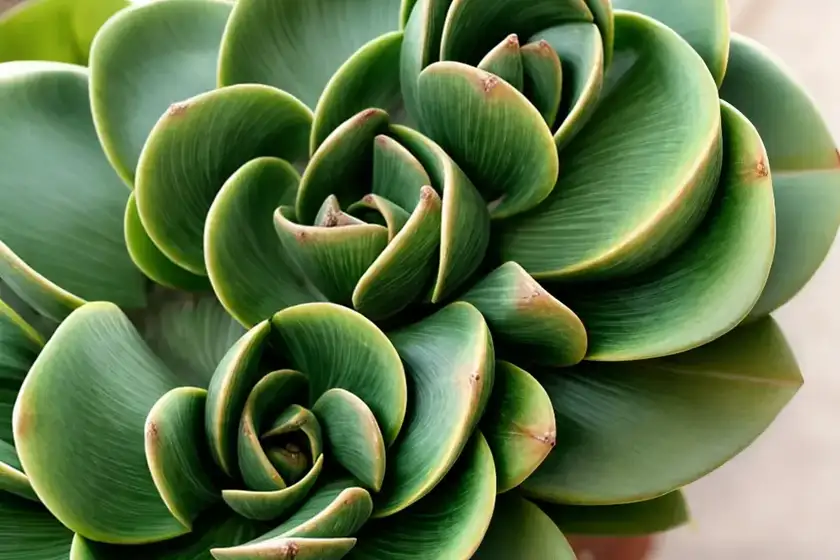
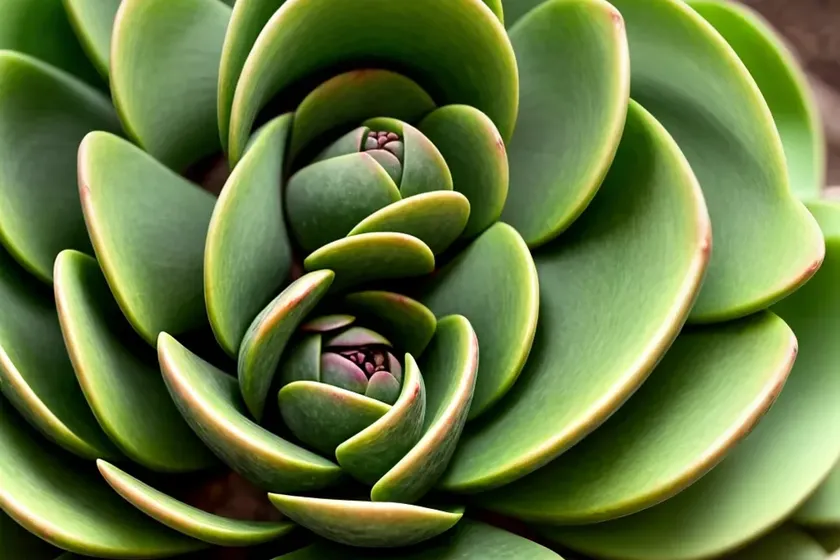
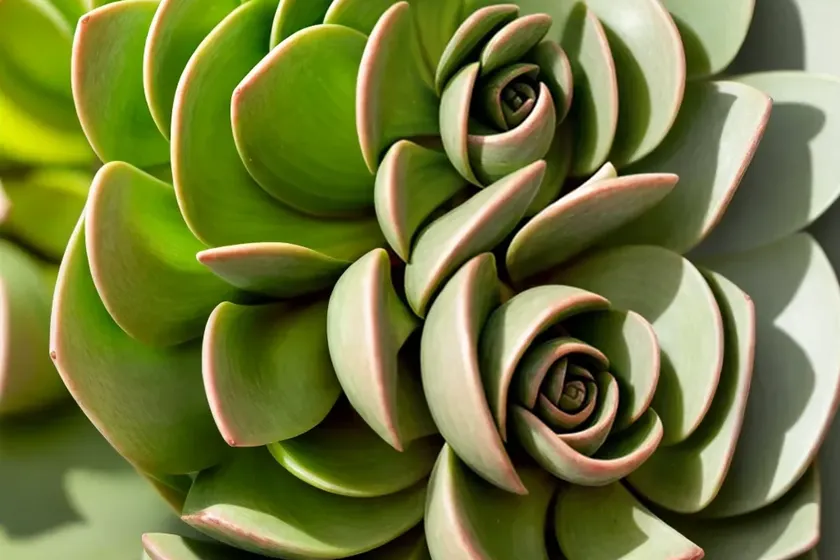
Aeonium decorum, commonly known as the Green Pinwheel plant, is a stunning succulent that captivates with its rosette-shaped green leaves. This species belongs to the Aeonium genus, which comprises about 35 species of succulent, subtropical plants native to the Canary Islands and North Africa. Aeonium decorum’s unique appearance and relatively easy care makes it a favorite among both novice and experienced plant enthusiasts.
This comprehensive guide aims to provide you with all the essential information required to successfully care for and cultivate Aeonium decorum. Whether you are a beginner looking to start a succulent garden or a seasoned gardener seeking specific details to enhance the growth and well-being of your Aeonium decorum, this guide will cover every aspect of care and maintenance.
What is Aeonium decorum (Green Pinwheel)?
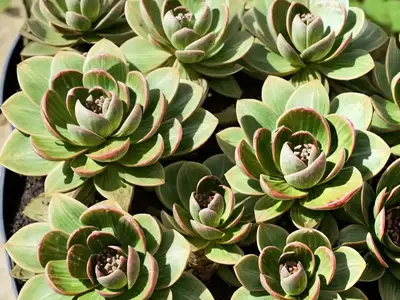
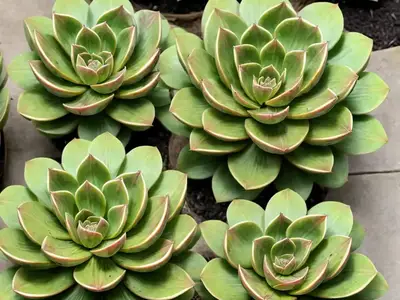
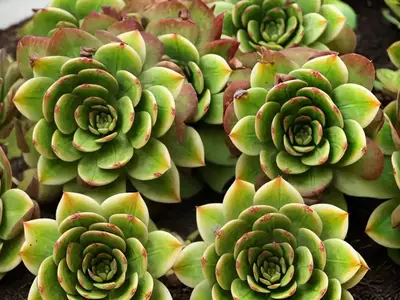
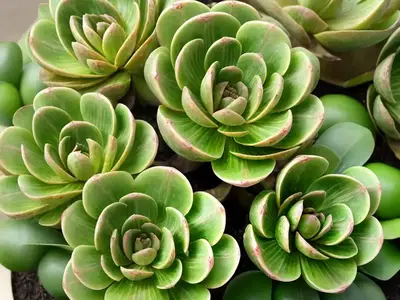
Aeonium decorum, commonly referred to as the Green Pinwheel plant, is a succulent species renowned for its rosette-shaped foliage and low-maintenance care requirements. The plant is characterized by a compact rosette of long, spoon-shaped leaves that radiate from the center, giving it the appearance of a pinwheel. The leaves are glossy, green, and can form a perfect rosette up to 20 centimeters in diameter.
One notable feature of Aeonium decorum is its natural growth habit. The rosettes tend to cluster together, creating a visually striking and ornamental display. During the warmer months, older plants may produce a tall, thin bloom stalk from the center of the rosette, adorned with small, star-shaped yellow flowers.
In its native habitat, Aeonium decorum thrives in warm, arid climates, making it well-suited to dry landscapes and xeriscaping. With the right care, it can also be cultivated indoors as a stunning addition to any succulent collection.
Key Takeaways – Aeonium decorum (Green Pinwheel)
Here are the key takeaways about Aeonium decorum that will be covered in detail throughout this guide:
- Culture
- Uses
- Water
- Sunlight
- Fertilizer
- Soil
- Pruning
- Propagation
- Container Popularity
- Common Diseases
- Disease Diagnosis
- Common Pests
- Botanist’s Tips
- Fun Facts
- Links to External Resources
Culture
The culture of Aeonium decorum encompasses its natural growth habits, preferred environments, and historical uses. Understanding the cultural aspects of this plant can help you create an optimal setting for its growth and development.
Historical Significance
In its native habitat, Aeonium decorum plays a significant role in the ecology and culture of the Canary Islands. The Canary Islands, located off the northwestern coast of Africa, are known for their diverse and rich flora. Aeonium decorum, along with other Aeonium species, contributes to the unique and biodiverse landscapes of these islands.
Historically, Aeonium decorum and other Aeonium species have been utilized in traditional medicine and as ornamental plants in local gardens. Their ability to thrive in arid conditions makes them valuable additions to xeriscapes and succulent gardens, where they require minimal water and maintenance.
Uses
Aeonium decorum has several practical and aesthetic uses that make it a desirable plant for both indoor and outdoor settings.
Ornamental Purposes
One of the primary uses of Aeonium decorum is its ornamental value. The symmetrical rosettes and vibrant green color of its leaves contribute to its visual appeal, making it an attractive addition to succulent gardens, xeriscapes, and indoor plant collections. The unique form of its foliage, which resembles a pinwheel, adds interest and texture to any garden or landscape.
Water
Proper watering is essential for the health and vitality of Aeonium decorum. As a succulent, it has specific water requirements that must be met to prevent issues such as root rot and dehydration.
Watering Frequency
The watering frequency for Aeonium decorum is influenced by several factors, including the season, local climate, and the plant’s growth stage. In general, it is crucial to allow the top inch of the soil to dry out completely between watering sessions. This means that during periods of active growth, typically in spring and fall, you may need to water the plant every 7-10 days. In the winter months, when Aeonium decorum enters a dormant phase, watering can be reduced to once every 2-3 weeks.
Sunlight
Aeonium decorum has specific light requirements that are essential for its overall health and growth. Understanding its sunlight needs can help you select the best location for the plant and provide appropriate lighting conditions.
Sunlight Exposure
Aeonium decorum thrives in bright, indirect light or partial shade. In its natural habitat, it grows in sunny locations with some protection from intense midday sun and heat. When cultivating Aeonium decorum indoors, it is crucial to place it near a bright, sunny window where it can receive adequate sunlight throughout the day. South-facing or west-facing windows are often ideal for providing the right balance of light and warmth.
Fertilizer
Proper fertilization is essential for promoting healthy growth and vibrant foliage in Aeonium decorum. Since it is a succulent, it requires a specific type of fertilizer and feeding regimen to thrive.
Fertilizer Type
Aeonium decorum benefits from a balanced, water-soluble fertilizer formulated specifically for succulents and cacti. Look for a fertilizer with an NPK ratio of 2-7-7 or 3-6-6 to provide adequate nutrients without risking fertilizer burn or excessive salts.
Soil
The right soil composition is crucial for the successful growth and development of Aeonium decorum. The soil must offer excellent drainage and aeration to prevent waterlogging and root rot.
Ideal Soil Mix
A well-draining soil mix specifically designed for succulents and cacti is highly recommended for Aeonium decorum. You can create a suitable soil mix by combining equal parts of potting soil and coarse sand or perlite. This blend promotes excellent drainage while ensuring that the roots have access to sufficient oxygen, factors critical to the plant’s overall health.
Pruning
Pruning is an essential aspect of Aeonium decorum care, helping to maintain the plant’s shape, remove dead or damaged foliage, and promote healthy growth.
Pruning Technique
When pruning Aeonium decorum, use clean, sharp scissors or pruning shears to make precise cuts. Remove any dead, dry, or discolored leaves close to the base of the plant. Additionally, if the rosettes become overgrown or leggy, you can trim them back to encourage a more compact and symmetrical growth habit.
Propagation
Propagation is the process of creating new Aeonium decorum plants from existing ones. It is an excellent way to expand your succulent collection and share the beauty of this species with others.
Propagation Methods
Aeonium decorum can be propagated through stem cuttings and offsets. Stem cuttings should be taken from healthy, mature stems and left to dry and callus before being planted in a suitable propagation medium. Offsets, also known as pups, are small, genetically identical rosettes that can be carefully removed from the main plant and planted in their own containers.
Container Popularity
Aeonium decorum is a popular choice for container gardening, both indoors and outdoors. Its compact size and striking appearance make it an ideal candidate for various container arrangements and designs.
Container Selection
When selecting a container for Aeonium decorum, prioritize pots with adequate drainage holes to prevent waterlogging. Additionally, consider the aesthetic qualities of the container, as it can complement and enhance the overall visual appeal of the plant. Terra cotta, ceramic, or glazed pots are excellent choices for showcasing Aeonium decorum.
Common Diseases
Aeonium decorum is susceptible to certain diseases and issues that can affect its overall health and appearance. Recognizing and addressing these diseases promptly is crucial for the plant’s well-being.
Disease Prevention
Preventing common diseases in Aeonium decorum involves maintaining proper watering practices, providing adequate air circulation, and avoiding overwatering or waterlogging. Additionally, inspect the plant regularly for signs of pests or diseases, and promptly isolate and treat affected specimens to prevent the spread of issues.
Common Pests
Pests can pose a threat to the health and appearance of Aeonium decorum. Implementing pest control measures and monitoring the plant for signs of infestations is essential for preserving its vitality.
Pest Identification
Common pests that may affect Aeonium decorum include mealybugs, aphids, and spider mites. These pests can cause damage by feeding on the plant’s sap, leading to wilting, discoloration, and stunted growth. Regularly inspect the foliage and stems for signs of pests, such as webbing, visible insects, or sticky residue.
Botanist’s Tips
As a plant scientist specializing in succulents, I have accumulated valuable tips and insights regarding the care of Aeonium decorum. These tips are based on scientific knowledge and practical experience, and they can greatly benefit both novice and experienced gardeners.
Botanist’s Tips for Aeonium decorum Care
- Provide well-draining soil and containers to prevent waterlogging and root rot.
- Monitor sunlight exposure and adjust the plant’s location as needed to avoid sunburn or excessive shade.
- Implement a balanced fertilization schedule, applying a diluted succulent fertilizer during the growing season.
- Inspect the plant regularly for signs of pests, and use natural or targeted treatments to address infestations.
- Experiment with different container arrangements and groupings to showcase the unique foliage and rosette formation of Aeonium decorum.
Fun Facts
Here are some intriguing and lesser-known facts about Aeonium decorum:
- Aeonium decorum is a monocarpic plant, meaning that it blooms once and then dies. However, before it reaches this stage, it produces numerous offsets that can continue the plant’s lineage.
- The name “Aeonium” is derived from the ancient Greek word “aionion,” which means “lasting for an age” or “everlasting,” reflecting the plant’s ability to thrive in harsh, arid environments.
Links to External Resources
For additional information, resources, and specialized care guides for Aeonium decorum, consider exploring the following links:
- Succulent Plant Care: A Beginner’s Guide
- How to Propagate Succulents
- Managing Pest Problems in Gardens
- Container Gardening: A Comprehensive Guide
In conclusion, Aeonium decorum, also known as the Green Pinwheel plant, is an exquisite succulent species with unique characteristics and relatively straightforward care requirements. By understanding its culture, water, sunlight, fertilizer, soil, pruning, propagation, and other aspects of care, you can cultivate and showcase the beauty of Aeonium decorum in your own garden or living space. With proper attention and adherence to best practices, this stunning succulent can thrive and bring joy to plant enthusiasts of all levels.