Acer Palmatum ‘Koto-no-ito’ (Japanese Maple)
Introduction to Acer palmatum ‘Koto-no-ito’ Acer palmatum ‘Koto-no-ito’, commonly known as the Japanese Maple ‘Koto-no-ito’, is a captivating ornamental.
Introduction to Acer palmatum ‘Koto-no-ito’
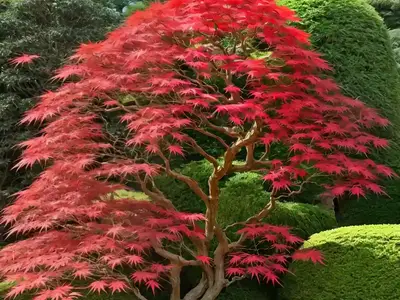
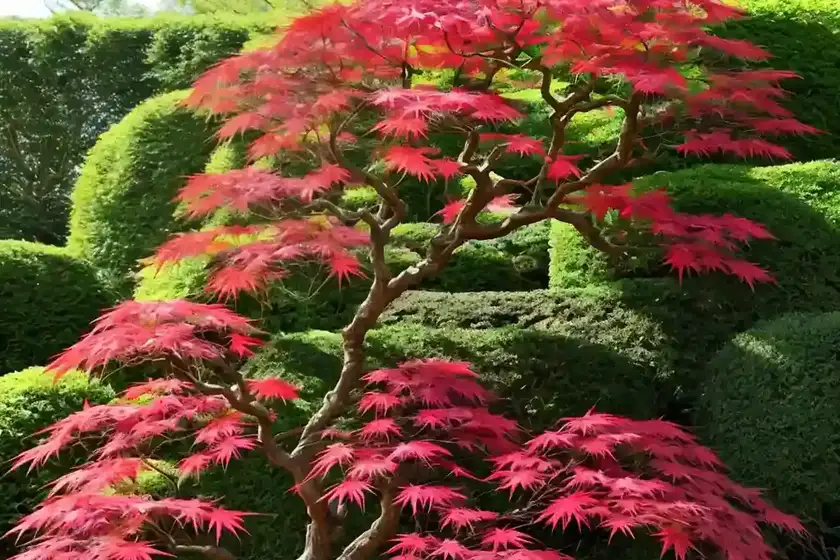
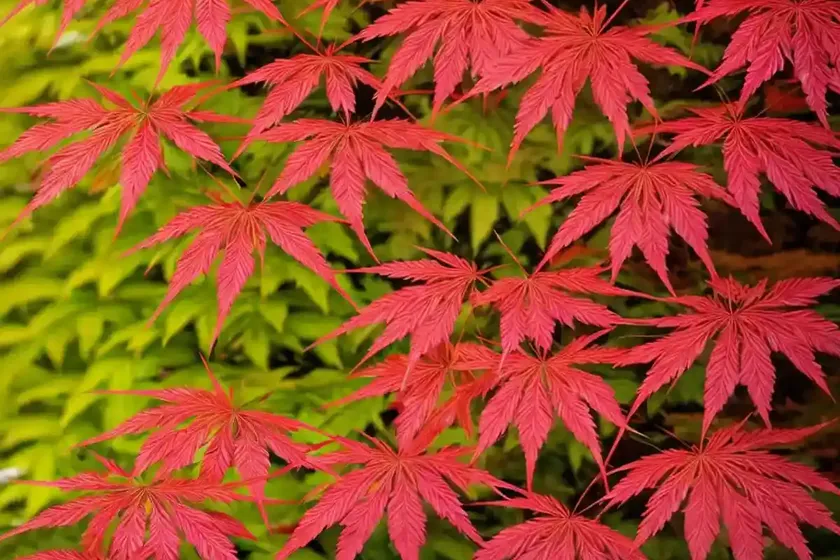
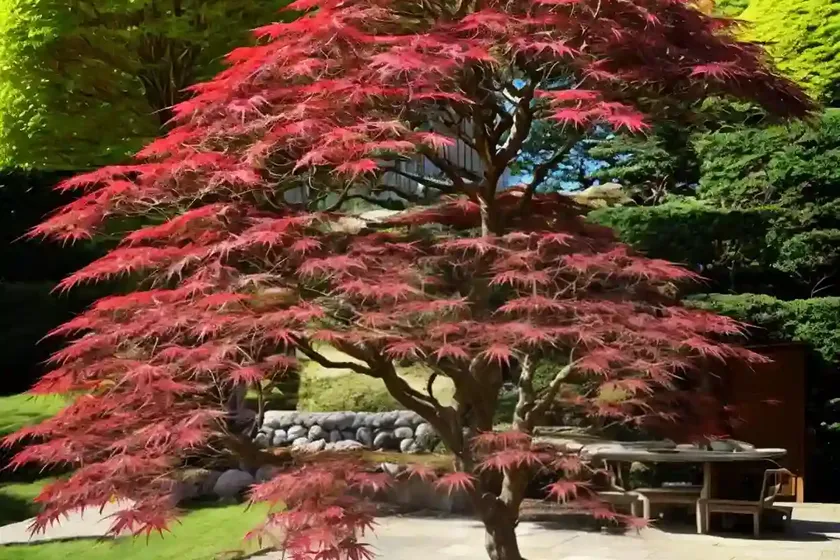
Acer palmatum ‘Koto-no-ito’, commonly known as the Japanese Maple ‘Koto-no-ito’, is a captivating ornamental plant with its delicate and unique foliage. It has gained popularity among gardeners and landscapers for its stunning aesthetic appeal and versatility in various landscape designs. In this comprehensive guide, we will delve into the key characteristics, cultivation practices, landscape uses, and maintenance of the Acer palmatum ‘Koto-no-ito’.
Key Takeaways – Acer palmatum ‘Koto-no-ito’ (Japanese Maple)
Acer palmatum ‘Koto-no-ito’ is a sought-after cultivar of the Japanese Maple known for its distinctive features and landscape potential. Below are the key takeaways that will be elaborated further in this guide:
- Cultural Requirements:
- Water
- Sunlight
- Fertilizer
- Soil
- Pruning, Propagation, and Container Cultivation
- Pruning Techniques
- Propagation Methods
- Container Planting
- Popularity and Common Diseases
- Disease Resistance
- Popularity in Gardens
- Common Diseases and Diagnosis
- Pests, Maintenance, and Botanist’s Tips
- Common Pests
- Maintenance Tips
- Botanist’s Recommendations
- Fun Facts and Additional Resources
- Interesting Tidbits
- External Links for Further Exploration
Now, let’s explore the aspects of growing and caring for the Acer palmatum ‘Koto-no-ito’ in detail.
Culture
Water
Acer palmatum ‘Koto-no-ito’ thrives in moist, well-drained soil. Adequate watering is crucial, especially during its establishment phase and in periods of prolonged drought. However, it is essential to maintain a balance, avoiding waterlogged conditions that can lead to root rot.
- Water Requirements:
- Regular watering, especially during dry spells
- Ensure well-drained soil to prevent waterlogging
- Mulching can help retain soil moisture
Sunlight
The Japanese Maple ‘Koto-no-ito’ exhibits varying preferences for sunlight depending on environmental conditions. It generally prefers partial shade to full sun, but protection from intense afternoon sun is advisable in regions with hot summers.
- Sunlight Needs:
- Partial shade to full sun
- Protection from hot afternoon sun in warmer climates
- Shelter from strong winds, which can damage delicate foliage
Fertilizer
Providing the Acer palmatum ‘Koto-no-ito’ with essential nutrients is vital for its growth and overall health. A balanced, slow-release fertilizer can be applied during the growing season to support its vigor and foliage development.
- Fertilization Practices:
- Apply a balanced, slow-release fertilizer in spring
- Avoid excessive fertilization, which can cause foliage burn
- Mulching with organic matter can contribute to soil fertility
Soil
The soil quality significantly impacts the growth and well-being of the Japanese Maple ‘Koto-no-ito’. It thrives in slightly acidic, well-drained soil with good fertility and aeration.
- Soil Requirements:
- Slightly acidic soil (pH 5.5-6.5)
- Well-drained soil structure
- Organic matter incorporation for soil enrichment
Pruning
Pruning is an essential aspect of maintaining the desired form and size of the Acer palmatum ‘Koto-no-ito’ and promoting overall plant health. It is recommended to carry out light, selective pruning to remove dead or crowded branches and maintain its elegant shape.
- Pruning Guidelines:
- Perform light pruning in late summer or early fall
- Remove dead or diseased branches promptly
- Avoid heavy pruning to preserve the natural form
Propagation
The propagation of Acer palmatum ‘Koto-no-ito’ can be achieved through various methods, including seed propagation, cutting propagation, and grafting. Each method has its advantages and considerations, allowing flexibility in producing new plants.
- Propagation Techniques:
- Seed propagation for genetic variation
- Cutting propagation for maintaining specific traits
- Grafting onto compatible rootstock for controlled growth
Container Cultivation
The Japanese Maple ‘Koto-no-ito’ adapts well to container cultivation, offering opportunities for landscape versatility and urban gardening. However, specific care considerations are essential to ensure its thriving growth in containers.
- Container Care Recommendations:
- Choose a spacious, well-draining container
- Regular watering and soil moisture monitoring
- Use a balanced, slow-release fertilizer for potted plants
Popularity
Popularity in Gardens
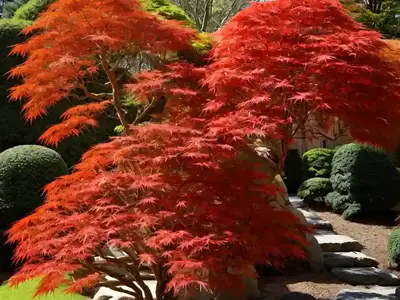
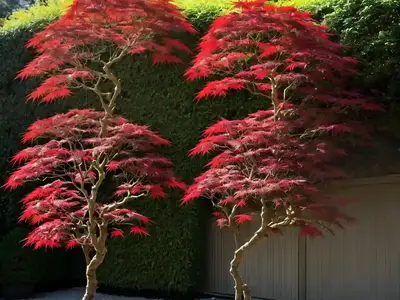
Acer palmatum ‘Koto-no-ito’ has gained widespread popularity among gardeners and landscapers for its striking appearance and adaptability to various garden styles. It serves as a focal point in garden beds, borders, and Japanese-inspired landscapes.
Common Diseases
Despite its overall resilience, the Japanese Maple ‘Koto-no-ito’ may encounter certain diseases that can affect its vigor and appearance. Being attentive to early signs and implementing appropriate measures is crucial for disease management.
Disease Diagnosis
- Common Diseases:
- Leaf spot diseases
- Anthracnose
- Verticillium wilt
- Diagnosis and Management:
- Early symptom recognition
- Proper sanitation and disease prevention
- Fungicidal treatments if necessary
Pests
The Japanese Maple ‘Koto-no-ito’ is generally resistant to major pest infestations. However, vigilance against potential pests such as aphids, scale insects, and caterpillars is necessary to maintain its health and ornamental value.
- Common Pests:
- Aphids
- Scale insects
- Caterpillars
- Pest Management:
- Regular inspection for early detection
- Natural predators and beneficial insects
- Targeted treatments if infestations occur
Botanist’s Tips
Maintenance Tips
- Regularly monitor soil moisture and provide adequate watering
- Avoid excessive fertilization, especially with nitrogen-rich fertilizers
- Implement light pruning for maintaining shape and removing dead wood
Fun Facts
- The name “Koto-no-ito” translates to “harp strings” in Japanese, alluding to the delicately dissected leaves resembling the strings of a traditional harp.
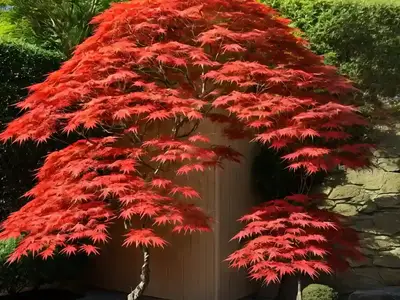
- Acer palmatum ‘Koto-no-ito’ exhibits vibrant color changes during the fall, offering a spectacular display of red, orange, and gold foliage.
External Resources
For further exploration of Acer palmatum ‘Koto-no-ito’ and related topics, the following external resources can provide valuable insights and practical guidance:
- The American Horticultural Society
- Royal Horticultural Society – Japanese Maples
- University of Florida IFAS Extension – Japanese Maple Diseases
- North Carolina State University Extension – Aphids on Ornamental Plants
In conclusion, Acer palmatum ‘Koto-no-ito’ stands as a captivating addition to garden landscapes and holds remarkable potential for creating visually appealing settings. With its unique foliage, adaptability, and manageable care requirements, this Japanese Maple cultivar continues to enchant gardeners and enthusiasts, contributing to the diversity and beauty of ornamental horticulture.
Keywords: Acer palmatum ‘Koto-no-ito’, Japanese Maple Koto-no-ito, ‘Koto-no-ito’ Japanese Maple, Acer palmatum variety Koto-no-ito, Koto-no-ito Japanese Maple tree, Acer palmatum cultivar Koto-no-ito, Japanese Maple Koto-no-ito variety, ‘Koto-no-ito’ Japanese Maple care, Acer palmatum ‘Koto-no-ito’ features, Japanese Maple Koto-no-ito characteristics, ‘Koto-no-ito’ Japanese Maple description, Acer palmatum ‘Koto-no-ito’ growth habit, Japanese Maple Koto-no-ito pruning, ‘Koto-no-ito’ Japanese Maple care guide, Acer palmatum ‘Koto-no-ito’ planting tips, Japanese Maple Koto-no-ito landscape uses, ‘Koto-no-ito’ Japanese Maple maintenance, Acer palmatum ‘Koto-no-ito’ disease resistance, Japanese Maple Koto-no-ito soil requirements, ‘Koto-no-ito’ Japanese Maple ornamental value, Acer palmatum ‘Koto-no-ito’ leaf color, Japanese Maple Koto-no-ito winter hardiness, ‘Koto-no-ito’ Japanese Maple fall foliage, Acer palmatum ‘Koto-no-ito’ sun exposure, Japanese Maple Koto-no-ito water requirements, ‘Koto-no-ito’ Japanese Maple in containers, Acer palmatum ‘Koto-no-ito’ root system, Japanese Maple Koto-no-ito planting location, ‘Koto-no-ito’ Japanese Maple landscape design, Acer palmatum ‘Koto-no-ito’ growth rate, Japanese Maple Koto-no-ito size, ‘Koto-no-ito’ Japanese Maple mature height, Acer palmatum ‘Koto-no-ito’ maintenance tips, Japanese Maple Koto-no-ito companion plants, ‘Koto-no-ito’ Japanese Maple garden design, Acer palmatum ‘Koto-no-ito’ bark texture, Japanese Maple Koto-no-ito spring blooming, ‘Koto-no-ito’ Japanese Maple summer color, Acer palmatum ‘Koto-no-ito’ autumn interest, Japanese Maple Koto-no-ito winter appeal, ‘Koto-no-ito’ Japanese Maple landscape ideas, Acer palmatum ‘Koto-no-ito’ container gardening, Japanese Maple Koto-no-ito focal point, ‘Koto-no-ito’ Japanese Maple shade tolerance, Acer palmatum ‘Koto-no-ito’ narrow form, Japanese Maple Koto-no-ito year-round beauty, ‘Koto-no-ito’ Japanese Maple soil pH, Acer palmatum ‘Koto-no-ito’ low maintenance, Japanese Maple Koto-no-ito container size, ‘Koto-no-ito’ Japanese Maple pruning techniques