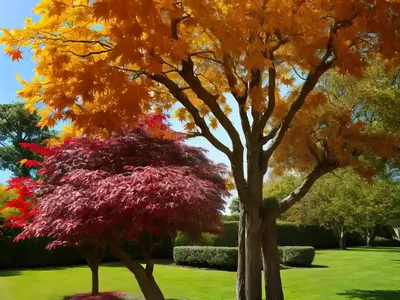
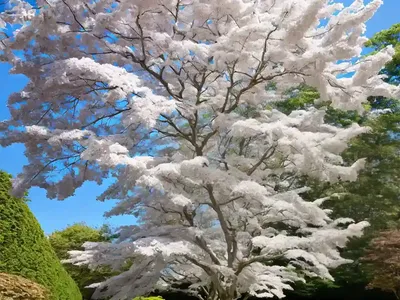
Japanese Maple (Acer Palmatum ‘Villa Taranto’)
Japanese Maple trees are revered for their breathtaking foliage, adding a touch of elegance and beauty to any landscape. One exceptional variety of.
Introduction
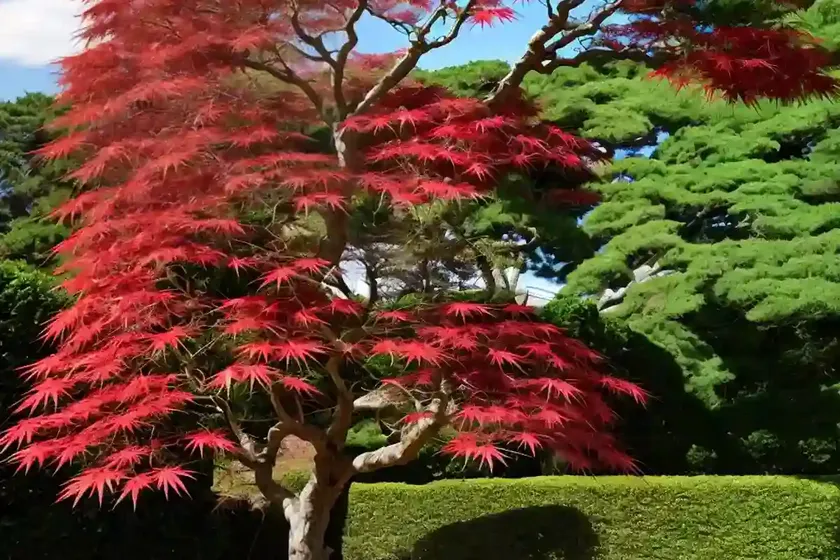
Japanese Maple trees are revered for their breathtaking foliage, adding a touch of elegance and beauty to any landscape. One exceptional variety of Japanese Maple is the Acer palmatum ‘Villa Taranto.’ This cultivar is celebrated for its stunning visual appeal and versatility, making it a popular choice among both amateur and seasoned gardeners.
In this comprehensive guide, we will explore the exquisite Acer palmatum ‘Villa Taranto’ Japanese Maple, delving into its culture, uses, care requirements, common diseases, and propagation methods. By the end of this article, you will be equipped with the knowledge to cultivate and care for this splendid tree, fostering its growth and ensuring its vitality.
What is a Japanese Maple (Acer palmatum ‘Villa Taranto’)?
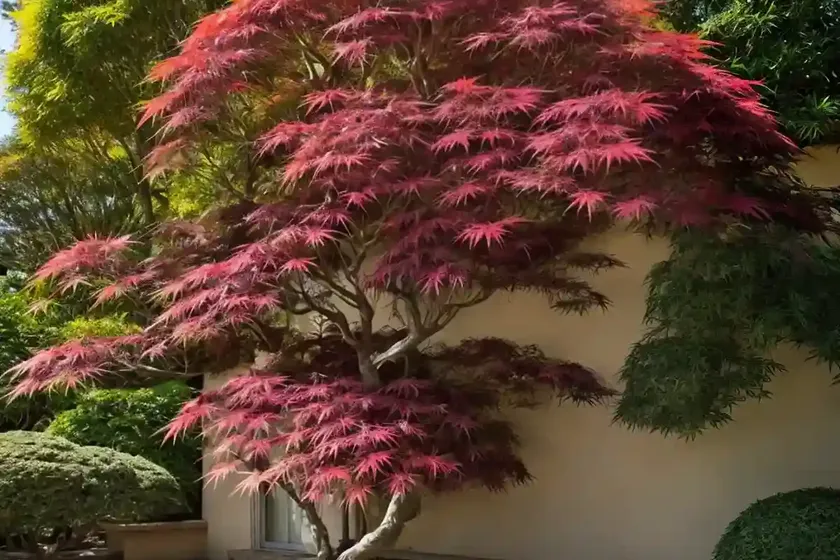
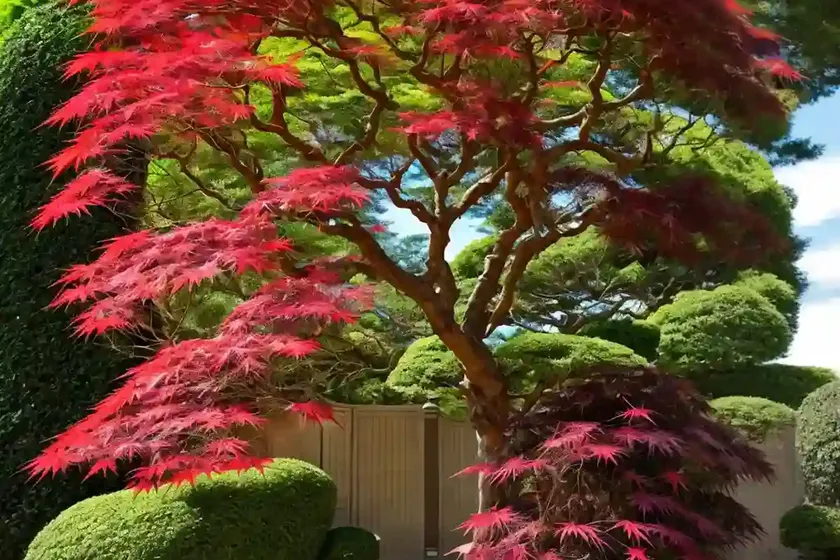
The Acer palmatum ‘Villa Taranto’ is a specific cultivar of the Japanese Maple tree (Acer palmatum). The species, Acer palmatum, belongs to the family Aceraceae and is native to Japan, Korea, and China. The ‘Villa Taranto’ variant is celebrated for its vibrant and unique foliage, making it a prized addition to gardens and landscapes.
Key Takeaways – Japanese Maple (Acer palmatum ‘Villa Taranto’)
- Japanese Maple Tree Varieties: There are numerous varieties of the Japanese Maple tree, each exhibiting distinct features and characteristics, such as leaf shape, color, and size.
- Ornamental Japanese Maple: Japanese Maple trees are highly valued for their ornamental qualities, enhancing the visual appeal of any outdoor space.
- Japanese Maple Care: Proper care and attention are essential for the health and vitality of the Japanese Maple, including regular watering, adequate sunlight, and appropriate pruning.
- Maple Tree Landscaping: Japanese Maple trees are often utilized in landscaping design, adding a touch of sophistication and natural beauty to garden and yard landscapes.
- Japanese Maple Diseases: While generally resilient, Japanese Maple trees may be susceptible to certain diseases, necessitating vigilance and prompt treatment if symptoms manifest.
Culture of Acer palmatum ‘Villa Taranto’
Water
Adequate hydration is essential for the health and vitality of the Acer palmatum ‘Villa Taranto.’ Consistent and thorough watering, particularly during dry spells, is crucial to ensure the tree’s vigor and prevent stress-induced issues.
Ensure that the soil is well-draining to prevent waterlogging, as excessive moisture may lead to root rot and other detrimental conditions. Utilize a moisture meter to monitor the soil’s moisture levels and adjust the watering frequency accordingly.
Sunlight
The Acer palmatum ‘Villa Taranto’ thrives in partial shade to full sun conditions. When selecting a location for planting, consider the tree’s sunlight requirements to ensure it receives the optimal amount of light for healthy growth and vibrant foliage.
Shade from intense afternoon sun may be beneficial in hotter climates, preventing leaf scorch and maintaining the tree’s overall well-being. Conversely, in cooler regions, ample sunlight exposure is beneficial for the tree’s growth and foliage coloration.
Fertilizer
Fertilization plays a pivotal role in nurturing the Acer palmatum ‘Villa Taranto’ and promoting its overall health and vitality. Select a balanced, slow-release fertilizer specifically formulated for ornamental trees, and apply it according to the manufacturer’s instructions.
It is advisable to fertilize the tree in early spring, before the onset of new growth, providing the necessary nutrients to support robust foliage and vibrant coloration. Avoid excessive fertilization, as it may result in nutrient imbalances and detrimental effects on the tree’s well-being.
Soil
The soil composition directly impacts the Acer palmatum ‘Villa Taranto’s growth and overall health. Well-draining, loamy soil with a slightly acidic pH is ideally suited for this cultivar, providing an optimal environment for root development and nutrient uptake.
Amend heavy clay soils with organic matter, such as compost or peat moss, to improve drainage and enhance soil structure. Additionally, a layer of mulch around the base of the tree helps retain soil moisture, suppresses weeds, and provides essential organic matter as it decomposes.
Pruning Strategies for Acer palmatum ‘Villa Taranto’
Pruning is an essential aspect of maintaining the Acer palmatum ‘Villa Taranto’s aesthetics and structural integrity. Proper pruning not only enhances the tree’s appearance but also contributes to its overall health and vigor. Here are some key pruning strategies for this exquisite Japanese Maple cultivar:
- Deadwood Removal: Prune any dead, damaged, or diseased branches to prevent the spread of pathogens and promote healthy growth.
- Thinning: Thinning the canopy allows for improved air circulation and light penetration, reducing the risk of fungal diseases and enhancing the tree’s overall vitality.
- Selective Pruning: Carefully remove crossing or crowded branches to maintain a well-balanced and aesthetically pleasing canopy structure.
- Size Control: Prune for size control as needed, particularly in confined spaces or to maintain a specific shape or form.
Pruning should be conducted during the tree’s dormant season, typically in late winter or early spring, to minimize stress and encourage rapid healing. Utilize sharp and sterile pruning tools to achieve clean cuts and reduce the risk of infection.
Propagation of Acer palmatum ‘Villa Taranto’
Propagating the Acer palmatum ‘Villa Taranto’ allows for the multiplication and dissemination of this exceptional cultivar, ensuring its continued presence in diverse garden landscapes. Several methods can be employed for successful propagation, including:
- Seeds: While viable seeds can be utilized for propagation, this method may result in variability in the offspring’s characteristics compared to the parent tree.
- Cuttings: Utilize semi-hardwood cuttings taken during the growing season, treating them with rooting hormone and providing appropriate environmental conditions to facilitate root development.
- Grafting: Grafting onto suitable rootstock is a common method to propagate specific cultivars, ensuring genetic uniformity and preserving the desired traits of the Acer palmatum ‘Villa Taranto.’
It is essential to maintain optimal moisture levels and provide sufficient warmth and humidity during the propagation process to facilitate successful root development and overall establishment.
Cultivating Acer palmatum ‘Villa Taranto’ in Containers
The Acer palmatum ‘Villa Taranto’ is well-suited for cultivation in containers, offering flexibility in placement and facilitating its inclusion in various outdoor settings, such as patios, balconies, and small gardens. When cultivating this Japanese Maple cultivar in containers, consider the following factors:
- Container Selection: Choose a spacious and well-draining container to accommodate the tree’s root system and promote healthy growth. Ensure the presence of drainage holes to prevent waterlogging.
- Potting Mix: Utilize a high-quality, well-aerated potting mix designed for ornamental trees, providing essential nutrients and promoting optimal root development.
- Watering and Maintenance: Monitor the container’s moisture levels closely, watering the tree as needed to maintain consistent soil moisture. Additionally, provide regular fertilization during the growing season to support the Acer palmatum ‘Villa Taranto’s nutrient requirements.
Regularly assess the container size and consider repotting the tree as needed to prevent root constriction and facilitate continued growth and development.
The Popularity of Acer palmatum ‘Villa Taranto’
The Acer palmatum ‘Villa Taranto’ has garnered significant popularity among gardening enthusiasts and landscapers due to its remarkable visual appeal and adaptability. Whether featured as a standalone specimen or incorporated into larger garden designs, this cultivar’s striking foliage and elegant form make it a coveted choice for diverse outdoor settings.
Its unique coloration and leaf characteristics, coupled with its relatively compact size, render it well-suited for both small and large-scale landscapes. The Acer palmatum ‘Villa Taranto’ serves as an eye-catching focal point, contributing to the overall aesthetic of gardens, parks, and residential landscapes.
Common Diseases Affecting Acer palmatum ‘Villa Taranto’
While the Acer palmatum ‘Villa Taranto’ is generally resilient, it may be susceptible to certain diseases that can impact its health and vitality. Vigilance and timely intervention are crucial in addressing potential issues and preventing the spread of diseases. Some common diseases that may affect this cultivar include:
- Anthracnose: Characterized by leaf spot lesions with dark margins, anthracnose can lead to defoliation and overall stress on the tree. Maintain good air circulation and promptly remove affected foliage to prevent the spread of the disease.
- Verticillium Wilt: This fungal disease can cause wilting, leaf scorch, and overall decline in the tree’s health. Implement proper watering practices and avoid stress to reduce the risk of Verticillium wilt.
- Powdery Mildew: Identified by a white powdery coating on the leaves, powdery mildew can affect the Acer palmatum ‘Villa Taranto’s foliage. Utilize fungicidal treatments as needed and ensure proper air circulation to mitigate the spread of the disease.
Regular inspection of the tree for symptoms of disease, coupled with appropriate cultural practices, such as maintaining proper sanitation and promoting overall tree vigor, are essential in managing and mitigating potential disease issues.
Common Pests Affecting Acer palmatum ‘Villa Taranto’
Pest infestations can pose a threat to the health and vitality of the Acer palmatum ‘Villa Taranto,’ necessitating proactive measures to prevent and address potential pest-related issues. Some common pests that may affect this cultivar include:
- Aphids: These small, sap-feeding insects can congregate on the foliage, leading to distorted growth and honeydew accumulation. Employ natural predators or insecticidal treatments to manage aphid infestations.
- Scale Insects: Scale insects can appear as small, immobile bumps on the stems and foliage, impacting the tree’s overall health. Prune and dispose of infested plant parts and consider targeted pesticide applications if necessary.
- Japanese Beetles: These voracious pests can defoliate the Acer palmatum ‘Villa Taranto,’ necessitating prompt intervention through physical removal and insecticidal control.
Regular monitoring of the tree for signs of pest activity and the implementation of integrated pest management strategies are essential in preventing and addressing potential pest-related issues.
Botanist’s Tips for Nurturing Acer palmatum ‘Villa Taranto’
Botanists and horticultural experts offer valuable insights and tips for nurturing the Acer palmatum ‘Villa Taranto’ and fostering its overall health and well-being. Consider the following recommendations when caring for this exquisite Japanese Maple cultivar:
- Soil Moisture: Maintain consistent soil moisture, avoiding prolonged periods of drought or waterlogging to support healthy root development and prevent stress-induced issues.
- Pruning Best Practices: Adhere to proper pruning practices to maintain the tree’s structural integrity and foster balanced growth and aesthetics.
- Disease and Pest Monitoring: Regularly inspect the tree for signs of diseases and pests, addressing issues promptly to prevent escalation and minimize potential damage.
By incorporating these botanist-approved tips into your care regimen, you can effectively nurture the Acer palmatum ‘Villa Taranto’ and ensure its continued vitality and visual allure.
Fun Facts About Acer palmatum ‘Villa Taranto’
The Acer palmatum ‘Villa Taranto’ encompasses a rich tapestry of characteristics and history, offering intriguing and captivating aspects that add to its allure. Consider the following fun facts about this exceptional Japanese Maple cultivar:
- Origin: The ‘Villa Taranto’ Japanese Maple cultivar was introduced at the Botanical Gardens of Villa Taranto in Italy, where it garnered acclaim for its unique foliage and ornamental appeal.
- Foliage Coloration: The Acer palmatum ‘Villa Taranto’ exhibits an exquisite array of foliage colors, transitioning from vibrant greens to dramatic reds and oranges during the autumn season.
- Cultural Significance: Japanese Maple trees, including the Acer palmatum ‘Villa Taranto,’ hold cultural significance in Japanese folklore and traditional art, symbolizing grace, beauty, and the changing seasons.
These fun facts offer a glimpse into the captivating attributes and cultural relevance of the Acer palmatum ‘Villa Taranto,’ enriching its narrative and cultivating a deeper appreciation for this exceptional Japanese Maple cultivar.
Links to External Resources
As you continue to explore and cultivate the Acer palmatum ‘Villa Taranto,’ consider delving into additional resources to further enhance your knowledge and understanding of this remarkable Japanese Maple cultivar. The following links provide valuable insights and information:
- American Conifer Society: Acer palmatum ‘Villa Taranto’
- Royal Horticultural Society: Japanese Maples
- University of Florida IFAS Extension: Japanese Maple
These external resources offer a wealth of information on the Acer palmatum ‘Villa Taranto’ and Japanese Maple trees, serving as invaluable references for both novice and experienced enthusiasts.
Conclusion
The Acer palmatum ‘Villa Taranto’ Japanese Maple stands as a testament to the exquisite beauty and versatility of ornamental trees, capturing the imagination and admiration of gardening enthusiasts and horticultural aficionados alike. With its vibrant foliage, striking visual appeal, and cultural significance, this exceptional cultivar continues to grace gardens, parks, and landscapes with its timeless elegance and natural allure.
By embracing the knowledge and insights presented in this comprehensive guide, you are empowered to nurture and care for the Acer palmatum ‘Villa Taranto,’ fostering its growth and ensuring its enduring presence as a captivating centerpiece in diverse outdoor settings. As you embark on your journey with this splendid Japanese Maple cultivar, may your efforts yield a flourishing and resplendent landscape, enriched by the enduring beauty of the Acer palmatum ‘Villa Taranto.’