Acer Palmatum ‘Ornatum’ (Laceleaf Japanese Maple)
Plants play a crucial role in the environment, providing oxygen, food, and habitats for diverse forms of life. Among the wide array of plants, ornamental.
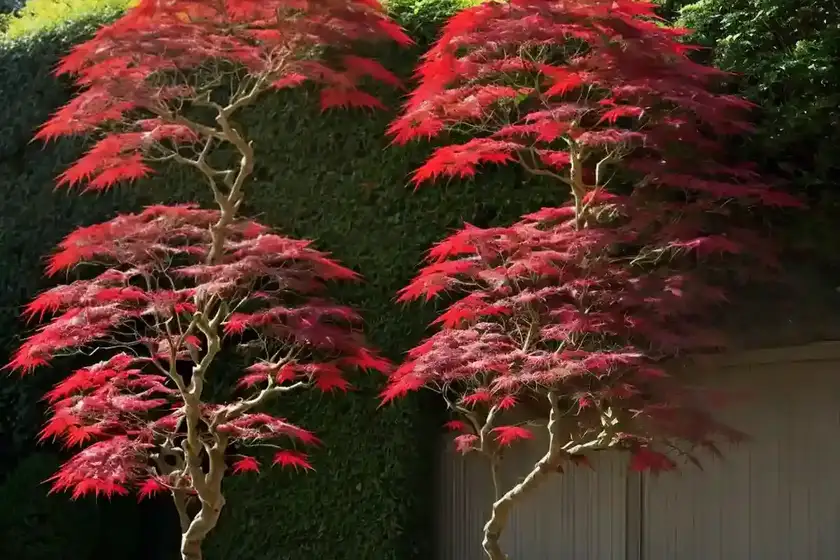
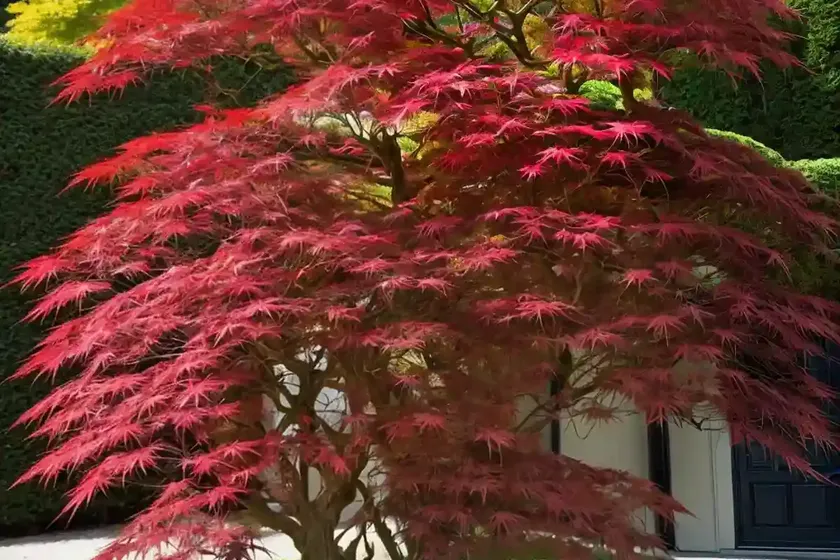
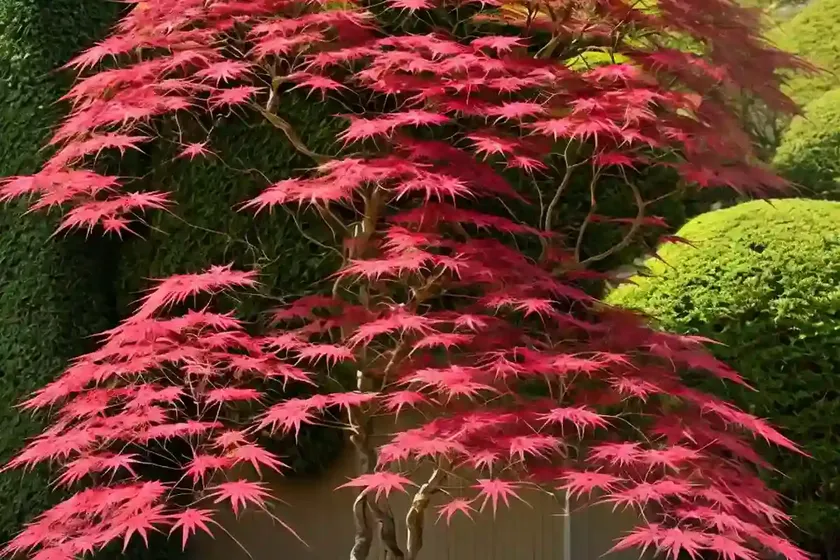
Plants play a crucial role in the environment, providing oxygen, food, and habitats for diverse forms of life. Among the wide array of plants, ornamental trees hold a special place in landscaping and horticulture. One such striking ornamental tree is the Acer palmatum ‘Ornatum’, also known as the Laceleaf Japanese Maple.
In this comprehensive guide, we will delve into the various aspects of the Acer palmatum ‘Ornatum’, exploring its characteristics, specific care requirements, uses, diseases, and much more. Whether you are a homeowner, a landscape designer, or a gardening enthusiast, this guide aims to provide you with valuable insights into this captivating plant species.
What is Acer palmatum ‘Ornatum’ (Laceleaf Japanese Maple)?
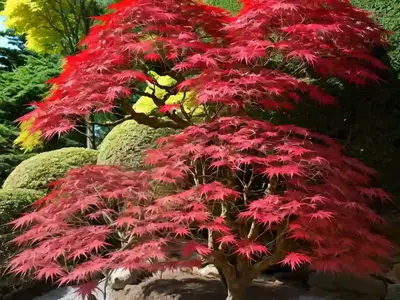
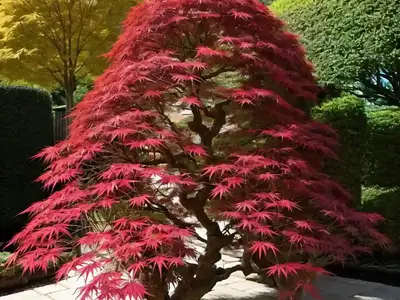
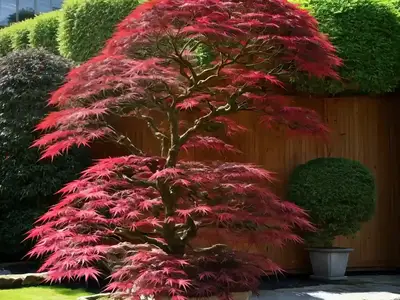
The Acer palmatum ‘Ornatum’ is a beautiful and delicate deciduous tree renowned for its stunning foliage and graceful, weeping form. This cultivar is a variant of the Japanese Maple (Acer palmatum), a species native to Japan, Korea, and China. The Laceleaf Japanese Maple is highly sought after for its unique, deeply lobed leaves and vibrant, ever-changing colors throughout the seasons. Its delicate, lacy foliage and elegant structure make it a prized addition to gardens, landscapes, and even Japanese-themed or Zen gardens.
Key Takeaways – Acer palmatum ‘Ornatum’ (Laceleaf Japanese Maple)
Before we delve into the specifics of caring for the Laceleaf Japanese Maple, let’s highlight some key takeaways about this exquisite tree:
- Acer palmatum ‘Ornatum’ is also known as the Laceleaf Japanese Maple and is a cultivar of the species Acer palmatum.
- This ornamental tree is prized for its delicate, deeply lobed leaves and graceful, weeping form.
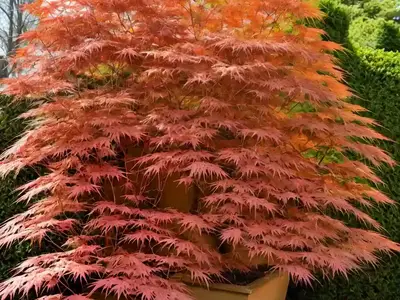
- The foliage of the Laceleaf Japanese Maple undergoes captivating color changes throughout the year, from vibrant greens in spring and summer to fiery reds and oranges in autumn.
Now that we have an overview of this captivating tree, let’s explore the essential aspects of its care and cultivation to ensure its optimal growth and beauty in various landscape settings.
Culture
Understanding the cultural requirements of the Acer palmatum ‘Ornatum’ is essential for successfully cultivating and maintaining this spectacular tree. From soil conditions to pruning techniques, this section will provide a comprehensive guide to the cultural needs of the Laceleaf Japanese Maple.
Uses
The Laceleaf Japanese Maple is a versatile and visually striking tree that can be used in a multitude of landscape and garden settings. Here are some common uses of Acer palmatum ‘Ornatum’:
- Specimen Tree: The elegant form and striking foliage make the Laceleaf Japanese Maple an ideal specimen tree, serving as a focal point in garden beds, courtyards, or Japanese-themed landscapes.
- Container Planting: Due to its relatively slow growth and compact size, Acer palmatum ‘Ornatum’ is well-suited for container planting on patios, balconies, or in small urban spaces.
- Japanese Gardens: As a native of Japan, the Japanese Maple has strong cultural significance and is commonly featured in traditional Japanese gardens, contributing to a serene and peaceful ambiance.
- Shade Tree: The lacy foliage of the Laceleaf Japanese Maple provides dappled shade, making it a desirable choice for creating shaded outdoor seating areas or garden retreats.
Water
Proper watering is crucial for the health and vitality of the Acer palmatum ‘Ornatum’. While it is important not to overwater, especially in poorly draining soils, the Laceleaf Japanese Maple requires consistent moisture, especially during periods of drought. Here are some key points to consider regarding watering the Acer palmatum ‘Ornatum‘:
- Consistent Moisture: Maintain even soil moisture, especially during the tree’s establishment phase and during hot, dry periods. Avoid allowing the soil to dry out completely.
- Mulching: Apply a layer of organic mulch, such as shredded bark or wood chips, around the base of the tree to help retain soil moisture and regulate soil temperature.
Sunlight
The Laceleaf Japanese Maple thrives in locations with partial shade to dappled sunlight. It is essential to provide the right balance of sunlight to ensure the tree’s health and optimal foliage development. Consider the following points when determining the best sunlight conditions for Acer palmatum ‘Ornatum’:
- Partial Shade: Ideal for optimal growth and leaf coloration, providing protection from the harsh midday sun.
- Morning Sun, Afternoon Shade: A location that receives morning sun and afternoon shade is generally favorable for the Laceleaf Japanese Maple.
Fertilizer
Fertilizing the Acer palmatum ‘Ornatum’ is important for providing the necessary nutrients for healthy growth and vibrant foliage. However, it is essential to apply fertilizers in moderation and at the right times. Consider the following guidelines for fertilizing the Laceleaf Japanese Maple:
- Balanced Fertilizer: Use a balanced, slow-release fertilizer designed for acid-loving plants in early spring before new growth emerges.
- Avoid Over-Fertilization: Excessive fertilizer can cause salt buildup in the soil and lead to root damage. Follow the recommended application rates and avoid fertilizing during hot, dry periods.
Soil
The soil composition and quality play a significant role in the overall health and longevity of Acer palmatum ‘Ornatum’. The following points outline the ideal soil conditions for the Laceleaf Japanese Maple:
- Well-Draining Soil: Ensure that the planting site has well-draining, loamy soil to prevent waterlogged conditions that can lead to root rot.
- Acidic pH: The Laceleaf Japanese Maple thrives in slightly acidic soil with a pH range of 5.5 to 6.5. Test the soil pH and amend as needed using sulfur or acidic mulches.
Pruning
Proper pruning is essential for maintaining the elegant form and overall health of the Laceleaf Japanese Maple. By understanding the specific pruning needs of Acer palmatum ‘Ornatum’, you can help promote its natural beauty and structure. Here are some key considerations for pruning the Laceleaf Japanese Maple:
- Prune in Dormant Season: Carry out major pruning during the tree’s dormant season in late winter or early spring to minimize stress and sap loss.
- Selective Pruning: Remove any dead, damaged, or crossing branches to improve air circulation and maintain the tree’s graceful silhouette.
- Minimal Pruning: Avoid excessive pruning, as the delicate nature of the Laceleaf Japanese Maple means that it is best to retain its natural shape as much as possible.
Propagation
Propagation of Acer palmatum ‘Ornatum’ can be achieved through several methods, including seed propagation, softwood cuttings, and grafting. When considering propagation, it is important to understand the specific requirements and techniques for successful reproduction. Here are some key points on propagation methods for the Laceleaf Japanese Maple:
- Seed Propagation: While possible, propagation from seed can be challenging and may result in variations from the parent plant. Stratification of seeds is often necessary to break dormancy.
- Softwood Cuttings: Propagation from softwood cuttings in early summer can be successful, especially when using a rooting hormone and providing bottom heat.
- Grafting: Grafting onto rootstock of related Acer species is a common method for preserving the desirable characteristics of the Laceleaf Japanese Maple.
Container Popularity
The compact size and ornamental beauty of Acer palmatum ‘Ornatum’ make it highly popular for container planting. Whether on patios, balconies, or in small urban spaces, the Laceleaf Japanese Maple adds a touch of elegance to container gardens. Here are some reasons for the container popularity of Acer palmatum ‘Ornatum’:
- Space Efficiency: The compact size and slow growth rate of the Laceleaf Japanese Maple make it well-suited for container planting, allowing it to thrive in limited spaces.
- Versatile Placement: Containers offer the flexibility to position the tree in various locations, optimizing sunlight and visual impact.
- Urban Landscaping: In urban and suburban environments, container planting allows for the inclusion of the Laceleaf Japanese Maple in diverse outdoor settings.
Common Diseases
While the Laceleaf Japanese Maple is generally resilient, it is susceptible to certain diseases, especially when growing under stress or in unfavorable conditions. Understanding these common diseases and their symptoms is crucial for effective management and prevention. Some of the common diseases that may affect Acer palmatum ‘Ornatum’ include:
- Anthracnose: This fungal disease can cause leaf spotting and blighting, particularly during periods of cool, wet weather. Prune and dispose of affected branches and improve air circulation to reduce the risk of infection.
- Verticillium Wilt: A soil-borne fungal disease, verticillium wilt can lead to wilting, leaf scorch, and dieback. Planting in well-drained soil and avoiding stress can help prevent this disease.
Disease Diagnosis
Diagnosing diseases in the Laceleaf Japanese Maple involves observing symptoms and understanding the factors that may contribute to the tree’s susceptibility. Here are some key points for disease diagnosis with Acer palmatum ‘Ornatum’:
- Visual Symptoms: Assess the tree for signs of abnormal leaf discoloration, wilting, defoliation, or dieback.
- Environmental Stress: Consider factors such as excessive moisture, poor drainage, or inadequate air circulation as potential stressors that may contribute to disease development.
Common Pests
While generally resistant to major pest infestations, the Laceleaf Japanese Maple can still be affected by certain pests. By being vigilant and proactive, you can effectively manage and control pest issues. Some common pests that may affect Acer palmatum ‘Ornatum’ include:
- Aphids: These tiny insects can congregate on new growth, causing leaf distortion and the secretion of sticky honeydew. Natural predators, such as ladybugs, can help control aphid populations.
- Scale Insects: Scale insects can appear as small, immobile bumps on the bark and branches, sapping the tree’s sap and causing weakened growth. Horticultural oils can be used to manage scale infestations.
Botanist’s Tips
As botanists and plant enthusiasts, it is important to appreciate the unique traits and requirements of the Laceleaf Japanese Maple. Here are some valuable tips for cultivating and caring for Acer palmatum ‘Ornatum’:
- Appreciate the Foliage: Take time to admire the intricate and ever-changing foliage of the Laceleaf Japanese Maple, from delicate spring greens to vibrant autumn hues.
- Consider Companion Plants: Select companion plants that complement the Laceleaf Japanese Maple and create harmonious combinations in the garden, considering factors such as light requirements and soil preferences.
Fun Facts
Learning interesting and captivating facts about the Acer palmatum ‘Ornatum’ can deepen your appreciation for this enchanting tree. Here are some fun facts about the Laceleaf Japanese Maple:
- Cultural Symbolism: In Japanese culture, the Japanese Maple symbolizes beauty, peace, and harmony, making it a cherished and symbolic tree in gardens and landscapes.
- Leaf Variability: The leaves of the Laceleaf Japanese Maple exhibit remarkable variability in size, shape, and color, often within a single tree, adding to its allure and visual interest.
As we conclude this comprehensive guide to the Acer palmatum ‘Ornatum’, it is evident that the Laceleaf Japanese Maple holds immense decorative and cultural significance, captivating gardeners and nature enthusiasts alike.
Links to External Resources
- The Spruce – How to Grow Japanese Maples
- Royal Horticultural Society – Japanese Maples: A Collector’s Guide
- Fine Gardening – Acer Palmatum: Japanese Maple
- North Carolina State Extension – Japanese Maples
In closing, the enchanting beauty and cultural significance of Acer palmatum ‘Ornatum’ continue to make it a beloved and sought-after ornamental tree, contributing to the splendor of gardens, landscapes, and outdoor spaces around the world. Whether admired for its delicate foliage, graceful form, or symbolic value, the Laceleaf Japanese Maple remains a timeless and cherished presence in the realm of horticulture and botanical appreciation.