Acer Palmatum ‘Omure-Yama’ (Japanese Maple)
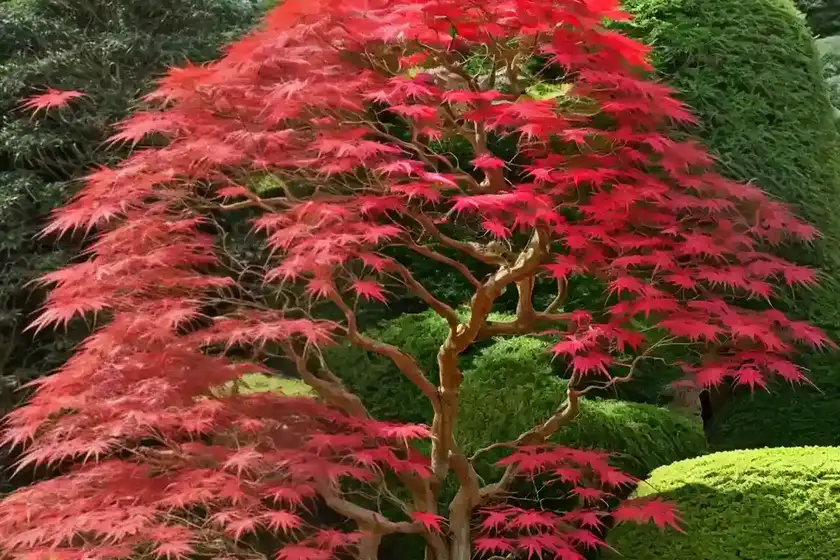
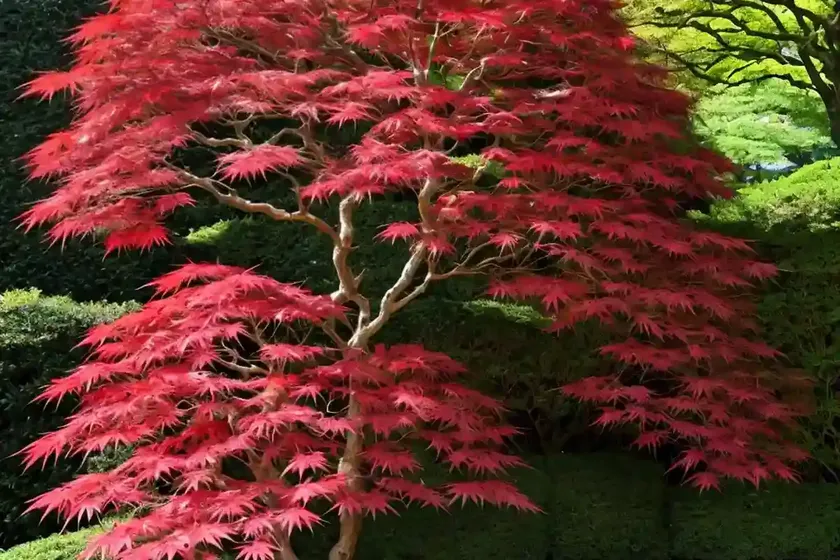
Introduction to Acer palmatum ‘Omure-Yama’ Acer palmatum ‘Omure-Yama’, commonly known as the Japanese Maple ‘Omure-Yama’, is a stunning ornamental tree.
Introduction to Acer palmatum ‘Omure-Yama’
Acer palmatum ‘Omure-Yama’, commonly known as the Japanese Maple ‘Omure-Yama’, is a stunning ornamental tree that has gained popularity for its unique characteristics, including its vibrant foliage and graceful form. This beautiful variety of Acer palmatum is highly regarded by gardeners and landscapers for its breathtaking display of colors and its ability to thrive in various garden settings.
Acer palmatum Omure-Yama Description
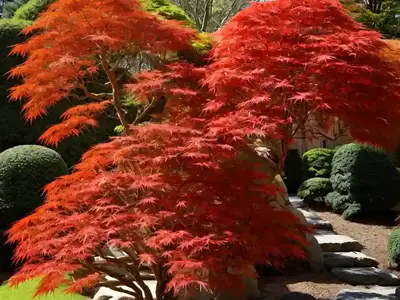
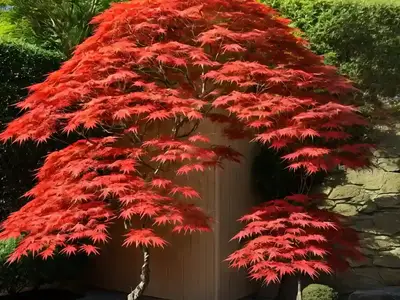
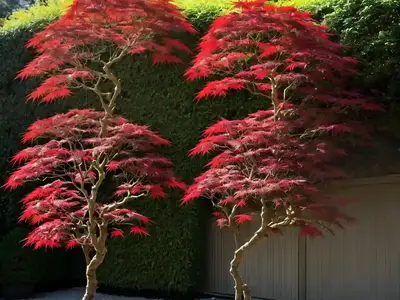
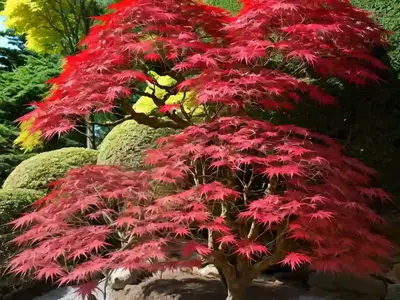
The ‘Omure-Yama’ Japanese Maple is a deciduous, multi-stemmed shrub or small tree with a broad-rounded form that typically grows slowly to 8-10 feet tall and wide. It features deeply lobed, palmate, bright green leaves that turn vibrant shades of orange, red, and yellow in the fall, creating a dramatic and picturesque display. The tree’s delicate, lacy foliage and elegant branching structure make it a standout feature in any landscape.
Key Takeaways – Acer palmatum ‘Omure-Yama’ (Japanese Maple)
As a plant scientist specializing in Acer palmatum ‘Omure-Yama’, it is crucial to understand the key aspects of its care and cultivation, as well as its uses, diseases, and pests. Here are the key takeaways when it comes to this stunning Japanese Maple variety.
Culture
- USDA Hardiness Zones: Acer palmatum ‘Omure-Yama’ is best suited for zones 5-8, where it thrives in temperate climates with distinct seasons.
- Landscape Use: The ‘Omure-Yama’ Japanese Maple is perfect for bringing elegance and color to landscapes, including woodland gardens, Japanese-style gardens, and as a focal point in smaller yards.
Uses
The Acer palmatum ‘Omure-Yama’ offers several uses in landscaping and garden design, including:
- Ornamental Tree: Its striking foliage and graceful form make it an excellent choice as an ornamental tree in residential and commercial landscapes.
- Japanese Garden Feature: The ‘Omure-Yama’ variety is particularly well-suited for Japanese-style gardens, where it adds a touch of authenticity and visual interest.
Water
- Watering Needs: Japanese Maples prefer consistently moist, well-drained soil. Regular watering, especially during dry periods, is essential to support healthy growth.
- Watering Frequency: While established trees are moderately drought-tolerant, they benefit from regular watering, especially during hot, dry spells in the summer.
Sunlight
- Light Requirements: Acer palmatum ‘Omure-Yama’ thrives in part shade to full sun. However, in hot climate regions, some afternoon shade can help protect it from scorching sun and heat stress.
Fertilizer
- Nutrient Needs: Japanese Maples benefit from a well-balanced, slow-release fertilizer designed for woody plants. Application in early spring before new growth emerges is ideal.
Soil
- Soil Type: Well-drained, fertile soil with a slightly acidic to neutral pH range is ideal for Acer palmatum ‘Omure-Yama’.
- Soil Amendments: Incorporating organic matter, such as compost or well-rotted manure, into the soil during planting can improve its structure and fertility.
Pruning
Proper pruning is essential for maintaining the health, shape, and appearance of Acer palmatum ‘Omure-Yama’. Key considerations for pruning include:
- Timing: Early spring is the best time for shaping and corrective pruning.
- Techniques: Prune with sterilized tools to remove dead, damaged, or crossing branches while maintaining the tree’s natural form and structure.
Propagation
For plant enthusiasts and nurseries interested in propagating Acer palmatum ‘Omure-Yama’, several methods can be employed, including:
- Seed Propagation: Growing from seed is possible but not recommended for preserving the characteristics of the parent plant.
- Cutting Propagation: Softwood or semi-hardwood cuttings can be taken in late spring or early summer and rooted under controlled conditions.
Container Popularity
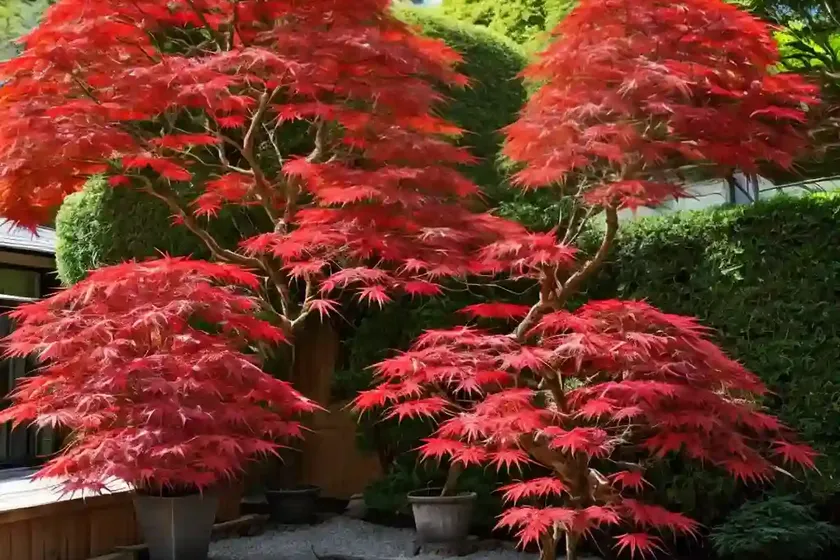
Acer palmatum ‘Omure-Yama’ is also a popular choice for container gardening, providing an opportunity to enjoy its beauty in smaller spaces such as patios, balconies, and urban gardens.
Container Common Diseases
While Japanese Maples are relatively low-maintenance, they can be susceptible to certain diseases, including:
- Anthracnose: This fungal disease can cause leaf spots and blighting, particularly in wet, cool conditions.
- Verticillium Wilt: A soil-borne fungal disease that can lead to wilting, dieback, and decline in affected trees.
Disease Diagnosis
When diagnosing and managing diseases in Acer palmatum ‘Omure-Yama’, it’s important to monitor for symptoms and implement measures to maintain the tree’s health, including:
- Practicing Good Sanitation: Removing and disposing of affected plant debris can minimize the spread of fungal diseases.
- Proper Watering: Avoiding overhead irrigation and ensuring proper drainage can help prevent certain fungal infections.
Common Pests
While generally resistant to major pest infestations, Japanese Maples, including ‘Omure-Yama’, can attract certain pests, such as:
- Aphids: These small, sap-feeding insects can cluster on new growth and may be managed with insecticidal soaps or horticultural oils.
- Scale Insects: These pests can infest branches and foliage, leading to decline if not addressed promptly.
Botanist’s Tips
For optimal care and cultivation of Acer palmatum ‘Omure-Yama’, consider the following expert recommendations:
- Mulching: Apply a 2-3 inch layer of organic mulch around the base of the tree to conserve soil moisture and suppress weeds.
- Winter Protection: In regions with harsh winters, consider wrapping young or vulnerable trees in burlap to shield them from drying winds and temperature fluctuations.
Fun Facts
As a plant scientist with a passion for Acer palmatum ‘Omure-Yama’, here are some fun and intriguing facts about this captivating Japanese Maple variety:
- Symbolism: In Japanese culture, the Japanese Maple is revered as a symbol of beauty and grace and is often featured in art and literature.
- Cultural Significance: Japanese Maples have been cultivated in Japan for centuries, with many unique cultivars developed and cherished as cultural treasures.
Links to External Resources
For additional information on Acer palmatum ‘Omure-Yama’, consider exploring the following resources:
- The American Horticultural Society: Japanese Maples
- The Morton Arboretum: Plant Clinic – Japanese Maple Problems
- University of Florida IFAS Extension: Scale Insects
In conclusion, Acer palmatum ‘Omure-Yama’, the Japanese Maple ‘Omure-Yama’, is a remarkable and cherished addition to any garden or landscape. With its alluring foliage, graceful form, and cultural significance, this captivating variety continues to captivate plant enthusiasts and designers alike, earning its place as an iconic ornamental tree.
As a plant scientist entranced by the beauty and resilience of Acer palmatum ‘Omure-Yama’, I celebrate its cultural significance and remarkable ornamental value. Whether adorning a Japanese-style garden, accentuating a woodland landscape, or gracing a container in a city courtyard, the ‘Omure-Yama’ Japanese Maple holds a unique place in the world of ornamental horticulture.