Acer Palmatum ‘Katsura’ (Japanese Maple)
What is Acer palmatum ‘Katsura’ (Japanese Maple)? Acer palmatum ‘Katsura’ is a breathtakingly beautiful deciduous shrub or small tree, commonly known as.
What is Acer palmatum ‘Katsura’ (Japanese Maple)?
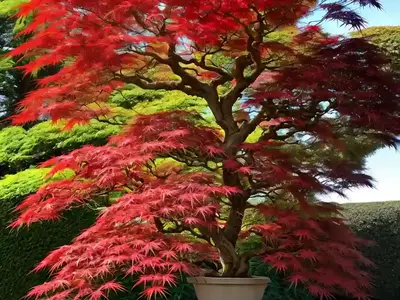
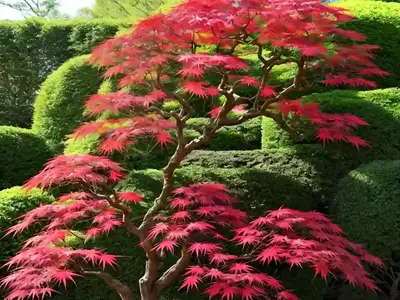
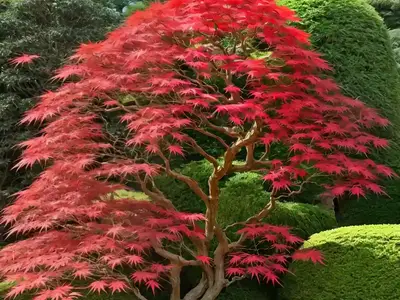
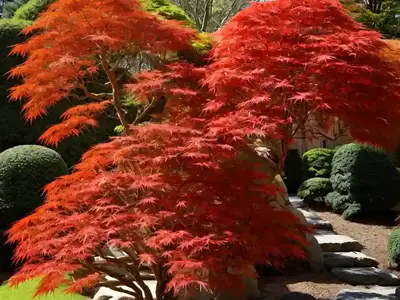
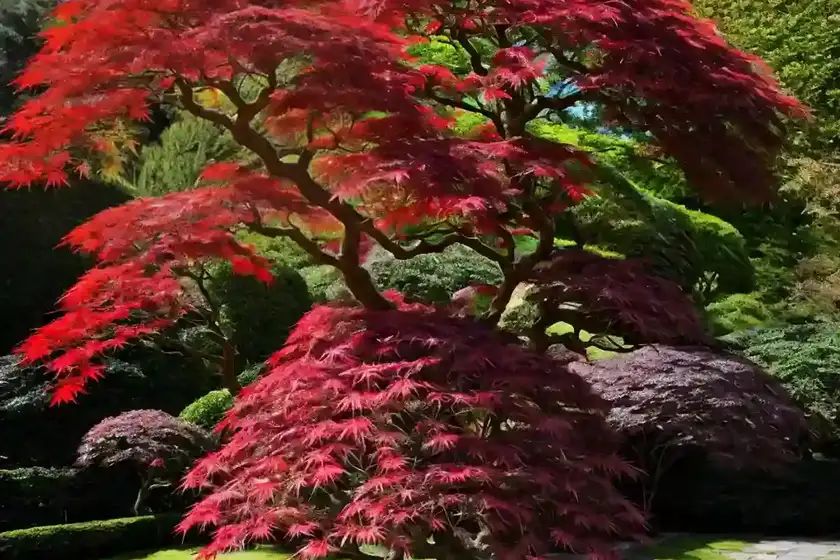
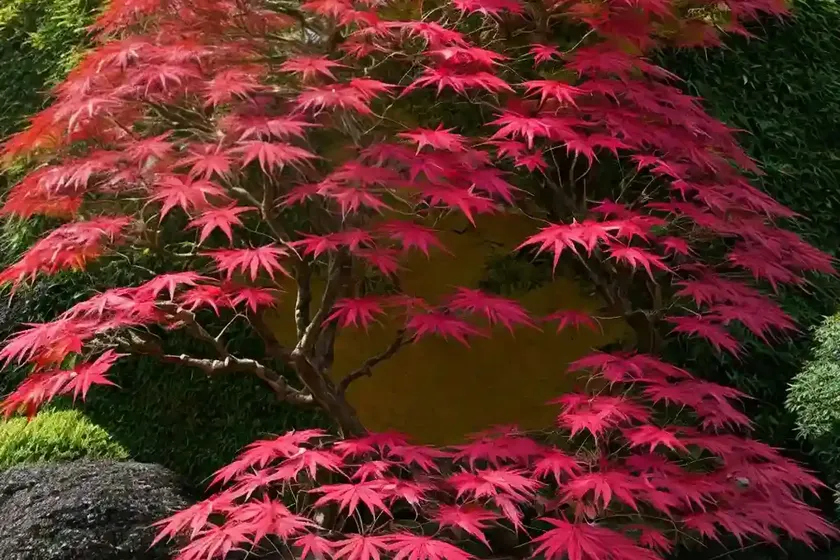
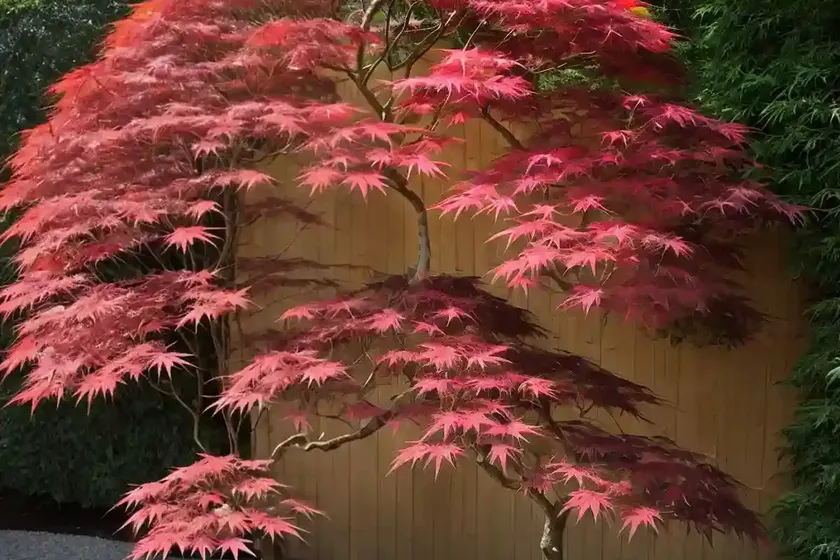
Acer palmatum ‘Katsura’ is a breathtakingly beautiful deciduous shrub or small tree, commonly known as the Japanese Maple. It is a member of the Sapindaceae family and is native to Japan, Korea, and China. This stunning plant is highly valued for its vibrant foliage, elegant branching, and compact size. The ‘Katsura’ variety is particularly renowned for its exceptional autumnal display of colors, making it a prized addition to gardens, landscapes, and even indoor spaces.
Key Takeaways – Acer palmatum ‘Katsura’ (Japanese Maple)
Culture
Acer palmatum ‘Katsura’ thrives in moist, well-drained soil and benefits from regular watering to maintain its health and vigor. It is essential to provide adequate protection from strong winds, particularly during its early years, to prevent damage to its delicate foliage and branches.
Uses
- Ornamental: ‘Katsura’ Japanese Maple is primarily grown for its aesthetic appeal, with its exquisite foliage and graceful form making it a perfect choice for adding visual interest and elegance to gardens, landscapes, and containers.
- Bonsai: The compact size and intricately branched structure of Acer palmatum ‘Katsura’ make it a coveted species for bonsai enthusiasts, offering an opportunity to create captivating miniature landscapes.
Water
Proper watering is critical for the health and vitality of Acer palmatum ‘Katsura’. While the plant appreciates consistently moist soil, it is important to avoid waterlogging, which can lead to root rot and other detrimental conditions.
Sunlight
Acer palmatum ‘Katsura’ thrives in dappled or partial shade, especially during the hot afternoon hours, as excessive direct sunlight can scorch its delicate foliage. However, it also requires some sunlight to encourage optimal growth and vibrant leaf colors.
Fertilizer
Fertilizing Acer palmatum ‘Katsura’ in the early spring and mid-summer with a balanced, slow-release fertilizer can help support its growth and enhance the brilliance of its foliage. It is essential to follow the recommended application rates and avoid over-fertilization, which can cause damage to the plant.
Soil
The ideal soil for Acer palmatum ‘Katsura’ is well-drained and humus-rich, with a slightly acidic to neutral pH. It is crucial to ensure that the soil is not compacted, as this can impede root development and lead to various health issues.
Pruning
Pruning Acer palmatum ‘Katsura’ should be done selectively, primarily to remove dead or damaged branches and shape the plant to enhance its natural form. It is advisable to avoid extensive pruning, especially during the active growing season, to prevent stress and maintain the plant’s overall well-being.
Propagation
Acer palmatum ‘Katsura’ can be propagated through various methods, including seed germination, softwood cuttings, and grafting. Each technique has its own set of requirements and challenges, and careful attention should be paid to ensure the successful propagation of this captivating plant.
Container Popularity
The compact size and stunning visual appeal of Acer palmatum ‘Katsura’ make it a perfect candidate for container gardening, allowing individuals with limited outdoor space to enjoy the beauty of this Japanese Maple on patios, balconies, and terraces.
Container Common Diseases
Despite being grown in containers, Acer palmatum ‘Katsura’ is not immune to certain diseases, including root rot, powdery mildew, and anthracnose. Proper care, including adequate watering, good air circulation, and regular inspections, can help prevent and manage these potential issues.
Disease Diagnosis
It is crucial to accurately identify any diseases affecting Acer palmatum ‘Katsura’ to implement appropriate control measures. Close monitoring of the plant’s overall health, including its foliage, branches, and root system, can aid in early detection and prompt treatment of any diseases.
Common Pests
While generally resistant to pests, Acer palmatum ‘Katsura’ may occasionally encounter insect infestations, such as aphids, scale insects, and caterpillars. Regular inspection and the use of natural predators or organic pest control methods can help keep these unwanted visitors at bay.
Botanist’s Tips
- Implement a regular inspection schedule to monitor the health and vitality of Acer palmatum ‘Katsura’ and promptly address any issues that may arise.
- Provide adequate protection from adverse weather conditions, such as strong winds and heavy snow, to safeguard the plant’s delicate foliage and branches.
- Consider companion planting to complement the beauty of Acer palmatum ‘Katsura’ and create harmonious and visually captivating landscapes.
Fun Facts
- The name “Katsura” is derived from the Japanese word for “cinnamon,” reflecting the warm, cinnamon-like hues of its autumn foliage.
- Acer palmatum ‘Katsura’ has been a coveted species in traditional Japanese gardens for centuries, prized for its aesthetic appeal and symbolic significance.
Links to External Resources
For further information and resources on Acer palmatum ‘Katsura’ (Japanese Maple), please refer to the following:
– The American Horticultural Society
– The Royal Horticultural Society
– The Arbor Day Foundation
In conclusion, Acer palmatum ‘Katsura’ (Japanese Maple) stands as a testament to the captivating beauty and enduring allure of ornamental plants. Its vibrant foliage, graceful form, and versatile uses make it a cherished addition to gardens, landscapes, and even indoor settings. The key to successfully cultivating and enjoying the splendor of this remarkable plant lies in providing the appropriate care, environment, and attention it deserves. With the knowledge and insights shared in this comprehensive guide, plant enthusiasts can embark on a journey to nurture and appreciate the exquisite charm of Acer palmatum ‘Katsura’ in all its seasonal glory.
Disclaimer: The information provided in this blog post is based on the scientific understanding and practical knowledge of plant science. It is intended for educational and informational purposes only and should not be considered as professional horticultural or botanical advice. For specific guidance on the cultivation, care, and management of Acer palmatum ‘Katsura’ (Japanese Maple), individuals are advised to consult with qualified horticulturists, arborists, or other relevant experts.