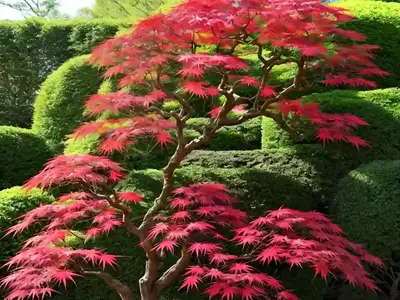
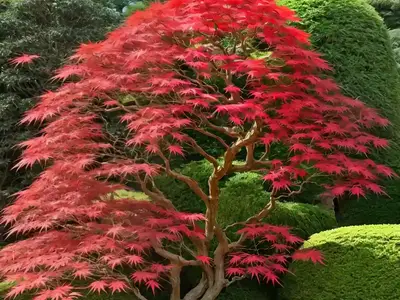
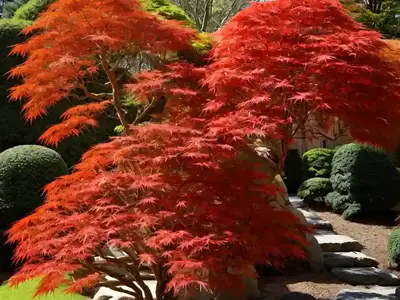
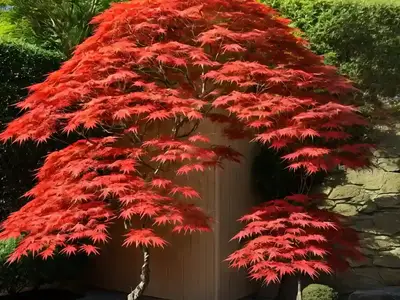
Acer Palmatum ‘Kinran’ (Japanese Maple)
Acer palmatum ‘Kinran,’ also known as the Japanese Maple ‘Kinran,’ is a stunning and highly prized cultivar of the Acer palmatum species. It belongs to the.
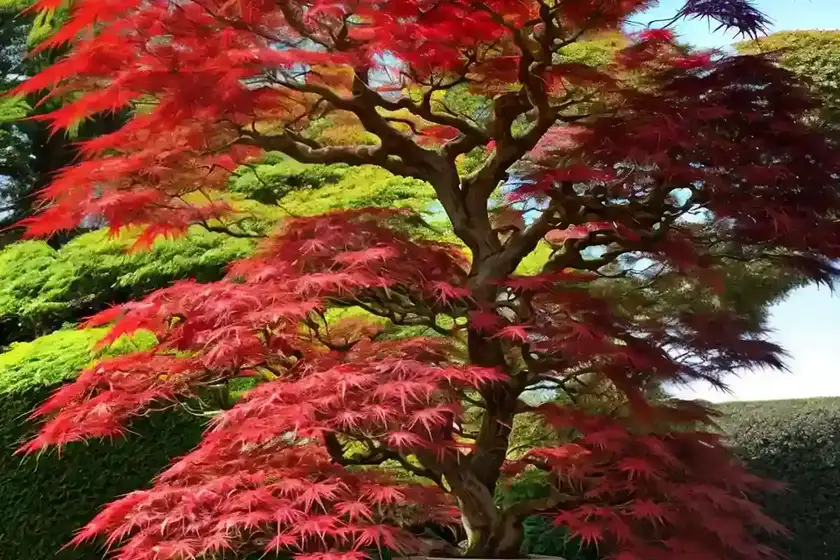
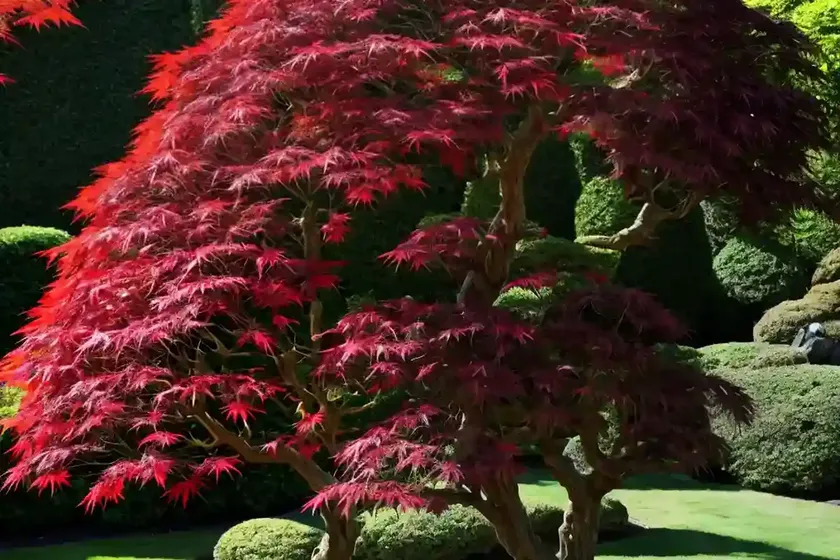
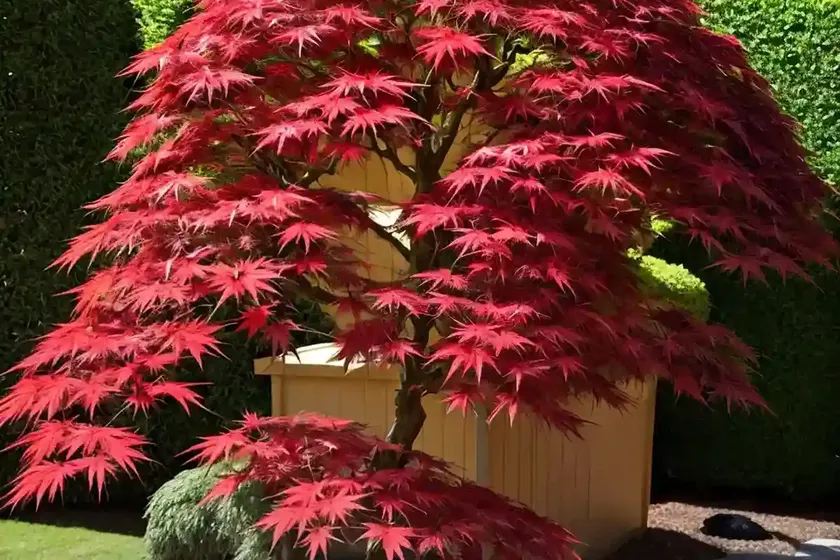
Acer palmatum ‘Kinran,’ also known as the Japanese Maple ‘Kinran,’ is a stunning and highly prized cultivar of the Acer palmatum species. It belongs to the family Aceraceae and is native to Japan, Korea, and China.
This cultivar is widely admired for its striking foliage and graceful form, making it a popular choice for landscaping and ornamental garden use. The ‘Kinran’ variety stands out due to its unique features, including its vibrant leaf color, compact size, and elegant branching structure.
Key Takeaways – Acer palmatum ‘Kinran’ (Japanese Maple)
Before diving into the details of caring for the Acer palmatum ‘Kinran,’ let’s explore its essential characteristics and key takeaways:
- Botanical Name: Acer palmatum ‘Kinran’
- Common Name: Japanese Maple ‘Kinran’
- Plant Type: Deciduous tree
- Mature Height: 6-8 feet
- Mature Spread: 6-8 feet
- Foliage Color: Variegated leaves with shades of green and gold
- Growth Rate: Slow
- Hardiness Zone: 5-9
- Landscaping Uses: Ornamental tree, focal point in a garden, Japanese-style gardens
- Special Features: Striking foliage, compact size, elegant branching
- Disease Resistance: Generally resistant to most diseases
- Pest Resistance: Relatively pest-free
Now that we have an overview of this captivating Japanese Maple cultivar, let’s delve into the specific aspects of caring for and cultivating Acer palmatum ‘Kinran.’
Culture
Cultivating Acer palmatum ‘Kinran’ involves understanding its specific cultural requirements, including its preferences for water, sunlight, soil, and fertilization. By meeting these needs, you can ensure that your ‘Kinran’ Japanese Maple thrives and maintains its stunning appearance.
Water
Proper watering is essential for the health and vigor of Acer palmatum ‘Kinran.’ While the specific water needs may vary based on factors such as climate and soil drainage, it is generally advisable to keep the soil consistently moist but not waterlogged, especially during the growing season.
Watering Tips for Acer palmatum ‘Kinran’:
– Provide regular watering, particularly during dry periods, to prevent drought stress.
– Use mulch around the base of the tree to help retain soil moisture and reduce water evaporation.
– Avoid overwatering, as excessively soggy soil can lead to root rot and other issues.
Sunlight
Acer palmatum ‘Kinran’ thrives in partially shaded to shaded locations, making it well-suited for areas with dappled sunlight or filtered shade. While it can tolerate some morning sun, it generally prefers protection from the intense afternoon sun, especially in warmer climates.
Sunlight Guidelines for Acer palmatum ‘Kinran’:
– Choose a planting location that provides partial shade or filtered sunlight, especially in regions with hot summers.
– Avoid exposing the ‘Kinran’ Japanese Maple to prolonged, direct afternoon sunlight, as this can scorch the delicate foliage.
– Monitor the tree’s response to its sunlight exposure and make adjustments as needed to ensure optimal growth and leaf coloration.
Fertilizer
Proper fertilization helps support the growth and development of Acer palmatum ‘Kinran,’ ensuring that it receives essential nutrients for healthy foliage and overall vitality. When selecting a fertilizer for the ‘Kinran’ Japanese Maple, consider using a balanced, slow-release fertilizer formulated for acid-loving plants.
Fertilization Recommendations for Acer palmatum ‘Kinran’:
– Apply a balanced, slow-release fertilizer in early spring before new growth emerges, following the product’s instructions for the correct application rate.
– Consider using a fertilizer designed for acid-loving plants to support the ‘Kinran’ cultivar’s specific nutritional needs.
– Avoid over-fertilization, as excessive nutrients can lead to imbalanced growth and potential damage to the tree.
Soil
The soil condition directly impacts the health and performance of Acer palmatum ‘Kinran.’ This cultivar thrives in well-draining, slightly acidic soil with good organic content. When planting or transplanting the ‘Kinran’ Japanese Maple, it is crucial to prepare the soil appropriately to support its root development and overall vigor.
Soil Requirements for Acer palmatum ‘Kinran’:
– Use well-draining, loamy soil with a slightly acidic pH (around 5.5-6.5) to create an optimal growing environment for the ‘Kinran’ cultivar.
– Incorporate organic matter, such as compost or aged bark, into the soil to improve its structure and enhance moisture retention.
– Perform a soil test to assess the pH and nutrient levels, making any necessary amendments to create a suitable planting site for Acer palmatum ‘Kinran.’
Pruning
Pruning plays a crucial role in maintaining the form, structure, and aesthetic appeal of Acer palmatum ‘Kinran.’ Proper pruning practices help remove dead or congested branches, shape the tree’s silhouette, and encourage healthy growth. Additionally, regular pruning can help enhance air circulation within the canopy, reducing the risk of fungal diseases.
Pruning Guidelines for Acer palmatum ‘Kinran’:
– Conduct pruning during the dormant season to minimize stress on the tree and allow for optimal healing of pruning wounds.
– Use clean, sharp pruning tools to make precise cuts and avoid causing unnecessary damage to the tree.
– Focus on removing dead, damaged, or crossing branches, as well as any excessive growth that detracts from the ‘Kinran’ Japanese Maple’s natural form.
Propagation
Acer palmatum ‘Kinran’ can be propagated through various methods, including seed sowing, hardwood cuttings, and grafting. Each propagation technique offers distinct advantages and challenges, allowing growers to choose the most suitable approach based on their specific resources and goals.
Propagation Methods for Acer palmatum ‘Kinran’:
– Seed Sowing: Propagating ‘Kinran’ Japanese Maple from seeds requires patience, as it involves stratifying the seeds and allowing for several years of growth before the plants reach maturity and express their unique characteristics.
– Hardwood Cuttings: Using hardwood cuttings from a desirable ‘Kinran’ specimen can yield genetically identical offspring, although success rates can vary based on environmental conditions and timing.
– Grafting: Budding or grafting ‘Kinran’ scions onto compatible rootstock offers a reliable method for producing true-to-type plants with consistent traits, often leading to faster establishment and development.
Container Popularity
The compact size and captivating visual appeal of Acer palmatum ‘Kinran’ make it a popular choice for container gardening. Whether used on patios, balconies, or urban landscapes, ‘Kinran’ Japanese Maple trees add a touch of elegance and natural beauty to confined spaces, allowing enthusiasts to enjoy their remarkable features up close.
Benefits of Growing Acer palmatum ‘Kinran’ in Containers:
– Space Optimization: Container cultivation enables individuals with limited outdoor space to incorporate the beauty of ‘Kinran’ Japanese Maple into their living environments.
– Versatile Placement: Containers provide the flexibility to position the ‘Kinran’ cultivar in various locations, such as entryways, decks, or courtyards, enhancing visual interest and charm.
– Ease of Maintenance: Containerized ‘Kinran’ trees can be more manageable to prune, water, and protect from specific environmental challenges, offering greater control over their care.
Common Diseases
While Acer palmatum ‘Kinran’ is generally resilient, it can be susceptible to certain diseases, particularly when subjected to unfavorable growing conditions or environmental stressors. Awareness of common diseases affecting this cultivar is essential for timely identification and appropriate management strategies.
Disease Diagnosis
When observing unusual symptoms or changes in the appearance of Acer palmatum ‘Kinran,’ it is crucial to promptly assess the potential causes and accurately diagnose any underlying diseases. Common indicators of disease issues may include abnormal leaf discoloration, foliage distortion, premature defoliation, or the presence of fungal or bacterial lesions.
Common Diseases Affecting Acer palmatum ‘Kinran’:
– Anthracnose: A fungal disease that causes dark, sunken spots on the leaves, often leading to defoliation and overall stress.
– Verticillium Wilt: This soil-borne fungal disease can result in wilting, yellowing, and dieback of the ‘Kinran’ Japanese Maple’s foliage, posing a significant threat to its health.
– Powdery Mildew: Characterized by powdery white patches on the leaf surface, powdery mildew can affect the aesthetic appeal and vigor of ‘Kinran’ trees, especially in humid conditions.
Disease Management and Prevention
To safeguard the health and vitality of Acer palmatum ‘Kinran,’ proactive disease management practices and preventative measures are indispensable. By implementing cultural controls, practicing good sanitation, and considering targeted interventions when necessary, growers can help mitigate the impact of common diseases on their ‘Kinran’ Japanese Maple trees.
Strategies for Disease Management and Prevention:
– Cultural Controls: Maintain proper spacing between ‘Kinran’ trees, promote adequate air circulation, and monitor moisture levels to create an environment less conducive to disease development.
– Sanitation Practices: Remove and dispose of any diseased foliage or plant debris, reducing the potential for disease inoculum to persist and spread within the growing area.
– Fungicidal Treatments: When warranted by disease severity, apply fungicidal products labeled for the specific diseases affecting ‘Kinran’ Japanese Maple, following the recommended application guidelines and safety precautions.
Common Pests
Acer palmatum ‘Kinran’ typically faces minimal pest pressure, thanks to its natural resilience and relative resistance to many common garden pests. However, occasional pest encounters can occur, necessitating vigilance and appropriate responses to protect the ‘Kinran’ cultivar from potential harm.
Key Pests Potentially Affecting Acer palmatum ‘Kinran’:
– Aphids: These small, soft-bodied insects can congregate on the new growth and tender shoots of ‘Kinran’ Japanese Maple, potentially causing distortion of the leaves and honeydew secretion.
– Scale Insects: Certain scale species may infest ‘Kinran’ trees, appearing as small, immobile bumps on the stems and branches, leading to weakening and stress.
– Caterpillars: Some caterpillar species may feed on the foliage of ‘Kinran’ Japanese Maple, consuming leaf tissue and creating visible feeding damage.
Botanist’s Tips
As a botanist specializing in ornamental trees, including the Acer palmatum species, I’ve gathered valuable insights and practical tips for cultivating and appreciating the beauty of ‘Kinran’ Japanese Maple. By integrating these expert recommendations into your care practices, you can elevate the success and enjoyment of growing this exceptional cultivar.
Botanist’s Recommendations for Acer palmatum ‘Kinran’
- Monitoring and Observation: Regularly observe the growth, foliage appearance, and overall condition of ‘Kinran’ Japanese Maple, allowing you to detect any potential issues or changes early on.
- Seasonal Adjustments: Tailor your care approach based on seasonal considerations, such as adapting watering frequency, adjusting sunlight exposure, and timing pruning activities to align with the tree’s dormancy.
- Maintaining Aesthetic Appeal: Embrace the unique aesthetic qualities of ‘Kinran’ foliage, appreciating its variegated coloration and graceful form while using selective pruning to highlight its inherent beauty.
- Landscape Integration: Consider the broader landscape context when incorporating ‘Kinran’ Japanese Maple into garden designs, aiming to complement its ornamental value while respecting its cultural requirements.
- Educational Resources: Explore reputable botanical sources, educational materials, and specialized publications to deepen your understanding of Acer palmatum ‘Kinran’ and refine your horticultural skills.
Fun Facts
Uncovering intriguing and delightful facts about Acer palmatum ‘Kinran’ adds an extra layer of appreciation for this exceptional Japanese Maple cultivar. From its captivating history to its unique attributes, these fun facts provide valuable insights into the charm and allure of the ‘Kinran’ variety.
Fascinating Tidbits about Acer palmatum ‘Kinran’
- Historical Significance: The name “Kinran” translates to “golden orchid,” reflecting the cultivar’s esteemed status and its association with elegance and beauty.
- Cultural Symbolism: Japanese Maples, including ‘Kinran,’ hold cultural significance in Japanese gardens and traditional art, symbolizing grace, tranquility, and the ephemeral nature of life.
- Leaf Variability: The variegated foliage of ‘Kinran’ Japanese Maple exhibits unique patterns and color transitions throughout the growing season, captivating observers with its ever-changing display.
- Bonsai Potential: Due to its compact growth habit and ornamental foliage, ‘Kinran’ is well-suited for bonsai cultivation, allowing enthusiasts to create miniature representations of its natural elegance.
- Seasonal Transitions: Witness the mesmerizing transformation of ‘Kinran’ foliage during autumn, as its leaves transition through vibrant shades of gold, orange, and red, creating a breathtaking display.
Links to External Resources
To expand your knowledge and access additional information about Acer palmatum ‘Kinran,’ I have compiled a selection of reputable external resources. These resources encompass botanical expertise, practical guidance, and inspirational insights, offering valuable support for your exploration of the captivating world of ‘Kinran’ Japanese Maple.
External Resources for Acer palmatum ‘Kinran’
- The American Horticultural Society: An esteemed organization providing horticultural education and resources, including publications and events highlighting Japanese Maple varieties.
- Royal Horticultural Society: Explore the RHS website for comprehensive guidance on growing and caring for Acer palmatum cultivars, featuring expert advice and plant profiles.
- University Extension Services: Many university extension services offer valuable resources and fact sheets on ornamental trees, including Japanese Maples and their cultural requirements.
- Botanical Gardens and Arboreta: Botanical gardens and arboreta often showcase diverse collections of ornamental trees, providing opportunities for immersive experiences and inspiration.
- Horticultural Publications: Consider exploring specialized horticultural publications and books focused on Japanese Maples, offering in-depth insights and visual inspiration.
By engaging with these external resources, you can enrich your understanding of Acer palmatum ‘Kinran’ and gain access to a wealth of knowledge, expert perspectives, and practical recommendations for cultivating and appreciating this exceptional Japanese Maple cultivar.
In conclusion, Acer palmatum ‘Kinran’ stands as a captivating ambassador of the diverse and enchanting world of Japanese Maples, weaving together aesthetic allure, horticultural intrigue, and cultural significance. Whether gracing garden landscapes, enlivening container gardens, or inspiring artistic interpretations, the ‘Kinran’ variety exemplifies the enduring appeal and timeless grace of its botanical lineage. Through attentive care, thoughtful design, and a deeper appreciation of its intrinsic beauty, ‘Kinran’ Japanese Maple invites enthusiasts to embark on a rewarding journey of discovery and cultivation, celebrating the magic of nature’s living masterpieces.
References:
- “Acer palmatum ‘Kinran’ – Japanese Maple.” Monrovia Nursery. https://www.monrovia.com/plant-catalog/plants/2632/kinran-japanese-maple
- “Japanese Maples.” American Conifer Society. https://conifersociety.org/conifers/japanese-maples/
- “Growing Japanese Maples.” University of Maryland Extension. https://extension.umd.edu/hgic/topics/growing-japanese-maples
- “Acer palmatum.” Missouri Botanical Garden. https://www.missouribotanicalgarden.org/PlantFinder/PlantFinderDetails.aspx?taxonid=283712
- “Japanese Maples.” National Gardening Association. https://garden.org/plants/group/japanesemaples/