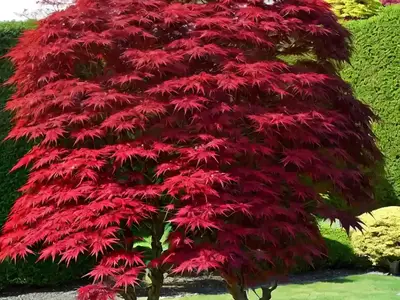
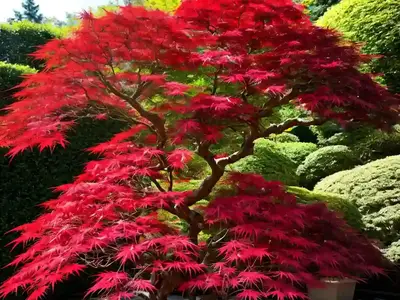
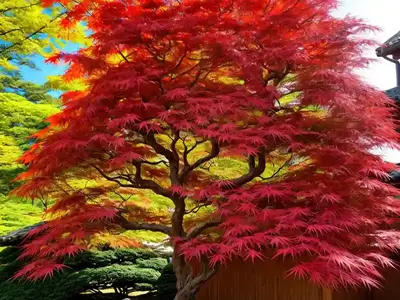
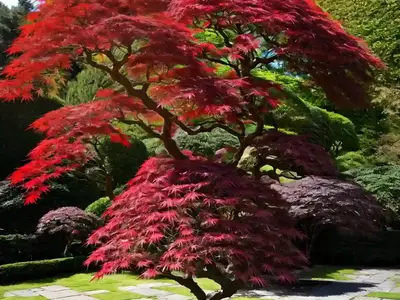
Acer Palmatum ‘Fireglow’ (Japanese Maple)
Acer palmatum ‘Fireglow’ is a mesmerizing cultivar of the Japanese Maple tree, known for its fiery foliage and graceful structure. As a plant scientist, I.
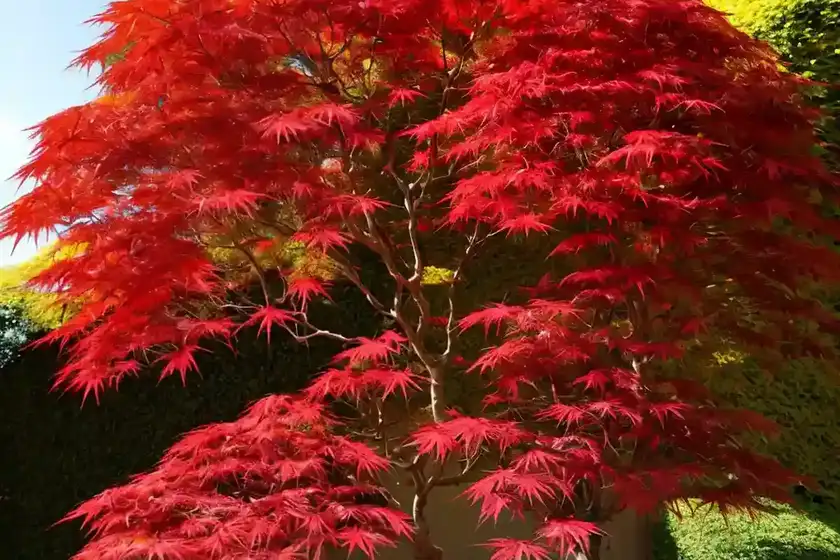
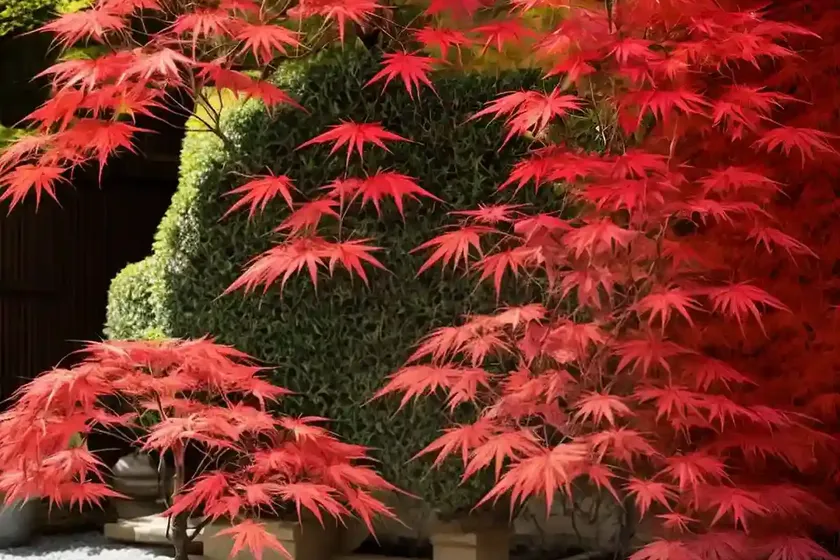
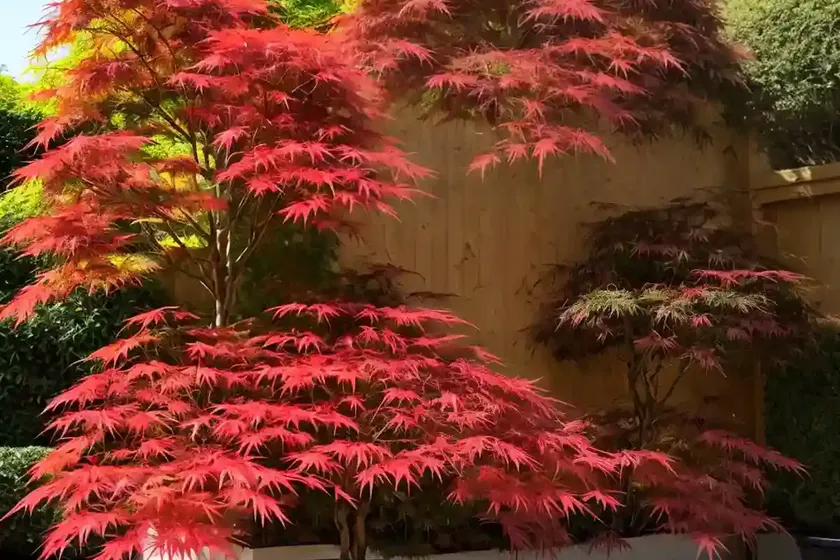
Acer palmatum ‘Fireglow’ is a mesmerizing cultivar of the Japanese Maple tree, known for its fiery foliage and graceful structure. As a plant scientist, I am excited to delve into the world of this enchanting species, exploring its characteristics, cultivation practices, common uses, diseases, and much more. In this comprehensive guide, we will unravel the intricacies of caring for Acer palmatum ‘Fireglow,’ providing invaluable insights and tips for both novice and experienced gardeners.
What is Acer palmatum ‘Fireglow’ (Japanese Maple)?
Acer palmatum, commonly known as the Japanese Maple, is a species of woody plant native to Japan, Korea, and China. It belongs to the Sapindaceae family and is renowned for its vibrant, often deeply lobed leaves and elegant form. ‘Fireglow’ is a specific cultivar of the Acer palmatum, characterized by its brilliant crimson foliage that intensifies in color during the fall season. This cultivar is highly prized for its ornamental value and is a popular choice for landscape design and container gardening.
Key Takeaways – Acer palmatum ‘Fireglow’ (Japanese Maple)
Before delving into the specific aspects of cultivating and caring for Acer palmatum ‘Fireglow,’ let’s take a moment to highlight the key takeaways associated with this captivating plant.
- Common Name: Japanese Maple ‘Fireglow’
- Scientific Name: Acer palmatum ‘Fireglow’
- Cultivar: ‘Fireglow’
- Characteristics: Fiery crimson foliage, graceful form, ornamental value
- Uses: Landscape focal point, container gardening, ornamental specimen
- Growth Habits: Slow-growing, compact form
- Distinct Features: Intense fall color, attractive bark, unique foliage
- Preferred Environment: Partial shade, moist, well-drained soil
- Challenges: Susceptibility to certain diseases and pests
- Cultural Significance: Revered for its aesthetic appeal and symbolic value in Japanese culture
- Popularity: Widely cultivated in gardens, parks, and botanical collections worldwide
Now, let’s explore the intricate details of cultivating and nurturing this exquisite variety of Japanese Maple.
Culture
Cultivating Acer palmatum ‘Fireglow’ requires a nuanced understanding of its specific environmental requirements and care practices. From soil preferences to pruning techniques, each aspect plays a pivotal role in ensuring the health and vibrancy of this botanical gem.
Water
Proper water management is essential for the well-being of Acer palmatum ‘Fireglow.’ Although it demonstrates a preference for consistently moist soil, it is crucial to avoid waterlogging, especially in poorly draining soil. During periods of prolonged drought, supplemental watering is beneficial, particularly for young or newly planted specimens.
Watering Guidelines:
- Young Trees: Regular watering, ensuring the soil is moist but not waterlogged
- Established Trees: Monitor soil moisture and water when the top inch of soil feels dry
- Drought Periods: Increase watering frequency, especially during hot, dry spells
- Avoid Standing Water: Prevent waterlogging by ensuring proper drainage in the planting area
Sunlight
Acer palmatum ‘Fireglow’ thrives in partial shade, particularly in regions with intense sunlight and high temperatures. While it can tolerate brief periods of direct sunlight, excessive exposure to harsh sun can lead to leaf scorch and diminished vibrancy of its foliage.
Sunlight Recommendations:
- Partial Shade: Ideal for preserving the vivid coloration of the foliage
- Protection from Midday Sun: Shelter from intense midday sun, especially in warmer climates
- Morning Sun, Afternoon Shade: Optimal sunlight balance for healthy growth and vibrant foliage
Fertilizer
Fertilization plays a crucial role in supporting the growth and vigor of Acer palmatum ‘Fireglow.’ A balanced, slow-release fertilizer formulated for acid-loving plants is recommended to provide essential nutrients without the risk of overfeeding.
Fertilization Guidelines:
- Timing: Apply fertilizer in early spring before the onset of new growth
- Moderation: Avoid excessive fertilization, which can lead to foliage burn and nutrient imbalance
- Specialized Formulations: Select fertilizers designed for acid-loving plants to cater to the specific needs of Japanese Maples
- Organic Options: Consider organic fertilizers to promote long-term soil health and microbial activity
Soil
The choice of soil and its properties significantly influence the overall health and vitality of Acer palmatum ‘Fireglow.’ Well-draining, slightly acidic soil rich in organic matter is conducive to its growth, ensuring adequate aeration and moisture retention.
Soil Requirements:
- Drainage: Well-draining soil to prevent waterlogging and root rot
- pH Level: Slightly acidic soil with a pH range of 5.5 to 6.5
- Organic Content: Enrich soil with organic matter to promote microbial activity and nutrient availability
- Mulching: Apply mulch to conserve soil moisture and inhibit weed growth
Pruning
Pruning is an essential aspect of maintaining the form, structure, and aesthetic appeal of Acer palmatum ‘Fireglow.’ Careful and deliberate pruning practices contribute to the overall health of the tree while enhancing its ornamental value.
Pruning Guidelines
- Timing: Prune during the dormant season to minimize stress and sap loss
- Selective Removal: Remove dead, damaged, or crossing branches to promote airflow and prevent disease
- Shape Enhancement: Trim for desired form and silhouette, emphasizing the natural grace of the tree
- Caution: Avoid excessive pruning, especially during the growing season, to prevent weakening of the tree
Propagation
Understanding the methods of propagation is valuable for expanding the presence of Acer palmatum ‘Fireglow’ in gardens and landscapes. While it can be propagated through various techniques, including seed germination and vegetative propagation, certain approaches are more reliable for maintaining the desired characteristics of the cultivar.
Propagation Methods
- Grafting: Utilize grafting techniques to propagate exact replicas of the ‘Fireglow’ cultivar, ensuring consistency in color and form
- Cuttings: Experiment with semi-hardwood cuttings in late summer or early autumn, utilizing rooting hormone for enhanced success
- Seed Propagation: Explore seed propagation for genetic diversity, acknowledging the potential variations in foliage color and characteristics
Container Popularity
The compact form and ornamental beauty of Acer palmatum ‘Fireglow’ make it an ideal candidate for container gardening. Its graceful structure and vibrant foliage contribute to its popularity as a container plant, allowing it to thrive in various settings, from urban balconies to serene garden patios.
Container Gardening Advantages:
- Space Efficiency: Well-suited for small gardens, patios, and urban landscapes
- Versatility: Adaptable to different container sizes and styles, enhancing visual interest
- Portability: Facilitates rearrangement and mobility, catering to evolving aesthetic preferences or environmental conditions
- Year-Round Appeal: Provides year-round ornamental value, especially in regions with colder climates
Common Diseases
Like all living organisms, Acer palmatum ‘Fireglow’ is susceptible to certain diseases that can impact its health and appearance. Understanding the signs and preventive measures for common diseases is crucial for maintaining the well-being of this captivating tree.
Disease Overview
- Anthracnose: A fungal disease that causes dark, irregular lesions on the foliage, often accompanied by premature leaf drop
- Verticillium Wilt: Pathogenic fungal infection leading to wilting, leaf discoloration, and dieback of branches
- Tar Spot: Characterized by black, tar-like spots on the foliage, potentially affecting photosynthesis and overall vigor
- Root Rot: Excessive soil moisture can lead to root rot, manifesting as wilting, yellowing foliage, and stunted growth
- Powdery Mildew: White powdery patches on the leaves, primarily occurring in humid conditions
Disease Management
- Cultural Practices: Promote good air circulation, proper watering, and mulching to prevent favorable conditions for fungal diseases
- Pruning: Remove and destroy infected plant material to prevent the spread of diseases
- Fungicidal Treatments: Consider targeted fungicidal applications for severe or recurring infections, adhering to safety guidelines and environmental considerations
Disease Diagnosis
Accurate diagnosis of potential diseases is crucial for implementing effective control measures and preserving the health of Acer palmatum ‘Fireglow.’ Observing and recognizing the symptoms and patterns of diseases facilitates prompt intervention, minimizing the impact on the tree.
Symptoms to Watch For
- Leaf Discoloration: Unusual leaf coloration, spots, or patterns
- Wilting: Sudden wilting or drooping of foliage, particularly in the absence of water stress
- Abnormal Growth: Dieback of branches, stunted growth, or distorted foliage
- Fungal Growth: Presence of fungal spores, powdery patches, or lesions on the leaves
- General Decline: Overall decline in vigor, manifested through reduced foliage density and vitality
Diagnostic Resources
- Local Extension Services: Consult local agricultural extension offices or plant clinics for expert diagnosis and guidance
- Botanical Gardens: Seek assistance from botanical gardens or arboreta with specialized knowledge of Japanese Maples and related diseases
- Online Resources: Utilize reputable online resources and diagnostic guides provided by agricultural universities and plant pathology experts
Common Pests
While resilient, Acer palmatum ‘Fireglow’ is susceptible to certain pests that can compromise its health and aesthetic appeal. Understanding the pest pressure and adopting proactive pest management strategies are essential for preserving the vitality of this ornamental tree.
Pest Profiles
- Aphids: Small, sap-sucking insects that can lead to distorted growth and honeydew accumulation
- Scale Insects: Immobile insects that form protective shells on the branches and foliage, causing stress and reduced vigor
- Caterpillars: Foliage-chewing caterpillars, including the larvae of various moth species, can defoliate the tree and impact its energy reserves
- Spider Mites: Tiny arachnids that cause stippling and webbing on the foliage, often favored by hot and dry conditions
- Japanese Beetles: Foliage-feeding pests that can skeletonize leaves and weaken the overall health of the tree
Pest Management
- Monitoring: Regularly inspect the foliage and branches for signs of pest activity, particularly during the growing season
- Biological Controls: Encourage beneficial predators and parasites that naturally regulate pest populations, such as ladybugs and lacewings
- Horticultural Oils: Consider horticultural oils or insecticidal soaps to suppress soft-bodied pests without harming beneficial insects
- Integrated Pest Management (IPM): Adopt an IPM approach, combining cultural, biological, and chemical control methods based on the severity of pest infestations
Botanist’s Tips
As a plant scientist with a passion for Acer palmatum ‘Fireglow,’ I am pleased to share some valuable tips and insights for cultivating and appreciating the beauty of this remarkable tree.
Tip 1: Personalized Pruning
Embrace the artistic aspect of pruning Japanese Maples, allowing the tree to showcase its natural grace and form. Each pruning cut should be considered thoughtfully, respecting the tree’s inherent beauty and growth habit.
Tip 2: Seasonal Observation
Closely observe the seasonal changes in foliage color, texture, and overall appearance, appreciating the dynamic nature of Acer palmatum ‘Fireglow’ throughout the year.
Tip 3: Site Selection
Choose a sheltered location with dappled sunlight and protection from strong winds, providing an optimal environment for the tree to thrive and exhibit its full beauty.
Tip 4: Soil Enrichment
Prioritize soil health and fertility through the regular addition of organic matter, fostering a vibrant microbial community and sustaining the long-term vitality of the tree.
Tip 5: Educational Engagement
Engage with local horticultural societies, botanical gardens, and educational events to expand your knowledge of Japanese Maples and connect with fellow enthusiasts.
Fun Facts
To deepen our appreciation for Acer palmatum ‘Fireglow’ and its place in horticulture, let’s explore some intriguing and lesser-known facts about this captivating tree.
- Symbolic Meaning: In Japanese culture, the Japanese Maple is revered for its symbolism of grace, peacefulness, and enduring beauty, often featured in traditional gardens and art forms.
- Historical Significance: The cultivation and appreciation of Japanese Maples have a rich historical legacy, with roots in ancient horticultural traditions and aristocratic gardens.
- Seasonal Showcase: The transition of ‘Fireglow’ foliage from crimson in spring and summer to intense scarlet in autumn creates a breathtaking seasonal spectacle.
- International Allure: Acer palmatum ‘Fireglow’ has gained global recognition and acclaim, featuring prominently in diverse gardens and public spaces across continents.
- Cultural Integration: Japanese Maples have transcended cultural boundaries, becoming cherished components of diverse garden styles, from Japanese tea gardens to contemporary landscapes.
Links to External Resources
As we continue our journey of exploration and appreciation for Acer palmatum ‘Fireglow,’ let’s harness the wealth of knowledge offered by reputable external resources dedicated to Japanese Maples and ornamental horticulture.
Websites
- American Horticultural Society: A comprehensive source of horticultural information with valuable insights into Japanese Maples and ornamental tree care.
- Royal Horticultural Society: Explore the extensive resources provided by the RHS, offering guidance on cultivating Japanese Maples in various environments.
- Missouri Botanical Garden: Delve into the botanical knowledge and conservation efforts related to Acer palmatum and its cultivars.
Organizations
- American Society of Horticultural Science: Access scholarly publications and cutting-edge research related to ornamental horticulture and tree physiology.
- Botanical Society of America: Engage with the botanical community and stay informed about the latest developments in plant science and horticultural practices.
- European Nursery Catalogue: Explore a diverse array of nurseries specializing in Japanese Maples and ornamental tree species, enriching your gardening pursuits.
Publications
- Fine Gardening Magazine: Discover in-depth articles and expert advice on ornamental tree cultivation and landscape design.
- The Plantsman Journal: Immerse yourself in the world of horticultural literature, accessing botanical insights and captivating narratives related to Japanese Maples.
- International Dendrology Society: Access a treasure trove of dendrological resources and publications, delving into the realm of woody plant taxonomy and cultivation.
As we conclude our comprehensive exploration of Acer palmatum ‘Fireglow,’ I hope this guide has inspired a deeper appreciation for the ornamental beauty and horticultural significance of this remarkable Japanese Maple cultivar. Whether adorning a serene garden retreat or invigorating an urban landscape, the ‘Fireglow’ cultivar continues to captivate and enchant, embodying the timeless allure of ornamental trees in horticulture and botanical artistry.