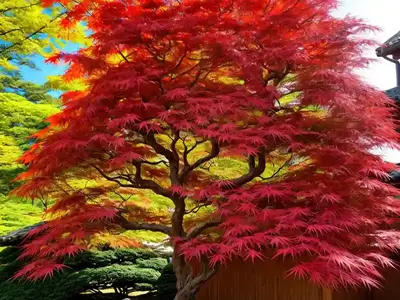
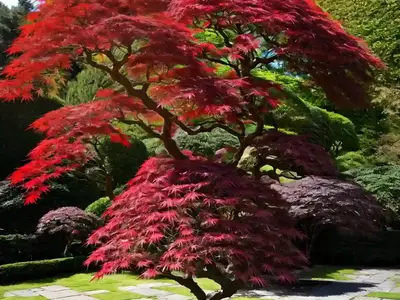
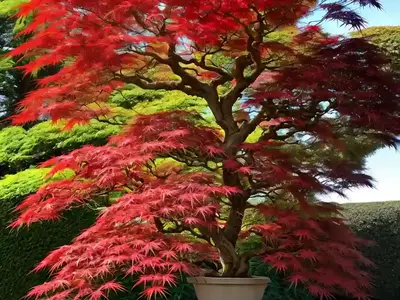
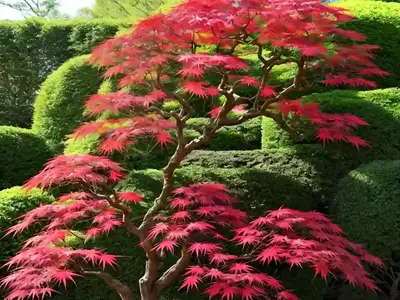
Acer Palmatum ‘Geisha Gone Wild’ (Japanese Maple)
Acer palmatum ‘Geisha Gone Wild’, commonly known as Japanese Maple, is a beloved ornamental tree that is prized for its stunning foliage, elegant form, and.
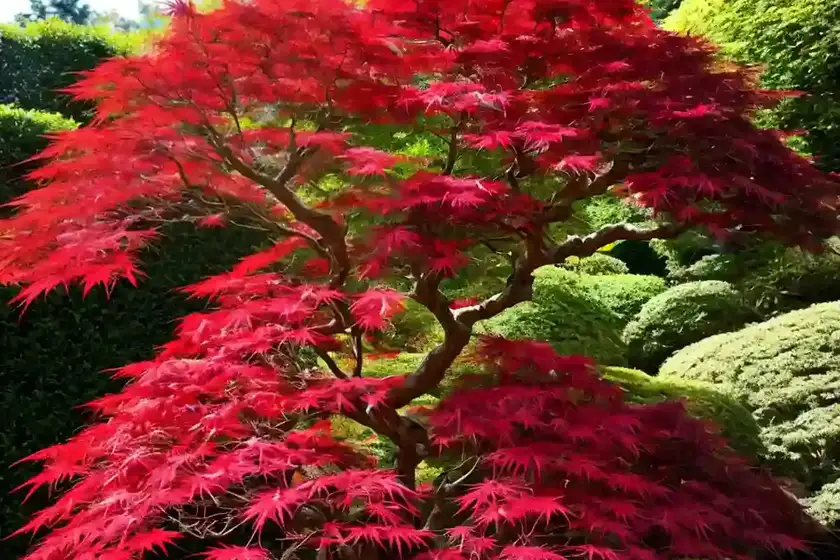
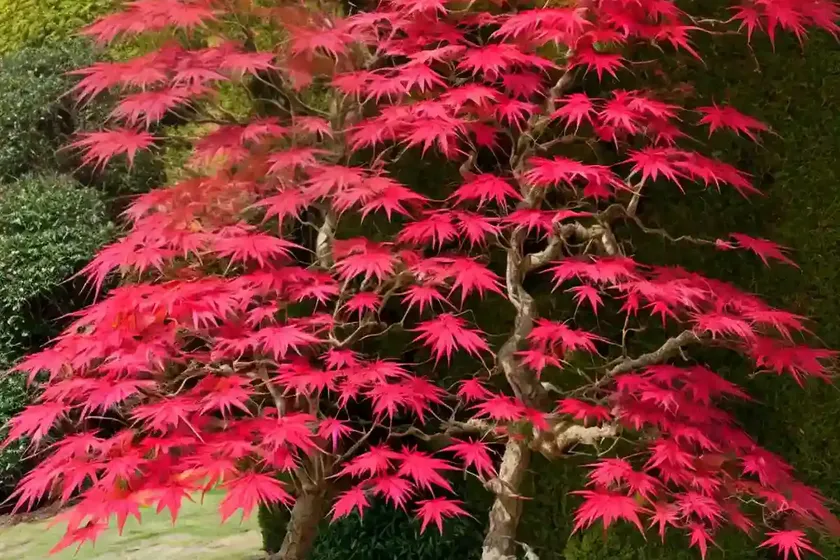
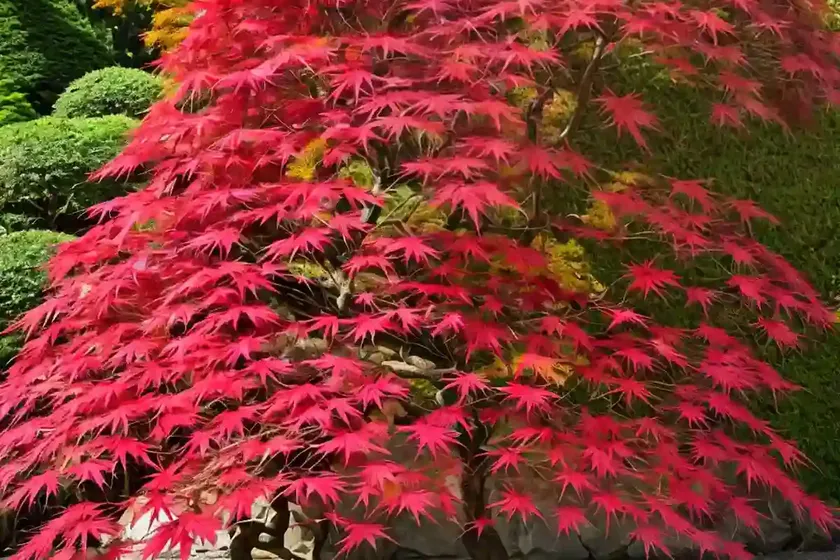
Acer palmatum ‘Geisha Gone Wild’, commonly known as Japanese Maple, is a beloved ornamental tree that is prized for its stunning foliage, elegant form, and adaptability to various landscapes. This comprehensive guide aims to provide plant enthusiasts, gardeners, and horticulturists with essential information about the characteristics, care, cultivation, and maintenance of this beautiful plant.
What is Acer palmatum ‘Geisha Gone Wild’?
Acer palmatum ‘Geisha Gone Wild’ is a unique and captivating variety of the Japanese Maple, renowned for its extraordinary leaf variegation patterns and vibrant colors. This deciduous tree belongs to the Aceraceae family and is native to Japan and Korea. Its remarkable foliage transforms throughout the seasons, showcasing a kaleidoscope of hues, making it a popular choice for gardens, landscapes, and urban spaces.
Acer palmatum ‘Geisha Gone Wild’ Characteristics
- Leaf Variegation: The foliage of ‘Geisha Gone Wild’ displays an exquisite variegation pattern with a blend of pink, green, and white, lending a distinct and eye-catching appeal to the tree.
- Growth Habit: This cultivar generally forms a compact, upright, and bushy growth habit, making it suitable for both large and small garden spaces.
- Fall Foliage: During the autumn season, the leaves transition to striking shades of orange, red, and yellow, offering a breathtaking display of fall colors.
- Mature Size: When fully grown, ‘Geisha Gone Wild’ typically reaches a height of 6-8 feet, with a similar spread, making it an excellent choice for landscaping and container gardening.
- Leaf Coloration: The delicate leaves of this variety exhibit a range of colors including pink, white, green, and red, creating a visually captivating spectacle.
Key Takeaways – Acer palmatum ‘Geisha Gone Wild’
Culture
- Companion Plants: ‘Geisha Gone Wild’ complements a wide range of companion plants, such as Rhododendrons, Azaleas, and Hostas, enhancing the overall aesthetic appeal of the garden.
- Landscape Design: It serves as an excellent focal point in landscape designs, adding a touch of elegance and sophistication to outdoor spaces.
- Container Gardening: Ideal for container gardening on patios, balconies, and small gardens, offering a compact and ornamental addition to urban landscapes.
Uses
- Ornamental Purposes: It is primarily cultivated for its ornamental value, used as a prominent feature in gardens, parks, and public spaces for its striking foliage and aesthetic appeal.
- Bonsai: ‘Geisha Gone Wild’ is suitable for bonsai cultivation, owing to its compact growth habit and exquisite leaf patterns, making it an ideal choice for bonsai enthusiasts.
Water
- Water Requirements: Adequate and regular watering is essential, especially during the summer months, to maintain soil moisture and support healthy growth. However, it is important to ensure proper drainage to prevent waterlogged conditions.
Sunlight
- Sunlight Needs: Partial shade to full sun exposure is favorable for ‘Geisha Gone Wild’. It thrives in dappled shade, particularly during the intense afternoon sunlight in warmer climates.
Fertilizer
- Fertilization: Applying a balanced, slow-release fertilizer in spring is beneficial for promoting vigorous growth and enhancing the overall health of the tree. It is important to follow the recommended dosage to prevent over-fertilization.
Soil
- Soil Preferences: Well-draining, loamy soil with a slightly acidic to neutral pH is conducive to the healthy development of ‘Geisha Gone Wild’. Amending the soil with organic matter improves its fertility and structure.
Pruning
- Pruning Techniques: Regular pruning is recommended to maintain the desired shape, remove dead or diseased branches, and enhance air circulation within the canopy. Pruning in late winter or early spring is ideal to minimize sap loss and accelerate wound healing.
Propagation
- Propagation Methods: ‘Geisha Gone Wild’ can be propagated through various methods including softwood cuttings, hardwood cuttings, and grafting. Each approach has its specific requirements and is generally performed during the appropriate seasons for optimal success.
Container Popularity
- Container Gardening: Due to its compact size and ornamental foliage, ‘Geisha Gone Wild’ is well-suited for cultivation in containers, making it a preferred choice for urban gardens, patios, and limited garden spaces.
Common Diseases
- Leaf Spot: It may be susceptible to fungal leaf spot diseases under humid and damp conditions. Maintaining good air circulation and avoiding overhead watering can mitigate the risk.
- Verticillium Wilt: In some cases, ‘Geisha Gone Wild’ may be vulnerable to Verticillium wilt, which can cause wilting and decline. Ensuring proper soil drainage and avoiding stress can prevent this disease.
Disease Diagnosis
- Consult an Expert: If you observe any unusual symptoms or signs of disease, it is advisable to consult a horticulturist or plant pathologist for accurate diagnosis and appropriate management strategies.
Common Pests
- Aphids: These tiny, sap-sucking insects can infest the foliage of ‘Geisha Gone Wild’, causing distortion and damage. Natural predators, insecticidal soaps, or horticultural oils can help control aphid populations.
Botanist’s Tips
- Monitor Moisture Levels: Regularly check the soil moisture to ensure it is consistently damp, but not waterlogged. Adjust watering frequency based on environmental conditions and the plant’s water requirements.
- Inspect and Treat: Routinely inspect the foliage for signs of pests, diseases, or nutrient deficiencies. Timely intervention can prevent potential issues from escalating.
Fun Facts
- The name “Geisha Gone Wild” pays homage to the distinctive and flamboyant variegation patterns that evoke a sense of playful and unconventional beauty.
- Japanese Maple symbolizes peace, serenity, and tranquility in Japanese culture, and is often associated with Zen gardens and contemplative spaces.
Links to External Resources
For further information, detailed care guides, and inspiration, consider exploring the following external resources:
In the subsequent sections, we will delve deeper into the nuances of caring for Acer palmatum ‘Geisha Gone Wild’, encompassing planting guidelines, maintenance practices, disease prevention, and propagation techniques to ensure the optimal thriving of this captivating Japanese Maple variety.