Acer Palmatum ‘Emerald Lace’ (Laceleaf Japanese Maple)
Acer palmatum ‘Emerald Lace’ is a beautiful and delicate Laceleaf Japanese Maple cultivar that is cherished for its graceful form, vibrant foliage, and.
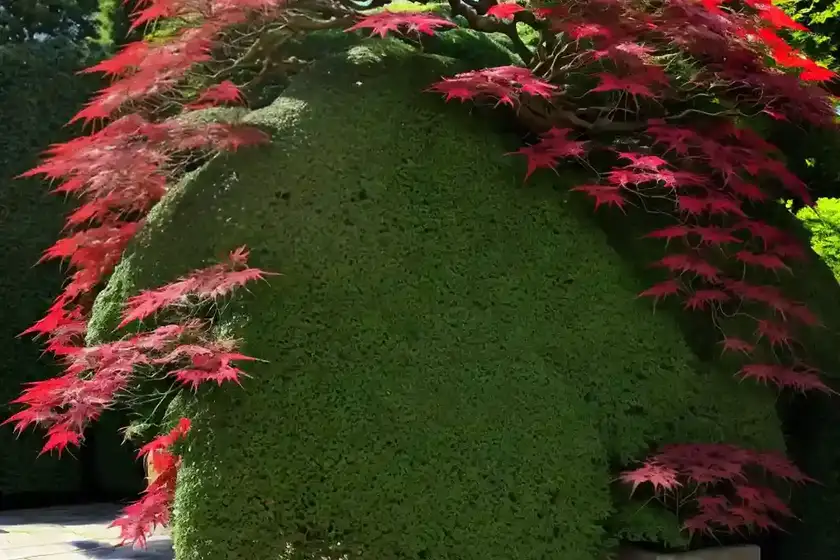


Acer palmatum ‘Emerald Lace’ is a beautiful and delicate Laceleaf Japanese Maple cultivar that is cherished for its graceful form, vibrant foliage, and elegant presence in the landscape. As a Plant Scientist, I am excited to share a comprehensive guide to the care, culture, and maintenance of this stunning plant. In this article, we will delve into the key aspects of caring for Acer palmatum ‘Emerald Lace’, including its cultural requirements, uses, water and sunlight needs, soil preferences, pruning techniques, propagation methods, common diseases and pests, as well as intriguing fun facts and botanist’s tips. Whether you are a gardening enthusiast, a landscaper, or a plant lover, this guide aims to equip you with insights and knowledge to nurture and appreciate the beauty of Acer palmatum ‘Emerald Lace’.
What is Acer palmatum ‘Emerald Lace’ (Laceleaf Japanese Maple)?
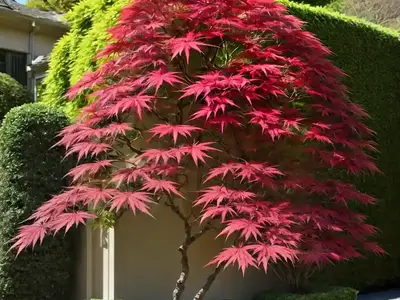
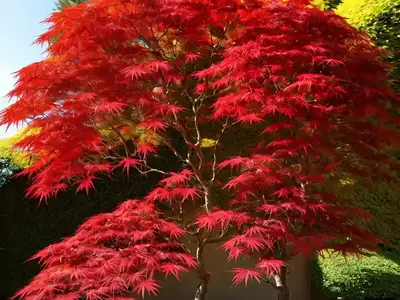
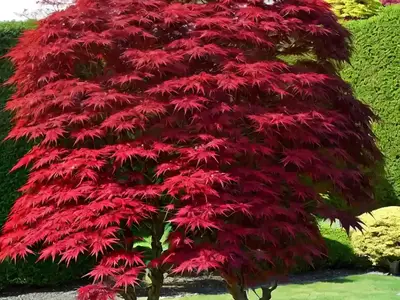
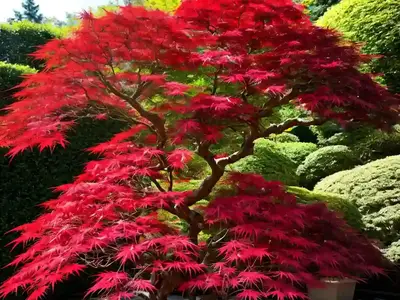
Acer palmatum, commonly known as Japanese Maple, is a species of woody plant native to Japan, Korea, and China. This species encompasses a diverse range of cultivars, including the Laceleaf Japanese Maple group, which is celebrated for its intricately dissected foliage and elegant, cascading form. Acer palmatum ‘Emerald Lace’ is a specific cultivar within the Laceleaf group, and it is renowned for its finely-cut, lacy green leaves that emerge in spring, turning to brilliant shades of golden-yellow and orange in the fall. This delicate and ornamental tree typically reaches a height of 6-8 feet with an equal spread, making it an ideal choice for smaller gardens, urban landscapes, and container plantings.
Key Takeaways – Acer palmatum ‘Emerald Lace’ (Laceleaf Japanese Maple)
Culture
- Scientific Name: Acer palmatum ‘Emerald Lace’
- Common Name: Laceleaf Japanese Maple
- Plant Type: Deciduous shrub or small tree
- Mature Size: 6-8 feet tall and wide
- Growth Rate: Moderate
Uses
- Landscape Design: Specimen tree, accent plant, focal point, container plantings, Japanese-style gardens
- Outdoor Spaces: Small gardens, courtyards, patios, woodland gardens
- Aesthetic Appeal: Elegant and delicate foliage, vibrant fall colors
Water
- Watering Needs: Regular watering, especially during dry periods
- Soil Moisture: Moist, well-drained soil
- Drought Tolerance: Moderate
Sunlight
- Light Requirements: Partial shade to full sun
- Sun Exposure: Morning sun with afternoon shade is ideal
- Shade Tolerance: Moderate
Fertilizer
- Feeding Schedule: Fertilize in spring before new growth appears
- Fertilizer Type: Balanced, slow-release fertilizer for acid-loving plants
- Application Method: Evenly spread fertilizer around the root zone
Soil
- Soil Type: Well-drained, acidic soil
- Soil Preferences: Sandy loam, loam, or clay loam
- Soil pH: Slightly acidic (pH 5.5-6.5)
Pruning
- Pruning Needs: Minimal pruning for shaping and removing dead or damaged branches
- Pruning Time: Late winter to early spring before new growth emerges
- Pruning Techniques: Selective pruning to maintain shape and structure
Propagation
- Propagation Methods: Softwood cuttings, hardwood cuttings, and layering
- Propagation Time: Early summer for softwood cuttings, late autumn for hardwood cuttings
- Propagation Medium: Well-draining potting mix
Container Popularity
- Container Growth: Well-suited for container plantings and bonsai
- Container Size: Use a large container to accommodate root growth
- Container Material: Porous, terracotta containers are preferred
Common Diseases
- Disease Susceptibility: Verticillium wilt, leaf spot diseases
- Symptoms: Yellowing and browning of leaves, wilting
- Preventive Measures: Good air circulation, proper sanitation
Disease Diagnosis
- Diagnostic Process: Visual inspection, laboratory testing if necessary
- Lab Analysis: Leaf tissue and soil samples for pathogen identification
- Professional Assistance: Consult with plant pathologists for diagnosis
Common Pests
- Pest Concerns: Aphids, scale insects, and caterpillars
- Damage Symptoms: Sucking of plant sap, leaf distortion, and defoliation
- Integrated Pest Management: Monitoring, mechanical control, and targeted pesticide applications
Botanist’s Tips
- Seasonal Care: Monitor soil moisture during summer, protect from harsh winter winds
- Leaf Maintenance: Avoid wetting foliage to prevent fungal diseases
- Landscape Placement: Consider surrounding plants and structures for optimal aesthetics
- Mulching Benefits: Apply organic mulch to conserve moisture and insulate roots
Fun Facts
- Leaf Diversity: Acer palmatum ‘Emerald Lace’ showcases a stunning array of leaf shapes and colors throughout the seasons
- Cultural Significance: Japanese Maples have been revered in Japanese and East Asian gardens for centuries
- Symbolism: Japanese Maples are associated with beauty, elegance, and the transient nature of life in Japanese culture
Links to External Resources
To complement the information provided in this article, I recommend exploring the following external resources for further insights:
- Acer palmatum ‘Emerald Lace’ Care Guide – Royal Horticultural Society
- Laceleaf Japanese Maple Varieties – The Spruce
- Pruning Acer palmatum ‘Emerald Lace’ – University of Maryland Extension
- Growing Acer palmatum ‘Emerald Lace’ – Fine Gardening
- Laceleaf Japanese Maple Landscape Ideas – Garden Design
The above resources cover a spectrum of topics related to Acer palmatum ‘Emerald Lace’, including care guidelines, pruning techniques, landscape design ideas, and specific cultivar characteristics. Additionally, they offer practical insights and professional advice for cultivating and appreciating Laceleaf Japanese Maples in various garden settings.
By leveraging these external resources in conjunction with the information presented in this article, plant enthusiasts can enrich their knowledge and gain a holistic understanding of nurturing Acer palmatum ‘Emerald Lace’ to its fullest potential.
At this point, you’ve gained a substantial understanding of the key aspects of caring for Acer palmatum ‘Emerald Lace’ (Laceleaf Japanese Maple), from its cultural requirements to its distinctive uses and maintenance practices. Whether you are contemplating adding this exquisite cultivar to your garden or seeking to enhance your existing knowledge, I hope this guide serves as a valuable resource in your journey of plant exploration and appreciation.
As a Plant Scientist, the comprehensive guide provided addresses the diverse aspects of Acer palmatum ‘Emerald Lace’ (Laceleaf Japanese Maple) care, catering to both novice and experienced gardeners. The inclusion of external resources further enriches the reader’s learning experience and encourages them to explore additional information from reputable sources.