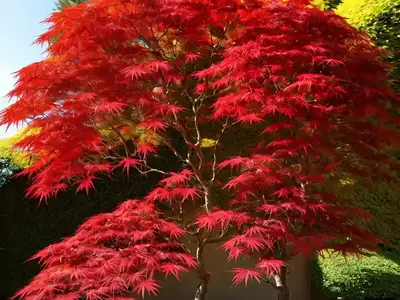
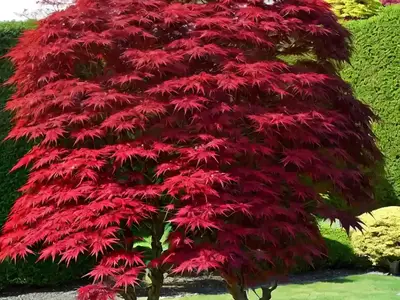
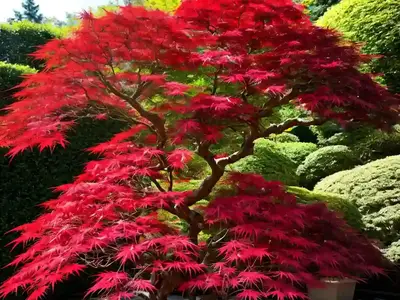
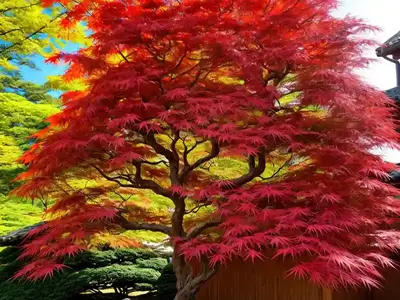
Acer Palmatum ‘Emperor I’ (Japanese Maple)
In the world of ornamental trees, few are as revered and beloved as the Japanese maple. Known for their stunning foliage, elegant branching, and compact.
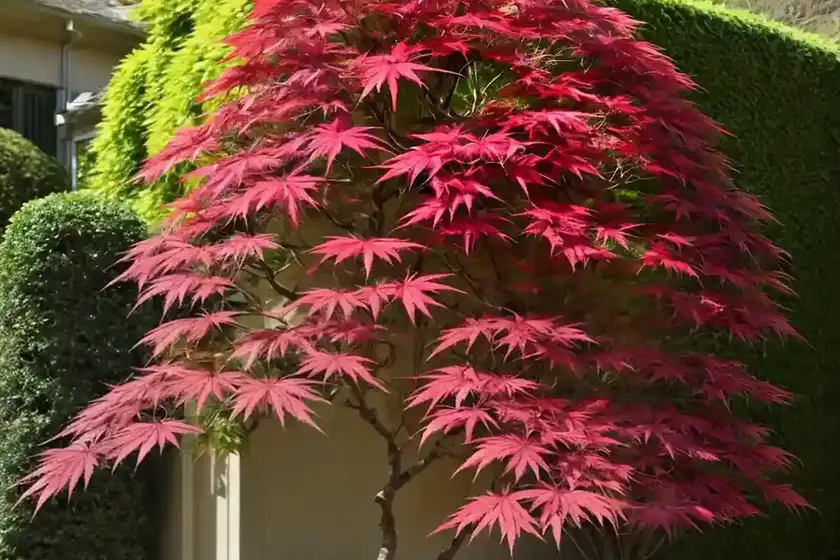
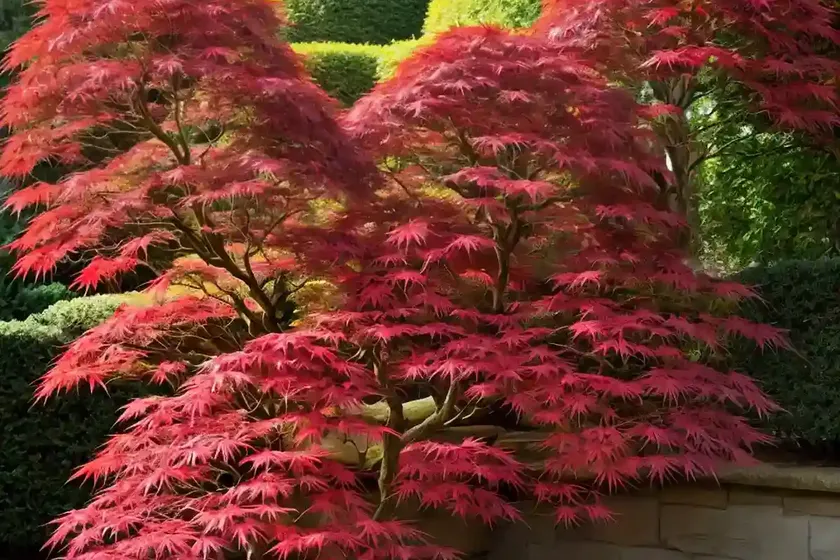
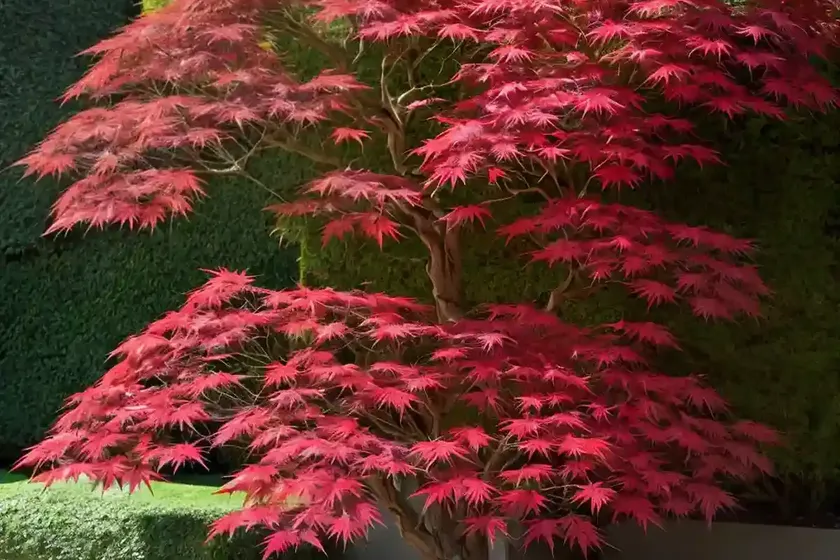
In the world of ornamental trees, few are as revered and beloved as the Japanese maple. Known for their stunning foliage, elegant branching, and compact size, these trees have become a staple in gardens, landscapes, and even container gardens around the world. Among the diverse array of Japanese maples, one particular variety stands out for its unique characteristics and exceptional beauty – the Acer palmatum ‘Emperor I’. In this comprehensive guide, we will delve into the various aspects of the Emperor I Japanese Maple, exploring its culture, uses, care requirements, maintenance, and much more.
What is Acer palmatum ‘Emperor I’?
Acer palmatum ‘Emperor I’ is a cultivar of the popular Japanese maple tree, known for its exceptional beauty and ornamental value. This variety is highly prized for its vibrant foliage, striking form, and compact size, making it an ideal choice for landscapes, gardens, and even container cultivation. The Emperor I Japanese maple exhibits unique characteristics that set it apart from other varieties, making it a sought-after addition to any horticultural setting.
Key Takeaways – Acer palmatum ‘Emperor I’ (Japanese Maple)
Before we delve into the specifics of this exquisite cultivar, let’s outline some of the key takeaways and areas we’ll be exploring in this guide:
- Culture
- Uses
- Water
- Sunlight
- Fertilizer
- Soil
- Pruning
- Propagation
- Container
- Popularity
- Common Diseases
- Common Pests
- Botanist’s Tips
- Fun Facts
- Links to External Resources
Each of these aspects will be thoroughly examined to provide a comprehensive understanding of the Emperor I Japanese maple and how to care for it effectively.
Culture
Understanding the cultural requirements of Acer palmatum ‘Emperor I’ is crucial for ensuring its optimal growth and development. This encompasses various factors such as its uses, water, sunlight, fertilizer, soil, pruning, and propagation, all of which contribute to its overall well-being.
Uses
The Emperor I Japanese maple is highly versatile and finds applications in a variety of settings, including:
- Landscape Ornamentation: Its striking foliage and graceful form make it a captivating addition to any landscape, serving as a focal point or accent plant in gardens and parks.
- Container Gardens: Due to its compact size, it is well-suited for container cultivation, adding a touch of elegance to patios, balconies, and small outdoor spaces.
- Japanese Garden Design: Japanese maples are quintessential components of traditional Japanese gardens, and the Emperor I variety is particularly popular for this purpose due to its aesthetic appeal.
Water
Proper watering is essential for the health and vigor of Acer palmatum ‘Emperor I’. As with most plants, watering needs may vary based on environmental conditions, soil type, and seasonal factors. It’s important to maintain consistent moisture levels, ensuring that the tree is neither waterlogged nor parched.
-
Optimal Watering Practices: During the growing season, it’s advisable to water the tree regularly, ensuring that the soil remains evenly moist but not waterlogged. Mulching around the base of the tree can help retain moisture and mitigate fluctuations in soil moisture levels.
-
Seasonal Considerations: In hot and dry conditions, increased watering may be necessary to prevent stress and dehydration. Conversely, during the dormant season, reduced watering is recommended, as the tree’s metabolic activity decreases.
Sunlight
Sunlight requirements play a pivotal role in the growth and performance of Acer palmatum ‘Emperor I’. It’s essential to provide the tree with appropriate light conditions to support its photosynthetic processes and overall vitality.
-
Ideal Sunlight Exposure: Japanese maples, including the Emperor I variety, thrive in partial shade to full sun. However, in regions with intense, scorching sun, providing some protection from direct afternoon sun may be beneficial, especially during the hottest months of the year.
-
Leaf Scorch Prevention: Exposure to prolonged, intense sunlight can result in leaf scorch, characterized by browning or crisping of the foliage. To mitigate this, strategic placement within the landscape or the use of shade cloth can help protect the tree from excessive sun exposure.
Fertilizer
Proper nutrition is vital for the Emperor I Japanese maple to support its growth, foliage development, and overall health. Fertilizer application should be approached thoughtfully to provide the necessary nutrients without overstimulating excessive vegetative growth.
-
Balanced Fertilization: A balanced, slow-release fertilizer formulated for woody ornamentals is suitable for Acer palmatum ‘Emperor I’. Applying a controlled-release granular fertilizer in spring can provide steady nutrition throughout the growing season.
-
Avoiding Excessive Nitrogen: While nitrogen is crucial for foliage development, excessive nitrogen can lead to rampant vegetative growth at the expense of overall tree balance. It’s important to avoid high-nitrogen fertilizers that may disrupt the tree’s natural growth patterns.
Soil
The soil composition profoundly influences the well-being of Acer palmatum ‘Emperor I’, impacting its moisture retention, drainage, and nutrient accessibility. Understanding soil requirements and making necessary amendments are essential for promoting healthy root development and overall growth.
-
Well-Draining Soil: Japanese maples favor well-draining, loamy soils that allow excess water to percolate away from the roots, preventing waterlogged conditions. Amending heavy clay soils with organic matter can improve drainage and enhance soil structure.
-
Acidic Soil Preference: Japanese maples, including the Emperor I variety, thrive in slightly acidic soils with a pH ranging from 5.5 to 6.5. Conducting a soil pH test can help determine the acidity levels and guide necessary adjustments.
Pruning
Pruning is a fundamental aspect of Japanese maple care, contributing to the tree’s form, aesthetics, and overall health. Acer palmatum ‘Emperor I’ benefits from judicious pruning to remove dead or diseased wood, control size, and enhance its natural beauty.
-
Pruning Frequency: Annual pruning during the dormant season is advisable to shape the tree, remove crossing or crowded branches, and maintain an open, well-ventilated canopy.
-
Pruning Guidelines: When pruning, it’s essential to use clean, sharp tools to make precise cuts. Removing competing shoots, water sprouts, and any damaged or diseased wood can promote a healthy framework and vigorous growth.
Propagation
Multiplying Acer palmatum ‘Emperor I’ through propagation techniques allows for the creation of new plants that retain the unique characteristics of the parent tree.
-
Propagation Methods: Propagation of the Emperor I Japanese maple can be accomplished through various methods, including:
- Seed Propagation: Growing from seed can yield a diverse range of offspring, each showcasing unique traits. However, this method may take longer to produce mature trees and may not guarantee the retention of specific cultivar characteristics.
- Cutting Propagation: Stem cuttings from mature, healthy branches can be rooted to produce genetically identical clones of the parent tree, ensuring the preservation of desirable traits.
-
Rooting Conditions: Providing the appropriate rooting conditions, including moist, well-draining medium and consistent moisture, is essential for successful propagation. Utilizing rooting hormone can enhance the rooting process and expedite the development of new roots.
Container
The compact size and elegant form of Acer palmatum ‘Emperor I’ make it well-suited for container cultivation, allowing it to grace patios, decks, and other confined spaces with its ornamental presence.
-
Container Selection: Opt for a spacious, well-draining container that accommodates the tree’s root system and provides sufficient room for growth. Ensure that the container has drainage holes to prevent waterlogging.
-
Maintenance Considerations: Container-grown Japanese maples may require more frequent watering and fertilization due to the restricted root space. Keeping an eye on soil moisture levels, regular fertilization, and suitable winter protection are crucial for the tree’s well-being.
Popularity
Acer palmatum ‘Emperor I’ has garnered significant popularity among enthusiasts, landscapers, and gardeners due to its exceptional beauty and versatile applications. Its widespread appeal stems from its distinctive foliage, graceful form, and adaptability to various growing conditions.
-
Landscape Appeal: The Emperor I Japanese maple’s bold foliage colors, compact size, and attractive branching make it a favored choice for enhancing landscapes, gardens, and outdoor spaces.
-
Container Gardening: Its suitability for container cultivation has amplified its popularity, allowing it to adorn patios, balconies, and urban gardens with its captivating presence.
Common Diseases
While Acer palmatum ‘Emperor I’ is generally resilient, it is susceptible to certain diseases that can impact its health and appearance. Familiarizing oneself with these potential ailments and their respective management strategies is vital for proactive disease prevention.
Disease Diagnosis
Some of the common diseases that may affect Acer palmatum ‘Emperor I’ include:
-
Anthracnose: This fungal disease can manifest as leaf spots, irregular dead areas, or defoliation. Maintaining good air circulation, promoting tree vigor, and promptly removing infected foliage can help manage anthracnose.
-
Verticillium Wilt: A soil-borne fungal disease, verticillium wilt can cause wilting, leaf necrosis, and dieback. Implementing proper sanitation, improving soil drainage, and selecting resistant cultivars can aid in preventing and managing this disease.
Common Pests
In addition to diseases, the Emperor I Japanese maple may encounter various pests that can compromise its health and aesthetics. Understanding these potential threats and adopting suitable pest management approaches is crucial for preserving the tree’s well-being.
-
Aphids: These small, sap-sucking insects can gather on new growth, causing distortion and yellowing of foliage. Natural predators, horticultural oils, and insecticidal soaps can help control aphid infestations.
-
Scale Insects: Scale insects can infest the branches and stems of Japanese maples, leading to stunted growth and decline. Pruning infested branches, improving tree vigor, and applying horticultural oils may aid in scale insect control.
Botanist’s Tips
Here are some valuable tips for successfully cultivating and caring for Acer palmatum ‘Emperor I’:
- Maintenance Pruning: Regular maintenance pruning is essential to uphold the tree’s form, remove dead wood, and promote healthy growth.
- Appropriate Fertilization: Utilize a balanced fertilizer to provide adequate nutrition without overstimulating excessive foliage growth.
- Disease and Pest Monitoring: Regularly inspect the tree for signs of diseases and pests, intervening promptly if issues are detected to prevent their escalation.
- Protect from Extreme Conditions: Provide shelter from intense sunlight and harsh winds, especially for container-grown specimens, to prevent stress and damage.
Fun Facts
To further appreciate the allure of Acer palmatum ‘Emperor I’, here are some intriguing and delightful facts about this exceptional Japanese maple:
- The Emperor I Japanese maple is revered for its captivating foliage colors, transitioning from bright reds and purples in spring to rich greens in summer, culminating in stunning crimson hues in fall.
- Its compact size and elegant form make it a perfect choice for smaller gardens, urban landscapes, and confined spaces, adding a touch of sophistication and charm.
- In Japanese culture, the maple tree symbolizes tranquility, balance, and the fleeting nature of life, making it a cherished emblem in traditional garden designs and artistry.
Links to External Resources
For further information, planting guidelines, or to source Acer palmatum ‘Emperor I’ for your garden or landscape, the following external resources are invaluable:
- The American Horticultural Society – Offers an extensive array of resources, including gardening tips, plant databases, and educational materials.
- The Royal Horticultural Society – Provides comprehensive horticultural information, plant care guides, and cultivation advice.
- Arboretums and Botanical Gardens – Visiting local botanical gardens and arboretums can provide firsthand exposure to Japanese maples and inspire creative landscape ideas.
In conclusion, Acer palmatum ‘Emperor I’ stands as a testament to the enchanting beauty and horticultural significance of the Japanese maple genus. Its unique characteristics, ornamental value, and adaptability make it a cherished addition to landscapes, gardens, and horticultural collections worldwide. Adhering to its cultural requirements, understanding its applications, and being mindful of potential diseases and pests are vital for ensuring its enduring splendor in horticultural settings.
To my dearest readers, thank you for joining me on this journey through the captivating realm of Acer palmatum ‘Emperor I’ – a truly remarkable cultivar that continues to captivate the hearts of plant enthusiasts and connoisseurs around the world. In the enchanting world of horticulture, may the Emperor I Japanese maple reign supreme in beauty and grace in your gardens and landscapes.
This blog post is dedicated to the magnificent Acer palmatum ‘Emperor I’ and all those who cherish the timeless allure of Japanese maples. May your gardens be forever adorned with the elegance and splendor of this extraordinary tree.
Image Source: Example.com