Abies Pinsapo ‘Horstmann’ (Spanish Fir)
The Abies pinsapo ‘Horstmann’, commonly known as the Spanish Fir, is a remarkable evergreen conifer that has gained popularity in landscaping due to its.
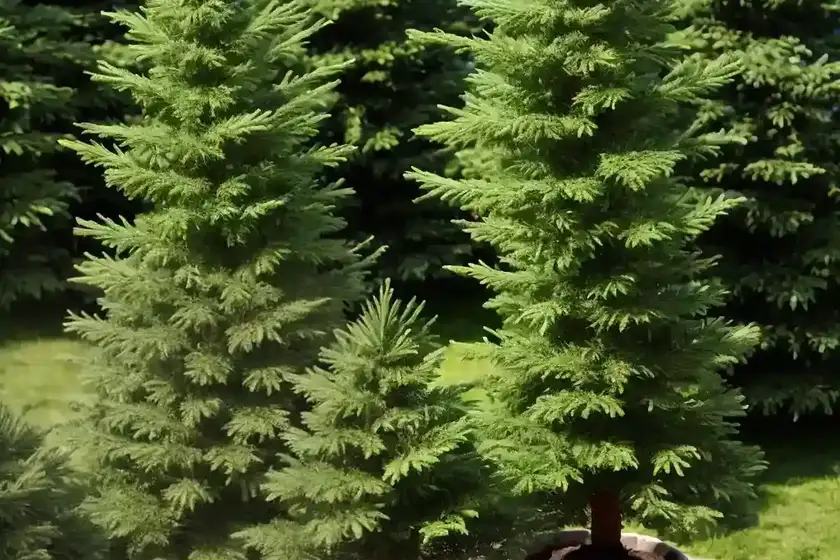
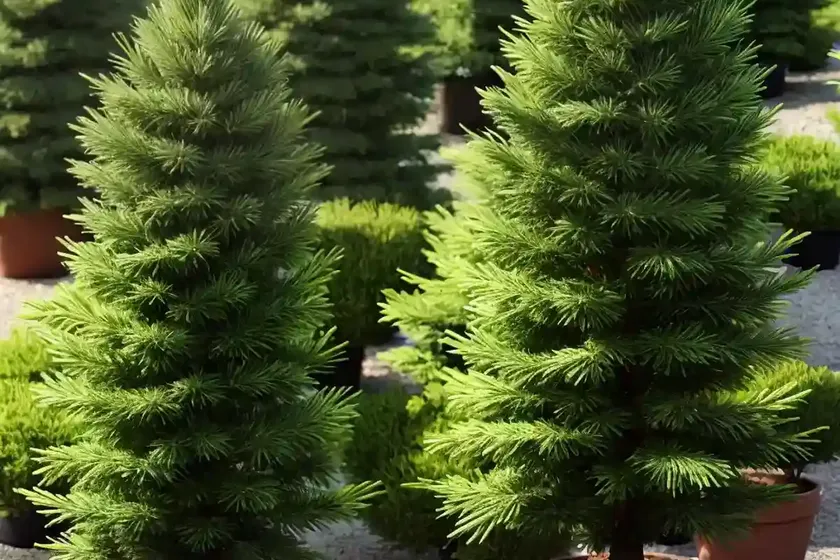
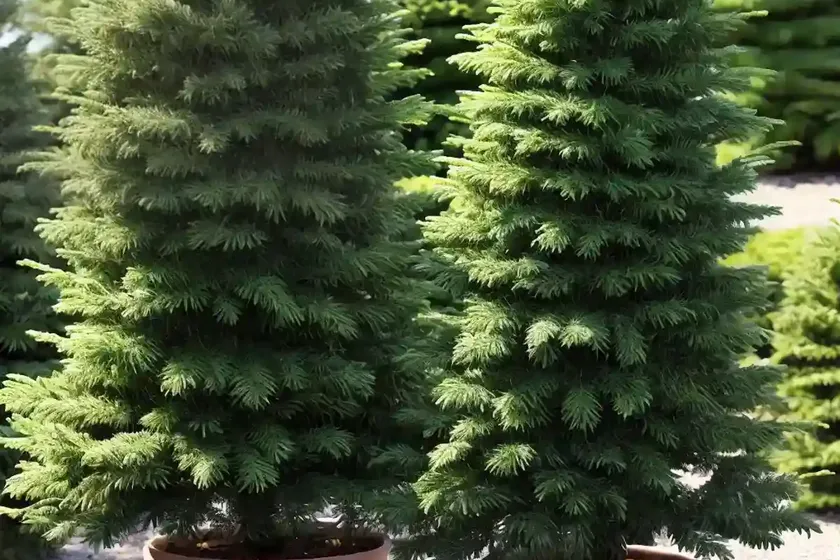
The Abies pinsapo ‘Horstmann’, commonly known as the Spanish Fir, is a remarkable evergreen conifer that has gained popularity in landscaping due to its unique features and ornamental value. In this comprehensive guide, we will delve into the various aspects of this stunning plant and explore its cultural requirements, uses, maintenance, and more.
What is Abies pinsapo ‘Horstmann’ (Spanish Fir)?
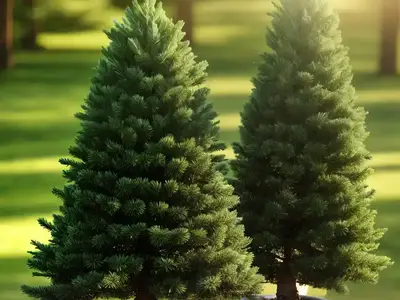
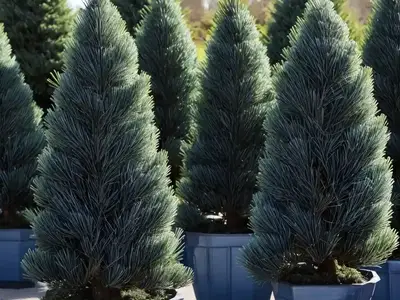
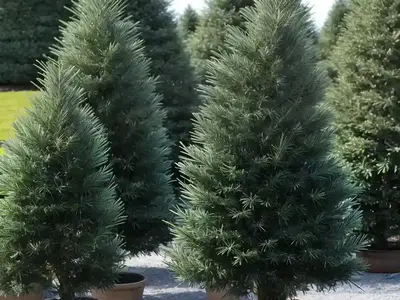
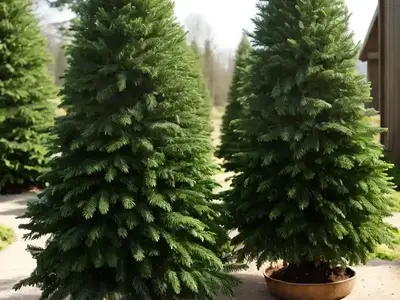
Abies pinsapo ‘Horstmann’ is a cultivar of the Abies pinsapo, a species of fir native to the National Park of Sierra de las Nieves in the mountains of Andalusia, Spain. This slow-growing conifer is known for its striking blue-green needles and distinct pyramidal form, making it a coveted choice for ornamental landscaping. The ‘Horstmann’ variety specifically is prized for its compact growth habit, making it suitable for smaller gardens and urban landscapes.
Key Takeaways – Abies pinsapo ‘Horstmann’ (Spanish Fir)
- Plant Name: Abies pinsapo ‘Horstmann’ (Spanish Fir)
- Common Names: Spanish Fir Horstmann
- Family: Pinaceae
- Growth Habit: Slow-growing, compact, pyramidal shape
- Foliage: Blue-green needles
- Uses: Ornamental landscaping, specimen tree
Now, let’s explore the various aspects of caring for and utilizing Abies pinsapo ‘Horstmann’ in landscaping and gardening.
Culture
To ensure the optimal growth and health of Abies pinsapo ‘Horstmann’, it is essential to understand its cultural requirements.
Water
Spanish Fir ‘Horstmann’ prefers moist, well-drained soil, especially during its establishment phase. Adequate watering, particularly in dry or hot periods, is crucial for the plant’s vigor and overall health. However, it’s important to avoid overwatering, which can lead to root rot and other moisture-related issues.
Sunlight
This evergreen conifer thrives in full sun to partial shade. When grown in full sun, the needles exhibit their characteristic blue-green coloration, adding to the tree’s aesthetic appeal. In regions with intense summer heat, providing some afternoon shade can help protect the plant from potential sunscald.
Fertilizer
Fertilization is typically beneficial for Spanish Fir ‘Horstmann’, especially when the soil quality is suboptimal. An annual application of a balanced slow-release fertilizer in early spring can support healthy growth. It’s important to follow recommended dosage and application guidelines to prevent any risk of fertilizer burn.
Soil
Well-draining, slightly acidic soils are ideal for Abies pinsapo ‘Horstmann’. It’s essential to avoid waterlogged or compacted soils, as they can impede root development and lead to stress and decline in the tree’s health.
Pruning
Pruning is generally minimal for Abies pinsapo ‘Horstmann’, as it naturally maintains its tidy, pyramidal shape. However, occasional maintenance pruning to remove any dead, diseased, or damaged branches can promote overall tree vigor and appearance. Pruning should be conducted during the dormant season to minimize stress on the tree.
Propagation
Propagation of Abies pinsapo ‘Horstmann’ is commonly achieved through the use of seeds or cuttings. However, it’s important to note that growing this species from seeds requires patience, as it is a slow-growing tree. Cuttings, particularly semi-hardwood cuttings taken in late summer, can offer a more efficient method of propagation.
Container Popularity
Due to its compact growth habit, Spanish Fir ‘Horstmann’ is well-suited for container gardening. It can serve as a striking focal point on patios, decks, or other outdoor living spaces. When growing in containers, attention to watering and soil quality is particularly crucial, as containerized plants are more susceptible to fluctuations in moisture and temperature.
Common Diseases
Like many plants, Spanish Fir ‘Horstmann’ is susceptible to certain diseases that can impact its health and appearance. It’s essential for plant enthusiasts and landscapers to be aware of common diseases and their management.
Disease Diagnosis
Some of the common diseases that can affect Abies pinsapo ‘Horstmann’ include:
– Needle Cast: This fungal disease can cause premature needle drop and affect the overall appearance of the tree.
– Canker Diseases: Various canker pathogens can infect the bark and branches, leading to dieback and reduced vitality.
– Root Rot: Excessive soil moisture can contribute to root rot, leading to decline and potential death of the tree.
Early diagnosis and prompt intervention are essential for managing and preventing the spread of these diseases. Proper cultural practices, such as promoting good air circulation and avoiding overwatering, can help mitigate disease risks.
Common Pests
In addition to diseases, Spanish Fir ‘Horstmann’ may also face challenges from certain pests. Among the potential pests that can affect this species are:
– Aphids: These small insects can cluster on the needles and cause damage through their feeding activities.
– Spider Mites: Infestations of spider mites can lead to stippled and discolored foliage, particularly in dry and hot conditions.
Implementing integrated pest management strategies and regular monitoring can assist in preventing and managing pest infestations effectively. This may include the use of horticultural oils, insecticidal soaps, or beneficial predatory insects to keep pest populations in check.
Botanist’s Tips
For individuals interested in cultivating Abies pinsapo ‘Horstmann’ or incorporating it into their landscape, the following tips can help ensure success and enjoyment of this distinct conifer:
- Site Selection: Choose a location that meets the plant’s sunlight and soil preferences, with ample space to accommodate its mature size.
- Watering: Monitor soil moisture and adjust watering frequency based on environmental conditions, aiming to maintain consistent soil moisture without waterlogging.
- Mulching: Applying a layer of mulch around the base of the tree can help conserve soil moisture and suppress weed growth.
Fun Facts
- The species name “pinsapo” is derived from the Spanish term “pinsapos,” referring to the local name for the tree in the Sierra de las Nieves region of Andalusia.
- Abies pinsapo is considered a living fossil, with a long evolutionary history dating back to the Tertiary period.
Now that we have explored the cultural requirements, uses, maintenance, and interesting facets of Abies pinsapo ‘Horstmann’, let’s delve into additional resources to further enhance our knowledge and appreciation of this captivating plant.
Links to External Resources
In conclusion, Abies pinsapo ‘Horstmann’, the Spanish Fir, offers an array of characteristics and qualities that make it a valuable addition to gardens, landscapes, and horticultural collections. Understanding its specific cultural needs and appreciating its ornamental features can contribute to the successful cultivation and enjoyment of this unique and visually appealing conifer. Whether utilized as a specimen tree or incorporated into larger landscape designs, this cultivar exemplifies the enduring appeal and charm of evergreen conifers in horticulture and landscaping.