Abies Procera ‘Glauca’ (Blue Noble Fir)
The Abies procera ‘Glauca’, commonly known as the Blue Noble Fir, is a stunning evergreen tree that adds elegance and beauty to any landscape. In this.
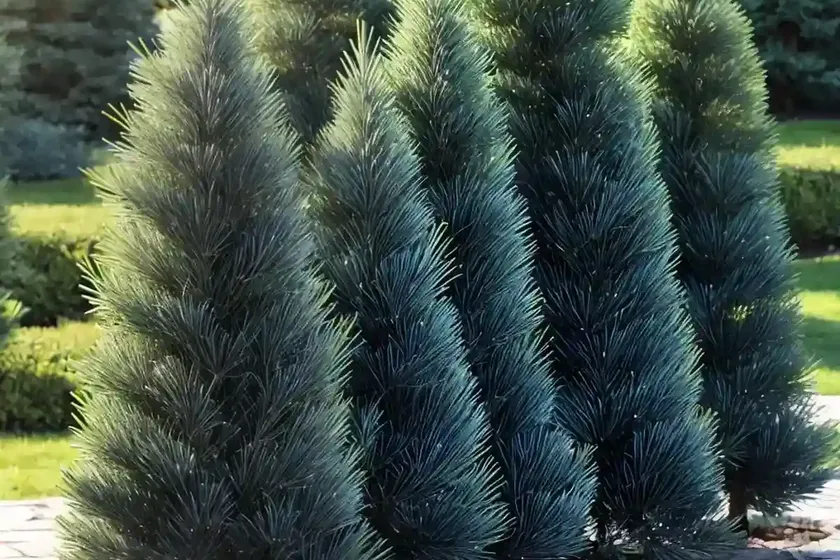
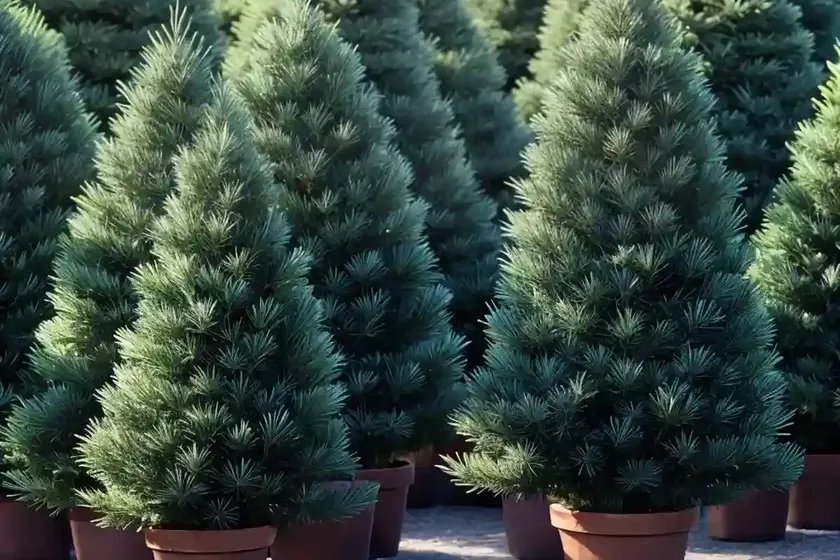
The Abies procera ‘Glauca’, commonly known as the Blue Noble Fir, is a stunning evergreen tree that adds elegance and beauty to any landscape. In this comprehensive guide, we will delve into the various aspects of this remarkable plant, including its cultural requirements, uses, care, and maintenance.
What is Abies procera ‘Glauca’ (Blue Noble Fir)?
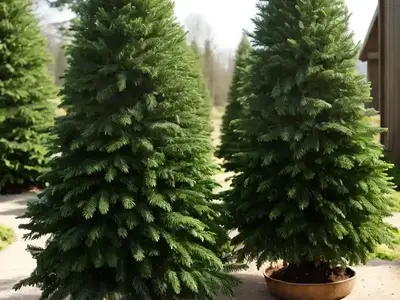
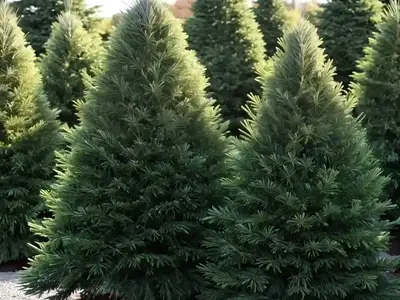
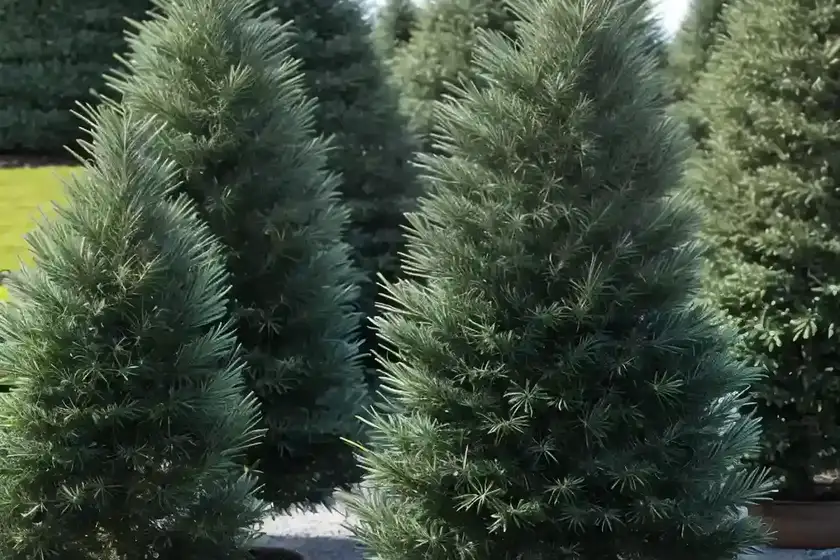
The Abies procera ‘Glauca’ is a cultivar of the noble fir species, renowned for its striking blue foliage. This slow-growing conifer is native to the western United States and is sought after for its ornamental value and distinctive appearance. Its gently sweeping branches and dense, symmetrically arranged needles make it a popular choice in landscaping and garden design.
Key Takeaways – Abies procera ‘Glauca’ (Blue Noble Fir)
Before we delve into the specifics of caring for the Blue Noble Fir, let’s highlight some key takeaways about this unique plant.
- Cultural Name: Abies procera ‘Glauca’ (Blue Noble Fir)
- Characteristics: Distinctive blue foliage, slow-growing, conical shape
- Popular Uses: Ornamental tree in landscapes and gardens
- Water Requirements: Moderate, well-drained soil
- Sunlight Needs: Prefers full sun to partial shade
- Fertilization: Minimal fertilization needs
- Soil Requirements: Well-drained, acidic soil
- Pruning: Minimal pruning required
- Propagation: Often propagated from seeds
- Container Gardening: Suitable for large containers
- Common Diseases: Susceptible to root rot and needle blight
- Common Pests: Vulnerable to aphids and adelgids
As we proceed, we will delve deeper into each of these aspects, providing insights into the optimal care and maintenance of the Blue Noble Fir.
Culture
Water
The Blue Noble Fir thrives in moderately moist, well-drained soil. While it prefers consistent moisture, it is essential to avoid overwatering, as excessive soil moisture can lead to root rot and other water-related issues. During the growing season, it is advisable to water the tree regularly, especially during dry spells. However, it is equally important to ensure that the soil does not become waterlogged.
Sunlight
When it comes to sunlight requirements, the Blue Noble Fir flourishes in full sun to partial shade. In regions with hot and arid climates, providing some afternoon shade can help protect the tree from excessive heat stress. A location that offers dappled sunlight or partial shade during the hottest part of the day is ideal for this majestic conifer.
Fertilizer
The Blue Noble Fir has minimal fertilizer needs and can thrive without regular feeding in suitable soil conditions. However, if the tree is displaying signs of nutrient deficiency, a balanced fertilizer specifically formulated for evergreens can be applied in early spring. It is crucial to follow the manufacturer’s instructions regarding the application rate and method to prevent overfertilization, which can harm the tree.
Soil
In terms of soil requirements, the Blue Noble Fir prefers well-drained, acidic soil. It is essential to ensure that the soil is not waterlogged, as this can lead to root rot and other detrimental conditions. Additionally, incorporating organic matter into the soil can help improve its drainage and provide essential nutrients for the tree’s optimal growth.
Pruning
The Blue Noble Fir typically requires minimal pruning, especially when grown in a natural form or as a specimen tree. Pruning should be limited to the removal of dead, diseased, or damaged branches. Additionally, trimming stray branches to maintain the tree’s desired shape and form can be performed as needed. It is advisable to conduct any pruning during the tree’s dormant season to minimize stress on the plant.
Propagation
The Blue Noble Fir is often propagated from seeds, which should be collected from mature cones and sown in a well-prepared seedbed. The seeds typically require a period of stratification to enhance germination. Alternatively, propagation through semi-hardwood cuttings can also be attempted, although this method may have a lower success rate compared to seed propagation. For optimal results, propagation activities should be carried out with careful attention to detail and environmental conditions.
Container Popularity
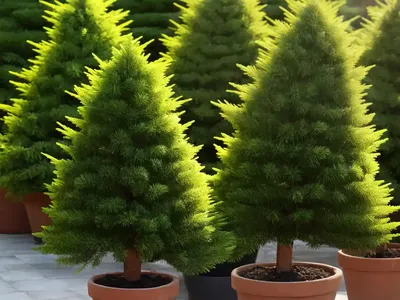
The Blue Noble Fir is well-suited for container gardening, particularly when young. When selecting a container, it is important to choose one that provides ample space for the tree’s root system to develop. Additionally, using a high-quality, well-draining potting mix is crucial to ensure the tree’s health and vigor in a containerized environment. Regular monitoring of soil moisture and appropriate watering practices are essential for the tree’s success in a container.
Common Diseases
The Blue Noble Fir is susceptible to certain diseases that can affect its health and appearance. Understanding these common diseases and their symptoms is essential for effectively managing the tree’s well-being. Some of the prevalent diseases that may impact the Blue Noble Fir include:
- Root Rot: This fungal disease can occur in waterlogged soil conditions, leading to root damage and decline.
- Needle Blight: Various fungal pathogens can cause needle blight, resulting in discoloration, browning, and premature shedding of needles.
Early detection and appropriate management strategies, such as improving soil drainage and applying fungicidal treatments when necessary, can help mitigate the impact of these diseases on the Blue Noble Fir.
Disease Diagnosis
Diagnosing diseases in the Blue Noble Fir involves carefully examining the tree for specific symptoms and signs of distress. Common signs of disease in this conifer may include discolored or stunted growth, premature needle shedding, and evidence of fungal presence on the foliage or branches. When observing potential disease symptoms, it is advisable to consult with a plant health specialist or arborist to accurately diagnose the issue and develop an effective treatment plan.
Common Pests
In addition to diseases, the Blue Noble Fir is vulnerable to certain pests that can affect its vitality and overall condition. Being aware of these common pests and their potential impact is essential for implementing proactive pest management measures. Some of the typical pests that may pose a threat to the Blue Noble Fir include:
- Aphids: These tiny, sap-sucking insects can infest the tree and cause damage to the foliage and young shoots.
- Adelgids: Adelgids are small, soft-bodied insects that can feed on the sap of fir trees, including the Blue Noble Fir, potentially leading to weakened growth and performance.
Regular monitoring of the tree for pest activity and adopting integrated pest management practices can help minimize the impact of these pests on the Blue Noble Fir.
Botanist’s Tips
For those looking to cultivate and care for the Blue Noble Fir, here are some expert tips from botanists and plant specialists:
- Selecting a Planting Site: Choose a well-drained location with adequate space for the tree to grow and develop its characteristic conical form.
- Soil Preparation: Prior to planting, ensure that the soil is well-drained and slightly acidic, facilitating optimal root growth and nutrient uptake.
- Watering Practices: Maintain moderate soil moisture levels, avoiding both waterlogged and excessively dry conditions to promote the tree’s health and vigor.
- Monitoring and Observing: Regularly monitor the tree for signs of pests, diseases, and nutrient deficiencies, taking timely action when necessary.
Fun Facts
- The blue-gray foliage of the Blue Noble Fir adds an enchanting and unique touch to landscapes, making it a standout feature in garden designs.
- This cultivar of the noble fir boasts a long lifespan and can be enjoyed for decades as a prominent element in architectural plantings and naturalistic landscapes.
Links to External Resources
As part of our commitment to providing comprehensive information on the Blue Noble Fir, we recommend exploring the following resources for further insights and guidance:
- Royal Horticultural Society: Abies procera ‘Glauca’
- Oregon State University Extension Service: Noble Fir
- American Conifer Society: Abies procera ‘Glauca’
- University of Florida IFAS Extension: Root Rot Diseases of Ornamentals
- Missouri Botanical Garden: Conifer Diversity
By accessing these resources, you can further enrich your understanding of the Blue Noble Fir and its care requirements, as well as gain valuable insights from horticultural experts and academic institutions.
In conclusion, the Abies procera ‘Glauca’ (Blue Noble Fir) is a captivating and distinctive conifer that captivates with its striking blue foliage and graceful appearance. By adhering to the recommended cultural practices and employing preventive measures against diseases and pests, enthusiasts and horticulturalists can cultivate and enjoy the enduring beauty of the Blue Noble Fir in a variety of landscape settings.