Abies Pinsapo (Spanish Fir)
The Abies pinsapo, commonly known as the Spanish Fir or Pinsapo, is a striking evergreen tree that captures the essence and beauty of the Iberian.
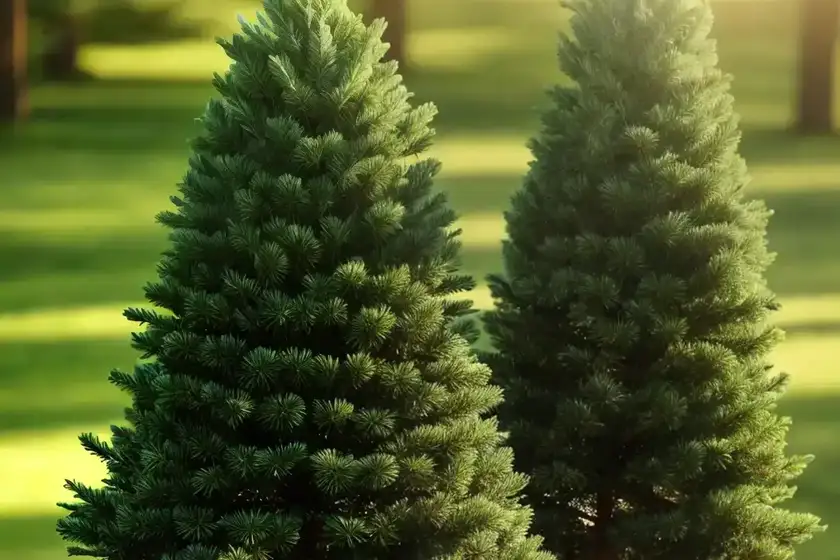
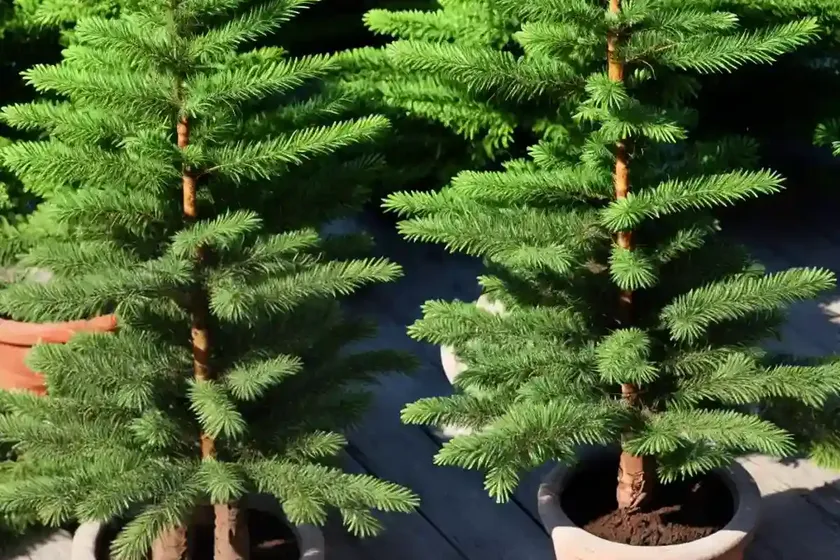
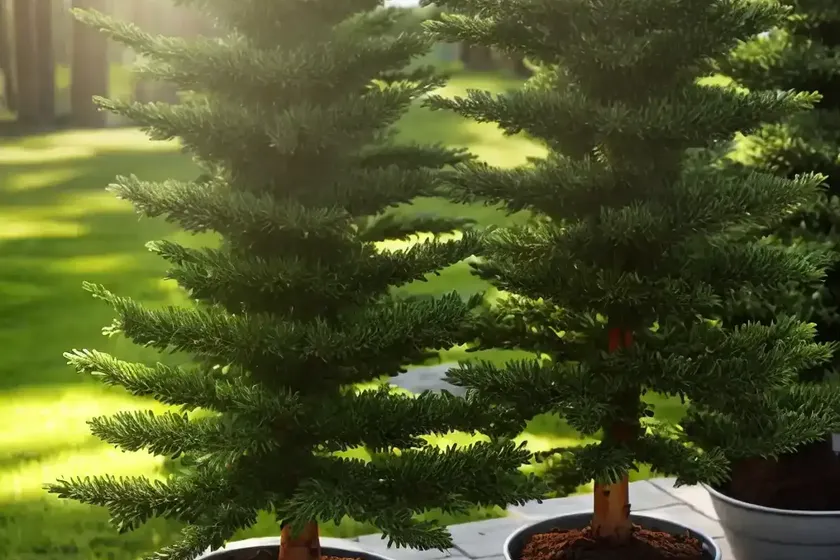
The Abies pinsapo, commonly known as the Spanish Fir or Pinsapo, is a striking evergreen tree that captures the essence and beauty of the Iberian Peninsula. As a plant scientist, I am always captivated by the marvels of the natural world. In this extensive guide, I will delve deep into the intricate details of Abies pinsapo, explore its cultural, ecological, and medicinal significance, and provide essential tips for its cultivation and maintenance.
What is Abies pinsapo (Spanish Fir)?
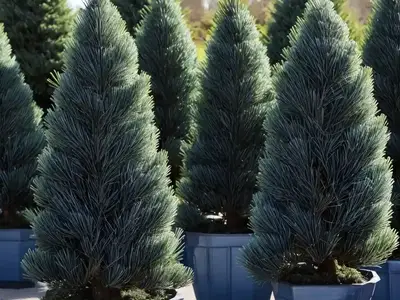
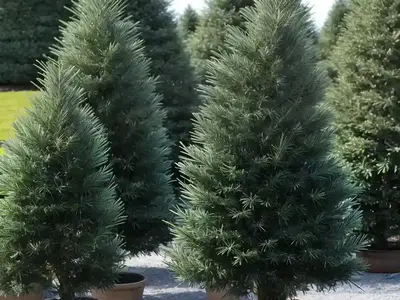
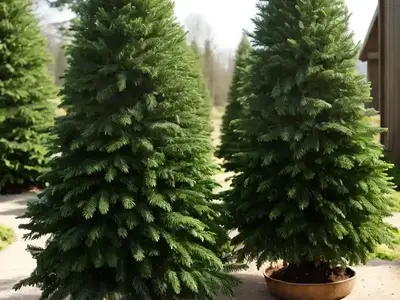
Abies pinsapo, a member of the Pinaceae family, is an iconic coniferous tree indigenous to the mountainous regions of southern Spain and northern Morocco. This remarkable species is celebrated for its stately presence, with its slender pyramidal crown and lustrous green needles, encapsulating the splendor of the Mediterranean landscape.
Taxonomy and Classification
The taxonomic classification of Abies pinsapo is as follows:
- Kingdom: Plantae
- Clade: Tracheophytes
- Division: Pinophyta
- Class: Pinopsida
- Order: Pinales
- Family: Pinaceae
- Genus: Abies
- Species: Abies pinsapo
Nomenclature
The binomial name Abies pinsapo reflects the distinctiveness of this species, with “Abies” referring to the genus and “pinsapo” denoting the specific epithet. Additionally, Abies pinsapo is interchangeably known as the Iberian Fir or Pinsapo Fir, emphasizing its association with the Iberian Peninsula.
Characteristics
The Spanish Fir tree exhibits several noteworthy characteristics that contribute to its allure:
-
Foliage: The leaves of Abies pinsapo are evergreen, featuring dense, stiff needles that exhibit a lustrous dark green hue. This foliage persists throughout the year, ensuring the tree’s visual appeal in all seasons.
-
Trunk: The trunk of the Spanish Fir boasts a distinctive smooth bark in its early years, which later develops into a furrowed, textured surface as the tree matures.
-
Cones: The reproductive structures of Abies pinsapo are encapsulated within striking upright cones. These cones, initially green before transitioning to a captivating purple hue, add a compelling visual element to the tree.
-
Size: With a moderate growth rate, the Spanish Fir typically attains a height of 25-35 meters at maturity, exhibiting a symmetrical and imposing silhouette.
Key Takeaways: Abies pinsapo (Spanish Fir)
Before delving into the specific care and cultivation practices for the Spanish Fir, let’s overview the essential characteristics and considerations associated with this captivating species. From its cultural significance to its ecological role, the following key takeaways provide a comprehensive understanding of Abies pinsapo.
Culture
The Abies pinsapo holds immense cultural significance, deeply ingrained in the heritage and traditions of the Iberian Peninsula. From folklore and symbolism to medicinal uses, the Spanish Fir has been woven into the fabric of the region’s identity, symbolizing resilience, vitality, and natural abundance.
Uses
The applications of Abies pinsapo extend beyond its ornamental value, encompassing medicinal, ecological, and timber-related uses. Its aromatic properties have been harnessed for essential oil extraction, while its timber serves various construction and carpentry purposes.
Habitat
Endemic to the Iberian Peninsula, particularly the mountainous areas of southern Spain, Abies pinsapo thrives in rugged terrain and temperate climates. Its natural habitat underscores the species’ adaptability to diverse environmental conditions, contributing to the rich biodiversity of the region.
Conservation
The conservation status of the Spanish Fir warrants attention, as it is classified as a vulnerable species due to habitat fragmentation and human intervention. Efforts in conservation and sustainable cultivation are imperative to safeguard the future of this iconic tree.
Gardening
Cultivating Abies pinsapo in home landscapes beckons enthusiasts to explore the intricacies of its care and maintenance, offering a harmonious blend of aesthetic appeal and ecological consciousness. The cultivation of this species in garden settings promotes a connection to the natural heritage of the Iberian Peninsula.
III. Water
Adequate water supply is crucial for the optimal growth and vitality of Abies pinsapo, especially during its formative years. While the tree displays some tolerance to drought conditions, consistent watering, especially during dry spells, is essential to support its overall health and vigor.
IV. Sunlight
The Spanish Fir thrives in full to partial sunlight, exhibiting a preference for well-lit environments that emulate its natural habitat. Adequate exposure to sunlight contributes to robust growth and the development of lush foliage, ensuring the tree’s vitality and visual appeal.
V. Fertilizer
The application of a balanced fertilizer, specifically formulated for coniferous trees, can augment the growth and resilience of Abies pinsapo. Selecting a fertilizer with the appropriate ratio of essential nutrients and administering it according to recommended guidelines can fortify the tree against environmental stressors.
VI. Soil
The soil preferences of Abies pinsapo lean towards well-draining, loamy soils with slightly acidic to neutral pH levels. Cultivating the tree in soil with superior drainage properties mitigates the risk of waterlogging, fostering an optimal root environment conducive to the tree’s long-term vigor.
VII. Pruning
Pruning interventions for the Spanish Fir are primarily focused on the removal of dead or diseased branches, promoting air circulation, and maintaining its distinctive pyramidal form. Pruning should be undertaken with care, considering the tree’s growth patterns and overall aesthetic appeal.
VIII. Propagation
The propagation of Abies pinsapo can be achieved through methods such as seed sowing and vegetative propagation, offering enthusiasts avenues to expand their collection of these captivating trees. Understanding the nuances of propagation techniques is integral to the successful establishment of new Spanish Fir specimens.
IX. Container Popularity
In container gardening, the Spanish Fir stands out as an alluring option, presenting enthusiasts with the opportunity to incorporate its elegance into diverse outdoor and indoor settings. Container cultivation of Abies pinsapo necessitates attentive care and suitable growing conditions to support the tree’s long-term well-being.
X. Common Diseases
Abies pinsapo may be susceptible to certain diseases, including fungal infections and pathogenic attacks. Vigilance in disease management and proactive measures to foster tree health are pivotal for safeguarding the Spanish Fir against potential ailments.
XI. Disease Diagnosis
The timely diagnosis of diseases afflicting Abies pinsapo entails careful observation, symptom recognition, and, if necessary, consultation with experienced arborists or plant pathologists. Identifying the causal agents behind aberrant health symptoms is fundamental to implementing targeted remedies.
XII. Common Pests
Pest infestations can pose a threat to the vitality of the Spanish Fir, with potential culprits including bark beetles, adelgids, and spider mites. Implementing integrated pest management strategies and monitoring the tree for pest activity are crucial components of effective pest control.
Botanist’s Tips for Abies pinsapo
Drawing from my expertise as a plant scientist, I am delighted to share a range of insightful tips for the cultivation, maintenance, and appreciation of Abies pinsapo. Delving into the nuances of tree care, these recommendations offer valuable guidance for enthusiasts embarking on the journey of nurturing the Spanish Fir.
Planting and Establishment
-
Select a suitable planting site with well-draining soil and adequate sunlight exposure, catering to the species’ preferences for optimal growth conditions.
-
Ensure proper spacing between individual Spanish Fir trees to accommodate their mature dimensions and prevent overcrowding, facilitating unrestricted growth and development.
-
Prioritize the protection of young trees from extreme environmental stressors, such as prolonged drought or frost, to fortify their establishment and longevity.
Watering Regimen
-
Adopt a consistent watering schedule, accounting for seasonal variations in precipitation and temperature, to deliver sufficient moisture to the roots and sustain healthy growth.
-
Employ mulching as a supplemental measure to conserve soil moisture, moderate temperature fluctuations, and deter weed competition, enhancing the overall water retention capacity of the planting area.
-
Monitor the soil moisture levels regularly, adjusting the watering frequency and volume in response to the tree’s changing requirements throughout the year.
Pruning Practices
-
Practice cautious and selective pruning, focusing on the removal of damaged or congested branches to promote air circulation and structural integrity within the canopy.
-
Exercise restraint in shaping the Spanish Fir, aiming to preserve its natural form and minimize unnecessary alterations that may compromise its aesthetic appeal and resilience.
-
Engage in regular inspections of the tree’s foliage and branches, promptly addressing any signs of disease, damage, or irregular growth patterns through targeted pruning interventions.
Fertilization Guidelines
-
Secure access to high-quality, slow-release fertilizers tailored to the specific nutritional needs of coniferous trees, administering them in accordance with recommended dosage and application instructions.
-
Assess the tree’s response to fertilization, gauging its growth and foliar vitality to determine the suitability of the fertilizer regime and make adjustments as necessary.
-
Adhere to responsible fertilization practices, avoiding excessive nutrient application that may lead to imbalances or environmental repercussions, and prioritizing the tree’s long-term health and sustainability.
Disease and Pest Management
-
Foster a proactive approach to disease management, emphasizing preventive measures such as sanitation, proper tree hygiene, and the timely removal of diseased plant material to curtail disease spread.
-
Embrace integrated pest management strategies, integrating biological, cultural, and chemical control methods judiciously to counteract pest populations while minimizing ecological impacts.
-
Cultivate an informed awareness of the common diseases and pests affecting Abies pinsapo, enabling swift identification and targeted responses to mitigate their impact on the tree.
Fun Facts About Abies pinsapo
Unveiling the captivating allure and ecological significance of the Spanish Fir, the following fun facts shed light on the distinctive attributes and cultural resonance of Abies pinsapo, enriching our understanding of this remarkable species:
-
The unique distribution of Abies pinsapo in the Iberian Peninsula encompasses select mountain ranges in southern Spain, accentuating its status as an emblematic tree of the region.
-
The aromatic essence derived from the needles of the Spanish Fir holds therapeutic properties, finding applications in traditional medicine and aromatherapy practices.
-
Abies pinsapo represents an emblem of resilience and adaptability, persevering in the face of environmental challenges and embodying the enduring spirit of the Iberian landscape.
-
The historical and folkloric associations of the Spanish Fir are intertwined with regional narratives, symbolizing strength, longevity, and reverence for nature.
-
The visually striking cones borne by Abies pinsapo serve as a testament to its reproductive prowess, contributing to the dispersion and regeneration of the species in its natural habitat.
-
In the context of landscape design, Abies pinsapo offers a compelling focal point, adding a touch of sophistication and natural grandeur to diverse outdoor settings.
-
The wood derived from the Spanish Fir possesses distinctive qualities, ideal for crafting furniture, decorative items, and structural elements, underscoring its multifaceted utility.
-
The symbolism of the Spanish Fir transcends its ecological relevance, resonating with cultural motifs and artistic expressions that celebrate the tree’s enduring beauty and significance.
Links to External Resources
Exploring the diverse dimensions of Abies pinsapo, the following curated external resources offer valuable insights, research, and visual documentation, enriching our appreciation for this exceptional tree:
Conclusion
The allure of Abies pinsapo permeates the landscapes and cultural narratives of the Iberian Peninsula, endowing it with a reverence that transcends its intrinsic ecological significance. As a plant scientist, delving into the intricacies of this enigmatic species has reaffirmed its status as a living emblem of resilience, vitality, and natural beauty. From the conservation imperatives to the gardening nuances and folklore entwined with its heritage, the Spanish Fir encapsulates a continuum of enchantment and ecological relevance, inviting us to embrace its splendor and safeguard its legacy for generations to come.
Embracing the botanist’s lens, we embark on a journey to unlock the enigma of Abies pinsapo, discovering its manifold virtues and cultural resonance. As we navigate through its taxonomy, gardening tips, and ecological nuances, we etch a tapestry that honors the venerable legacy of the Spanish Fir, celebrating its enduring allure and ecological resonance in the heart of the Iberian Peninsula.