Abies Procera ‘Blaue Hexe’ (Blue Noble Fir)
Abies procera ‘Blaue Hexe’, commonly known as the Blue Noble Fir, is a remarkable evergreen tree revered for its stunning blue foliage and elegant form..
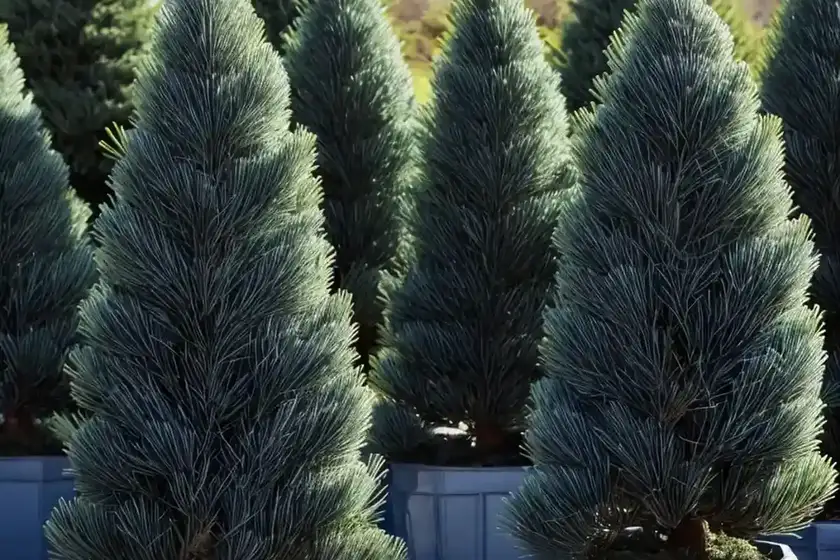
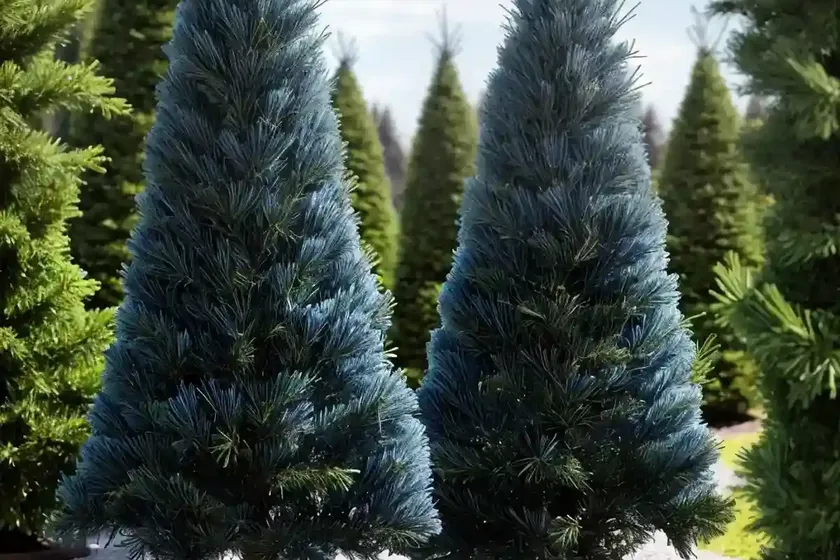
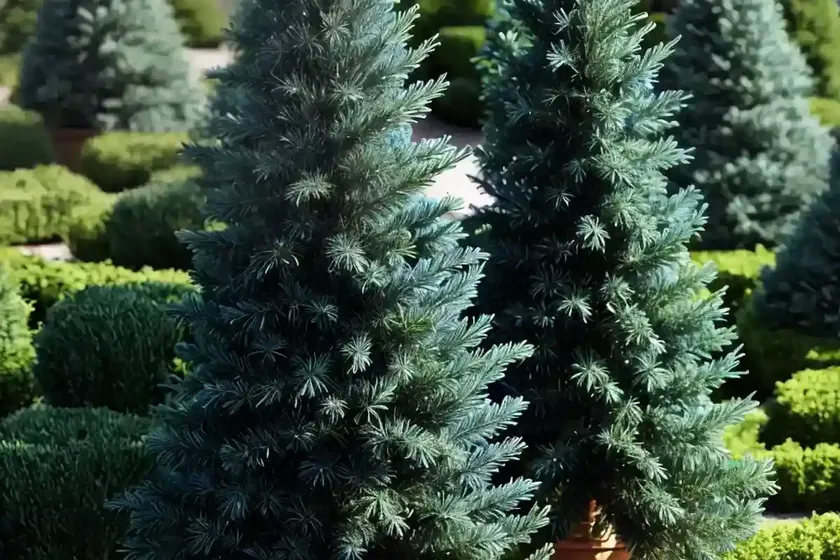
Abies procera ‘Blaue Hexe’, commonly known as the Blue Noble Fir, is a remarkable evergreen tree revered for its stunning blue foliage and elegant form. This majestic conifer is a popular choice among gardeners and landscapers, prized for its year-round beauty and versatility. In this extensive guide, we will delve into the fascinating world of Abies procera ‘Blaue Hexe’, exploring its characteristics, cultivation, care, and much more. Whether you are a seasoned horticulturist or an avid nature enthusiast, join us on this enriching journey to unlock the secrets of this captivating species.
What is Abies procera ‘Blaue Hexe’?
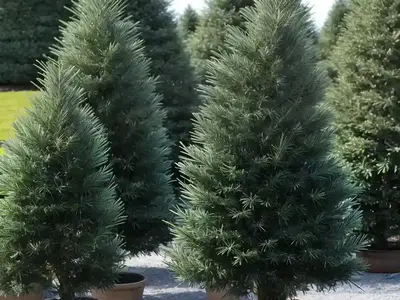
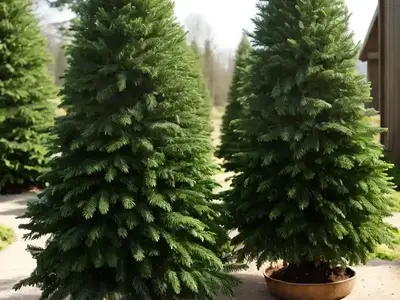
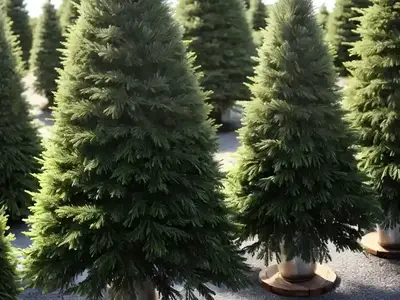
Abies procera ‘Blaue Hexe’ belongs to the Pinaceae family and is a cultivar of the Abies procera species, commonly known as the Noble Fir. The ‘Blaue Hexe’ variety is celebrated for its striking blue needles, which set it apart from the traditional green foliage of the species. This slow-growing, evergreen conifer showcases a conical to columnar habit, with a mature height of around 10 to 15 feet and a spread of approximately 4 to 6 feet. The Blue Noble Fir is cherished for its ornamental value and is often used as a focal point in landscapes, as a specimen tree, or as part of mixed plantings to add visual interest.
The picturesque, powder-blue needles of Abies procera ‘Blaue Hexe’ create a serene ambiance in any setting, making it a popular choice for gardens, parks, and other green spaces. Its enchanting appearance and adaptability to various growing conditions make it a sought-after addition to both residential and commercial landscapes, adding a touch of elegance and tranquility.
Key Takeaways – Abies procera ‘Blaue Hexe’
Before we dive into the intricacies of caring for Abies procera ‘Blaue Hexe’, let’s take a moment to summarize the key takeaways about this exquisite evergreen species:
- Common Name: Blue Noble Fir
- Scientific Name: Abies procera ‘Blaue Hexe’
- Foliage Color: Blue
- Mature Height: 10 to 15 feet
- Mature Spread: 4 to 6 feet
- Growth Rate: Slow
- Habit: Conical to columnar
- Landscape Uses: Specimen tree, mixed plantings, focal point
- Foliage: Evergreen
- Ornamental Features: Striking blue needles
- Versatility: Suitable for various landscapes and garden styles
- Low Maintenance: Requires minimal pruning and care
Now that we have highlighted the fundamental details of Abies procera ‘Blaue Hexe’, let’s explore the essential aspects of its cultivation and care to ensure its optimal growth and vitality in diverse environments.
Culture of Abies procera ‘Blaue Hexe’
Cultivating Abies procera ‘Blaue Hexe’ involves understanding its specific cultural requirements, including its preferences for water, sunlight, soil, and more. By providing the appropriate growing conditions, you can support the health and vigor of this remarkable evergreen tree, allowing it to thrive and grace your landscape with its enchanting beauty.
Water
Proper watering is paramount for the well-being of Abies procera ‘Blaue Hexe’. While this species exhibits some drought tolerance once established, it thrives best in consistently moist, well-drained soil. During the growing season, regular watering is essential, especially during dry periods, to ensure the root system remains adequately hydrated. Adequate moisture levels are crucial for the Blue Noble Fir, particularly in regions characterized by hot, arid climates. Maintaining a layer of organic mulch around the base of the tree helps conserve soil moisture, regulates soil temperature, and reduces weed competition, thereby promoting a healthy growing environment.
Sunlight
Abies procera ‘Blaue Hexe’ flourishes in locations that receive ample sunlight. When choosing a planting site, prioritize areas that offer full to partial sun exposure, delivering the necessary light for the tree’s photosynthetic processes. While the Blue Noble Fir can tolerate some shade, providing it with direct sunlight for a significant portion of the day encourages robust growth and promotes the development of its distinctive, blue-hued foliage.
Soil
The ideal soil for Abies procera ‘Blaue Hexe’ is well-drained and slightly acidic, with a pH range between 5.5 and 6.5. This species thrives in fertile, loamy soils that offer good aeration and moisture retention, facilitating healthy root development and nutrient uptake. Prior to planting, it is beneficial to amend the soil with organic matter, such as compost or well-rotted manure, to enhance its texture and fertility. Performing a soil test can provide valuable insights into the existing soil composition and pH levels, allowing for targeted soil amendments to create an optimal growing environment for the Blue Noble Fir.
Fertilizer
While Abies procera ‘Blaue Hexe’ generally thrives in nutrient-rich soils, occasional fertilization can bolster its growth and overall health. Applying a balanced, slow-release fertilizer formulated for evergreen trees in early spring can provide the necessary nutrients to support vigorous foliage and sustained growth. It is important to follow the manufacturer’s instructions and avoid over-fertilization, as excessive nitrogen levels can lead to imbalanced growth and compromise the tree’s resilience to environmental stressors.
Pruning of Abies procera ‘Blaue Hexe’
Pruning is a crucial aspect of maintaining the form and vigor of Abies procera ‘Blaue Hexe’. While this species typically requires minimal pruning, periodic attention to its canopy and structure can enhance its aesthetic appeal and ensure healthy growth. Here are some essential pruning tips for the Blue Noble Fir:
- Dead or Diseased Branches: Regularly inspect the tree for dead, damaged, or diseased branches, and promptly remove them to prevent the spread of pathogens and promote overall tree health.
- Shape and Size: As Abies procera ‘Blaue Hexe’ tends to maintain a naturally symmetrical and conical form, extensive pruning for shaping purposes is often unnecessary. However, minor adjustments to its silhouette can be made during the dormant season to refine its appearance and maintain a balanced structure.
- Pruning Techniques: Employ proper pruning techniques, such as making clean cuts just outside the branch collar to facilitate efficient wound healing and minimize the risk of pests and diseases.
By approaching pruning with care and precision, you can preserve the inherent beauty of Abies procera ‘Blaue Hexe’ while ensuring its long-term vitality and resilience.
Propagation of Abies procera ‘Blaue Hexe’
Propagation of Abies procera ‘Blaue Hexe’ is primarily achieved through seed sowing, although it can also be propagated using semi-hardwood cuttings. Here are the basic steps for each propagation method:
Seed Propagation
- Seed Collection: Gather mature cones from the existing Blue Noble Fir tree, ensuring that the cones are fully developed and beginning to open.
- Seed Extraction: Extract the seeds from the cones by gently tapping or shaking them, allowing the seeds to fall out onto a clean surface.
- Seed Preparation: Remove any remaining debris or resin from the seeds and air-dry them for a few days to reduce moisture content and enhance germination potential.
- Sowing: Sow the seeds in containers filled with a well-draining, sterile seed-starting mix, covering them with a thin layer of soil. Water the soil lightly to ensure adequate moisture, and place the containers in a sheltered location with indirect sunlight.
- Germination and Transplanting: Monitor the containers for germination, and once the seedlings have developed several sets of true leaves, carefully transplant them into individual containers to allow for further growth.
Semi-hardwood Cutting Propagation
- Cutting Selection: Choose healthy, semi-hardwood cuttings from the current season’s growth of the Blue Noble Fir, ensuring that each cutting is approximately 4 to 6 inches long and features a terminal bud.
- Preparation: Remove the lower leaves from the bottom half of the cutting and dip the cut end in a rooting hormone to promote root development.
- Planting: Plant the cuttings in a well-draining propagation medium, such as a combination of perlite and peat, and maintain adequate moisture levels to facilitate rooting.
- Maintenance: Keep the cuttings in a sheltered, humid environment, providing indirect light and regular moisture until they have established roots.
By employing these propagation methods, you can propagate new generations of Abies procera ‘Blaue Hexe’ and expand the presence of this captivating species in your landscape or garden.
Container Gardening with Abies procera ‘Blaue Hexe’
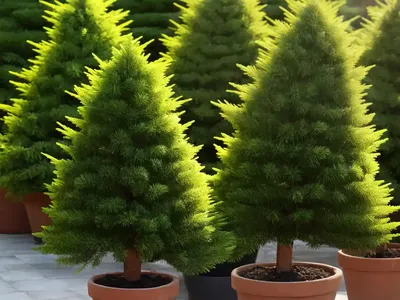
The compact size and striking foliage of Abies procera ‘Blaue Hexe’ make it an excellent candidate for container gardening, allowing individuals with limited outdoor space to enjoy its alluring beauty. When opting for container cultivation, consider the following guidelines to ensure the Blue Noble Fir thrives in its confined environment:
- Container Selection: Choose a spacious container with adequate drainage holes to facilitate proper water drainage and prevent waterlogged soil, promoting optimal root health.
- Potting Mix: Utilize a well-draining potting mix formulated for woody ornamentals, or create a custom mix incorporating components such as peat moss, perlite, and pine bark to ensure aeration and moisture retention.
- Placement: Position the container in a location that receives ample sunlight, as the Blue Noble Fir thrives in bright, indirect light. Regularly assess the moisture levels of the soil and adjust watering frequency based on environmental conditions.
By embracing container gardening, you can bring the enchanting presence of Abies procera ‘Blaue Hexe’ to patios, balconies, and other outdoor spaces, infusing a touch of natural splendor into urban and compact settings.
Popularity of Abies procera ‘Blaue Hexe’
The timeless allure and adaptability of Abies procera ‘Blaue Hexe’ have contributed to its widespread popularity among horticulturists, landscapers, and nature enthusiasts. This remarkable evergreen species is revered for its captivating blue foliage, graceful form, and low-maintenance nature, making it a cherished addition to diverse landscapes and garden settings. Whether employed as a standalone specimen, integrated into mixed plantings, or showcased in container gardens, the Blue Noble Fir exudes an enduring charm that appeals to individuals seeking beauty, versatility, and year-round interest in their outdoor spaces.
Common Diseases of Abies procera ‘Blaue Hexe’
While Abies procera ‘Blaue Hexe’ is generally resilient to many pests and diseases, it can occasionally succumb to certain common ailments that affect coniferous species. Being aware of these potential issues and implementing preventative measures can safeguard the health and vitality of the Blue Noble Fir. Some of the common diseases that may impact Abies procera ‘Blaue Hexe’ include:
- Root Rot: Prolonged soil saturation or poor drainage can lead to root rot, causing symptoms such as wilting, stunted growth, and yellowing of foliage. To prevent root rot, ensure proper soil drainage and avoid overwatering.
- Needle Cast: Needle cast diseases, caused by various fungal pathogens, can result in the browning and premature shedding of needles. Implementing good sanitation practices and ensuring proper air circulation can help mitigate the risk of needle cast.
- Canker Diseases: Canker diseases may manifest as sunken lesions on the branches or trunk, leading to dieback and general decline. Pruning affected branches and maintaining tree vigor through proper cultural practices can aid in preventing canker diseases.
By remaining vigilant and adhering to sound horticultural practices, you can mitigate the impact of these diseases and preserve the robustness of Abies procera ‘Blaue Hexe’ in your landscape.
Disease Diagnosis and Treatment
When encountering signs of distress or disease in Abies procera ‘Blaue Hexe’, accurate diagnosis and prompt intervention are essential for mitigating the issue and restoring the tree’s health. If you observe unusual symptoms, such as discoloration, defoliation, or dieback, consider the following steps for disease diagnosis and treatment:
- Observation: Conduct a thorough visual inspection of the tree to note any abnormalities in foliage color, texture, or structure, as well as any lesions or malformations on the branches or trunk.
- Sample Collection: If necessary, collect a sample of affected foliage, bark, or other plant parts for further analysis, ensuring to include both symptomatic and healthy tissue for comparison.
- Professional Consultation: Consult with a certified arborist or plant health specialist to obtain professional insights and diagnostic services, which may involve laboratory testing and microscopic examinations to identify the causal agent.
- Treatment Protocol: Upon receiving a confirmed diagnosis, implement appropriate treatment measures, which may include cultural adjustments, targeted fungicidal applications, or pruning of infected areas to prevent further spread.
By prioritizing proactive monitoring and swift action, you can effectively address potential diseases and safeguard the well-being of Abies procera ‘Blaue Hexe’ within your landscape.
Common Pests Affecting Abies procera ‘Blaue Hexe’
While Abies procera ‘Blaue Hexe’ exhibits resilience to many pests, certain insect species can pose a threat to its health and vigor. By recognizing the signs of pest infestations and implementing integrated pest management strategies, you can protect the Blue Noble Fir from the following common pests:
- Aphids: These small, sap-sucking insects can congregate on the undersides of foliage, causing distortion of new growth and the secretion of sticky honeydew. Natural predators and careful monitoring can help manage aphid populations.
- Adelgids: Adelgids are tiny, soft-bodied insects that feed on the sap of coniferous trees, potentially causing needle discoloration and premature shedding. Regular inspection and targeted treatments can mitigate the impact of adelgid infestations.
- Spider Mites: Spider mites are minute arachnids that can inflict damage to foliage by puncturing plant cells and extracting their contents. Encouraging beneficial insects and maintaining adequate humidity levels can aid in controlling spider mite populations.
Employing proactive measures, such as promoting biodiversity, enhancing soil health, and practicing proper sanitation, can contribute to a balanced ecosystem and reduce the susceptibility of Abies procera ‘Blaue Hexe’ to pest-related challenges.
Botanist’s Tips for Abies procera ‘Blaue Hexe’
As an esteemed botanical specimen, Abies procera ‘Blaue Hexe’ benefits from the implementation of specialized care practices designed to optimize its growth and ornamental appeal. Here are some expert tips for cultivating and enjoying the Blue Noble Fir to its fullest potential:
- Vigilant Monitoring: Regularly monitor the tree for signs of stress, disease, or pest activity, allowing for early intervention and the resolution of potential issues before they escalate.
- Mulching: Apply a layer of organic mulch around the base of the tree to conserve soil moisture, discourage weed growth, and provide insulation against temperature extremes.
- Adjustable Irrigation: Tailor the frequency and volume of watering to accommodate fluctuating environmental conditions, ensuring that the soil remains consistently moist but not waterlogged.
By incorporating these botanist-approved recommendations into your horticultural practices, you can nurture the health and splendor of Abies procera ‘Blaue Hexe’ while enhancing its resilience and adaptability in diverse settings.
Fun Facts About Abies procera ‘Blaue Hexe’
Uncover the intriguing and captivating aspects of Abies procera ‘Blaue Hexe’ through these fascinating fun facts:
- The distinctive blue hue of the foliage intensifies in colder temperatures, adding an enchanting dimension to winter landscapes.
- The Blue Noble Fir emits a subtle, pleasant fragrance, contributing to the sensory appeal of outdoor spaces and gardens.
- Abies procera ‘Blaue Hexe’ serves as an excellent habitat and food source for various bird species, enriching the ecological diversity of its surroundings.
With its remarkable aesthetics and ecological contributions, the Blue Noble Fir stands as an enchanting and multifaceted addition to natural and cultivated landscapes alike.
Links to External Resources
To further your exploration and appreciation of Abies procera ‘Blaue Hexe’ and its horticultural realm, consider the following external resources for valuable insights and in-depth knowledge:
By leveraging the wisdom and expertise shared in these reputable sources, you can expand your understanding of conifer cultivation and derive inspiration for incorporating Abies procera ‘Blaue Hexe’ into your botanical endeavors.
In conclusion, Abies procera ‘Blaue Hexe’, the Blue Noble Fir, exemplifies an exemplary fusion of natural splendor, ornamental allure, and ecological significance. Through attentive cultivation and dedicated care, this captivating specimen enriches landscapes, fosters biodiversity, and bestows enduring beauty upon its surroundings. Whether showcased as a centerpiece, integrated within diverse plantings, or embraced in container gardens, the Blue Noble Fir stands as a testament to the timeless elegance and resplendent charm of the noble conifers.
As we celebrate the profound contributions of Abies procera ‘Blaue Hexe’ to horticulture and environmental stewardship, may its ethereal blue foliage and enduring vitality continue to inspire and enrich the natural world, perpetuating the legacy of awe-inspiring conifers and the transcendent allure of nature’s enduring creations.