Abies Procera (Noble Fir)
As a plant scientist and enthusiast, there is no greater joy than delving into the intricacies of a remarkable plant species. In this extensive guide, we.
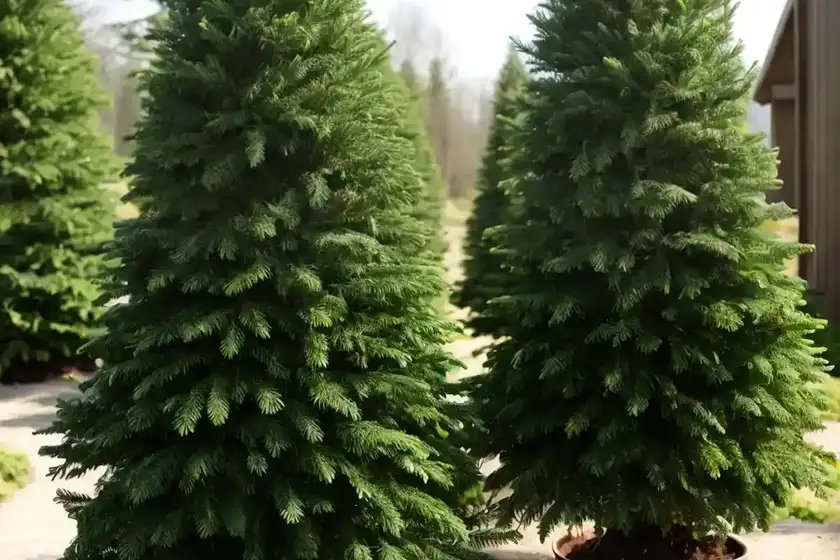
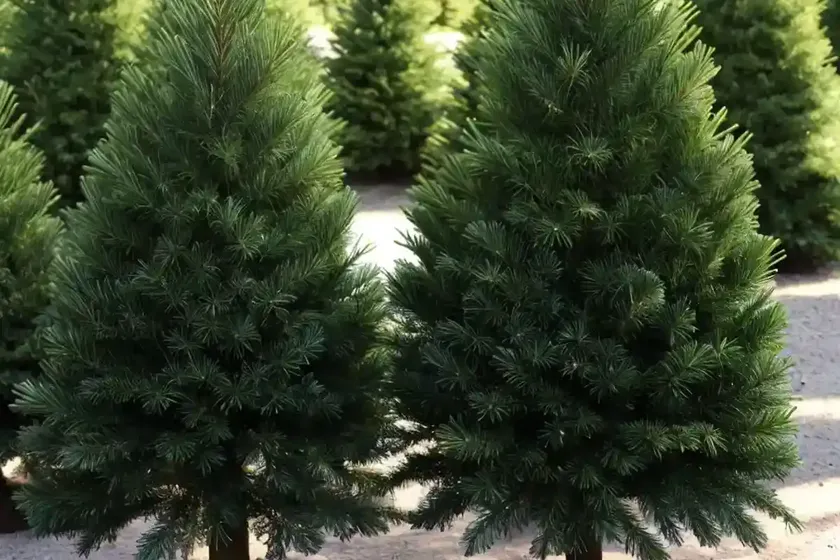
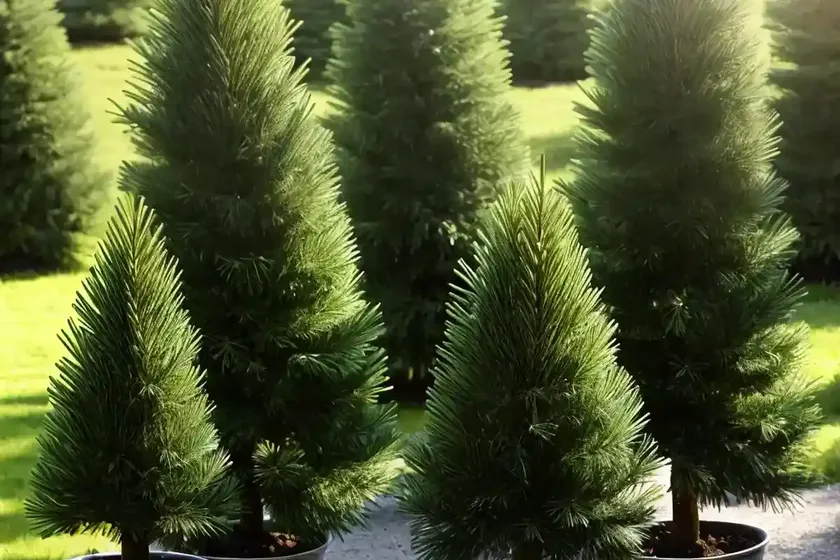
As a plant scientist and enthusiast, there is no greater joy than delving into the intricacies of a remarkable plant species. In this extensive guide, we will explore the captivating world of Abies procera, commonly known as the Noble Fir. From its characteristics and growth habits to its ecological importance and conservation status, we will leave no stone unturned in our quest to unravel the wonders of this majestic conifer.
Overview of Abies procera
What is Abies procera?
Abies procera, or the Noble Fir, is a stately evergreen tree belonging to the Pinaceae family. This species is native to the Cascade Range and Coast Range mountains of the Pacific Northwest region in the United States, where it thrives in diverse ecosystems ranging from moist, low-elevation forests to subalpine stands. Its striking appearance, characterized by dense foliage and symmetrical form, has made it a favored ornamental and timber tree.
Taxonomical Classification
Before delving into the specifics of Abies procera, let’s take a moment to understand its taxonomical classification:
- Kingdom: Plantae
- Order: Pinales
- Family: Pinaceae
- Genus: Abies
- Species: Abies procera
Now, let’s embark on an in-depth journey into the world of Abies procera, exploring its characteristics, cultivation, uses, diseases, pests, and much more.
Abies procera Characteristics
Noble Fir Tree Facts
- Scientific Name: Abies procera
- Common Name: Noble Fir
- Type: Evergreen tree
- Foliage: Needle-like leaves, arranged spirally on the twigs
- Bark: Smooth and gray, becoming furrowed and scaly with age
- Cone Structure: Cylindrical, upright, purple to blue-purple in color
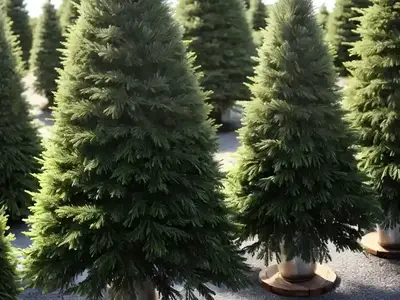
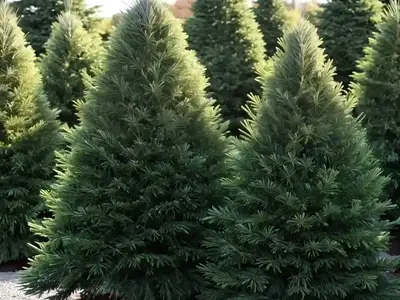
- Growth Habit: Conical, pyramidal form with dense, horizontal branches
- Height Potential: Can grow up to 200 feet (60 meters) in its natural habitat
- Native Range: Predominantly found in the Cascade Range and Coast Range mountains of the Pacific Northwest
- Winter Hardiness: Hardy in USDA zones 5 to 6
Key Takeaways – Abies procera (Noble Fir)
Culture
- Climate Requirements: Thrives in cool, moist climates with well-distributed rainfall
- Habitat Preference: Prefers well-drained, acidic soils in mountainous and subalpine regions
- Coastal Adaptation: Tolerant of maritime climates and coastal winds
Uses
- Landscaping: Highly valued as an ornamental tree for its symmetrical form and striking appearance
- Timber: Sought after for high-quality lumber in construction and woodworking
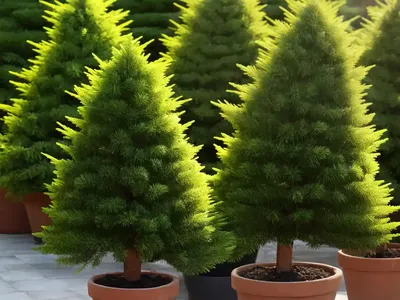
- Container Gardening: Well-suited for container cultivation as a living Christmas tree or decorative accent
Water
- Watering Needs: Requires regular watering, especially during periods of drought or dry weather
- Soil Moisture: Thrives in slightly moist, well-drained soils
Sunlight
- Light Requirements: Prefers full to partial sunlight for optimal growth and development
Fertilizer
- Fertilization: Benefit from balanced, slow-release fertilizers to support healthy growth
Soil
- Soil Type: Flourishes in well-drained, acidic soils rich in organic matter
- Soil pH: Thrives in pH levels between 5.0 and 6.5
Pruning
- Pruning Techniques: Minimal pruning required for shaping and removing damaged branches
- Pruning Time: Best performed during the dormant season in late winter or early spring
Propagation
- Propagation Methods: Can be propagated from seeds or softwood cuttings
- Germination Period: Seeds may take several weeks to months to germinate
Container Popularity
- Container Size: Requires a large container with adequate depth for root development
- Container Soil: Well-draining potting mix is essential for container cultivation
Container Common Diseases
- Common Diseases: Susceptible to root rot in poorly drained soils and needle cast diseases
- Disease Management: Proper soil drainage and good air circulation can help prevent fungal diseases
Disease Diagnosis
- Symptoms: Needle discoloration, premature needle drop, and stunted growth
- Diagnostic Measures: Consult with a local arborist or plant pathologist for accurate disease diagnosis
Common Pests
- Pest Susceptibility: Vulnerable to aphids, adelgids, and spruce budworms
- Integrated Pest Management: Regular monitoring and early intervention can help manage pest infestations effectively
Botanist’s Tips
- Cultural Requirements: Provide ample space for mature growth and ensure proper soil moisture levels
- Maintenance: Regularly inspect for signs of diseases, pests, and environmental stress
- Conservation: Support preservation efforts for native habitats and endangered populations
Fun Facts
- Symbolism: Revered as a symbol of strength and resilience in Northwest Native American cultures
- Wildlife Support: Provides habitat and food for various wildlife species in its natural range
- Christmas Tradition: Often selected as a favored Christmas tree for its beauty and longevity
As we continue our exploration of Abies procera, it’s important to consider its cultivation, maintenance, and ecological significance in greater detail.
Abies procera Cultivation
Noble Fir Tree Benefits
- Aesthetic Appeal: Valued for its architectural form and attractive foliage in landscaping
- Wildlife Habitat: Creates vital wildlife habitat as a dominant species in montane forests
- Soil Stabilization: Assists in erosion control and soil stability in mountainous terrain
Noble Fir Tree Planting Guide
- Planting Location: Choose a site with well-drained, acidic soil and adequate sunlight
- Spacing: Allow sufficient spacing for its eventual size and canopy spread
- Root Care: Handle the roots with care during planting to minimize transplant shock
Noble Fir Tree Maintenance
- Watering Schedule: Establish a consistent watering schedule, particularly during the establishment period
- Mulching: Apply a layer of organic mulch around the base to conserve moisture and regulate soil temperature
- Seasonal Care: Monitor for winter damage and protect young trees from frost or snow accumulation
Noble Fir Tree Pruning
- Pruning Objectives: Maintain a balanced, uniform shape and remove dead or diseased branches
- Crown Thinning: Lightly thin the crown to improve air circulation and light penetration
Noble Fir Tree Diseases
- Disease Prevention: Ensure proper drainage and avoid overhead watering to mitigate fungal diseases
- Monitoring: Regularly inspect for signs of needle cast and treat promptly if detected
Noble Fir Tree Pests
- Pest Monitoring: Monitor closely for aphids and spruce budworms, especially in young trees
- Natural Predators: Encourage beneficial insects and birds that feed on pest species
Abies procera Medicinal Uses
The Noble Fir has limited recorded medicinal uses, primarily in traditional Native American herbal remedies. The pitch from the tree was used as an external application to soothe skin irritations and minor wounds. However, it’s important to note that the medicinal use of any plant should be approached with caution and under the guidance of a qualified healthcare professional.
Noble Fir Tree Symbolism
In Northwest Native American cultures, the Noble Fir holds symbolic significance as a representation of fortitude and endurance. Its towering presence in the mountainous landscapes has inspired tales of strength and resilience, shaping its symbolism in traditional folklore and contemporary interpretations.
Noble Fir Ecological Importance
Abies procera Habitat
- Natural Range: Endemic to the high-elevation forests of the Pacific Northwest, primarily in Oregon and Washington
- Ecosystem Role: Integral component of montane and subalpine ecosystems, providing wildlife habitat and contributing to ecosystem diversity
Abies procera Landscape Use
- Landscape Design: Ideal for larger properties, parks, and naturalistic landscapes
- Scenic Value: Enhances visual appeal and contributes to the natural character of landscapes
Noble Fir Tree Varieties
- Cultivated Varieties: Several cultivars and selections exist, offering variations in color and growth habits
- Selection Criteria: Consider specific growth habits and ornamental features when selecting a variety for landscaping
Abies procera Conservation Status
- Conservation Efforts: Recognized as a species of least concern, but conservation efforts are vital to protect its natural habitats
- Native Conservation: Support initiatives that aim to conserve native montane forests and their diverse flora and fauna
Noble Fir Tree Ecological Importance
- Wildlife Support: Provides cover and forage for various bird and mammal species, contributing to biodiversity
- Ecosystem Services: Facilitates nutrient cycling and supports the stability of montane ecosystems
Exploring the rich tapestry of ecological relationships and cultural significance associated with Abies procera unveils the profound interconnectedness between plants and their environments.
Abies procera Timber Uses
Noble Fir Tree Ornamental Value
- Landscaping Application: Sought after for its picturesque form and beautiful foliage in ornamental plantings
- Urban Planting: Offers an elegant option for urban landscapes and public green spaces
Abies procera Wood Properties
- Wood Quality: Renowned for its exceptional quality, strength, and straight grain
- Lumber Utilization: Valued in the production of fine furniture, cabinetry, and specialty wood products
Noble Fir Tree Adaptations
- Adaptation to Elevation: Exhibits remarkable adaptability to high-elevation environments, showcasing resilience to harsh mountainous conditions
- Climatic Resilience: Tolerant of cold temperatures, heavy snow loads, and variable precipitation patterns
Abies procera Indigenous Range
- Indigenous Distribution: Historically integral to the cultural heritage and resource utilization of Northwest Native American tribes
- Traditional Uses: Utilized for construction, implements, and ceremonial purposes by indigenous communities
Abies procera: Embracing Sustainability
Noble Fir Tree Climate Requirements
- Climate Resilience: Exhibits resilience to cool, maritime climates and seasonal temperature fluctuations
- Summer Tolerance: Thrives in moderately cool summer temperatures with ample moisture
Abies procera Winter Hardiness
- Cold Tolerance: Display significant cold hardiness, enduring freezing temperatures and heavy snowfall
- Winter Adaptations: Its evergreen foliage provides essential winter cover for wildlife in its habitats
Noble Fir Tree Pollination
- Pollination Mechanism: Relies on wind for pollination, with the male cones releasing pollen to fertilize the female cones
Abies procera Evergreen Characteristics
- Year-Round Foliage: Maintains its deep green foliage throughout the year, offering aesthetic appeal and biodiversity support
Noble Fir Tree Needle Structure
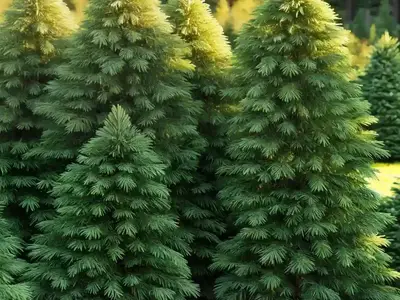
- Needle Arrangement: Arranged spirally on the twigs, exhibiting a dense and uniform foliage appearance
- Needle Longevity: Retains needles for several years, contributing to its lush appearance
Abies procera Cone Production
- Cone Development: Develops upright, cylindrical cones with distinctive purple to blue-purple hues
- Seed Dispersal: Relies on wind dispersal to establish new seedlings in its native habitats
Noble Fir Tree Bark Features
- Bark Texture: Initially smooth and gray, transitioning to furrowed and scaly with age
- Bark Resilience: Offers protection from environmental stressors and contributes to its aesthetic appeal
Abies procera Root System
- Root Structure: Develops a strong, deep-reaching root system to anchor the tree in mountainous terrain
- Soil Anchoring: Facilitates soil stabilization and erosion control in its native habitats
Noble Fir Tree Foliage Color
- Foliage Characteristics: Rich green needles create a vibrant visual contrast in natural and cultivated settings
- Seasonal Changes: Minimal seasonal color changes, maintaining its verdant appearance year-round
Abies procera Habitat Preference
- Habitat Diversity: Flourishes in montane, subalpine, and alpine habitats, contributing to landscape diversity and ecological resilience
Noble Fir Tree Landscape Design Ideas
- Aesthetic Application: Incorporate into naturalistic, native plant, and woodland-themed landscapes for visual impact
- Companion Planting: Pair with understory shrubs and ground covers to create diverse and resilient plant communities
Abies procera Seasonal Changes
- Seasonal Transitions: Exhibits subtle changes in growth and dormancy, adapting to seasonal temperature fluctuations
Noble Fir Tree Wind Resistance
- Wind Adaptation: Develops sturdy, flexible branches that withstand moderate to strong wind forces
- Coastal Tolerance: Exhibits resilience to coastal winds and salt spray in maritime environments
Abies procera Fire Tolerance
- Fire Adaptations: Showcases adaptability to periodic, low-intensity fires in its natural ecosystems
- Ecosystem Regeneration: Contributes to post-fire regeneration and ecological recovery in montane habitats
Noble Fir Tree Drought Tolerance
- Drought Resilience: Displays moderate drought tolerance once established, but benefits from supplemental moisture during extended dry periods
- Water Conservation: Deep root system aids in accessing moisture from deeper soil layers
Abies procera Coastal Adaptation
- Coastal Habitat Suitability: Tolerates maritime climates and coastal conditions, including moderate salt exposure
- Landscape Purpose: Valuable for coastal landscaping and windbreak applications
Noble Fir Tree Mountain Habitat
- Montane Ecology: Integral component of montane and subalpine ecosystems, influencing biodiversity and forest dynamics
Abies procera Endangered Status
- Conservation Assessment: Classified as a species of least concern, but vigilance is necessary to monitor population trends and ecological threats
Noble Fir Tree Timber Market Demand
- Timber Industry Value: Recognized for its high-quality lumber, contributing to the economic viability of sustainable forestry practices
- Market Demand: Sustains a niche market for premium wood products and craftsmanship applications
Conclusion
In concluding this comprehensive guide to Abies procera, or the Noble Fir, it becomes evident that this magnificent conifer embodies a wealth of cultural, ecological, and practical significance. From its role in sustaining wildlife habitats to its utilization in landscaping and timber industries, the Noble Fir stands as a testament to the intrinsic value of plant diversity.
As plant scientists, enthusiasts, and stewards of nature, let us continue to champion the conservation of remarkable species like Abies procera, ensuring their enduring presence in our natural and cultivated landscapes for generations to come.
For those intrigued by the world of Abies procera, I invite you to explore the links below that provide further insight into the noble fir and its captivating attributes.