Abies Koreana ‘Blue Emperor’ (Korean Fir)
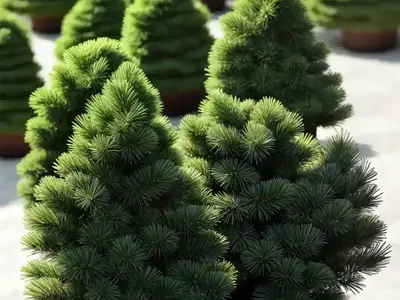
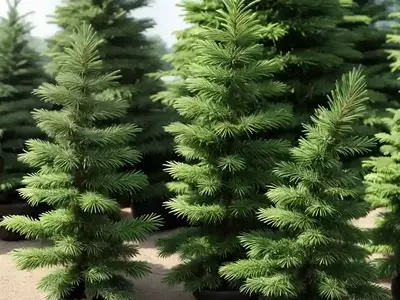
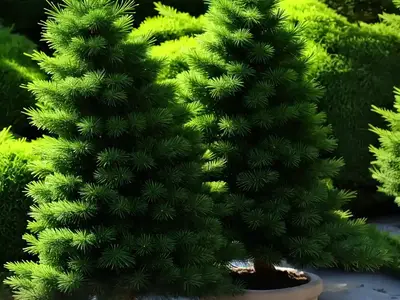
The Abies koreana ‘Blue Emperor,’ also known as the Korean Fir, is a stunning evergreen conifer that has gained popularity among gardeners and landscape.
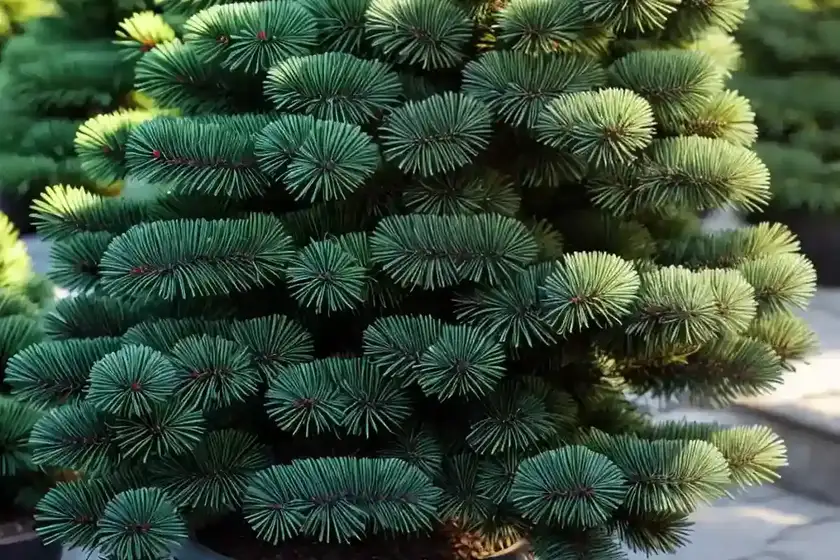
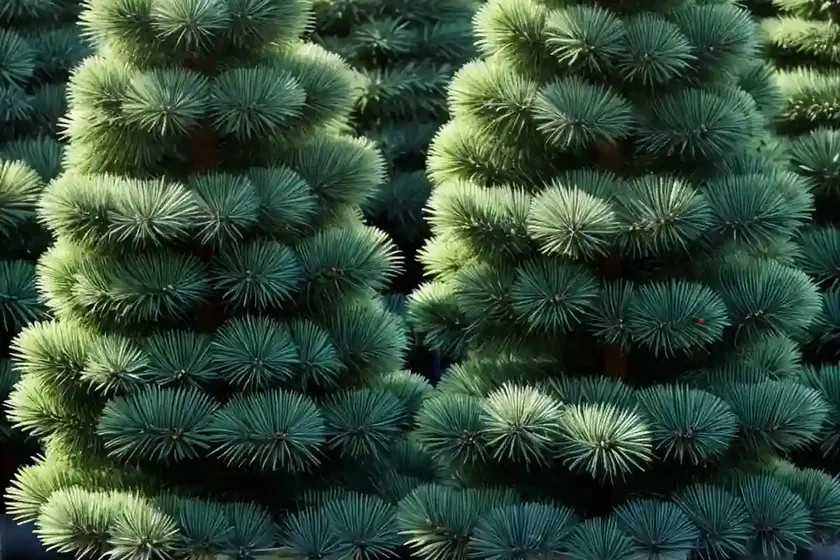
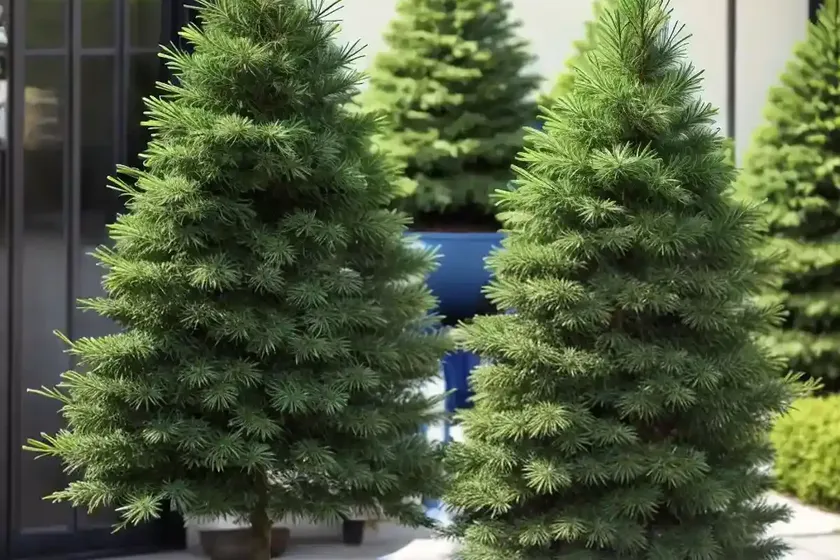
The Abies koreana ‘Blue Emperor,’ also known as the Korean Fir, is a stunning evergreen conifer that has gained popularity among gardeners and landscape enthusiasts. Its unique blue-green needles and compact, conical form make it a sought-after addition to gardens, parks, and other outdoor spaces. In this comprehensive guide, we will explore the key characteristics, cultivation techniques, uses, and maintenance tips for this captivating tree.
Key Takeaways – Abies koreana ‘Blue Emperor’ (Korean Fir)
Before delving into the specifics of the Korean Fir, let’s take a quick look at the key takeaways for this plant:
- Plant Name: Abies koreana ‘Blue Emperor’ (Korean Fir)
- Species: Abies koreana
- Variety: Blue Emperor
- Type: Evergreen tree
- Foliage Color: Blue-green
- Form: Compact, conical
- Uses: Ornamental, specimen tree, focal point plant
- Growth Rate: Moderate
- Maintenance: Low
Now, let’s explore the various aspects of the Korean Fir, from its cultural requirements to its landscape uses and potential pests.
Culture
Understanding the cultural requirements of the Abies koreana ‘Blue Emperor’ is crucial for ensuring its successful growth and long-term health. From planting to ongoing care, here’s what you need to know.
Planting Guide
When planting a Korean Fir ‘Blue Emperor,’ consider the following factors:
- Location: Choose a site with well-draining soil and partial to full sunlight. The Korean Fir prefers slightly acidic soil but can tolerate neutral pH.
- Spacing: Allow adequate space for the tree to reach its mature size, typically around 10 to 15 feet in both height and spread.
- Depth: Dig a hole that is as deep as the root ball and twice as wide to allow the roots to establish easily.
- Watering: Provide ample water after planting, and continue to water regularly during the tree’s first growing season to promote establishment.
Water
Proper watering is essential for the health and vitality of the Korean Fir ‘Blue Emperor.’ Here are some guidelines for watering this tree:
- Young Trees: Newly planted Korean Firs require regular watering, especially during dry periods. Keep the soil consistently moist but not waterlogged to support root development.
- Established Trees: Once established, the Korean Fir is moderately drought-tolerant but will benefit from occasional deep watering during prolonged dry spells.
Sunlight
Understanding the sunlight preferences of the Korean Fir is important for selecting an appropriate planting location and ensuring optimal growth.
- Ideal Conditions: Korean Firs thrive in partial to full sunlight. In hot climates, some afternoon shade can be beneficial to protect the tree from excessive heat and sun exposure.
- Shade Tolerance: While the Korean Fir can tolerate some shade, it performs best when exposed to ample sunlight, which enhances its vibrant foliage color and overall vigor.
Fertilizer
Proper fertilization can contribute to the health and beauty of the Korean Fir ‘Blue Emperor.’ Consider the following fertilizer recommendations:
- Timing: Apply a balanced, slow-release fertilizer in early spring before new growth begins.
- Application: Spread the fertilizer evenly around the tree, avoiding direct contact with the trunk, and water thoroughly to ensure proper uptake.
- Frequency: Repeat the fertilization process annually to provide the tree with essential nutrients for steady growth and foliage development.
Soil
The Korean Fir ‘Blue Emperor’ thrives in well-draining, slightly acidic soil. Understanding the soil requirements can greatly influence the tree’s overall health and vitality.
- pH Level: Aim for a soil pH ranging from 5.5 to 6.5 for optimal growth. Soil testing kits are available to determine the pH of your planting site.
- Texture: Well-draining, loamy soil is ideal for Korean Firs. Avoid heavy clay or waterlogged conditions, as they can lead to root rot and other issues.
Pruning
Proper pruning techniques can help maintain the attractive form and structure of the Korean Fir ‘Blue Emperor.’ Consider the following pruning guidelines:
- Timing: Prune the tree in late winter or early spring before new growth emerges.
- Techniques: Remove any dead, damaged, or crossing branches to promote air circulation and maintain a healthy canopy.
- Size Control: While the Korean Fir typically maintains a compact form, occasional pruning may be necessary to control its size and shape.
Propagation
Propagation of the Korean Fir ‘Blue Emperor’ can be achieved through various methods, including seed propagation and softwood cuttings. Here’s an overview of the propagation process:
- Seed Propagation: Collect mature cones from the tree and extract the seeds to sow in a prepared seedbed. Keep the soil consistently moist and provide shelter from direct sunlight until the seedlings develop.
- Softwood Cuttings: Take softwood cuttings from healthy shoots in early summer and root them in a well-draining propagation medium. Provide adequate moisture and humidity to encourage rooting.
Container Popularity
The compact form and striking foliage of the Korean Fir ‘Blue Emperor’ make it a popular choice for container gardening. When grown in containers, consider the following care recommendations:
- Container Size: Select a spacious container that accommodates the tree’s root system and provides ample room for growth.
- Soil: Use a well-draining potting mix designed for woody ornamentals, and ensure the container has adequate drainage holes to prevent waterlogging.
- Watering: Monitor the moisture levels regularly and water the tree as needed to keep the soil consistently moist but not waterlogged.
Container Common Diseases
While the Korean Fir ‘Blue Emperor’ is generally resistant to many common diseases, certain issues may arise, especially when grown in containers. Keep an eye out for the following potential diseases:
- Root Rot: Overwatering or poorly-draining soil can lead to root rot in container-grown Korean Firs.
- Needle Blight: Some fungal pathogens may cause needle blight, leading to discoloration and premature shedding of foliage.
Disease Diagnosis
Diagnosing and addressing potential diseases in the Korean Fir ‘Blue Emperor’ is important for maintaining the tree’s health and vigor. If you notice any signs of disease, such as wilting foliage, discoloration, or unusual growth, consider the following steps:
- Identification: Properly identify the symptoms and signs of the disease to determine the appropriate course of action.
- Treatment: Depending on the diagnosed disease, treatment may involve cultural adjustments, pruning affected areas, or the application of suitable fungicides.
Common Pests
While the Korean Fir ‘Blue Emperor’ is relatively resistant to pest infestations, some common pests may pose a threat to its health. Keep an eye out for the following potential pests:
- Aphids: These small, sap-sucking insects may infest the new growth of Korean Firs, leading to distorted foliage and reduced vigor.
- Scale Insects: Certain scale species can affect the Korean Fir, especially in stressful growing conditions or when the tree is weakened by other factors.
Botanist’s Tips
To ensure the ongoing health and beauty of the Korean Fir ‘Blue Emperor,’ consider these botanist’s tips:
- Mulching: Apply a layer of organic mulch around the base of the tree to conserve soil moisture, regulate soil temperature, and suppress weed growth.
- Monitoring: Regularly inspect the tree for any signs of stress, disease, or pest activity, and take prompt action to address any issues.
- Seasonal Care: Tailor your care practices to the changing seasons, providing adequate water, nutrients, and protection as needed.
Fun Facts
Here are some fascinating and lesser-known facts about the Korean Fir ‘Blue Emperor’:
- The blue-green foliage of this tree provides a striking contrast in winter landscapes, standing out amid snow-covered surroundings.
- Korean Firs are considered valuable ornamental trees in gardens and arboreta, prized for their unique color and form.
Links to External Resources
For further information on the Korean Fir ‘Blue Emperor’ and related topics, explore the following external resources:
- Royal Horticultural Society – Abies koreana ‘Blue Emperor’
- Missouri Botanical Garden – Abies koreana ‘Blue Emperor’
- North Carolina State University – Korean Fir
- University of Florida IFAS Extension – Abies koreana
By incorporating the insights and recommendations provided in this guide, you can cultivate and enjoy the splendor of the Abies koreana ‘Blue Emperor’ (Korean Fir) in your landscape or garden with confidence. Whether as a standalone specimen tree, a focal point in a container, or an integral part of a diverse planting scheme, this captivating evergreen is sure to inspire admiration and appreciation for years to come.