Abies Koreana ‘Blauer Eskimo’ (Korean Fir)
In the world of horticulture, the Abies koreana ‘Blauer Eskimo,’ commonly known as the Korean Fir, is a gem that adorns the landscape with its beauty. This.
In the world of horticulture, the Abies koreana ‘Blauer Eskimo,’ commonly known as the Korean Fir, is a gem that adorns the landscape with its beauty. This evergreen conifer has gained popularity due to its unique features and low maintenance requirements. In this comprehensive guide, we will explore all aspects of this fascinating plant, including its characteristics, cultivation tips, maintenance, common diseases, and much more.
What is Abies koreana ‘Blauer Eskimo’?
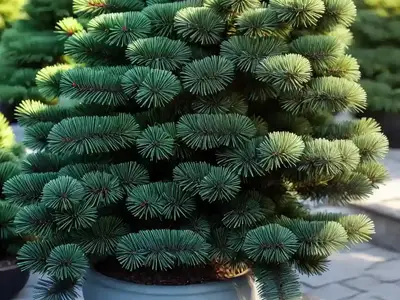
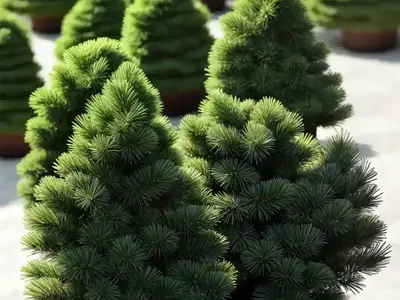
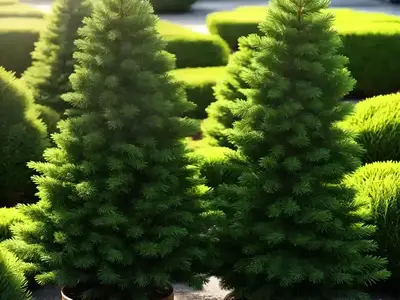
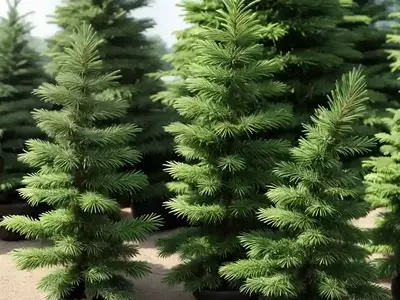
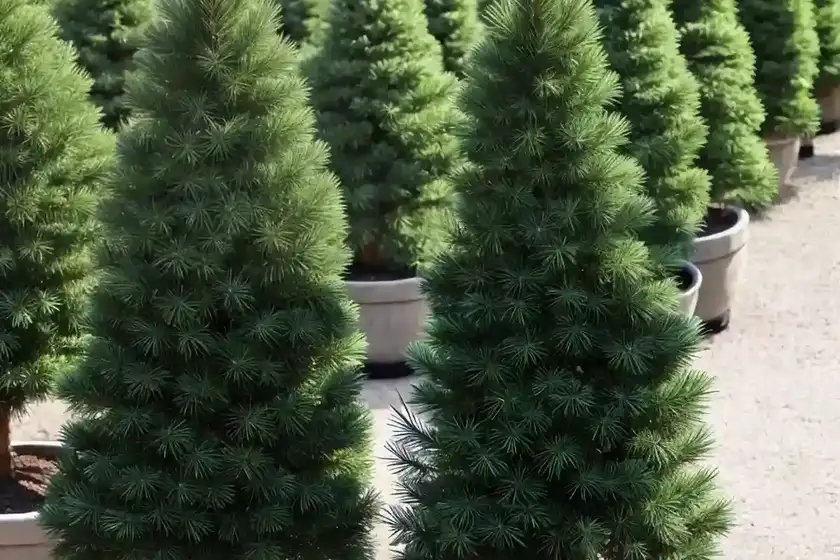
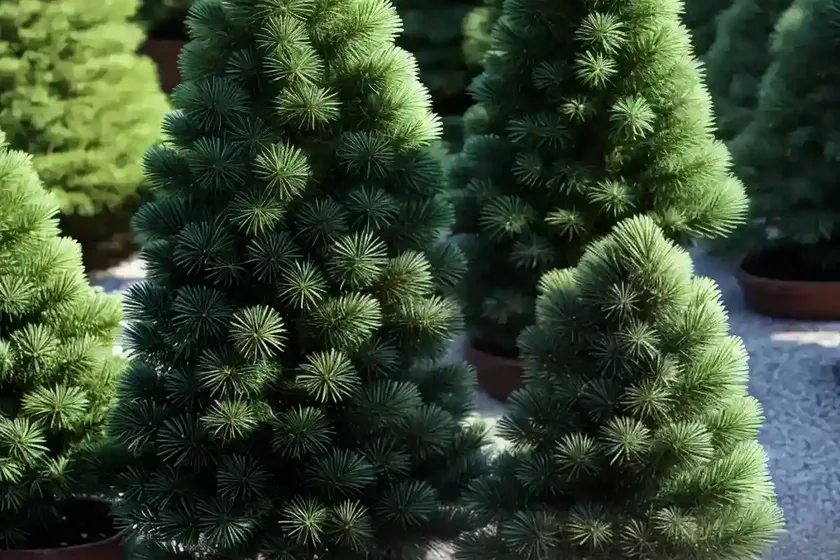
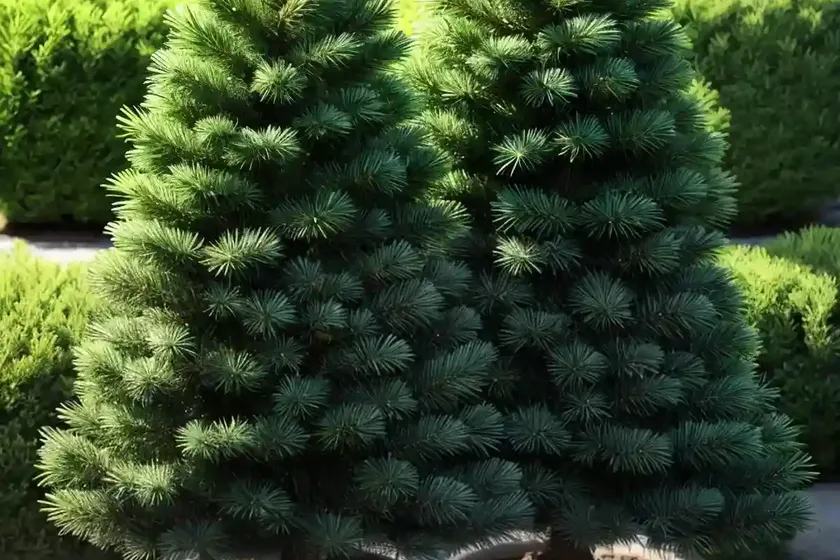
The Abies koreana ‘Blauer Eskimo,’ a cultivar of the Korean Fir, is a slow-growing, compact, evergreen conifer that belongs to the Pinaceae family. Originating from Korea, this striking plant is renowned for its dense, compact growth habit and its striking year-round foliage. Its deep green needles and a rounded growth habit make it a valuable addition to gardens and landscapes.
Key Takeaways
Before we delve deeper into the various aspects of the Abies koreana ‘Blauer Eskimo,’ let’s take a quick look at the key takeaways about this captivating plant.
- Plant Name: Abies koreana ‘Blauer Eskimo’ (Korean Fir)
- Common Names: Korean Fir, Blauer Eskimo
- Family: Pinaceae
- Type: Evergreen Conifer
- Native: Korea
- Features: Compact, Slow-growing, Conical Shape
- Foliage: Deep Green Needles
- Uses: Ornamental, Landscaping
- Popularity: Increasing as a Landscaping Choice
- Maintenance: Low
Now, let’s delve into the various aspects of the Korean Fir ‘Blauer Eskimo’ to understand its culture, uses, and care requirements in detail.
Culture
Understanding the cultural requirements of the Abies koreana ‘Blauer Eskimo’ is essential for its successful growth and development. This includes factors such as water, sunlight, soil, and fertilizer requirements, along with pruning and propagation techniques.
Water
The Korean Fir ‘Blauer Eskimo’ prefers consistently moist, well-draining soil. During the establishment phase, regular watering is crucial to ensure adequate moisture for optimal root development. However, it’s vital to avoid waterlogging, which can lead to root rot and other water-related issues. Once established, the plant exhibits good drought tolerance, but it’s important to provide supplemental watering during prolonged dry spells, especially in warmer climates.
Sunlight
When it comes to sunlight, the Korean Fir ‘Blauer Eskimo’ thrives in partial shade to full sun. In its natural habitat, it often grows in the understory of taller trees, indicating its ability to adapt to varying light conditions. However, providing some protection from intense afternoon sun, especially in hot climates, can help prevent sunscald and maintain the plant’s vibrant appearance.
Soil
The Korean Fir ‘Blauer Eskimo’ prefers acidic, well-draining soil with good organic content. It is important to avoid heavy or waterlogged soils, as they can lead to root rot and other moisture-related issues. Incorporating organic matter such as peat moss or compost during planting can improve soil structure and fertility, promoting healthy growth and development.
Fertilizer
Fertilization is generally not required for the Korean Fir ‘Blauer Eskimo’ when grown in its preferred conditions. However, if the plant shows signs of nutrient deficiency, a slow-release, balanced fertilizer with an emphasis on nitrogen can be applied in early spring. It’s important to follow the recommended application rates to prevent over-fertilization, which can have adverse effects on the plant’s health.
Pruning
Pruning is not usually necessary for the Korean Fir ‘Blauer Eskimo’ due to its naturally compact and conical growth habit. However, light pruning to remove any dead or damaged branches can be performed in late winter or early spring. It’s important to use clean, sharp tools to make precise cuts and avoid causing unnecessary stress to the plant.
Propagation
Propagation of Abies koreana ‘Blauer Eskimo’ is commonly done through seeds. However, it’s essential to note that growing the plant from seeds can be a slow process, often taking several years for the seedlings to reach a desirable size for transplanting. Alternatively, vegetative propagation methods such as softwood cuttings can be employed to propagate new plants more quickly, albeit with varying success rates.
Uses
The Korean Fir ‘Blauer Eskimo’ serves various purposes in the landscape, thanks to its unique features and aesthetic appeal. Understanding its potential uses can guide gardeners and landscapers in incorporating this plant into their designs effectively.
-
Ornamental Appeal: The dense, evergreen foliage and compact growth habit make the Korean Fir ‘Blauer Eskimo’ a popular choice for ornamental plantings. It can be used as a specimen plant in gardens, or as part of mixed borders and foundation plantings, where its striking appearance can be showcased.
-
Landscape Accent: Due to its slow growth and manageable size, the Korean Fir ‘Blauer Eskimo’ is often used as a focal point in landscape designs. Its conical shape and deep green foliage add visual interest and contrast to the overall landscape.
-
Container Planting: The compact nature of the Korean Fir ‘Blauer Eskimo’ makes it suitable for container planting. It can be featured on patios, decks, or balconies, adding a touch of greenery to urban and compact outdoor spaces.
-
Wildlife Habitat: As a coniferous plant, the Korean Fir ‘Blauer Eskimo’ provides important habitat and cover for birds and small mammals. Its presence in the landscape can contribute to supporting local wildlife populations.
Popularity
The Korean Fir ‘Blauer Eskimo’ has been gaining popularity among gardeners and landscapers due to its unique characteristics and versatility in various design applications. Its increasing popularity is attributed to its low maintenance requirements, coupled with its aesthetic appeal, making it an attractive choice for both residential and commercial landscapes.
Common Diseases
While the Korean Fir ‘Blauer Eskimo’ is relatively resilient, it is susceptible to certain diseases that can affect its overall health and appearance. Understanding these common diseases and their management is essential for preserving the plant’s vigor and vitality.
-
Needle Cast: Needle cast diseases, caused by various fungi, can affect the Korean Fir ‘Blauer Eskimo,’ leading to premature needle drop and diminished aesthetic appeal. These diseases are often favored by moist and humid conditions, making proper air circulation and moisture management crucial for prevention.
-
Root Rot: Excessive moisture or waterlogged soil can contribute to root rot in the Korean Fir ‘Blauer Eskimo.’ This can manifest as wilting, stunted growth, and overall decline in the plant’s health. Proper drainage and regular monitoring of soil moisture levels can help prevent this issue.
-
Canker Diseases: Canker diseases, caused by fungal pathogens, can affect the branches and stems of the Korean Fir ‘Blauer Eskimo.’ Infected plant parts may exhibit sunken lesions and dieback. Pruning out affected branches and promoting overall plant health through proper cultural practices can aid in managing canker diseases.
-
Rust Diseases: Rust diseases, characterized by the presence of rust-colored spores on the foliage, can impact the Korean Fir ‘Blauer Eskimo.’ These diseases are favored by humid conditions and can lead to defoliation and reduced vigor. Fungicidal treatments and ensuring proper airflow around the plant can help manage rust diseases.
Disease Diagnosis
Diagnosing and identifying diseases in the Korean Fir ‘Blauer Eskimo’ involves careful observation of the plant’s overall health and any specific symptoms or changes in its appearance. Common signs of disease include discoloration, wilting, premature needle drop, and the presence of fungal growth on the foliage or stems. It’s important to seek professional diagnosis and treatment recommendations if a disease issue is suspected, as early intervention can significantly improve the plant’s chances of recovery.
Common Pests
Pest infestations can pose a threat to the health and vitality of the Korean Fir ‘Blauer Eskimo.’ Understanding the common pests that may affect this plant and implementing effective pest management strategies is essential for preserving its beauty and vigor.
-
Aphids: These small, sap-sucking insects can infest the foliage of the Korean Fir ‘Blauer Eskimo,’ leading to distorted growth and honeydew production. Control measures include insecticidal soaps and horticultural oils, along with promoting natural predator populations.
-
Adelgids: Adelgids are tiny, soft-bodied insects that can infest the foliage and stems of the Korean Fir ‘Blauer Eskimo.’ They can cause tip dieback and a general decline in plant health. Targeted insecticidal treatments and improving growing conditions can aid in managing adelgid infestations.
-
Spider Mites: Spider mites are common pests that can affect the Korean Fir ‘Blauer Eskimo,’ particularly in dry and hot conditions. They cause stippling on the foliage and fine webbing in severe infestations. Regular monitoring and the application of miticides can help control spider mite populations.
-
Scale Insects: Scale insects can infest the stems and branches of the Korean Fir ‘Blauer Eskimo, leading to weakened growth and dieback. Control measures involve the targeted application of horticultural oils or insecticidal soaps to manage scale populations effectively.
Botanist’s Tips
As a plant scientist and enthusiast, here are some additional tips for cultivating and caring for the Abies koreana ‘Blauer Eskimo’:
-
Mulching: Applying a layer of organic mulch around the base of the Korean Fir ‘Blauer Eskimo’ can help conserve soil moisture, suppress weeds, and provide a gradual release of nutrients as the mulch decomposes.
-
Winter Protection: In regions with harsh winters, providing winter protection such as burlap screens or anti-desiccant sprays can help shield the plant from drying winds and extreme temperature fluctuations.
-
Companion Planting: Consider incorporating complimentary companion plants, such as low-growing perennials or ground covers, around the base of the Korean Fir ‘Blauer Eskimo’ to create visually appealing combinations and provide additional environmental benefits.
Fun Facts
To further appreciate the beauty and appeal of the Korean Fir ‘Blauer Eskimo,’ here are some intriguing fun facts about this remarkable plant:
-
The specific epithet “koreana” in its scientific name, Abies koreana, directly refers to its Korean origin, highlighting its cultural and geographical significance.
-
The ‘Blauer Eskimo’ cultivar is celebrated for its striking blue-green foliage, setting it apart from other varieties of Korean Fir.
-
The Korean Fir ‘Blauer Eskimo’ exhibits excellent needle retention, making it a valuable choice for Christmas tree production and ornamental use during the holiday season.
-
In its natural habitat, the Abies koreana species is found in high-altitude mountainous regions, showcasing its adaptability to challenging environmental conditions.
Now that we have gained a comprehensive understanding of the Abies koreana ‘Blauer Eskimo,’ let’s explore some external resources and references that provide further insights and information about this captivating plant.
Links to External Resources
Here are some valuable external resources and references for additional information on the Korean Fir ‘Blauer Eskimo’:
-
University of Connecticut Plant Database – Abies koreana ‘Blauer Eskimo’
-
North Carolina State University Extension – Abies koreana ‘Blauer Eskimo’
With the insights and information provided in this guide, you are now well-equipped to cultivate, appreciate, and enjoy the beauty of the Abies koreana ‘Blauer Eskimo’ in your garden or landscape. Its unique characteristics, low maintenance requirements, and ornamental appeal make it a valuable addition to diverse horticultural settings, enriching the natural environment and captivating the senses with its timeless beauty.