Abies Koreana ‘Green Carpet’ (Korean Fir)
In the world of ornamental plants, the Korean Fir, scientifically known as Abies koreana ‘Green Carpet,’ stands out as a remarkable species due to its.
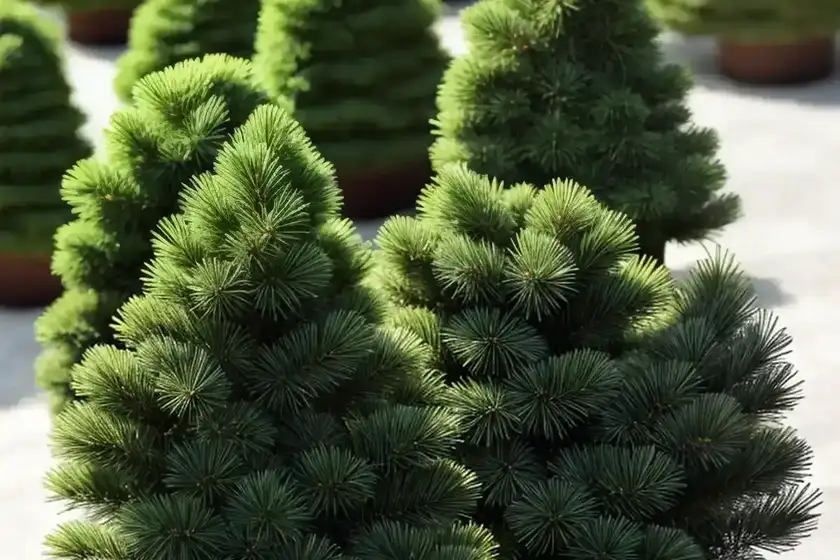
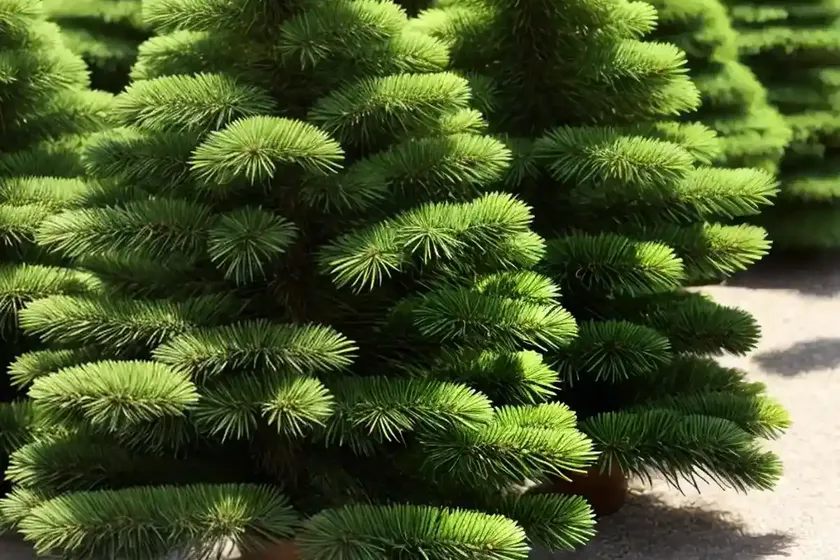
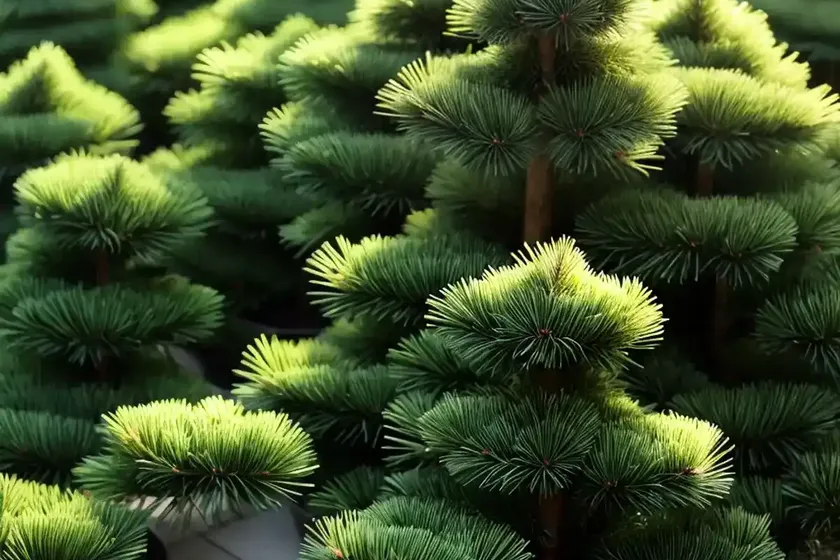
In the world of ornamental plants, the Korean Fir, scientifically known as Abies koreana ‘Green Carpet,’ stands out as a remarkable species due to its unique characteristics and landscape uses. This coniferous evergreen is known for its compact form, slow-growing habit, and remarkable winter interest. In this comprehensive guide, we will delve into the plant’s care requirements, characteristics, growth habits, maintenance, diseases, pests, and various uses in landscaping.
About the Abies koreana ‘Green Carpet’ (Korean Fir)?
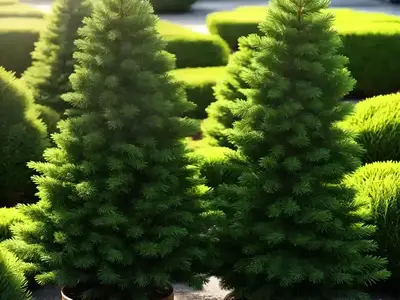
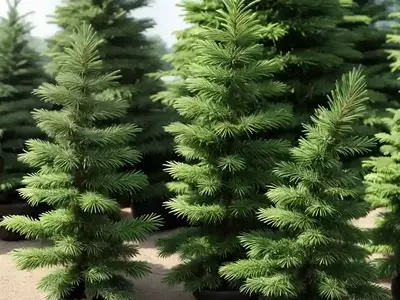
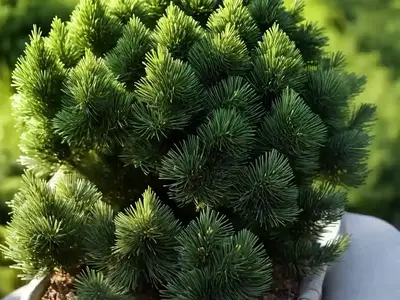
Abies koreana ‘Green Carpet,’ commonly known as the Korean Fir, is a low-growing, compact evergreen conifer that belongs to the Pinaceae family. This beautiful plant is native to the mountainous regions of South Korea and is widely cultivated for its ornamental value. It is renowned for its unique foliage, ground-hugging form, and exceptional tolerance to cold winter conditions.
Key Takeaways – Abies koreana ‘Green Carpet’ (Korean Fir)
Before we delve into the specific aspects of the Korean Fir, let’s take a quick look at the key takeaways of this plant:
- Scientific Name: Abies koreana ‘Green Carpet’
- Family: Pinaceae
- Common Name: Korean Fir
- Plant Type: Evergreen shrub or groundcover
- Growth Rate: Slow-growing
- Height: 2-3 feet
- Spread: 4-6 feet
- Hardiness Zone: 5-7
- Sunlight: Full sun to partial shade
- Soil Preferences: Well-drained, acidic soil
- Water Requirements: Moderate moisture
- Maintenance: Low maintenance
- Landscape Uses: Groundcover, rock gardens, borders, containers
- Special Features: Compact form, deer-resistant, winter interest
Now, let’s explore each aspect of the Korean Fir in detail.
Culture
Cultivating and nurturing Abies koreana ‘Green Carpet’ requires an understanding of its cultural preferences. The following aspects are critical for its successful growth and development.
Uses
- Ornamental Value: The Korean Fir is primarily cultivated for its ornamental attributes. Its low-growing, compact form makes it an excellent choice for rock gardens, borders, and as a groundcover in landscapes.
- Winter Interest: The plant’s unique foliage and spreading habit make it particularly attractive during the winter season, adding visual interest to gardens and landscapes.
Water
The Korean Fir has moderate water requirements. While it prefers moist soil, it is crucial to ensure that the soil is well-drained to prevent waterlogging, which can lead to root rot. Regular watering, especially during dry spells, is essential for its health and vigour.
Sunlight
This coniferous species thrives in full sun to partial shade conditions. When planted in a location with ample sunlight, the Korean Fir exhibits better growth and maintains its characteristic dense foliage.
Fertilizer
Applying a balanced, slow-release fertilizer in early spring can support the growth and overall health of Abies koreana ‘Green Carpet.’ It is essential to follow the manufacturer’s instructions for proper application and dosage.
Soil
The Korean Fir prefers well-drained, acidic soil. Amending the soil with organic matter can enhance its drainage and nutrient retention properties, contributing to the plant’s thriving growth.
Pruning
Pruning is generally not required for Abies koreana ‘Green Carpet’ apart from occasional removal of dead or damaged branches. However, if shaping is desired, light pruning can be carried out in late winter or early spring to maintain its compact form.
Propagation
This plant can be propagated through various methods, including seed propagation, softwood cuttings, and grafting. Each method has its own suitability and success rate, and selecting the appropriate propagation technique depends on the specific requirements and resources available.
Container Popularity
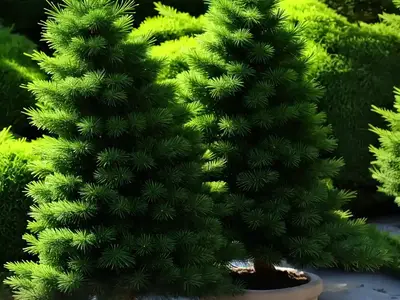
Due to its compact size and slow-growing nature, the Korean Fir is well-suited for container gardening. It can be grown in containers to add a touch of greenery to patios, decks, or small outdoor spaces.
Common Diseases
Abies koreana ‘Green Carpet’ is relatively resistant to diseases; however, it may be susceptible to certain conditions and pathogens under unfavorable growing conditions. Some common diseases that may affect this plant include:
- Phytophthora Root Rot: This fungal disease can cause root rot and damage the plant’s overall health.
- Needle Rust: Various species of rust fungi can cause discoloration and damage to the plant’s needles.
Disease Diagnosis
Early diagnosis and prompt action are crucial in managing and preventing diseases in the Korean Fir. Regular monitoring for symptoms such as yellowing or browning of needles, wilting, and unusual growth patterns can aid in early detection.
Common Pests
While the Korean Fir is known for its resistance to pests, it may still be affected by certain insects. Common pests that can pose a threat to Abies koreana ‘Green Carpet’ include:
- Aphids: These tiny insects can infest the plant and cause damage to its foliage.
- Spider Mites: Infestations of spider mites can lead to discoloration and damage to the plant’s needles.
Botanist’s Tips
- Winter Protection: Providing protection from harsh winter winds and heavy snow accumulation can help safeguard the Korean Fir from potential damage.
- Moisture Management: Ensuring proper soil moisture levels is critical, especially during periods of drought or excessive rain, to maintain the health and vitality of the plant.
- Regular Monitoring: Routine inspection of the plant for signs of diseases, pests, or stress can aid in early intervention and effective management.
Fun Facts
- The Korean Fir was introduced to the Western horticultural world in the early 20th century and has since gained popularity for its unique traits.
- The distinctive purple cones of Abies koreana ‘Green Carpet’ add visual interest to the plant’s overall appeal.
Links to External Resources
For further information on Abies koreana ‘Green Carpet’ (Korean Fir), refer to the following resources:
1. American Conifer Society
2. Royal Horticultural Society
3. Missouri Botanical Garden
4. North Carolina State University Extension