Abies Koreana ‘Aurea’ (Korean Fir)
The Abies koreana ‘Aurea’, commonly known as the Korean Fir, is a captivating and unique evergreen tree celebrated for its stunning golden-yellow foliage..
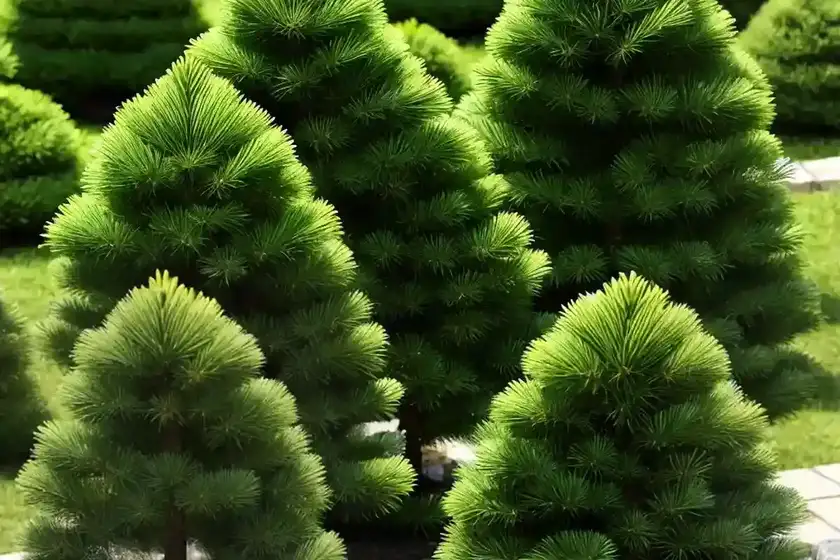
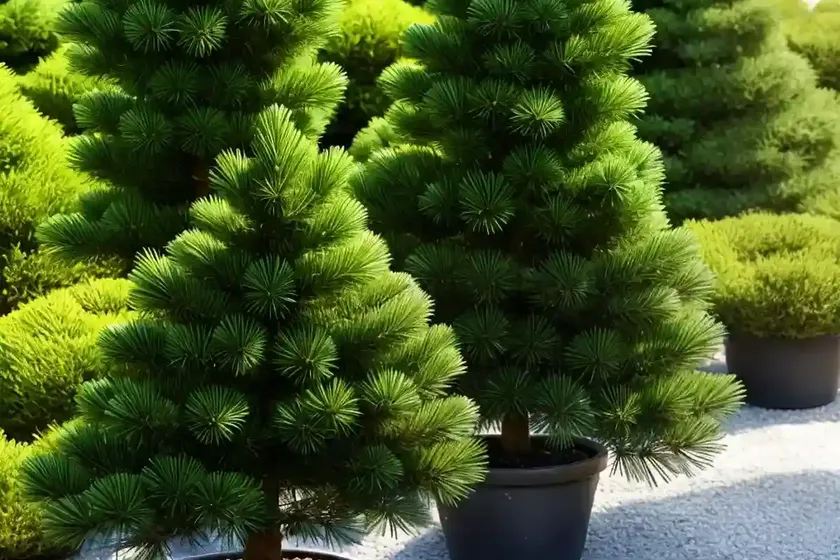
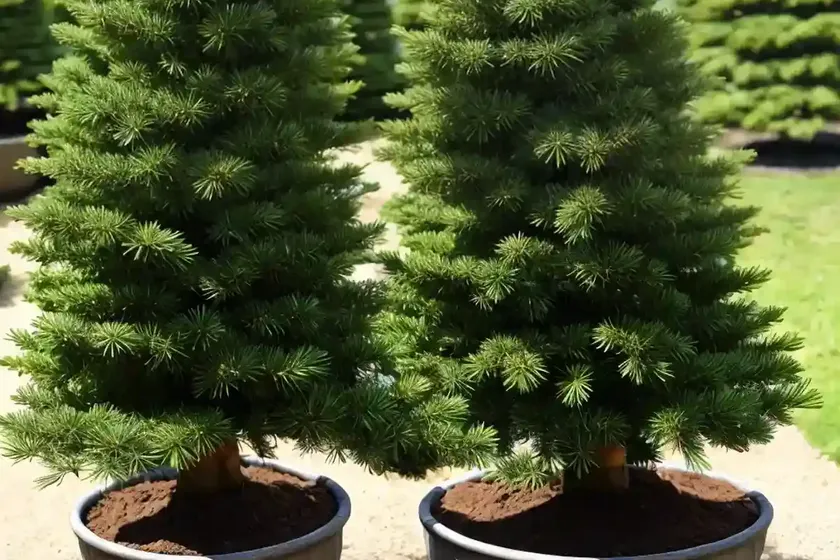
The Abies koreana ‘Aurea’, commonly known as the Korean Fir, is a captivating and unique evergreen tree celebrated for its stunning golden-yellow foliage. This distinctive conifer is a cultivar of the Abies koreana, characterized by its compact size, slow growth rate, and remarkable ornamental value. In this comprehensive guide, we will delve into the essential aspects of caring for this remarkable plant, including its characteristics, growing tips, care guide, planting instructions, pruning techniques, soil and water requirements, sunlight needs, winter hardiness, pest and disease control, landscape uses, container gardening, and much more.
What is Abies koreana ‘Aurea’?
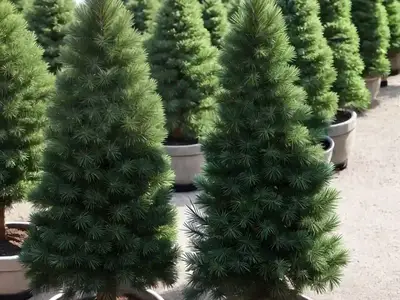
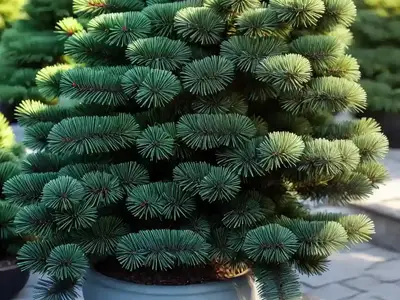
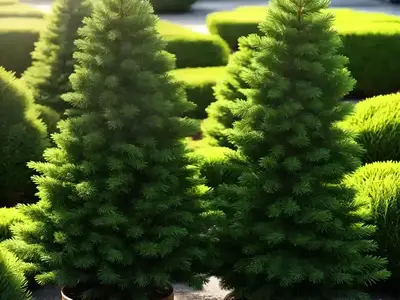
Abies koreana ‘Aurea’, commonly known as the Korean Fir, is a delightful evergreen tree with origins in the mountainous regions of South Korea. It belongs to the Pinaceae family, which includes several other well-known conifers such as pines, spruces, and larches. This cultivar is prized for its striking golden-yellow foliage, which sets it apart from its counterparts. The Korean Fir ‘Aurea’ showcases an elegant and compact form, making it an exceptional addition to both small and large gardens, as well as a perfect choice for container gardening.
Abies koreana ‘Aurea’ Characteristics
- Foliage Color: Golden-yellow
- Tree Size: Compact
- Growth Rate: Slow
- Foliage: Evergreen
- Ornamental Value: High
- Winter Hardiness: Cold hardy
- Soil pH Preference: Neutral to slightly acidic
Key Takeaways – Abies koreana ‘Aurea’
Here are the key takeaways before we delve into the specific aspects of caring for the Korean Fir ‘Aurea’:
- Cultivar Name: Abies koreana ‘Aurea’ (Korean Fir ‘Aurea’)
- Foliage Color: Golden-yellow
- Tree Size: Compact
- Growth Rate: Slow
- Ornamental Value: High
- Winter Hardiness: Cold hardy
- Soil pH Preference: Neutral to slightly acidic
Now, let’s explore the key elements of successfully growing and maintaining the Abies koreana ‘Aurea’.
Culture
The proper cultural practices and environmental conditions are paramount in nurturing the health and vibrancy of the Korean Fir ‘Aurea’. These include considerations such as water, sunlight, fertilizer, soil, pruning, and propagation methods.
Uses
The Korean Fir ‘Aurea’ has a wide range of uses, making it a highly versatile and valued addition to landscapes and gardens. Some of its uses include:
- Specimen tree in gardens and landscapes
- Focal point in small gardens or rockeries
- Container gardening
- Ornamental tree in urban and suburban areas
- Bonsai cultivation
Water
Abies koreana ‘Aurea’ has moderate water requirements, making it adaptable to various moisture levels. It is crucial to maintain consistent soil moisture, especially during the establishment phase and in the hot summer months. As a general guideline, water deeply but infrequently, allowing the soil to dry slightly between watering sessions. Avoid waterlogging the soil, as excessive moisture can lead to root rot and other related issues.
Sunlight
This cultivar thrives in partial shade to full sun conditions. It is essential to provide adequate sunlight for the Korean Fir ‘Aurea’ to support healthy growth and vibrant foliage color. In hot climates, some protection from intense afternoon sun can be beneficial, particularly during the summer months.
Fertilizer
To support its growth and enhance its ornamental features, it is recommended to provide Abies koreana ‘Aurea’ with a balanced, slow-release fertilizer in early spring. A fertilizer specifically formulated for acid-loving plants or evergreens can be beneficial. Ensure that the fertilizer is applied according to the manufacturer’s instructions and is thoroughly watered in to prevent root burn.
Soil
The Korean Fir ‘Aurea’ thrives in well-draining, slightly acidic to neutral soil. A soil rich in organic matter is ideal for fostering its growth and maintaining soil moisture. A loamy, well-aerated soil texture provides an excellent foundation for the tree’s root development and overall health. Before planting, ensure the soil is adequately prepared with necessary amendments and is free from compaction.
Pruning
Pruning is generally minimal for Abies koreana ‘Aurea, given its naturally compact and symmetrical growth habit. Regularly inspect the tree for any dead, damaged, or diseased branches and promptly remove them to promote overall health. Additionally, light shaping and selective thinning can help maintain the desired form and density, allowing ample air circulation and sunlight penetration throughout the canopy.
Propagation
The Korean Fir ‘Aurea’ can be propagated through both seeds and cuttings. However, propagation via seeds often requires stratification to break dormancy and encourage germination. Cuttings can be taken from semi-hardwood or hardwood sections of the tree and rooted under controlled conditions. While propagation can be a rewarding endeavor, it requires patience and attention to detail to achieve successful results.
Container Popularity
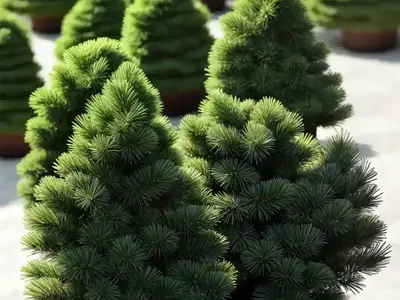
Abies koreana ‘Aurea’ is highly sought after for container gardening due to its compact size, stunning foliage color, and elegant appearance. It serves as an excellent choice for small urban gardens, balconies, and patios, providing year-round interest and ornamental value. When grown in containers, ensure proper drainage, regular watering, and suitable environmental conditions to support the tree’s health and vigor.
Common Diseases
The Korean Fir ‘Aurea’ is relatively resilient to many common diseases. However, it is essential to be vigilant and proactive in preventing the onset and spread of potential ailments. Some of the common diseases that may affect this cultivar include:
- Root Rot: Caused by waterlogged soil or poor drainage
- Needle Blight: Fungal infection leading to browning and dieback of needles
- Canker Diseases: Resulting in sunken lesions on branches and trunks
- Rust Diseases: Characterized by yellow or orange spore-producing structures on needles
Early detection and prompt intervention are crucial in effectively managing and mitigating the impact of diseases on the Korean Fir ‘Aurea’. Proper cultural practices, regular inspections, and appropriate fungicidal treatments, if necessary, can help safeguard the tree’s health and vitality.
Disease Diagnosis
Accurately diagnosing and identifying potential diseases affecting the Abies koreana ‘Aurea’ involves keen observation and knowledge of common symptoms associated with specific ailments. When encountering any unusual or concerning changes in the tree’s appearance or growth, consider the following steps in the disease diagnosis process:
- Visual Inspection: Thoroughly examine the foliage, branches, and trunk for any signs of discoloration, lesions, or abnormalities.
- Symptom Analysis: Take note of any noteworthy symptoms such as browning needles, dieback, or oozing sap.
- Pathogen Identification: Determine the potential pathogen responsible for the observed symptoms through research and consultation with horticultural experts.
- Laboratory Testing: In cases of uncertainty, seeking professional laboratory testing can provide definitive insights into the underlying cause of the tree’s health issues.
Leveraging a combination of proactive cultural practices, regular monitoring, and accurate diagnosis, can empower plant enthusiasts to effectively manage and protect the Korean Fir ‘Aurea’ from potential diseases.
Common Pests
The Korean Fir ‘Aurea’ is generally resistant to many common pests, owing to its natural resilience and robust constitution. Nonetheless, occasional pest infestations may occur, posing a threat to the tree’s health and vigor. Some of the common pests that may target this cultivar include:
- Aphids: Small, sap-sucking insects often found clustered on new growth
- Spider Mites: Tiny arachnids causing stippling and webbing on foliage
- Adelgids: Soft-bodied insects infesting needles and twigs
- Scale Insects: Immobile insects with protective shells, often found on stems and leaves
Vigilance and early detection are paramount in preventing pest infestations from escalating and causing significant damage to the Korean Fir ‘Aurea’. Implementing integrated pest management strategies, including natural predators, horticultural oils, and insecticidal soaps, can effectively mitigate pest populations while safeguarding the tree’s overall well-being.
Botanist’s Tips
To maximize the growth and beauty of Abies koreana ‘Aurea’, here are some valuable tips and recommendations from professional botanists and plant specialists:
- Selecting the Ideal Planting Site: Choose a location with adequate sunlight, well-draining soil, and ample space for the tree to flourish.
- Mulching: Apply a layer of organic mulch around the base of the tree to retain moisture, regulate soil temperature, and suppress weed growth.
- Regular Monitoring: Conduct routine inspections for any signs of stress, diseases, or pest activity, and address any concerns promptly.
- Prudent Pruning: Exercise caution and precision when pruning, focusing on the removal of dead or damaged branches and the maintenance of the tree’s natural shape.
- Balanced Fertilization: Provide the necessary nutrients through balanced fertilization to support healthy growth and foliage coloration.
- Winter Protection: In regions with harsh winters, consider shielding the tree from strong winds and heavy snow loads to prevent damage to the branches and foliage.
Implementing these botanist-approved practices can contribute to the long-term health, vitality, and enchanting aesthetics of the Korean Fir ‘Aurea’.
Fun Facts
- The golden-yellow foliage of the Korean Fir ‘Aurea’ intensifies in color during the winter months, adding a delightful contrast to the surrounding landscape.
- Abies koreana ‘Aurea’ is a popular choice for conifer enthusiasts, gardeners, and landscapers seeking a distinctive and visually striking addition to their green spaces.
- The compact size and elegant form of this cultivar make it an excellent candidate for both small and large gardens, as well as a charming centerpiece for container gardens and mini landscapes.
Links to External Resources
For additional information, detailed insights, and diverse perspectives on Abies koreana ‘Aurea’ and its cultivation, consider exploring the following external resources:
- Royal Horticultural Society (RHS): The RHS provides comprehensive guidance on the care and cultivation of conifers, including the Korean Fir ‘Aurea’. RHS Conifer Care Guide
- American Conifer Society (ACS): The ACS offers a wealth of resources, publications, and expertise on conifer species, enriching your understanding of the Korean Fir ‘Aurea’ and its horticultural significance. ACS Resources
- University Extension Services: Many university extension services feature informative articles and fact sheets on ornamental trees, including the Korean Fir ‘Aurea’, offering practical recommendations and insights.
Continued reading and exploration of reputable external resources can further enhance your knowledge and proficiency in caring for the Korean Fir ‘Aurea’.
In essence, the Korean Fir ‘Aurea’ stands as a remarkable testament to the captivating diversity and natural beauty of coniferous trees. With its stunning golden-yellow foliage, graceful form, and enduring appeal, it offers an exceptional opportunity for plant enthusiasts, landscapers, and gardeners to introduce a touch of elegance and allure to their outdoor spaces. Through attentive care, proactive maintenance, and a deep appreciation for its intrinsic charm, the Korean Fir ‘Aurea is sure to thrive, enchant, and inspire for years to come.