Abies Grandis (Grand Fir)
Abies grandis, commonly known as the Grand Fir, is a majestic tree that holds both ecological and cultural significance. As a plant scientist with a.
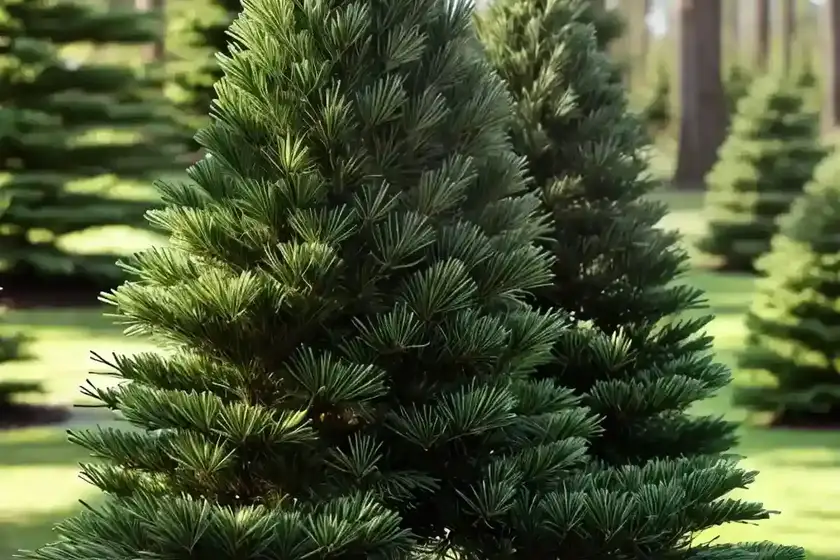
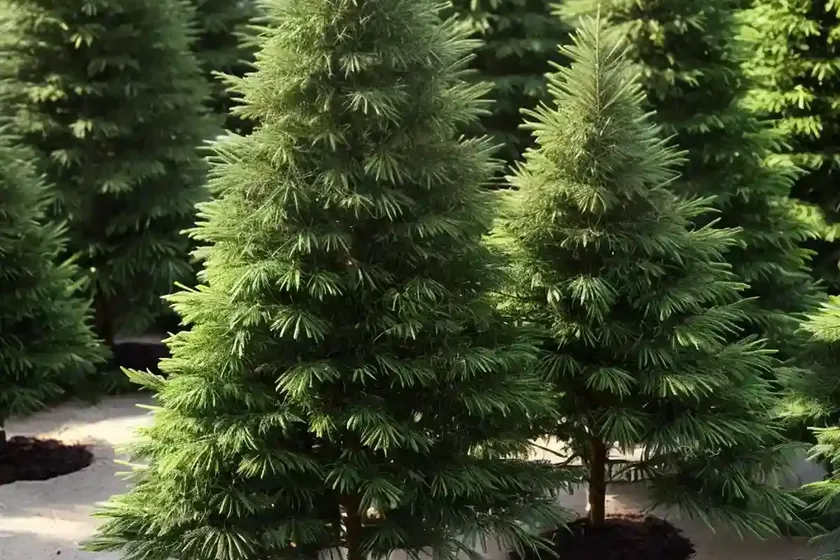
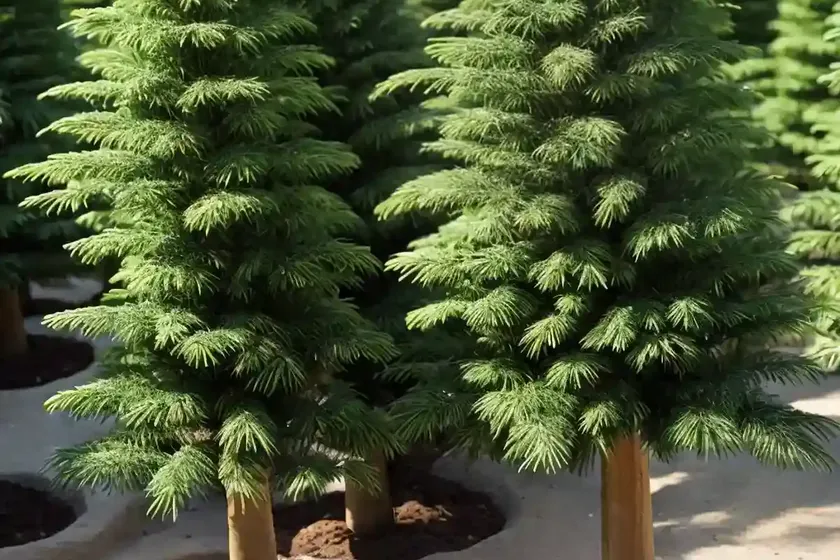
Abies grandis, commonly known as the Grand Fir, is a majestic tree that holds both ecological and cultural significance. As a plant scientist with a passion for coniferous trees, I am excited to delve into the world of Abies grandis, exploring its characteristics, cultivation, care requirements, and diverse uses. In this comprehensive guide, we will uncover the key takeaways of Abies grandis, including its habitat, diseases, pests, and propagation methods. Moreover, we will discuss its role in landscaping, ecosystem support, and its potential as a decorative and medicinal plant.
What is Abies grandis (Grand Fir)?
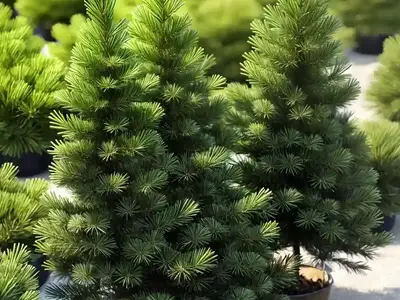
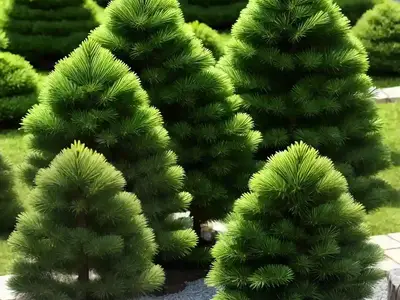
Abies grandis is a towering evergreen conifer that belongs to the Pinaceae family. This magnificent tree is native to the western regions of North America, where it thrives in diverse habitats, ranging from low-lying valleys to high mountain slopes. Its impressive stature, reaching heights of up to 300 feet (90 meters), makes it a dominant presence in the forests of its natural range. The Grand Fir is characterized by its striking symmetrical form, with a tall, straight trunk and dense, glossy green foliage.
Abies grandis Characteristics
Before delving into the detailed aspects of Abies grandis, let’s explore a concise overview of its key characteristics:
- Scientific Name: Abies grandis
- Common Name: Grand Fir
- Family: Pinaceae
- Type: Evergreen conifer
- Native Habitat: Western North America
- Height: Up to 300 feet (90 meters)
- Foliage: Glossy green needles
- Cone Shape: Cylindrical
- Cone Length: 3-4 inches (7.5-10 cm)
- Growth Rate: Moderate to fast
- Lifespan: Long-lived, up to 250 years
Now that we have established the foundational characteristics of Abies grandis, let’s dive deeper into the various facets of this remarkable tree.
Key Takeaways – Abies grandis (Grand Fir)
To truly understand and appreciate the Grand Fir, it is essential to explore its culture, uses, and specific care requirements. Whether you are considering cultivating Abies grandis in your landscape or seeking insights into its ecological importance, the following sections aim to provide a comprehensive overview of this magnificent species.
Culture
Cultivating Abies grandis requires a nuanced understanding of its native habitat and environmental preferences. From soil conditions to water requirements, providing an environment that mimics its natural range is crucial for the successful growth of Grand Fir trees.
Water
- Moderate Moisture: Abies grandis thrives in moderately moist soil, preferring well-drained conditions. While it exhibits a good tolerance to periodic waterlogging, it is essential to avoid prolonged saturation of the root zone.
Sunlight
- Partial to Full Sun: Grand Fir trees are well-adapted to varying light conditions, ranging from partial shade to full sunlight. However, providing ample sunlight is ideal for maximizing their growth potential and overall health.
Fertilizer
- Minimal Fertilization: In most cases, Abies grandis does not require extensive fertilization. If the soil lacks essential nutrients, a balanced slow-release fertilizer can be applied in the early spring to support healthy growth.
Soil
- Acidic, Well-Drained Soil: Grand Fir trees prefer acidic soil with a pH range of 5.5 to 6.5. Ensuring proper drainage is paramount, as waterlogged soil can lead to root rot and other detrimental conditions.
Uses
The Grand Fir holds multifaceted uses, extending from its commercial value to its ecological contributions, making it a valuable addition to various landscapes and ecosystems.
- Timber: The straight and tall trunks of Abies grandis trees make them a prized source of timber, utilized in construction, woodworking, and pulp production.
- Landscape Ornament: As an ornamental tree, the Grand Fir adds visual appeal and elegance to landscapes, with its symmetrical form and vibrant green foliage.
- Wildlife Habitat: The dense foliage of Abies grandis provides an excellent habitat for various wildlife species, offering shelter and foraging opportunities.
Pruning
Pruning plays a crucial role in maintaining the health and aesthetics of Abies grandis trees, ensuring proper structure and promoting vigorous growth.
- Seasonal Pruning: It is recommended to conduct pruning during the dormant season in late winter or early spring to minimize stress on the tree.
- Dead Branch Removal: Regularly removing dead or diseased branches helps prevent the spread of pathogens and enhances the overall appearance of the tree.
Propagation
Understanding the propagation methods of Abies grandis is essential for those interested in expanding their Grand Fir population or engaging in reforestation efforts.
- Seed Propagation: Collecting and germinating Grand Fir seeds is a common method of propagation, requiring attention to seed stratification and optimal growing conditions.
- Cutting Propagation: While more challenging, propagating Abies grandis from cuttings can be successful with proper techniques and care.
Container Popularity
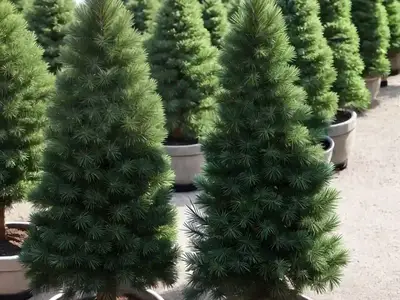
Grand Fir trees are increasingly sought after for container cultivation, offering an opportunity to appreciate their beauty in a more controlled setting.
- Indoor Ornament: Growing Abies grandis in containers allows for indoor ornamentation, bringing the allure of this majestic species into living spaces.
Common Diseases
As with any plant species, Abies grandis is susceptible to certain diseases that can affect its overall health and vigor. Understanding these diseases, their symptoms, and management strategies is critical for maintaining the well-being of Grand Fir trees.
Disease Diagnosis
- Needle Blight: Needle blight diseases, caused by various fungal pathogens, can lead to browning, defoliation, and overall decline in the vitality of Abies grandis.
- Root Rot: Excessive soil moisture or poorly drained conditions can promote root rot, resulting in stunted growth, yellowing foliage, and eventual tree decline.
Common Pests
In addition to diseases, Grand Fir trees may face challenges posed by pests, necessitating proactive monitoring and management strategies to mitigate potential damage.
- Aphids: These small sap-sucking insects can infest the foliage of Abies grandis, leading to distorted growth and sooty mold development.
- Spruce Budworm: While primarily affecting spruce trees, budworms can also target Grand Firs, causing defoliation and compromising tree health.
Botanist’s Tips
Incorporating insights from experienced botanists can offer valuable guidance for effectively caring for and appreciating Abies grandis in various settings.
- Ecological Emphasis: Acknowledging the ecological significance of Grand Fir trees can foster a deeper appreciation for their role in supporting diverse habitats and wildlife.
- Seasonal Awareness: Taking note of seasonal changes, such as new growth in spring and dormancy in winter, helps in aligning care practices with the natural rhythm of Abies grandis.
Fun Facts
Delving into the intriguing aspects of Abies grandis can unravel captivating details that further enhance our appreciation for this remarkable tree.
- Fragrant Foliage: The needles of the Grand Fir emit a delightful citrusy scent when crushed, adding sensory delight to its allure.
- Wildlife Magnet: Abies grandis serves as vital habitat for a variety of wildlife, including birds, squirrels, and insects, fostering biodiversity within its ecosystem.
Abies grandis Size
The Grand Fir is renowned for its impressive size, with mature trees reaching towering heights and exhibiting substantial girth.
- Height: Up to 300 feet (90 meters)
- Spread: Can attain a spread of 15-20 feet (4.5-6 meters) at maturity
Grand Fir Tree Lifespan
Abies grandis trees are known for their long lifespan, with some individuals enduring for several centuries under favorable growing conditions.
- Lifespan: Up to 250 years
Grand Fir Tree Growth Rate
Understanding the growth rate of Abies grandis provides valuable insights into its development and potential for contributing to a landscape.
- Growth Rate: Moderate to fast
Abies grandis Leaves
The foliage of the Grand Fir plays a pivotal role in its aesthetic appeal and ecological functions, with distinct characteristics that define its identity.
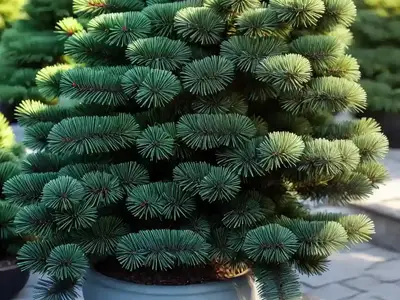
- Needles: Glossy green, with a length of approximately 1 inch (2.5 cm)
- Arrangement: Spirally arranged on the twigs, creating a lush and dense canopy
Grand Fir Tree Cones
The cones of Abies grandis serve both reproductive and ornamental functions, adding visual interest to the tree throughout the year.
- Cone Shape: Cylindrical
- Cone Length: 3-4 inches (7.5-10 cm)
- Maturation: The cones disintegrate upon maturation, releasing winged seeds
Abies grandis Habitat
Understanding the natural range of Abies grandis provides vital context for its cultural significance and ecological contributions.
- Natural Range: Western North America, spanning from British Columbia to northern California
- Habitat Diversity: Thrives in a range of habitats, from moist valleys to mountain slopes
Abies grandis Ecology
The ecological role of Grand Fir trees encompasses a wide array of interactions and contributions within their native ecosystems.
- Wildlife Support: Provides shelter, nesting sites, and foraging opportunities for various wildlife species, including birds and mammals
- Soil Stabilization: The extensive root system of Abies grandis contributes to soil stability and erosion control in forested areas
Grand Fir Tree Wildlife Habitat
Abies grandis serves as a critical habitat for numerous wildlife species, facilitating biodiversity and ecological balance.
- Birds: The dense foliage of Grand Fir trees offers nesting and perching sites for diverse bird species, enhancing the habitat’s avian diversity.
- Mammals: Squirrels and small mammals find refuge in the expansive branches of Abies grandis, utilizing the tree as a safe haven within the forest ecosystem.
Growing Abies grandis
Successfully growing Abies grandis involves incorporating the ideal cultural conditions and care practices to ensure its optimal development and longevity.
Abies grandis Planting Guide
When considering the cultivation of Abies grandis, adhering to specific planting guidelines is crucial for the establishment and well-being of the tree.
- Season: Plant Grand Fir trees in the early spring or fall to allow for optimal root establishment before periods of extreme weather.
- Site Selection: Choose a location with well-drained, acidic soil and ample sunlight, ensuring adequate spacing for mature growth.
Abies grandis Pruning
Proper pruning techniques are essential for maintaining the health, form, and structural integrity of Abies grandis trees.
- Structural Pruning: Conduct structural pruning during the early years to encourage a strong central leader and well-spaced scaffold branches.
- Deadwood Removal: Regularly inspect and remove dead, diseased, or damaged branches to promote overall tree vigor.
Abies grandis Landscape
Incorporating Abies grandis into landscape designs requires a nuanced approach that highlights its inherent beauty and enhances the overall visual appeal.
- Specimen Tree: Placing Grand Fir trees as focal points in the landscape accentuates their elegance and prominent presence within the setting.
- Mixed Plantings: Integrating Abies grandis with understory shrubs and perennials adds depth and diversity to the landscape composition.
Abies grandis Propagation
Expanding the population of Abies grandis through successful propagation methods contributes to the conservation and sustainability of this valuable tree species.
Abies grandis Seedlings
Growing and nurturing Abies grandis seedlings is an essential component of reforestation efforts and forest regeneration projects.
- Seed Collection: Harvesting cones and extracting seeds for propagation requires careful timing and handling to ensure seed viability.
- Nursery Care: Providing optimal growing conditions, including moisture, light, and nutrient levels, is essential for the successful development of Grand Fir seedlings.
Container Cultivation
Growing Abies grandis in containers offers flexibility and aesthetic appeal, catering to diverse horticultural and landscaping preferences.
- Container Selection: Choose spacious, well-draining containers that allow for root growth and provide stability for the growing tree.
- Soil Considerations: Utilize a well-aerated, acidic potting mix to mimic the preferred soil conditions of Abies grandis.
Abies grandis Diseases
Understanding the prevalent diseases that affect Grand Fir trees equips growers with the knowledge to detect, manage, and prevent potential outbreaks.
Needle Blight
Needle blight diseases can significantly impact the health and aesthetics of Abies grandis, necessitating effective management strategies to mitigate their effects.
- Fungal Pathogens: Multiple fungal species, including Rhizosphaera and Stigmina, can cause needle blight symptoms, such as browning and premature needle drop.
- Preventive Measures: Ensuring proper spacing, good air circulation, and addressing any underlying stressors can help minimize the risk of needle blight.
Root Rot
Excessive soil moisture and poor drainage can predispose Abies grandis to root rot, posing a threat to its overall vigor and longevity.
- Symptoms: Yellowing foliage, stunted growth, and a general decline in tree health are indicative of root rot, necessitating prompt intervention.
- Water Management: Regulating soil moisture levels and improving drainage in affected areas can serve as effective preventative measures against root rot.
Grand Fir Tree Pests
Proactive monitoring and integrated pest management are essential for mitigating the potential damage caused by pests targeting Abies grandis.
Aphids
Aphid infestations can compromise the health and aesthetics of Grand Fir trees, requiring diligent observation and management strategies.
- Natural Predators: Encouraging the presence of aphid predators, such as ladybugs and lacewings, can help naturally control aphid populations on Abies grandis.
- Horticultural Oils: Utilizing horticultural oils or insecticidal soaps can provide effective control of aphids while minimizing adverse effects on beneficial insects.
Spruce Budworm
While primarily associated with spruce trees, budworms can also pose a threat to the foliage and overall health of Abies grandis.
- Early Detection: Monitoring for early signs of budworm activity, such as webbing and defoliation, allows for timely intervention and minimizes potential damage to Grand Fir trees.
- Biological Control: Implementing biological control agents, such as Bacillus thuringiensis, can offer targeted and environmentally friendly management of spruce budworm in coniferous trees.
Abies grandis Timber
The timber derived from Abies grandis holds commercial value, serving as a versatile and sought-after material for various applications.
- Wood Characteristics: Grand Fir timber exhibits desirable qualities, including straight grain, workability, and a light color that is conducive to staining and finishing.
- Utilizations: The timber is utilized in construction, millwork, furniture production, and as a raw material for paper and pulp.
Abies grandis Wildlife Habitat
The role of Abies grandis as a wildlife habitat extends beyond providing shelter, encompassing diverse interactions and ecological complexities.
- Species Diversity: The presence of Grand Fir trees supports a myriad of wildlife species, including songbirds, raptors, small mammals, and insects, facilitating a rich and dynamic ecosystem.
- Foraging Resources: The seeds and foliage of Abies grandis contribute to the foraging resources available to wildlife, fostering essential food sources within its habitat.
Grand Fir Tree Benefits
From ecological contributions to cultural significance, the benefits of Abies grandis extend across various spheres, emphasizing its value and relevance.
- Ecosystem Support: Grand Fir trees play a crucial role in supporting forest ecosystems, contributing to soil stability, wildlife habitat, and overall ecological balance.
- Cultural Significance: Diverse cultural and traditional uses of Abies grandis underscore its importance in local communities and indigenous practices, highlighting its enduring relevance.
Abies grandis Ornamental Value
Embracing the ornamental appeal of Abies grandis elevates its presence in landscapes and fosters a connection with its inherent beauty.
- Landscape Focal Point: The symmetrical form and vibrant green foliage of the Grand Fir make it a captivating focal point within garden settings, enhancing visual interest and harmony.
- Seasonal Interest: Throughout the year, from the fresh green growth in spring to the striking silhouette in winter, Abies grandis maintains visual allure and seasonal engagement.
Grand Fir Tree Natural Range
Understanding the natural range and distribution of Abies grandis provides insights into its ecological adaptations and geographic significance.
- Biogeographic Context: The natural distribution of Grand Fir trees reflects the diverse biogeographic regions of western North America, encompassing varying climatic and ecological zones.
- Adaptation: The adaptability of Abies grandis to a range of habitats underscores its resilience and ecological versatility within its native range.
Abies grandis Medicinal Properties
Exploring the potential medicinal properties of Abies grandis sheds light on its traditional uses and therapeutic attributes.
- Aromatic Resin: The resin derived from Grand Fir trees has been historically utilized for its aromatic and medicinal properties, often incorporated in salves and balms.
- Cultural Practices: Traditional healing and ceremonial practices of indigenous communities have encompassed the use of Abies grandis resin for its perceived healing qualities and aromatic virtues.
Abies grandis Winter Hardiness
The winter hardiness of Grand Fir trees underscores their adaptability to cold and snowy conditions, contributing to their ecological resilience.
- Snow Load Tolerance: The dense branches and flexible nature of Abies grandis enable it to withstand heavy snow loads, minimizing breakage and damage during winter.
Grand Fir Tree Fertilizer Requirements
Understanding the nuanced fertilizer requirements of Abies grandis promotes effective soil management and sustained tree health.
- Balanced Nutrition: While generally not demanding high levels of fertilization, providing a balanced, slow-release fertilizer supports the growth and vitality of Grand Fir trees, especially in deficient soils.
Abies grandis Decorative Uses
Incorporating Abies grandis into decorative and functional applications accentuates its versatility and multi-faceted appeal.
- Holiday Greenery: The lush foliage of Abies grandis serves as a popular choice for crafting holiday wreaths, garlands, and decorative arrangements, adding festive flair and aromatic charm.
- Arboreal Celebrations: Grand Fir trees are cherished as symbols of celebration and remembrance, often adorned with decorations and lights during seasonal festivities.
Abies grandis Shade Tolerance
The adaptability of Abies grandis to varying light conditions underscores its potential for enriching shaded settings and forested landscapes.
- Understory Role: Grand Fir trees can thrive as understory specimens, exhibiting shade tolerance and contributing to the diverse layering within forest ecosystems.
Grand Fir Tree Wind Resistance
The resilience of Abies grandis to windy conditions speaks to its structural strength and adaptability in exposed environments.
- Windbreak Potential: Planting Grand Fir trees as windbreaks