Japanese Wisteria (Wisteria floribunda): A Complete Guide
Plants have always held a special place in human society, not only for their ecological importance but also for their aesthetic appeal. Among the diverse array of ornamental plants, the Japanese Wisteria (Wisteria floribunda) stands out for its enchanting beauty, fragrant blooms, and vigorous climbing habit. In this comprehensive guide, we will explore the various aspects of the Japanese Wisteria, including its culture, uses, care requirements, common diseases, and much more. Whether you are a seasoned gardener or a plant enthusiast, there is something intriguing about this captivating vine that is bound to capture your interest.
What is Japanese Wisteria (Wisteria floribunda)?
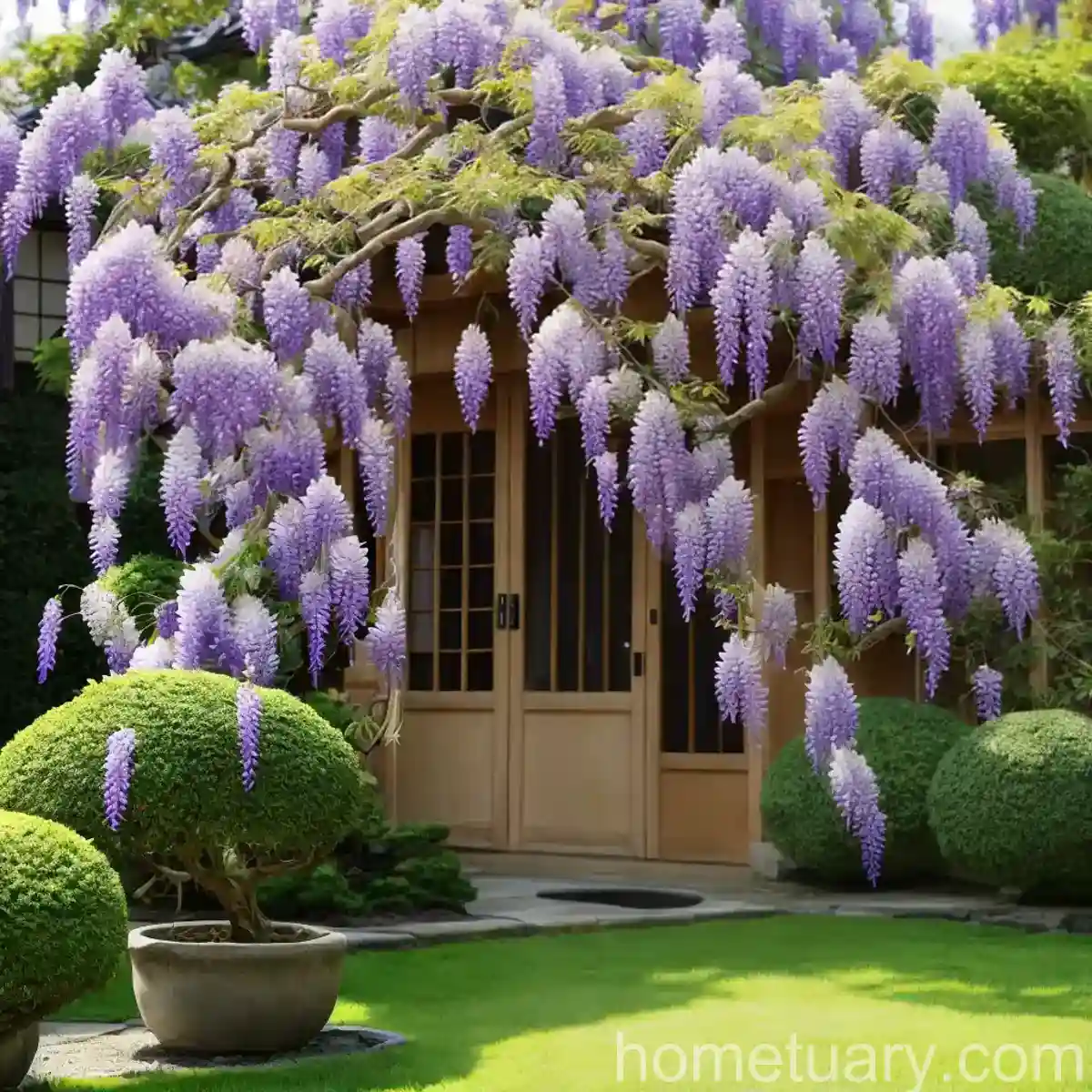
The Japanese Wisteria, scientifically known as Wisteria floribunda, is a species of flowering plant in the pea family, Fabaceae. It is native to Japan and is renowned for its stunning, pendulous clusters of fragrant, pea-like flowers that adorn its vines. The plant is a vigorous climber, often reaching great heights with proper support, and is prized for its picturesque display of cascading blooms that can create breathtaking garden landscapes.
Key Takeaways – Japanese Wisteria (Wisteria floribunda)
Before delving into the details of Japanese Wisteria cultivation and care, let’s review some key takeaways about this captivating plant:
- Common Name: Japanese Wisteria
- Scientific Name: Wisteria floribunda
- Family: Fabaceae
- Native Habitat: Japan
- Notable Features: Fragrant, pendulous clusters of pea-like flowers, vigorous climbing habit
- Cultural Significance: Prized ornamental plant in gardens, parks, and landscapes
With these essential details in mind, let’s explore the various facets of caring for and appreciating the beauty of the Japanese Wisteria.
Culture
Understanding the cultural requirements of the Japanese Wisteria is essential for successfully cultivating and enjoying this ornamental vine. The following aspects play a crucial role in the cultural practices associated with Japanese Wisteria cultivation:
- Uses: Ornamental, garden landscaping, pergolas, arboretums, trellises, and other outdoor structures
- Water: Well-drained soil, consistent watering during the growing season, reduced watering during dormancy
- Sunlight: Full sun for optimal flowering, partial shade in hot climates
- Fertilizer: Balanced fertilizer in spring, phosphorus-rich fertilizer to promote flowering
- Soil: Rich, moist, well-drained soil with neutral to slightly acidic pH
- Pruning: Regular pruning to manage growth, shape the plant, and encourage flowering
Uses
The Japanese Wisteria is primarily valued for its ornamental and aesthetic uses. Its vigorous climbing habit and stunning floral display make it a sought-after plant for various landscaping and garden design applications. Common uses of Japanese Wisteria include:
- Garden Landscaping: Key element in traditional and contemporary garden designs
- Pergolas and Arboretums: Creates enchanting, shaded walkways and outdoor spaces
- Trellises and Structures: Adorns vertical structures with cascading blooms
- Outdoor Decor: Enhances the visual appeal of patios, courtyards, and outdoor entertainment areas
- Wildlife Gardens: Attracts pollinators such as bees and butterflies, promoting biodiversity
Water
Proper watering practices are essential for maintaining the health and vitality of Japanese Wisteria plants. Understanding the plant’s water needs throughout the growing season and during dormancy is crucial for successful cultivation. Here are some key considerations related to watering Japanese Wisteria:
- Growing Season: Regular, consistent watering to keep the soil evenly moist
- Dormancy: Reduced watering to prevent waterlogged soil, which can lead to root rot
- Mulching: Mulch around the base of the plant to retain soil moisture and inhibit weed growth
- Container Plants: Ensure proper drainage in containers to prevent water accumulation
Sunlight
As a flowering plant, sufficient sunlight is crucial for the Japanese Wisteria to bloom abundantly and thrive. Understanding the sunlight requirements and providing the appropriate light conditions can significantly impact the plant’s overall health and flowering capacity. Key points regarding sunlight for Japanese Wisteria include:
- Full Sun: Ideal for promoting vigorous growth and profuse flowering
- Partial Shade: Beneficial in hot climates to protect the plant from excessive heat
- Orientation: Plant in a location with adequate sun exposure, taking into account the movement of the sun throughout the day
- Shading: Avoid shading from nearby structures or large plants that can obstruct sunlight
Fertilizer
Applying the right type of fertilizer at the appropriate times is essential for promoting healthy growth and abundant flowering in Japanese Wisteria. A balanced fertilization regimen, along with targeted applications of phosphorus-rich fertilizers, can enhance the plant’s overall performance. Consider the following fertilizer guidelines for Japanese Wisteria:
- Spring Fertilization: Apply a balanced fertilizer to promote overall growth and development
- Phosphorus Boost: Use a fertilizer with higher phosphorus content to encourage flowering
- Frequency: Fertilize during the growing season, adjusting frequency based on the plant’s response
- Soil Test: Conduct a soil test to determine nutrient deficiencies and adjust fertilizer application accordingly
Soil
The soil composition and quality significantly influence the growth, flowering, and overall health of Japanese Wisteria. Providing the plant with well-drained, fertile soil with the appropriate pH level creates an optimal growing environment. Consider the following soil-related factors when cultivating Japanese Wisteria:
- Drainage: Ensure proper drainage to prevent waterlogging and root rot
- Moisture Retention: Use organic matter to improve soil moisture retention without sacrificing drainage
- pH Level: Aim for neutral to slightly acidic soil (pH 6.0-7.0) for optimal nutrient absorption
- Soil Amendments: Incorporate compost, well-rotted manure, or peat moss to enhance soil quality
Pruning
Regular pruning is essential for managing the growth, shape, and flowering patterns of Japanese Wisteria. By implementing proper pruning techniques, gardeners can control the plant’s size, remove dead or diseased wood, and promote prolific flowering. Key considerations for pruning Japanese Wisteria include:
- Timing: Prune in late winter or early spring before new growth emerges
- Training Vines: Guide the growth of young vines to establish the desired framework for cascading blooms
- Flower Formation: Prune lateral shoots to encourage flower bud development and abundant blooming
- Health Maintenance: Remove dead, damaged, or diseased wood to promote overall plant health
Propagation
While Japanese Wisteria can be propagated from seeds, it is more commonly propagated through vegetative means such as softwood or hardwood cuttings. Understanding the propagation techniques and timing is essential for successfully propagating new plants. Propagation considerations for Japanese Wisteria include:
- Softwood Cuttings: Take softwood cuttings in late spring to early summer for optimal rooting
- Hardwood Cuttings: Gather hardwood cuttings in late autumn for overwintering and subsequent planting
- Rooting Hormone: Use a rooting hormone when preparing cuttings to promote successful root development
- Propagation Medium: Utilize a well-draining growing medium for propagating cuttings, maintaining adequate moisture levels
Container Popularity
Japanese Wisteria’s adaptability to container cultivation makes it a popular choice for growing in pots, allowing individuals with limited garden space to enjoy its beauty. By carefully selecting the right container and providing proper care, enthusiasts can successfully cultivate Japanese Wisteria in a container. Considerations for growing Japanese Wisteria in containers include:
- Container Size: Choose a large, sturdy container to accommodate the plant’s growth and extensive root system
- Drainage: Ensure adequate drainage holes in the container to prevent water accumulation and root rot
- Support Structure: Provide a sturdy trellis or support for the vine to climb and display its cascading blooms
- Careful Maintenance: Monitor soil moisture, fertilize as needed, and prune to manage growth within the container environment
Common Diseases
Like many plants, Japanese Wisteria is susceptible to certain diseases that can impact its health and vitality. Being aware of common diseases and implementing preventive measures can help maintain the plant’s overall well-being. Some common diseases affecting Japanese Wisteria include:
- Powdery Mildew: Fungal disease manifesting as white, powdery patches on leaves and stems
- Leaf Spot: Fungal infection causing dark spots on leaves, potentially leading to leaf yellowing and defoliation
- Wisteria Blight: Bacterial disease characterized by dark lesions, dieback, and overall decline of the plant
- Root Rot: Fungal infection leading to rotting of the roots, resulting in wilted foliage and stunted growth
- Viral Diseases: Various viral pathogens can cause mosaic patterns, stunted growth, and deformities in leaves and flowers
Disease Diagnosis
Prompt diagnosis of plant diseases is crucial for implementing effective control measures and preventing the spread of infections. Vigilant monitoring and early detection of disease symptoms are essential in identifying and addressing potential issues. When diagnosing diseases in Japanese Wisteria, consider the following factors:
- Symptom Observation: Pay close attention to changes in leaf color, texture, and overall plant vitality
- Pathogen Identification: Determine the potential pathogens responsible for the observed symptoms
- Environmental Factors: Assess environmental conditions that may contribute to disease development, such as excessive moisture or poor air circulation
- Consultation: Seek guidance from local extension services, plant clinics, or experienced horticulturists for accurate disease diagnosis and management recommendations
Common Pests
In addition to disease concerns, Japanese Wisteria may face challenges from various pests that can affect its foliage, flowers, and overall growth. Understanding common pests and their management is crucial for ensuring the plant’s health and minimizing damage. Some common pests that may affect Japanese Wisteria include:
- Aphids: Small, sap-sucking insects that can cluster on new growth and flower buds, causing distortion and sooty mold
- Caterpillars: Larval stages of moths and butterflies that may consume foliage and damage flower clusters
- Scale Insects: Small, immobile pests that can infest stems and foliage, leading to wilted growth and reduced plant vigor
- Spider Mites: Tiny arachnids that feed on plant sap, causing stippling, discoloration, and webbing on the undersides of leaves
- Japanese Beetles: Feeding damage from adult beetles can defoliate plants and impact overall vitality
Botanist’s Tips
Drawing from botanical expertise and practical experience, here are some valuable tips to enhance the cultivation and enjoyment of Japanese Wisteria in garden settings:
- Selecting Varieties: Explore different Wisteria floribunda cultivars and varieties to introduce diversity in flower color, blooming time, and growth habits
- Support Structures: Invest in sturdy support structures and trellises to accommodate the plant’s climbing nature and dramatic floral display
- Pruning Techniques: Learn proper pruning techniques to shape the plant, promote flowering, and manage its growth within the available space
- Pollinator-Friendly Gardening: Embrace the role of Japanese Wisteria as a pollinator attractant, contributing to the overall ecological balance of the garden
Fun Facts
Delving into the whimsical and intriguing aspects of Japanese Wisteria can uncover the following fun facts and folklore associated with this enchanting plant:
- Symbolism: In Japanese culture, Wisteria symbolizes love, sensuality, support, and the concept of overcoming challenges
- Longevity: Some Wisteria specimens in Japan are centuries-old, captivating generations with their enduring beauty and resilience
- Fragrance: The sweet, intoxicating fragrance of Wisteria blooms has been celebrated in literature, art, and perfumery across cultures
- Horticultural Events: Wisteria festivals in Japan attract visitors from around the world to witness the spectacular blooming displays
Links to External Resources
For further exploration of Japanese Wisteria cultivation, care, and botanical significance, the following external resources offer valuable insights and in-depth information:
- Royal Horticultural Society (RHS) – Wisteria
- American Society for the Prevention of Cruelty to Animals (ASPCA) – Wisteria
- University of Florida IFAS Extension – Wisteria spp: Wisteria
- North Carolina State University Extension Gardener Plant Toolbox – Wisteria floribunda
- The Plant List – Wisteria floribunda
In conclusion, the Japanese Wisteria (Wisteria floribunda) captivates the hearts and imaginations of plant enthusiasts and horticulturists alike with its stunning floral displays, rich cultural significance, and versatile landscaping potential. Understanding the plant’s cultural requirements, care practices, and inherent charm opens up a world of possibilities for incorporating this enchanting vine into diverse garden settings and enjoying its timeless beauty.
Whether adorning pergolas, trellises, or arboretums, Japanese Wisteria continues to weave its spell, creating captivating scenes that evoke admiration, contemplation, and a deep appreciation for the wonders of the natural world. Embracing the allure of Japanese Wisteria invites us to partake in a horticultural journey that transcends time, bringing us closer to the enduring spirit of nature’s botanical wonders.