Geranium Plant (Pelargonium Zonale)
Geranium plants, scientifically known as Pelargonium zonale, are a species celebrated for their vibrant blooms, pleasant fragrance, and ease of.
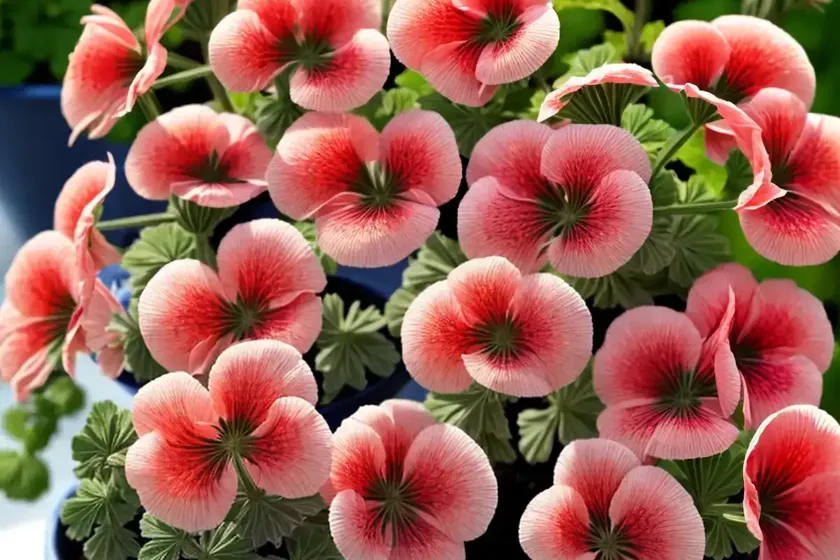
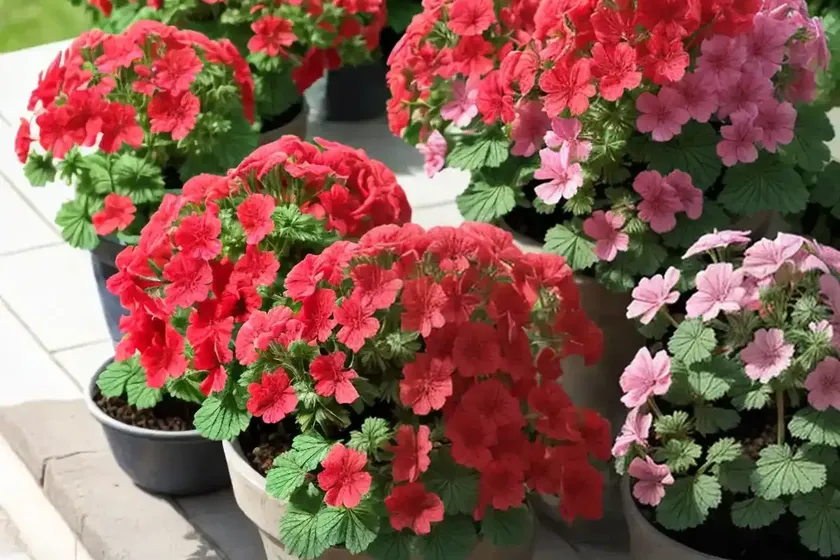
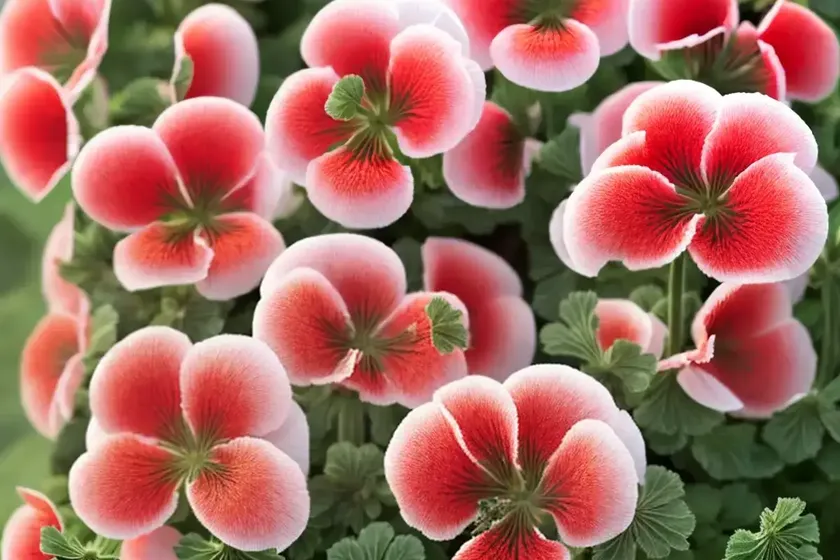
Geranium plants, scientifically known as Pelargonium zonale, are a species celebrated for their vibrant blooms, pleasant fragrance, and ease of cultivation. These plants have garnered immense popularity in gardens, landscapes, and even indoor settings, making them a staple in the world of horticulture. In this comprehensive guide, we’ll delve into the intricate details of the geranium plant, covering various aspects such as culture, uses, propagation, diseases, pests, and much more. Whether you’re an avid gardener or a novice plant enthusiast, this article aims to provide valuable insights into the captivating realm of geranium plants.
What is a Geranium Plant (Pelargonium zonale)?
The geranium plant, or Pelargonium zonale, belongs to the family Geraniaceae and is native to South Africa. This species is known for its striking clusters of flowers, typically in shades of pink, red, or white, held aloft on long, slender stems. The leaves of the geranium plant are recognizable by their distinctively notched and serrated edges, adding to the plant’s overall appeal. In addition to its ornamental value, the geranium plant boasts a rich history of traditional uses, contributing to its significance in various cultures around the world.
Key Takeaways – Geranium Plant (Pelargonium zonale)
Before we delve into the specifics of geranium plant care and cultivation, let’s highlight the key takeaways that encapsulate the essence of these vibrant plants.
Culture
- Origin: South Africa
- Family: Geraniaceae
- Genus: Pelargonium
- Species: Pelargonium zonale
Uses
- Ornamental purposes
- Culinary applications (fragrant leaves)
Water
- Moderate water requirements
- Avoid overwatering to prevent root rot
- Ensure well-draining soil
Sunlight
- Thrives in full sun to partial shade
- Requires at least 6 hours of sunlight per day
Fertilizer
- Balanced, water-soluble fertilizer
- Apply during the growing season
Soil
- Well-draining soil mix
- pH range of 6.0 to 7.5
Pruning
- Regular deadheading of spent blooms
- Occasional trimming for shape and size control
Propagation
- Simple propagation from stem cuttings
- Division of root clumps
Container Popularity
- Ideal for container gardening
- Wide range of compact and trailing varieties
Common Diseases
- Botrytis blight
- Rust
- Powdery mildew
Disease Diagnosis
- Visual symptoms and leaf analysis
- Laboratory testing for accurate diagnosis
Common Pests
- Aphids
- Spider mites
- Whiteflies
Botanist’s Tips
- Ensure proper air circulation
- Monitor soil moisture levels
- Regularly inspect for pest infestations
Fun Facts
- In addition to its ornamental value, geraniums are used in traditional medicine for their astringent and antimicrobial properties.
- The fragrance of geranium leaves is used in the production of essential oils and perfumes.
Geranium Plant (Pelargonium zonale) in Detail
Now that we’ve encapsulated the essential characteristics of the geranium plant, let’s delve deeper into each of these aspects to gain a comprehensive understanding of this captivating species.
Geranium Plant Care
The care of geranium plants is integral to ensuring their health and vigor. By addressing key elements such as watering, sunlight exposure, soil conditions, and pruning, one can foster an environment conducive to the optimal growth of these plants.
Watering Tips
Maintaining appropriate moisture levels is crucial for the health of geranium plants. Consider the following tips to ensure effective watering practices:
- Moderation: Avoid overwatering, as excessive moisture can lead to root rot. Water the plants when the top inch of soil feels dry to the touch.
- Drainage: Ensure that the soil is well-draining to prevent waterlogging, which can be detrimental to the roots.
- Consistency: Aim for consistent moisture levels, avoiding prolonged dry spells followed by excessive watering.
To further enhance the understanding of watering practices, explore our in-depth article on Geranium Plant Watering Tips for detailed insights.
Sunlight Requirements
Geranium plants thrive in environments with ample sunlight. Consider the following sunlight requirements to optimize the growth of these plants:
- Full Sun: Ideally, geranium plants should receive at least 6 hours of direct sunlight per day for prolific flowering.
- Partial Shade: While they prefer full sun, geraniums can tolerate partial shade, especially in regions characterized by intense midday sun.
For a deeper understanding of sunlight requirements, refer to our comprehensive guide on Geranium Plant Sunlight Preferences.
Fertilization
Balanced fertilization is essential to support the growth and blooming of geranium plants. Consider the following fertilization tips to ensure optimal nutrient uptake:
- Timing: Apply a balanced, water-soluble fertilizer during the growing season, typically in spring and summer.
- Dilution: Follow the manufacturer’s instructions for diluting the fertilizer to prevent overfeeding the plants.
- Frequency: Fertilize every 4 to 6 weeks during the active growing period to support robust growth and prolific blooming.
For a detailed exploration of fertilization techniques, explore our comprehensive article on Geranium Plant Fertilization.
Soil Preferences
The choice of soil significantly impacts the overall health and performance of geranium plants. Consider the following soil preferences to create an optimal growing environment:
- Drainage: Opt for a well-draining soil mix to prevent waterlogging, which can lead to root rot.
- pH Level: Geranium plants thrive in a slightly acidic to neutral pH range, typically between 6.0 and 7.5.
- Composition: A combination of potting mix, perlite, and organic matter can create an ideal growing medium for geraniums.
To gain comprehensive insights into soil preferences, refer to our detailed guide on Geranium Plant Soil Preferences for in-depth information.
Pruning Techniques
Pruning plays a pivotal role in shaping the growth and aesthetic appeal of geranium plants. Consider the following techniques for effective pruning practices:
- Deadheading: Regularly remove spent blooms to encourage continuous flowering and maintain plant vigor.
- Trimming: Occasional trimming of leggy or overgrown stems can promote bushier growth and a more compact form.
For a deeper understanding of pruning techniques, explore our detailed article on Geranium Plant Pruning to hone your skills in maintaining these plants.
Geranium Plant Propagation
Propagation allows for the expansion of geranium plant populations and the preservation of specific cultivars. Explore the following propagation methods to delve into the intricacies of multiplying geraniums:
Propagation from Cuttings
Propagation from stem cuttings is one of the most popular and effective methods for expanding geranium plant collections. Consider the following steps for successful propagation from cuttings:
- Selection: Choose healthy, non-flowering stem cuttings of approximately 3 to 4 inches in length.
- Preparation: Remove the lower leaves to expose the nodes from which roots will develop.
- Planting: Place the cuttings in a well-draining potting mix and ensure consistent moisture levels.
- Root Development: Over a few weeks, roots will develop, signaling successful propagation.
For a detailed guide on propagation from cuttings, refer to our comprehensive article on Geranium Plant Propagation from Cuttings.
Division of Root Clumps
Dividing established geraniums allows for the rejuvenation of overgrown plants and the creation of new individuals. Consider the following steps for dividing root clumps:
- Lifting: Gently lift the plant from its container or the soil, being careful not to damage the roots.
- Division: Use clean, sharp tools to divide the root clump into sections, ensuring that each division has sufficient roots and healthy growth points.
- Replanting: Plant the divisions in separate containers or garden areas and provide adequate care to facilitate their establishment.
Delve deeper into the intricacies of root clump division with our comprehensive guide on Geranium Plant Root Clump Division for valuable insights.
Geranium Plant Diseases and Pests
As with any plant species, geraniums are susceptible to certain diseases and pests that can affect their health and vitality. Understanding the common issues and effective diagnosis and management strategies is crucial for safeguarding these plants.
Common Diseases
- Botrytis Blight: This fungal disease can cause browning and wilting of blooms and foliage, often thriving in humid and crowded growing conditions.
- Rust: Characterized by orange-brown pustules on the undersides of leaves, rust can lead to defoliation and reduced plant vigor.
- Powdery Mildew: A white powdery growth on leaves and stems, powdery mildew can hinder photosynthesis and overall plant health.
For a comprehensive overview of common geranium plant diseases, refer to our in-depth article on Geranium Plant Diseases for detailed insights.
Disease Diagnosis
Accurate diagnosis of diseases is pivotal for implementing targeted management strategies. Consider the following steps for effective disease diagnosis:
- Symptom Identification: Carefully examine the plant for visual symptoms such as discolored leaves, unusual growths, or changes in foliage texture.
- Leaf Analysis: In some cases, laboratory analysis of affected plant tissues may be necessary for precise disease identification.
For detailed guidance on disease diagnosis, explore our comprehensive guide on Geranium Plant Disease Diagnosis for valuable insights.
Common Pests
- Aphids: Small, soft-bodied insects that can cause leaf distortion and the spread of viral diseases.
- Spider Mites: These tiny arachnids can inflict significant damage to foliage, causing stippling, discoloration, and reduced vigor.
- Whiteflies: Small, winged insects that feed on plant sap, leading to wilting and leaf yellowing.
To gain a detailed understanding of common pests affecting geranium plants and effective control measures, refer to our comprehensive article on Geranium Plant Pests.
Botanist’s Tips for Growing Geranium Plants
To foster optimal growth and health of geranium plants, incorporating expert tips and best practices into your care routine can make a significant difference. Consider the following tips from seasoned botanists:
- Air Circulation: Ensure adequate air circulation around the plants to minimize the risk of fungal diseases and pest infestations.
- Soil Moisture: Regularly monitor soil moisture levels and adjust watering practices to maintain consistent moisture without waterlogging.
- Pest Inspection: Conduct periodic inspections of the plants to detect and address pest issues at an early stage, preventing widespread infestations.
For a comprehensive repository of botanist’s tips, explore our detailed article on Expert Tips for Growing Geranium Plants to enhance your cultivation skills.
Fun Facts about Geranium Plants
Uncover the intriguing facets of geraniums that extend beyond their physical appearance and cultivation requirements. Here are some engaging fun facts about these enchanting plants:
- In addition to its ornamental value, geraniums are used in traditional medicine for their astringent and antimicrobial properties, highlighting their historical significance.
- The fragrance of geranium leaves is utilized in the production of essential oils and perfumes, showcasing the multifaceted uses of these plants.
Explore our comprehensive compilation of fun facts in our article on Fascinating Fun Facts about Geranium Plants for a deeper appreciation of these captivating species.
Links to External Resources
To further enrich your knowledge and understanding of geranium plants, we have curated a selection of reputable external resources. Delve into the intricacies of geranium plant care, propagation, disease management, and much more through these valuable references:
- The Royal Horticultural Society (RHS) – Growing Pelargoniums
- University of Florida IFAS Extension – Geraniums for Florida
- Missouri Botanical Garden – Pelargonium zonale
- North Carolina State University Extension – Geranium Culture for Home Gardens
- University of California Agriculture and Natural Resources – Botrytis Blights in Ornamental Crops
Conclusion
The allure of geranium plants lies not only in their vibrant blooms and fragrant foliage but also in the rich tapestry of cultural significance and traditional uses that they embody. By delving into the nuances of geranium plant care, propagation techniques, disease management, and expert tips, one can truly appreciate the depth and versatility of these captivating species. Whether adorning garden beds, containers, or indoor spaces, geraniums continue to captivate and inspire plant enthusiasts worldwide, fostering a sense of connection to nature’s boundless beauty and resilience. As we celebrate the multifaceted appeal of geranium plants, let us embark on a journey of discovery, cultivation, and appreciation for these remarkable botanical treasures.
Keywords: Geranium plant care, Pelargonium zonale varieties, Geranium plant propagation, Geranium plant diseases, Geranium plant pruning, Pelargonium zonale benefits, Geranium plant uses, Pelargonium zonale characteristics, How to grow geranium plants, Geranium plant pests, Geranium plant types, Pelargonium zonale varieties for containers, Geranium plant watering tips, Geranium plant companion plants, Geranium plant fertilization, Growing pelargonium zonale indoors, Geranium plant sunlight requirements, Geranium plant soil preferences, Pelargonium zonale herbal remedies, Geranium plant flowering tips, Geranium plant container gardening, Geranium plant temperature tolerance, Pelargonium zonale pruning techniques, Geranium plant common issues, Geranium plant landscaping ideas, Geranium plant fragrance, Geranium plant winter care, Pelargonium zonale growing conditions, Geranium plant potting mix, Geranium plant root rot prevention, Geranium plant pest control methods, Geranium plant pollinators, Geranium plant indoor vs outdoor care, Pelargonium zonale water requirements, Geranium plant natural remedies for insect control, Geranium plant cold tolerance, Geranium plant diseases prevention, Geranium plant repotting guide, Geranium plant mulching tips, Geranium plant trailing varieties, Geranium plant air purification, Geranium plant toxic to pets, Geranium plant vertical gardening ideas, Geranium plant seed starting guide, Geranium plant seasonal care, Geranium plant propagation from cuttings, Geranium plant long-lasting blooms, Geranium plant drought tolerance, Geranium plant wildlife attraction, Geranium plant natural fertilizers


