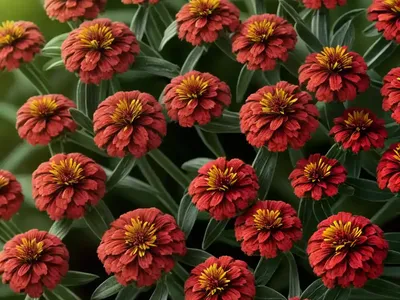
Zinnia Marylandica ‘Zahara Raspberry’)
Zinnias are well-loved for their vibrant, colorful flowers and their resilience in various growing conditions. Among the numerous zinnia varieties, Zinnia.
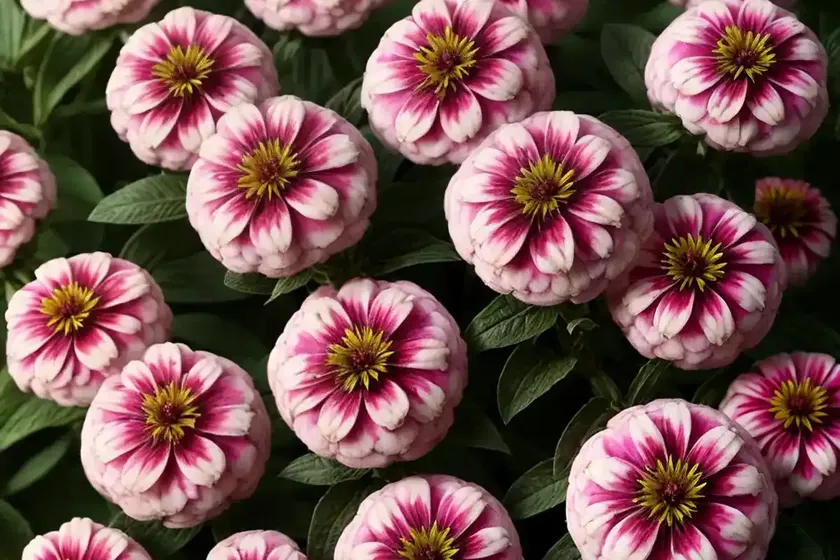
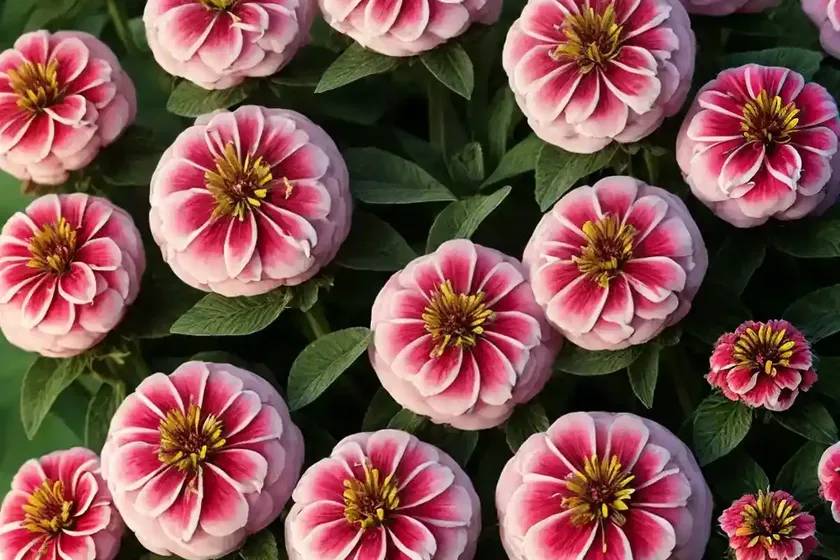
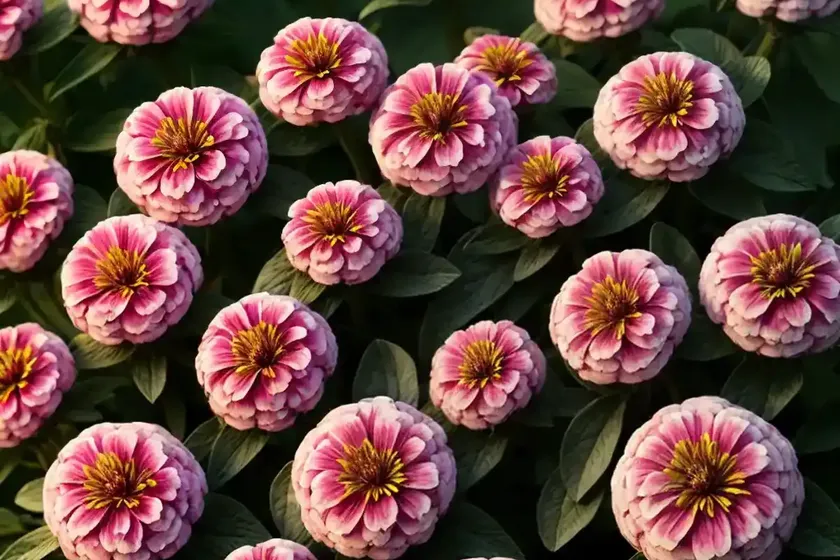
Zinnias are well-loved for their vibrant, colorful flowers and their resilience in various growing conditions. Among the numerous zinnia varieties, Zinnia marylandica ‘Zahara Raspberry’ stands out for its stunning raspberry-colored blooms and its ability to thrive in diverse environments. In this comprehensive guide, we will delve into the details of Zinnia marylandica ‘Zahara Raspberry’, exploring its culture, uses, care requirements, common diseases, pests, propagation techniques, and more.
What is Zinnia marylandica ‘Zahara Raspberry’?
Zinnia marylandica ‘Zahara Raspberry’ is a cultivar renowned for its compact habit and brilliant, raspberry-colored flowers. This variety belongs to the Zinnia marylandica species, which is a cross between Zinnia angustifolia and Zinnia violacea, developed by breeders seeking to combine the best traits of both species.
The ‘Zahara’ series, to which ‘Zahara Raspberry’ belongs, is characterized by its disease resistance, heat tolerance, and uniformity. With its vibrant color and low-maintenance nature, this zinnia variety is a popular choice for both garden beds and containers.
Key Takeaways
Before delving into the specifics of Zinnia marylandica ‘Zahara Raspberry’, let’s recap some key points:
- Zinnia Zahara Raspberry plant care: Understanding the specific care requirements for nurturing healthy ‘Zahara Raspberry’ plants.
- Zinnia Zahara Raspberry flowers: Exploring the unique characteristics and colors of the flowers.
- Zinnia Zahara Raspberry growth requirements: Uncovering the essential conditions for promoting the growth of this zinnia variety.
- Zinnia Zahara Raspberry landscaping: Exploring its potential uses in landscape design and gardening.
- Zinnia Zahara Raspberry disease resistance: Highlighting the resistance of this variety to common diseases.
- Zinnia Zahara Raspberry pest control: Identifying potential pests and effective control measures.
Now, let’s delve into these aspects in more detail.
Culture
Understanding the ideal cultural conditions for Zinnia marylandica ‘Zahara Raspberry’ is crucial for its successful growth and development.
Uses
Garden Beds
Zinnia marylandica ‘Zahara Raspberry’ is a popular choice for garden beds and borders, adding vibrant color and attracting pollinators. Its compact growth habit allows for creating beautiful mass plantings that serve as focal points in the garden.
Containers
This zinnia variety is well-suited for container gardening, where its stunning flowers can brighten up patios, balconies, and other outdoor spaces. The compact nature of ‘Zahara Raspberry’ makes it ideal for decorative pots and planters.
Water
Zinnias, including ‘Zahara Raspberry’, thrive in well-draining soil. Adequate moisture is essential, especially during the initial stages of growth and flowering. However, it is crucial to avoid overwatering, as excessive moisture can lead to root rot and other issues. A consistent watering schedule, allowing the soil to dry slightly between waterings, is recommended.
Sunlight
Zinnia marylandica ‘Zahara Raspberry’ thrives in full sun, requiring at least 6-8 hours of direct sunlight per day for optimal growth and abundant flowering. Planting in a sunny location ensures vibrant blooms and sturdy, healthy plants.
Fertilizer
Applying a balanced, water-soluble fertilizer once a month can support the growth and blooming of ‘Zahara Raspberry’. Look for a fertilizer with a higher phosphorus content to promote flower production. It is essential to follow the manufacturer’s instructions regarding the application rate to prevent over-fertilization, which can harm the plants.
Soil
Zinnias, including ‘Zahara Raspberry’, prefer well-draining, loamy soil. Amending the soil with organic matter, such as compost, can improve its texture and fertility. Additionally, maintaining a slightly acidic to neutral pH level (6.0-7.0) in the soil is beneficial for the plants’ overall health.
Pruning
Deadheading, or the removal of spent flowers, encourages continuous blooming and prevents the formation of seeds, redirecting the plant’s energy into producing more flowers. Regular deadheading promotes a tidy appearance and prolongs the flowering period of ‘Zahara Raspberry’.
Propagation
Zinnia marylandica ‘Zahara Raspberry’ can be propagated from seeds, offering an affordable and rewarding way to expand the population of these beautiful plants. Here are the steps for propagating ‘Zahara Raspberry’ zinnias from seeds:
- Seed Collection: Allow the flowers to mature on the plant. Once the petals fall off, the seeds will develop in the flower head.
- Seed Extraction: Once the seed heads are dry, carefully collect the seeds by gently rubbing the heads between your fingers. Discard the chaff and retain the seeds.
- Seed Starting Mix: Fill seed trays or containers with a well-draining seed starting mix.
- Seed Sowing: Sow the zinnia seeds on the surface of the seed starting mix and gently press them down. Lightly water the seeds to ensure good soil contact.
- Warmth and Moisture: Place the seed trays in a warm, well-lit area and maintain consistent moisture levels. Germination typically occurs within 4-7 days.
- Transplanting: Once the seedlings have developed several true leaves, they can be transplanted into larger containers or directly into the garden.
Container Popularity
The compact size and vibrant flowers of Zinnia marylandica ‘Zahara Raspberry’ make it a popular choice for container gardening. Its suitability for containers allows gardeners with limited space to enjoy the beauty of these zinnias on patios, balconies, and other small areas. When selecting containers for ‘Zahara Raspberry’, ensure that they have drainage holes to prevent waterlogging, promoting healthy root development.
Common Diseases
Zinnia marylandica ‘Zahara Raspberry’ exhibits excellent disease resistance, but it is essential to be aware of potential issues that may affect these plants. Some common diseases that can impact zinnias include:
-
Powdery Mildew: A fungal disease that presents as white, powdery spots on the leaves and stems. Provide adequate air circulation and avoid overhead watering to prevent powdery mildew.
-
Bacterial Leaf Spot: Characterized by dark, water-soaked lesions on the foliage, bacterial leaf spot can be managed by removing and disposing of affected plant parts and avoiding overhead watering.
-
Botrytis Blight: Also known as gray mold, this fungal disease causes brown, water-soaked spots on the flowers and foliage. Prune affected parts and ensure proper spacing to reduce humidity around the plants.
By monitoring the plants closely and providing appropriate cultural care, the incidence of these diseases can be minimized, allowing ‘Zahara Raspberry’ zinnias to flourish.
Disease Diagnosis
Diagnosing diseases in Zinnia marylandica ‘Zahara Raspberry’ involves careful observation of the plants’ symptoms and identifying the causal agents. Here are some steps for diagnosing potential diseases:
- Symptom Identification: Observe the plants for any unusual symptoms such as spots, lesions, or discoloration on the leaves, stems, or flowers.
- Causal Agent Identification: Determine the potential causes of the symptoms, whether they are fungal, bacterial, or viral in nature.
- Cultural Conditions: Evaluate the cultural conditions, including watering, sunlight, and soil moisture, to identify any factors that may contribute to disease development.
- Consultation: If uncertain about the diagnosis, seek guidance from a local horticulturist or plant pathologist to accurately identify and address the disease issues.
Early detection and proper diagnosis are vital for implementing effective disease management strategies and preserving the health of ‘Zahara Raspberry’ zinnias.
Common Pests
While Zinnia marylandica ‘Zahara Raspberry’ is generally resistant to many pests, there are several potential insect nuisances to watch for:
-
Aphids: These small, soft-bodied insects cluster on the undersides of leaves, feeding on plant sap and excreting honeydew, which can attract sooty mold. Control aphids with insecticidal soap or horticultural oil.
-
Spider Mites: These tiny arachnids infest the undersides of leaves, causing stippling and webbing. Regularly spraying the plants with water can help reduce spider mite populations.
-
Whiteflies: Whiteflies are small, moth-like insects that feed on plant sap, potentially transmitting plant viruses. Control measures include insecticidal soap and introducing natural predators, such as ladybugs.
By implementing integrated pest management strategies, including promoting natural predators and minimizing chemical interventions, it is possible to manage pest issues while safeguarding the overall ecosystem.
Botanist’s Tips
To ensure the successful cultivation of Zinnia marylandica ‘Zahara Raspberry’, consider these botanist-approved tips:
- Deadhead Regularly: Remove spent flowers to encourage continuous blooming and maintain the plants’ tidy appearance.
- Monitor Watering: Avoid overwatering by allowing the soil to dry slightly between waterings. Consistent moisture without waterlogging is key.
- Provide Support: In areas with strong winds, consider staking taller ‘Zahara Raspberry’ plants to prevent breakage and damage to the stems.
- Pest Vigilance: Regularly inspect the plants for signs of pest infestation, addressing any issues promptly to prevent damage.
By incorporating these tips into your zinnia care routine, you can optimize the health and beauty of ‘Zahara Raspberry’ zinnias.
Fun Facts
- The genus name “Zinnia” honors Johann Gottfried Zinn, an 18th-century German botanist.
- Zinnias are native to the southwestern United States, Mexico, and Central America.
- Zinnia flowers are edible and can be used to garnish salads, desserts, and drinks.
Links to External Resources
For further information on Zinnia marylandica ‘Zahara Raspberry’ and zinnia gardening in general, check out these helpful resources:
- Zahara Series Zinnias – University of Florida IFAS Extension
- Zinnia marylandica ‘Zahara Raspberry’ – Missouri Botanical Garden
By exploring these resources, you can gain valuable insights into zinnia cultivation and enhance your gardening knowledge.
In conclusion, Zinnia marylandica ‘Zahara Raspberry’ is a captivating and resilient plant that adds a burst of color to gardens, landscapes, and containers. With proper care, attention to potential diseases and pests, and adherence to best horticultural practices, you can enjoy the beauty of ‘Zahara Raspberry’ zinnias throughout the growing season. Whether you’re a seasoned gardener or a novice enthusiast, cultivating these vibrant zinnias can bring joy and visual delight to your outdoor spaces.
Remember, the journey of nurturing ‘Zahara Raspberry’ zinnias is not just about gardening—it’s a celebration of nature’s bountiful creativity and the wonder of blooming flowers. Embrace the experience and relish the beauty of Zinnia marylandica ‘Zahara Raspberry’ in your garden!
So, go ahead and plant these magnificent zinnias, creating a vibrant tapestry of raspberry-hued blooms that will undoubtedly captivate both your heart and the imagination of onlookers.
Happy gardening!