Zinnia Marylandica ‘Double Zahara Raspberry Ripple’)
Zinnia marylandica ‘Double Zahara Raspberry Ripple’, also known as Zahara Raspberry Ripple Zinnia, is a stunning flowering plant that belongs to the Zinnia.
Introduction to Zinnia marylandica ‘Double Zahara Raspberry Ripple’
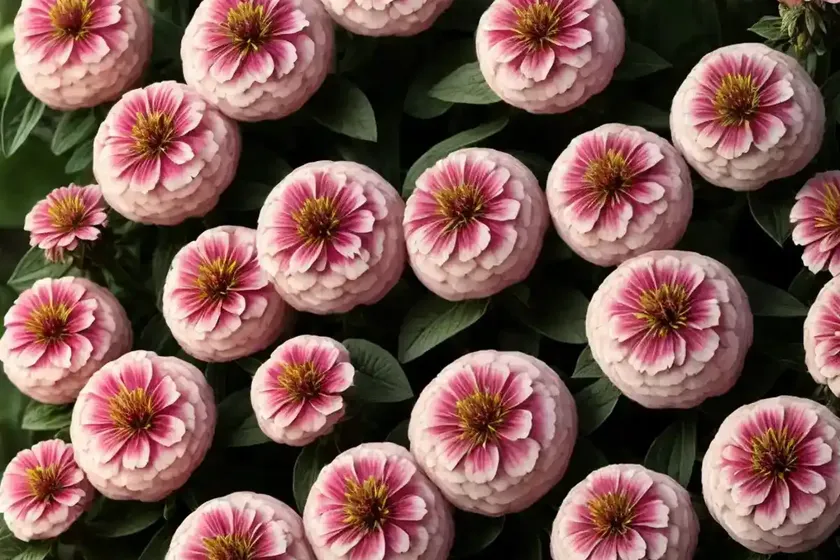
Zinnia marylandica ‘Double Zahara Raspberry Ripple’, also known as Zahara Raspberry Ripple Zinnia, is a stunning flowering plant that belongs to the Zinnia marylandica species. It is a member of the Zahara Zinnia series and is characterized by its vibrant and captivating flower colors, particularly the unique Raspberry Ripple flower patterns. This double-flowered zinnia is a popular choice among gardeners for its low maintenance, disease resistance, and ability to attract pollinators. In this comprehensive guide, we will explore the various aspects of caring for and cultivating Zinnia marylandica ‘Double Zahara Raspberry Ripple’, including its culture, uses, water, sunlight, fertilizer, soil, pruning, propagation, container cultivation, common diseases, common pests, and expert tips for growing and enjoying this beautiful plant.
What is Zinnia marylandica ‘Double Zahara Raspberry Ripple’?
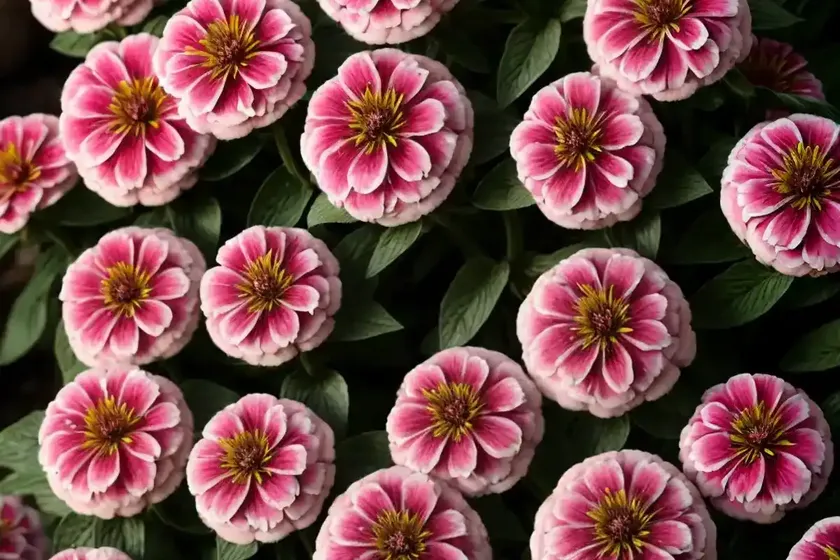
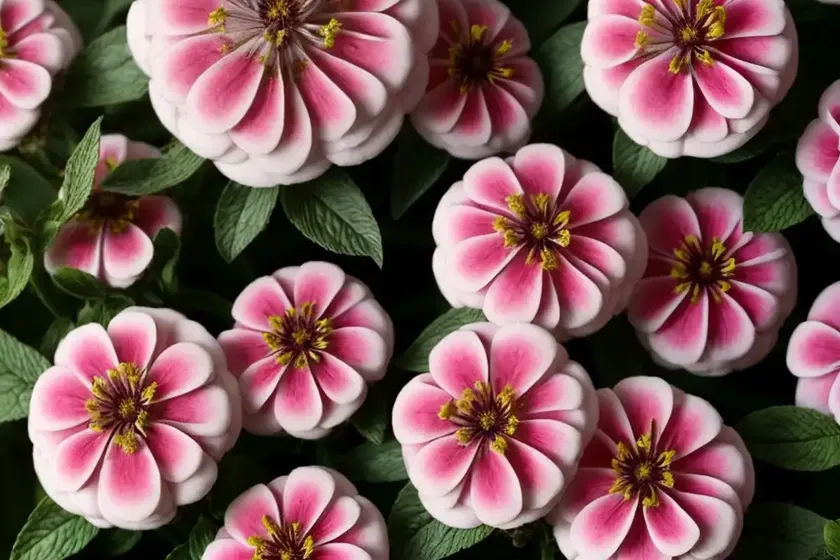
Zinnia marylandica ‘Double Zahara Raspberry Ripple’ is a striking variety of zinnia that is known for its abundant and colorful blooms. It is a compact, bushy plant that reaches a height of approximately 12 to 14 inches and spreads to about 10 to 12 inches wide. The Double Zahara Raspberry Ripple Zinnia produces fully double flowers with unique Raspberry Ripple patterns, adding an extra layer of visual interest to its already captivating appearance. The vibrant hues of red and white in the flowers create a stunning display that can enhance any garden or landscape.
Key Takeaways:
- Zinnia plants
Zinnias are popular annual flowering plants known for their brilliant and diverse range of colors. They are easy to grow and are widely used in gardens, borders, and containers.
- Double Zahara Raspberry Ripple Zinnia
This specific zinnia variety is cherished for its double flowers and distinctive Raspberry Ripple patterns, making it a standout in any garden setting.
- Zinnia marylandica species
Zinnia marylandica is a specific species within the zinnia genus, known for its disease resistance and extended blooming period.
- Zinnia flower varieties
Zinnias come in a wide range of flower varieties, from single-petaled daisy-like blooms to fully double flowers with intricate patterns.
- Zahara Raspberry Ripple Zinnia care
Proper care and maintenance are crucial for the healthy growth and bloom of the Zahara Raspberry Ripple Zinnia.
- Zinnia flower colors
Zinnias are renowned for their vibrant and radiant flower colors, which can include shades of red, pink, orange, yellow, white, and more.
- Double-flowered Zinnia
The term “double-flowered” refers to zinnia blooms that have a dense, fully doubled layer of petals, creating a lush and abundant appearance.
- Zinnia marylandica family
Zinnia marylandica belongs to the Asteraceae family, which includes a wide array of flowering plants.
- Growing Zinnia marylandica
Understanding the specific requirements and growth habits of Zinnia marylandica is essential for successful cultivation.
- Zinnia marylandica ‘Double Zahara’
This cultivar is a favorite among gardeners for its exceptional attributes, including the fully double flowers and captivating Raspberry Ripple patterns.
Culture of Zinnia marylandica ‘Double Zahara Raspberry Ripple’
Understanding the cultural requirements of Zinnia marylandica ‘Double Zahara Raspberry Ripple’ is essential for ensuring its healthy growth and prolific blooming. From water and sunlight needs to soil and fertilizer requirements, providing the right cultural conditions is key to nurturing this beautiful plant.
Uses
Zinnia marylandica ‘Double Zahara Raspberry Ripple’ has a variety of uses in the garden and landscape:
- Garden Beds and Borders:
The vibrant and abundant blooms of this zinnia variety make it an excellent choice for adding color and visual appeal to garden beds and borders.
- Container Gardens:
Due to its compact and bushy nature, Zinnia marylandica ‘Double Zahara Raspberry Ripple’ is well-suited for container cultivation, enhancing patios, balconies, and outdoor living spaces with its colorful display.
- Cut Flower Arrangements:
The long-lasting flowers of Zahara Raspberry Ripple Zinnia make it a popular choice for creating stunning cut flower arrangements, bringing the beauty of the garden indoors.
- Attracting Pollinators:
Zinnias, including the Double Zahara Raspberry Ripple variety, are known for attracting pollinators such as butterflies and bees, making them a valuable addition to pollinator-friendly gardens.
Water
Proper watering is crucial for the health and vigor of Zinnia marylandica ‘Double Zahara Raspberry Ripple’. While zinnias are known for their drought tolerance, consistent and adequate watering is necessary, especially during periods of active growth and flowering.
-
Water Requirements:
-
Established Plants: Once established, Zinnia marylandica ‘Double Zahara Raspberry Ripple’ has moderate water needs. Water deeply when the top inch of soil is dry.
-
Container Cultivation: Zinnias grown in containers may require more frequent watering, as soil in containers tends to dry out more quickly.
-
Watering Tips:
-
Morning Watering: Water in the morning to allow foliage to dry during the day, reducing the risk of foliar diseases.
- Avoid Overhead Watering: Minimize overhead watering to prevent the spread of diseases and maintain the health of the plant.
- Soil Moisture: Ensure that the soil is well-draining to prevent waterlogging, which can lead to root rot and other problems.
Sunlight
Zinnia marylandica ‘Double Zahara Raspberry Ripple’ thrives in full sunlight and requires ample light to produce abundant blooms and maintain compact growth.
-
Sunlight Needs:
-
Full Sun: Plant Zinnia marylandica ‘Double Zahara Raspberry Ripple’ in a location that receives at least 6 to 8 hours of direct sunlight daily for best results.
- Partial Shade: While zinnias prefer full sun, they can tolerate some light shade, particularly in hotter climates.
Fertilizer
Providing appropriate nutrients through fertilization promotes healthy growth and prolific flowering in Zinnia marylandica ‘Double Zahara Raspberry Ripple’. It is important to use a balanced fertilizer to support the plant’s nutritional needs.
-
Fertilizer Application:
-
Frequency: Apply a balanced, all-purpose fertilizer every 4 to 6 weeks during the growing season to support continuous blooming.
-
Dilution: Dilute the fertilizer according to the manufacturer’s recommendations to avoid over-fertilizing, which can lead to excessive foliage growth at the expense of flowers.
-
Organic Options:
-
Consider using organic fertilizers to provide a gentle and sustainable source of nutrients for the plant. Organic choices may include compost, fish emulsion, or seaweed-based fertilizers.
Soil
The soil requirements for Zinnia marylandica ‘Double Zahara Raspberry Ripple’ are relatively straightforward, and providing well-draining, fertile soil will support healthy growth and abundant flowering.
-
Soil Type:
-
Well-Draining: Zinnias prefer well-draining soil to prevent waterlogging and root rot. Amending heavy clay soils with organic matter can improve drainage.
-
Fertile: Use fertile soil or enrich the planting area with compost or organic matter to provide essential nutrients for the plant.
-
Soil pH:
-
Zinnias generally prefer slightly acidic to neutral soil with a pH range of 6.0 to 7.0. Regular soil testing can help monitor and adjust the pH as needed.
Pruning Double Zahara Raspberry Ripple Zinnia
Pruning is an important aspect of zinnia care and can help maintain the plant’s shape, prolong the blooming period, and remove spent flowers to encourage new growth.
-
Deadheading:
-
Regular deadheading of faded blooms promotes continuous flowering and prevents the plant from expending energy on seed production.
-
Pruning Techniques:
-
Use clean, sharp pruners to trim back spent flowers and any leggy or overgrown stems.
- Make pruning cuts just above a set of healthy leaves or lateral buds to encourage new growth.
Propagation of Zinnia marylandica ‘Double Zahara Raspberry Ripple’
Zinnia marylandica ‘Double Zahara Raspberry Ripple’ can be propagated through several methods, including seeds, cuttings, and division. Understanding the propagation techniques enables gardeners to expand their zinnia collection and share these beautiful plants with others.
-
Seed Propagation:
-
Zinnias are commonly propagated from seeds, which can be collected from mature flower heads for future sowing.
-
Start seeds indoors in early spring or sow them directly into the garden after the last frost date.
-
Cutting Propagation:
-
Stem cuttings can be taken from healthy, mature plants and rooted in a suitable growing medium to produce new plants.
-
Division:
-
Established clumps of Zinnia marylandica ‘Double Zahara Raspberry Ripple’ can be divided in early spring to create new plants.
Container Cultivation of Zinnia marylandica ‘Double Zahara Raspberry Ripple’
Zinnia marylandica ‘Double Zahara Raspberry Ripple’ is well-suited for container cultivation, offering a burst of color and vibrancy to patios, balconies, and outdoor living spaces. Container gardening allows for flexibility in placement and provides an opportunity to grow Zinnia marylandica in various environments.
Popularity in Container Gardening
Zinnia marylandica ‘Double Zahara Raspberry Ripple’ is a popular choice for container gardening due to its compact growth habit and dazzling blooms. It can be grown in individual containers or combined with other plants to create striking mixed arrangements.
Container Requirements
When growing Zinnia marylandica ‘Double Zahara Raspberry Ripple’ in containers, it is essential to provide the appropriate environment for the plant to thrive.
-
Container Size:
-
Choose a container that is at least 12 inches in diameter and depth to accommodate the root system and allow for healthy growth.
-
Drainage:
-
Ensure that the container has drainage holes to prevent waterlogging and root rot.
-
Growing Medium:
-
Use a well-draining potting mix formulated for flowering plants, or create a custom blend using components such as perlite, peat moss, and compost.
-
Watering in Containers:
-
Container-grown zinnias may require more frequent watering than those planted in the ground, as soil in containers tends to dry out faster.
Common Diseases of Zinnia marylandica ‘Double Zahara Raspberry Ripple’
While Zinnia marylandica ‘Double Zahara Raspberry Ripple’ is known for its disease resistance, it can still be susceptible to certain fungal infections and other issues. Recognizing and addressing common diseases promptly is essential to maintaining the health and vigor of the plant.
Disease Diagnosis
Common diseases that may affect Zinnia marylandica ‘Double Zahara Raspberry Ripple’ include:
-
Powdery Mildew:
-
Fungal disease characterized by a powdery white growth on leaves and stems, often caused by high humidity and poor air circulation.
-
Leaf Spot:
-
Fungal infection that causes circular lesions on the foliage, leading to yellowing and eventual leaf drop.
-
Blossom Blight:
-
Fungal disease that affects the flowers, causing spots, browning, and premature wilting.
-
Root Rot:
-
Caused by overly wet or poorly draining soil, leading to rotting of the root system and wilting of the plant.
Disease Management
Preventive measures and early intervention are crucial for managing and preventing diseases in Zinnia marylandica ‘Double Zahara Raspberry Ripple’.
-
Cultural Practices:
-
Proper spacing and adequate air circulation can help reduce the risk of fungal diseases.
-
Avoid overhead watering, as wet foliage can contribute to the development of fungal issues.
-
Fungicide Treatment:
-
If fungal diseases are identified, apply a suitable fungicide following the manufacturer’s instructions to control the spread of the infection.
-
Sanitation:
-
Remove and dispose of any infected plant material to prevent the spread of diseases.
Common Pests Affecting Zinnia marylandica ‘Double Zahara Raspberry Ripple’
Zinnia marylandica ‘Double Zahara Raspberry Ripple’ may encounter pests that can affect its growth and overall health. Vigilance and proactive pest management strategies can help protect the plant from potential infestations.
Pest Identification
Common pests that may affect Zinnia marylandica ‘Double Zahara Raspberry Ripple’ include:
-
Aphids:
-
Small, soft-bodied insects that feed on plant sap, causing distorted growth and honeydew secretion.
-
Spider Mites:
-
Tiny arachnids that suck the sap from leaves, leading to stippled or discolored foliage.
-
Whiteflies:
-
Small, white, moth-like insects that congregate on the undersides of leaves and can cause yellowing and weakening of the plant.
-
Caterpillars:
-
Larval stage of butterflies and moths that may feed on zinnia foliage and flowers, leading to visible damage.
Pest Control
Implementing integrated pest management (IPM) practices can help address and prevent pest issues in Zinnia marylandica ‘Double Zahara Raspberry Ripple’.
-
Natural Predators:
-
Encourage natural predators such as ladybugs and lacewings, which feed on common garden pests.
-
Horticultural Oils:
-
Use horticultural oils to suffocate soft-bodied pests like aphids and spider mites.
-
Insecticidal Soap:
-
Apply insecticidal soap to control and eliminate pests such as aphids and whiteflies.
-
Manual Removal:
-
Handpick caterpillars and other larger pests to reduce their numbers and minimize damage.
Botanist’s Tips for Zinnia marylandica ‘Double Zahara Raspberry Ripple’
In addition to the essential care guidelines, there are several additional tips and recommendations that can help maximize the beauty and performance of Zinnia marylandica ‘Double Zahara Raspberry Ripple’ in the garden and landscape.
-
Supportive Structures:
-
In garden beds, provide support structures such as small stakes or plant rings to prevent the plants from sprawling and to showcase their abundant blooms.
-
Companion Planting:
-
Pair Zinnia marylandica ‘Double Zahara Raspberry Ripple’ with companion plants such as salvia, verbena, and petunias for complementary colors and textures.
-
Regular Monitoring:
-
Regularly inspect the plants for signs of diseases, pests, or nutrient deficiencies, and take prompt action if issues are detected.
-
Mulching:
-
Apply a layer of organic mulch around the base of the plants to conserve moisture, suppress weeds, and maintain a consistent soil temperature.
-
Seasonal Planting:
-
In zones with mild winters, Zinnia marylandica ‘Double Zahara Raspberry Ripple’ can be planted in the fall for winter blooms in protected areas.
Fun Facts about Zinnia marylandica ‘Double Zahara Raspberry Ripple’
To further appreciate the beauty and appeal of Zinnia marylandica ‘Double Zahara Raspberry Ripple’, here are some fascinating and fun facts about this delightful flowering plant:
-
Colorful History:
-
Zinnias were originally found in the warm regions of the Southwest United States and Mexico, and they have since been bred into an assortment of vibrant colors and patterns.
-
Butterfly Magnet:
-
Zinnias are known for attracting butterflies with their nectar-rich flowers, making them a valuable addition to butterfly gardens and wildlife habitats.
-
Long-Lasting Blooms:
-
Zinnia marylandica ‘Double Zahara Raspberry Ripple’ produces an abundance of long-lasting flowers, providing continuous color throughout the growing season.
-
Low Maintenance Charm:
-
With minimal care requirements and a resilient nature, Zinnia marylandica ‘Double Zahara Raspberry Ripple’ is a charming addition to any garden setting.
Links to External Resources
For further information on Zinnia marylandica ‘Double Zahara Raspberry Ripple’, as well as additional resources on zinnia care, cultivation, and landscape uses, please explore the following links:
- Zinnia Care Guide – The Old Farmer’s Almanac
- Zinnia marylandica Profile – University of Florida IFAS Extension
- Zinnia Gardening Tips – American Meadows
- Zinnia marylandica Cultivar Information – Missouri Botanical Garden
- Zahara Zinnia Series Overview – PanAmerican Seed
Conclusion
Zinnia marylandica ‘Double Zahara Raspberry Ripple’ is a captivating and delightful flowering plant that offers an abundance of beauty and charm to gardeners and landscape enthusiasts. With its unique double blooms, stunning Raspberry Ripple patterns, and low maintenance requirements, this zinnia variety has rightfully become a popular choice for adding color and vibrancy to gardens, containers, and cut flower arrangements. By understanding and implementing the proper cultural practices, such as watering, sunlight, fertilization, soil care, pruning, and pest management, gardeners can enjoy the continuous blooms and resilient nature of Zinnia marylandica ‘Double Zahara Raspberry Ripple’ throughout the growing season.
Whether showcased in garden beds, containers, or mixed plantings, the captivating allure of this zinnia variety brings joy and visual appeal to any outdoor space. By embracing the botanist’s tips, fun facts, and external resources provided, gardeners can further enhance their knowledge and appreciation for Zinnia marylandica ‘Double Zahara Raspberry Ripple’ while ensuring its success in their garden endeavors.