Zinnia ‘Holi Pink’: A Delightful Addition to Your Garden

Zinnias are cherished by gardeners for their vibrant colors, easy maintenance, and ability to attract pollinators. Among the plethora of zinnia varieties, the Zinnia ‘Holi Pink’ stands out for its striking pink blooms that can add a touch of whimsy and elegance to any garden or landscape. In this comprehensive guide, we will explore the various aspects of caring for and cultivating Zinnia ‘Holi Pink’, from its cultural requirements to its propagation and common diseases. Let’s delve into the world of this enchanting zinnia variety and discover how to make it thrive in your garden.
Key Takeaways
Before we embark on our journey to understand Zinnia ‘Holi Pink’ in detail, here are the key takeaways that we will cover in this guide:
- Cultural Requirements: Understand the ideal culture needed for Zinnia ‘Holi Pink’ to flourish.
- Uses: Explore the various uses of this zinnia variety, from traditional gardening to medicinal and culinary applications.
- Watering: Learn about the watering needs of Zinnia ‘Holi Pink’ and how to ensure optimal moisture levels.
- Sunlight: Discover the sunlight requirements for this zinnia and how to position it for best results.
- Fertilizer: Gain insights into the fertilization needs of Zinnia ‘Holi Pink’ to support robust growth and abundant blooms.
- Soil Requirements: Understand the soil conditions that are conducive to the health and vitality of this zinnia variety.
- Pruning: Learn the art of pruning Zinnia ‘Holi Pink’ to maintain its shape and encourage continuous blooming.
- Propagation: Explore the methods of propagating Zinnia ‘Holi Pink’ and expanding your zinnia offering.
- Container Popularity: Delve into the appeal of growing Zinnia ‘Holi Pink’ in containers and potential considerations.
- Common Diseases: Identify the prevalent diseases that can affect this zinnia variety and how to address them.
- Common Pests: Recognize the common pests that may trouble Zinnia ‘Holi Pink’ and ways to mitigate their impact.
- Botanist’s Tips: Benefit from expert tips and recommendations for successfully nurturing Zinnia ‘Holi Pink’.
- Fun Facts: Uncover intriguing and delightful facts about Zinnia ‘Holi Pink’ that add to its charm and allure.
Now, let’s begin our exploration of Zinnia ‘Holi Pink’ by delving into its cultural requirements and optimal growing conditions.
What is Zinnia ‘Holi Pink’?
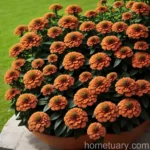
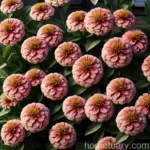
Zinnia ‘Holi Pink’ is a captivating zinnia variety renowned for its abundant, showy pink blooms that captivate the eye and infuse any landscape with a sense of joy and vibrancy. As a member of the Zinnia elegans species, this annual flowering plant is native to the scrubland and grasslands of southwestern United States and northern Mexico.
The enchanting pink flowerheads of Zinnia ‘Holi Pink’ are composed of numerous individual florets, each contributing to the overall exquisite appearance of the bloom. These radiant blossoms are born on sturdy, erect stems and possess a captivating allure that draws in pollinators such as butterflies and bees, making them valuable contributors to a pollinator-friendly garden.
Key Characteristics of Zinnia ‘Holi Pink’:
– Height: 24-30 inches
– Bloom Size: 2-3 inches
– Bloom Period: Summer to Fall
– Color: Brilliant Pink
– Growth Habit: Upright, Bushy

The vibrant nature of Zinnia ‘Holi Pink’ makes it a delightful choice for adding color to garden borders, cutting gardens, and mixed plantings. Its resilience and ease of care also make it an ideal option for both beginner and experienced gardeners alike.
Now that we have an understanding of what Zinnia ‘Holi Pink’ offers in terms of its visual appeal and ecological contributions, let’s proceed to delve into the key aspects of cultivating and caring for this enchanting zinnia variety.
Culture
Cultural practices play a crucial role in ensuring the health, vitality, and abundant blooming of Zinnia ‘Holi Pink’. By understanding and adhering to its cultural requirements, gardeners can create an environment that supports the optimal growth and development of this captivating zinnia variety.
Uses
Zinnia ‘Holi Pink’ is a versatile plant that serves multiple purposes, ranging from adding ornamental charm to a garden to offering medicinal and culinary benefits. Here are some of the primary uses of Zinnia ‘Holi Pink’:
- Ornamental Use: The captivating pink blooms of Zinnia ‘Holi Pink’ make it a favored choice for adding vibrant color to flower beds, border plantings, and as cut flowers for indoor arrangements.
- Pollinator Attraction: As a nectar-rich plant, Zinnia ‘Holi Pink’ is highly effective at attracting pollinators such as butterflies, bees, and hummingbirds, making it a valuable addition to wildlife-friendly gardens.
- Medicinal Applications: In traditional medicine, certain zinnia species are believed to possess medicinal properties, with potential uses in aiding digestive issues and promoting overall wellness, although it is recommended to consult a healthcare professional for accurate guidance.
- Culinary Use: While not as common, zinnia petals, including those of Zinnia ‘Holi Pink’, are considered edible and can be used as a garnish or ingredient in salads and desserts due to their mild flavor and attractive color.
The diverse uses of Zinnia ‘Holi Pink’ contribute to its appeal and make it a highly versatile and valuable addition to any garden or landscape. Now that we have an understanding of its uses, let’s move on to the specific cultural requirements that are essential for promoting the health and vitality of this zinnia variety.
Water
Adequate and consistent moisture is crucial for the healthy growth and prolific blooming of Zinnia ‘Holi Pink’. While zinnias are known for their tolerance to dry conditions, maintaining optimal soil moisture levels is essential, especially during periods of active growth and flowering.
Watering Needs for Zinnia ‘Holi Pink’:
– Frequency: Water the plants deeply once a week, ensuring that the soil is moistened to a depth of at least 6 inches. Adjust the frequency based on weather conditions, aiming to prevent the soil from drying out completely.
– Irrigation: Consider using drip irrigation or soaker hoses to provide a steady and consistent water supply to the plants while minimizing the risk of foliage diseases that can result from overhead watering.
– Moisture Monitoring: Regularly monitor the soil moisture levels and adjust the watering schedule as needed to prevent the soil from becoming excessively dry or waterlogged.
By ensuring that Zinnia ‘Holi Pink’ receives sufficient and consistent moisture, gardeners can promote robust growth, lavish flowering, and the overall well-being of these captivating zinnias.
Sunlight
As sun-loving plants, zinnias, including Zinnia ‘Holi Pink’, thrive in bright and sunny locations that provide ample direct sunlight. Adequate exposure to sunlight is essential for encouraging strong, sturdy stems, vibrant blooms, and an abundance of flowers throughout the growing season.
Sunlight Requirements for Zinnia ‘Holi Pink’:
– Optimal Hours: Position Zinnia ‘Holi Pink’ in a location that receives at least 6-8 hours of direct sunlight per day. Full sun exposure is ideal for promoting vigorous growth and profuse blooming.
– Shade Tolerance: While zinnias prefer full sun, they can tolerate partial shade, especially in regions where intense heat and sun exposure may be excessive. However, ensure that the plants still receive a minimum of 4-6 hours of direct sunlight daily.
By ensuring that Zinnia ‘Holi Pink’ receives the appropriate sunlight exposure, gardeners can set the stage for abundant, vibrant blooms and strong, healthy plants that enhance the visual appeal of any garden.
Fertilizer
Providing adequate nutrition to Zinnia ‘Holi Pink’ is essential for supporting robust growth, abundant flowering, and overall plant health. A balanced and appropriate fertilizer regimen can ensure that the zinnias receive the essential nutrients they need to thrive throughout the growing season.
Fertilization Guidelines for Zinnia ‘Holi Pink’:
– Timing: Begin fertilizing Zinnia ‘Holi Pink’ when the plants have established themselves and entered the active growth phase. Early to mid-summer is an ideal time to initiate a regular fertilization schedule.
– Fertilizer Type: Select a balanced, all-purpose, water-soluble fertilizer with a formulation such as 10-10-10 or 20-20-20 to provide a comprehensive range of essential nutrients.
– Application Frequency: Apply the fertilizer every 3-4 weeks, following the manufacturer’s instructions for dilution and application rates. Avoid over-fertilization, as excessive nutrients can result in lush foliage at the expense of flower production.
– Root Zone Application: Apply the fertilizer around the base of the plants, ensuring that it is evenly distributed within the root zone. Water the plants after fertilizing to facilitate nutrient uptake.
By adhering to a consistent and balanced fertilization schedule, gardeners can enhance the vigor, resilience, and blooming capacity of Zinnia ‘Holi Pink’, resulting in a stunning display of pink flowers throughout the growing season.
Soil
The soil composition and quality play a critical role in the overall health and performance of Zinnia ‘Holi Pink’. Providing a well-prepared and nutrient-rich growing medium can create an environment conducive to robust growth, abundant blooms, and the overall well-being of these captivating zinnias.
Soil Requirements for Zinnia ‘Holi Pink’:
– Composition: Zinnia ‘Holi Pink’ thrives in well-draining, loamy soil that provides a balance of moisture retention and aeration. Incorporating organic matter such as compost or aged manure can contribute to improved soil structure and fertility.
– pH Level: Aim for a slightly acidic to neutral pH range of 6.0-7.0, which provides an optimal environment for nutrient uptake and root growth.
– Soil Preparation: Before planting, cultivate the soil to a depth of 8-10 inches and amend it with organic matter to enhance its fertility and water retention capacity.
Creating an environment with fertile, well-draining soil is essential for the establishment and sustained vitality of Zinnia ‘Holi Pink’, ensuring that the plants have the necessary support to flourish and produce an abundance of captivating pink blooms.
Pruning
Pruning is a valuable practice for managing the growth, appearance, and blooming performance of Zinnia ‘Holi Pink’. By engaging in selective and timely pruning, gardeners can promote a compact, tidy growth habit and encourage continuous flowering throughout the season.
Pruning Guidelines for Zinnia ‘Holi Pink’:
– Deadheading: Regularly remove faded or spent flowers by snipping them back to the nearest set of healthy leaves or lateral bud. Deadheading encourages the development of new flower buds and prevents the formation of seeds, redirecting the plant’s energy towards continuous blooming.
– Stem Pruning: To maintain a compact and bushy growth habit, selectively prune the tips of excessively long or leggy stems. This encourages lateral branching and results in a fuller, more abundant display of blooms.
– Healthy Tissue Pruning: Inspect the plants regularly and remove any diseased, damaged, or malformed foliage or stems to prevent the spread of diseases and maintain the overall vigor of the plants.
By engaging in regular and strategic pruning, gardeners can shape and maintain the appearance of Zinnia ‘Holi Pink’ while stimulating a profusion of fresh, captivating blooms that enhance the visual allure of the garden.
Propagation
The propagation of Zinnia ‘Holi Pink’ offers the opportunity to expand the presence of this enchanting zinnia variety within the garden and share its beauty with others. By employing effective propagation methods, gardeners can create new plants from existing ones, thereby perpetuating the charm and appeal of Zinnia ‘Holi Pink’.
Propagation Methods for Zinnia ‘Holi Pink’:
- Seed Propagation: Zinnias are primarily propagated from seeds, and Zinnia ‘Holi Pink’ is no exception. To propagate Zinnia ‘Holi Pink’ from seeds:
- Collect mature flowerheads and allow them to dry completely on the plants.
- Gently separate the seeds from the flowerheads and store them in a cool, dry place until the desired planting time.
-
In early spring, sow the Zinnia ‘Holi Pink’ seeds directly into prepared garden soil or containers, ensuring good seed-to-soil contact and keeping the growing medium consistently moist until germination occurs.
-
Division: While less common, Zinnia ‘Holi Pink’ can also be propagated through division, especially if the parent plant has developed multiple well-established crowns. To propagate by division:
- Carefully dig up the parent plant, ensuring that the root system remains intact.
- Gently separate the crowns or divisions, ensuring that each division has sufficient roots and healthy growth points.
- Replant the divisions at the appropriate depth and spacing in well-prepared, fertile soil, and ensure that they receive adequate moisture to support establishment.
By employing effective propagation methods, gardeners can augment their collection of Zinnia ‘Holi Pink’ and share the enchanting beauty and charm of this zinnia variety with others.
Container Popularity
The allure and versatility of Zinnia ‘Holi Pink’ make it a favored choice for container gardening, offering gardeners the opportunity to enjoy its captivating blooms and vibrant presence on patios, balconies, and other confined outdoor spaces. Growing Zinnia ‘Holi Pink’ in containers allows for flexibility in placement, easy maintenance, and the creation of stunning focal points and arrangements.
Considerations for Container Gardening with Zinnia ‘Holi Pink’:
– Container Selection: Choose a well-draining container with sufficient depth to accommodate the root system of Zinnia ‘Holi Pink’. Terra cotta or plastic pots with drainage holes are excellent choices.
– Growing Medium: Select a high-quality, well-draining potting mix that provides aeration, adequate moisture retention, and essential nutrients for the plants.
– Placement: Position the containers in a location that receives full sun for most of the day, ensuring that Zinnia ‘Holi Pink’ receives the sunlight it requires for vigorous growth and abundant flowering.
– Maintenance: Regularly water the plants to keep the growing medium consistently moist, and fertilize them as per the guidelines provided for garden-grown zinnias. Monitor for any signs of pests or diseases and address them promptly.
By cultivating Zinnia ‘Holi Pink’ in containers, gardeners can create captivating and portable displays of vibrant pink blooms, enhancing the visual appeal of any outdoor setting and adding a touch of charm and elegance to their surroundings.
Now that we have explored the essential cultural requirements and considerations for cultivating Zinnia ‘Holi Pink’, from its uses to its propagation and container gardening appeal, let’s delve into the aspects of managing common diseases and pests that can impact the health and vitality of this enchanting zinnia variety.
Common Diseases
While Zinnia ‘Holi Pink’ is generally a resilient and low-maintenance plant, it can be susceptible to certain diseases that can affect its appearance and overall vigor. Understanding these common diseases and how to effectively manage them is essential for maintaining the health and beauty of this zinnia variety.
Common Zinnia Diseases:
- Powdery Mildew: Powdery mildew is a fungal disease characterized by the development of a whitish, powdery coating on the foliage of the plants. It can result in reduced vigor, distorted growth, and diminished flowering.
-
Management: To manage powdery mildew, ensure good air circulation around the plants, and avoid overhead watering. Apply a suitable fungicidal spray as a preventive measure or at the first sign of infection.
-
Gray Mold (Botrytis Blight): Gray mold is a fungal disease that manifests as grayish-brown fuzzy growth on the affected foliage and flowers. It can cause rapid deterioration of the affected plant parts.
-
Management: Remove and dispose of any infected plant debris, and ensure that the plants are not excessively crowded, promoting air movement to reduce humidity levels and minimize the risk of infection.
-
Leaf Spot: Leaf spot diseases are characterized by the development of circular spots or lesions on the foliage, often accompanied by yellowing or browning of the affected areas.
- Management: Practice good sanitation by promptly removing and disposing of affected plant parts. Avoid overhead watering to minimize the spread of spores and employ a copper-based fungicide to manage severe infections.
By monitoring the plants regularly and implementing effective disease management strategies, gardeners can safeguard the health and appearance of Zinnia ‘Holi Pink’, ensuring that it continues to enchant with its captivating pink blooms.
Common Pests
Several common pests can pose a potential threat to the well-being and vitality of Zinnia ‘Holi Pink’, affecting its foliage, blooms, and overall growth. By being vigilant and proactive in pest management, gardeners can minimize the impact of these pests and mitigate damage to the plants.
Common Zinnia Pests:
- Aphids: Aphids are small, sap-sucking insects that can congregate on the tender growth of zinnia plants, leading to distorted foliage and the transmission of plant viruses.
-
Management: Use a strong jet of water to dislodge aphids from the plants. Employ insecticidal soaps or horticultural oils as a targeted measure to manage severe infestations.
-
Spider Mites: Spider mites are tiny arachnids that can cause stippling, discoloration, and a fine webbing on the foliage of infested zinnia plants.
-
Management: Increase humidity around the plants to discourage spider mite activity. Use a forceful spray of water to remove mites and their webbing. Consider the application of a miticide if the infestation persists.
-
Whiteflies: Whiteflies are small, moth-like insects that congregate on the undersides of leaves, causing stippling, yellowing, and overall weakening of the affected plants.
- Management: Use yellow sticky traps to capture and monitor whitefly populations. Employ insecticidal soaps or neem oil to manage moderate infestations effectively.
By implementing integrated pest management practices, including regular monitoring, mechanical controls, and selective use of targeted pesticides when necessary, gardeners can effectively manage and limit the impact of common pests on the health and appearance of Zinnia ‘Holi Pink’.
Botanist’s Tips
In addition to the essential cultural guidelines and disease and pest management strategies, here are some expert tips and recommendations from botanists to thrive Zinnia ‘Holi Pink’:
- Companion Planting: Pair Zinnia ‘Holi Pink’ with other pollinator-friendly plants such as lavender, salvia, and coneflowers to create a vibrant and ecologically supportive garden.