Zinnia ‘Golden State’: A Complete Guide to Growing and Caring for Zinnias
Zinnias are vibrant and colorful annual flowers that add a delightful aesthetic to any garden or landscape. With their profusion of attractive blooms and ease of cultivation, Zinnias have become a favorite among gardeners and horticulturists. In particular, the Zinnia ‘Golden State’ variety is known for its striking golden-yellow flowers, making it a sought-after choice for both beginner and seasoned gardeners. In this comprehensive guide, we will delve into the various aspects of caring for and growing Zinnia ‘Golden State’, from its cultural requirements to common pests and diseases, along with interesting facts and tips for cultivating these beautiful flowers.
What is Zinnia ‘Golden State’?
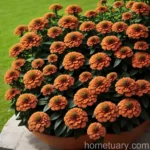
Zinnia ‘Golden State’ is a stunning variety of Zinnias known for its bright and cheerful golden-yellow flowers. It is an annual plant that belongs to the genus Zinnia, which is part of the Asteraceae family. The botanical name for Zinnia ‘Golden State’ is Zinnia elegans, and it is characterized by its compact growth habit, making it an ideal choice for both garden beds and containers. The vibrant and abundant flowers of Zinnia ‘Golden State’ make it a popular choice for adding color and visual appeal to garden landscapes, flower arrangements, and pollinator gardens.
Key Takeaways – Zinnia ‘Golden State’
Before diving into the specifics of Zinnia ‘Golden State’ care and cultivation, let’s highlight some key takeaways about this charming annual flower:
- Zinnia ‘Golden State’ is known for its striking golden-yellow flowers.
- It is an annual plant that belongs to the Zinnia elegans species.
- This variety exhibits a compact growth habit, suitable for garden beds and containers.
- Zinnia ‘Golden State’ is valued for its vibrant blooms and is often used in floral arrangements and pollinator gardens.
Now that we have a basic understanding of Zinnia ‘Golden State’, let’s explore the various cultural aspects, uses, and care requirements associated with this captivating flower.
Culture
Cultivating Zinnia ‘Golden State’ successfully requires a good understanding of its cultural preferences and requirements. From water and sunlight needs to soil preferences and maintenance, paying attention to these cultural aspects is crucial for promoting healthy growth and abundant blooms.
Uses
Zinnia ‘Golden State’ serves various purposes in garden landscapes and beyond. Some common uses of this vibrant annual flower include:
- Garden Landscapes: The bright and cheerful blooms of Zinnia ‘Golden State’ make it a popular choice for adding visual interest to garden beds, borders, and container gardens.
- Cut Flowers: The long-lasting blooms of Zinnia ‘Golden State’ are ideal for creating stunning floral arrangements, bouquets, and centerpieces.
- Pollinator Gardens: Zinnias are known for their ability to attract butterflies, bees, and other pollinators, making them valuable additions to wildlife-friendly gardens.
Water
Proper watering is essential for the health and vigor of Zinnia ‘Golden State’. Understanding the water needs of this annual flower is crucial for preventing issues such as wilting, root rot, and poor flowering.
- Water Requirements: Zinnia ‘Golden State’ thrives in well-draining soil and prefers regular watering to keep the soil consistently moist but not waterlogged.
- Drought Tolerance: While Zinnias appreciate adequate moisture, they also exhibit a degree of drought tolerance once established, making them suitable for gardens with varying water availability.
Sunlight
Like most flowering plants, Zinnia ‘Golden State’ has specific requirements when it comes to sunlight exposure. Providing the right amount of sunlight is key to promoting robust growth and prolific flowering.
- Sun Requirements: Zinnia ‘Golden State’ thrives in full sunlight, requiring at least 6-8 hours of direct sun each day for optimal growth and blooming.
- Shade Tolerance: While these flowers love the sun, they can tolerate some partial shade, especially in hotter climates where some relief from intense afternoon sun can be beneficial.
Fertilizer
Fertilization plays a crucial role in supporting the growth and flowering of Zinnia ‘Golden State’. By providing essential nutrients, gardeners can help ensure that these annual flowers reach their full potential.
- Fertilizer Type: A balanced, all-purpose fertilizer, such as a 10-10-10 NPK formula, can be used to feed Zinnia ‘Golden State’ throughout the growing season.
- Application Frequency: Applying fertilizer once every 4-6 weeks, or according to the product instructions, can help sustain healthy growth and prolific blooming.
Soil
Understanding the soil preferences of Zinnia ‘Golden State’ is fundamental for creating an optimal growing environment. The right soil conditions can have a significant impact on the overall health and performance of these vibrant annual flowers.
- Well-Draining Soil: Zinnias thrive in well-draining, loamy soil that allows excess moisture to escape, preventing waterlogged conditions that can lead to root problems.
- Soil Amendments: Incorporating organic matter, such as compost, into the soil before planting can improve its structure, fertility, and water retention properties, benefiting Zinnia ‘Golden State’s growth.
Pruning
Pruning plays a role in maintaining the health, appearance, and prolific flowering of Zinnia ‘Golden State’. Proper pruning techniques can help manage plant size, enhance airflow, and prolong the blooming period.
- Deadheading: Regular deadheading, which involves removing spent flowers, encourages continuous bloom production and prevents the formation of seed heads, directing the plant’s energy into new blooms.
- Cutting Flowers: Harvesting flowers for arrangements and bouquets not only promotes additional flowering but also allows gardeners to enjoy Zinnia ‘Golden State’s vibrant blooms indoors.
Propagation
For gardeners interested in expanding their collection of Zinnia ‘Golden State’, understanding the propagation methods for this annual flower is key to successful reproduction and cultivation.
- Seeds: Zinnia ‘Golden State’ can be easily propagated from seeds, which are typically sown directly into the garden soil after the danger of frost has passed.
- Division: While less common, Zinnias can also be propagated through division, particularly for perennial varieties, by carefully dividing the plant and replanting the sections.
Container Popularity
Zinnia ‘Golden State’ is well suited for container gardening, allowing individuals with limited space or specific aesthetic preferences to enjoy its vibrant blooms and cheerful demeanor.
- Container Selection: When planting Zinnias in containers, it’s essential to choose pots with adequate drainage holes and sufficient depth to accommodate the plant’s root system.
- Patio and Balcony Gardens: Zinnias thrive in containers on patios, balconies, and terraces, adding a splash of color and personality to these compact outdoor spaces.
Common Diseases
Like any other plant, Zinnias are susceptible to certain diseases that can affect their overall health and blooming potential. Understanding these common diseases is essential for implementing preventive measures and timely interventions.
Disease Diagnosis
Being able to identify the symptoms of common Zinnia diseases is crucial for managing potential outbreaks and protecting the overall well-being of the plants.
- Powdery Mildew: A fungal disease characterized by the appearance of white, powdery patches on the leaves and stems, powdery mildew can impact Zinnia ‘Golden State’ in humid and crowded growing conditions.
- Bacterial Leaf Spot: This disease presents as dark, water-soaked spots on the leaves, eventually leading to yellowing, wilting, and stunted growth in affected plants.
Common Pests
In addition to diseases, Zinnias can also face challenges from various pests that may seek to feed on their foliage, stems, or flowers. Understanding these common pests and their management is crucial for preserving the health and aesthetic appeal of these annual flowers.
- Aphids: These small, soft-bodied insects can gather in large numbers on Zinnia plants, sucking sap from the leaves and causing distortion, wilting, and the development of sooty mold.
- Spider Mites: These tiny arachnids can infest Zinnias, typically causing stippling, discoloration, and webbing on the undersides of the leaves, especially in dry and hot conditions.
Botanist’s Tips
To enhance the success of growing Zinnia ‘Golden State’, here are some expert tips and suggestions from botanists and horticultural professionals:
- Companion Planting: Pairing Zinnias with companion plants such as marigolds, petunias, and salvias can create visually appealing and beneficial garden combinations that support pollinators and natural pest control.
- Mulching: Applying a layer of organic mulch, such as straw or wood chips, around Zinnia ‘Golden State’ plants can help conserve soil moisture, suppress weeds, and maintain a consistent soil temperature.
Fun Facts
Lastly, let’s explore some fun and intriguing facts about Zinnia ‘Golden State’ that can deepen our appreciation for these remarkable annual flowers:
- Zinnias are native to North and South America and are named after the German botanist Johann Gottfried Zinn.
- The flowers of Zinnias are edible, adding a colorful and decorative touch to salads, desserts, and beverages.
- Zinnias are considered excellent for attracting butterflies and hummingbirds, contributing to the vitality and biodiversity of garden ecosystems.
Links to External Resources
For further information on Zinnia ‘Golden State’ and related topics, consider exploring the following resources:
- Zinnia Flower Planting Guide
- Growing Zinnias: How to Plant, Grow, and Care for Zinnia Flowers
- Zinnia ‘Golden State’ Seeds for Sale
- Zinnia Garden Design Ideas
By incorporating these comprehensive guidelines and insights into our approach to growing and caring for Zinnia ‘Golden State’, we can create thriving and visually stunning displays of these radiant annual flowers. Whether used in garden beds, containers, or as cut flowers, the cheerful blooms of Zinnia ‘Golden State’ are sure to captivate and enrich our gardening experiences.