Zinnia ‘Canary Bird’: A Complete Guide to Care, Uses, and Fun Facts
Zinnia ‘Canary Bird’ is a captivating and vibrant flowering plant known for its stunning display of yellow flowers. As a plant scientist, I am excited to bring you a comprehensive guide on the care, uses, and interesting facts about Zinnia ‘Canary Bird’. Whether you are a seasoned gardener or a beginner looking to add a pop of color to your outdoor space, this guide will equip you with the knowledge to cultivate and enjoy the beauty of this remarkable plant.
What is Zinnia ‘Canary Bird’?
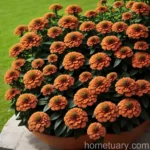
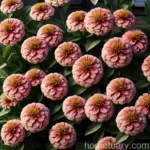
Zinnia ‘Canary Bird’ is a member of the Zinnia genus, which includes a diverse array of colorful and long-lasting flowering plants. This particular variety is celebrated for its striking canary yellow flowers, which add a cheerful and vibrant touch to gardens, landscapes, and floral arrangements. Zinnias are native to the warm regions of the Americas, and ‘Canary Bird’ is no exception, thriving in sunny and temperate climates.
Key Takeaways – Zinnia ‘Canary Bird’
Before delving into the specifics of caring for Zinnia ‘Canary Bird’, let’s take a brief look at the key takeaways associated with this plant.
- Common Name: Zinnia ‘Canary Bird’
- Botanical Name: Zinnia elegans
- Family: Asteraceae
- Flower Color: Canary yellow
- Sunlight: Full sun
- Watering: Regular and consistent moisture
- Soil Type: Well-draining, fertile soil
- Height: 24-30 inches
- Attracts: Bees, butterflies, and other pollinators
- Landscape Uses: Borders, beds, containers, and cutting gardens
With these key points in mind, let’s explore the nuances of caring for Zinnia ‘Canary Bird’ and harnessing its beauty in various garden settings.
Culture
Uses
Zinnia ‘Canary Bird’ offers a multitude of uses in gardens and landscapes, thanks to its vibrant flowers and attractive growth habit. Some of its common uses include:
- Borders and Beds: Planted in mass or as edging, Zinnia ‘Canary Bird’ creates a stunning visual impact along garden borders and beds.
- Cut Flower Gardens: The long, sturdy stems make Zinnia ‘Canary Bird’ an excellent choice for cut flower arrangements, bringing a burst of yellow hues indoors.
- Container Gardens: With its compact growth habit, Zinnia ‘Canary Bird’ thrives in containers, adding a pop of color to patios, balconies, and outdoor living spaces.
- Pollinator Gardens: The bright flowers attract bees, butterflies, and other pollinators, making Zinnia ‘Canary Bird’ a valuable addition to pollinator-friendly gardens.
Water
Zinnia ‘Canary Bird’ thrives with regular and consistent moisture, making it important to establish a watering schedule that keeps the soil uniformly moist but not waterlogged. During periods of hot and dry weather, attentiveness to watering is particularly crucial to support the plant’s growth and blooming potential.
Sunlight
As a sun-loving plant, Zinnia ‘Canary Bird’ flourishes in full sun, thriving in at least 6-8 hours of direct sunlight per day. By placing it in a sunny location, you can ensure robust growth and an abundance of bright, cheerful flowers.
Fertilizer
To support healthy growth and abundant flowering, Zinnia ‘Canary Bird’ benefits from regular fertilization. A balanced, all-purpose fertilizer applied according to the manufacturer’s instructions provides the necessary nutrients for strong, vigorous plants and vibrant blooms.
Soil
Zinnia ‘Canary Bird’ prospers in well-draining, fertile soil. Amending the soil with organic matter, such as compost, helps improve its structure and fertility, creating an optimal environment for the plant’s roots to thrive.
Pruning
Deadheading spent flowers not only keeps the plant looking tidy but also encourages continuous blooming. By removing faded blooms, you prompt the development of new flower buds, prolonging the visual impact of Zinnia ‘Canary Bird’ in the garden.
Propagation
Zinnia ‘Canary Bird’ can be propagated from seeds, which are easily collected from mature flower heads. Sowing the seeds directly into the garden soil in spring, after the last frost date, or starting them indoors several weeks earlier allows you to expand your Zinnia ‘Canary Bird’ collection and enjoy an abundant display of yellow blooms.
Container Popularity
The compact growth habit and striking flowers make Zinnia ‘Canary Bird’ a popular choice for container gardening. Whether grown in individual containers or combined with other compatible plants, it thrives in the confined space of containers, bringing vivid color and charm to outdoor living areas.
Common Diseases
Zinnia ‘Canary Bird’ is notably resistant to many common plant diseases, but like all plants, it is susceptible to certain issues that can impact its health and appearance.
Disease Diagnosis
Several diseases may affect Zinnia ‘Canary Bird’, including powdery mildew, bacterial leaf spots, and damping-off. Regular monitoring of the plant’s foliage and overall condition allows for timely diagnosis and intervention to address these diseases effectively.
Common Pests
While Zinnia ‘Canary Bird’ generally fends off many pests, there are a few insect adversaries that gardeners should watch out for.
Botanist’s Tips
To ensure the optimal health and beauty of Zinnia ‘Canary Bird’, consider these expert tips:
- Regular Deadheading: By promptly removing spent flowers, you can encourage continuous blooming and maintain the plant’s overall appearance.
- Supportive Pruning: Trimming the plant to remove any damaged or diseased growth not only enhances its appearance but also supports its long-term health and vitality.
- Favorable Growing Conditions: Creating a well-balanced environment with appropriate sunlight, moisture, and soil conditions lays the foundation for strong, resilient Zinnia ‘Canary Bird’ plants.
Fun Facts
- The name “Zinnia” pays tribute to the 18th-century German botanist Johann Gottfried Zinn.
- Zinnias are known for their drought tolerance, making them a popular choice for water-wise and xeriscape gardens in addition to traditional landscapes.
- Zinnia ‘Canary Bird’ can be used as a natural dye, with the flowers yielding vivid yellow hues when processed for dyeing textiles and other materials.
Links to External Resources
To further expand your knowledge and appreciation of Zinnia ‘Canary Bird’ and its cultivation, I recommend exploring the following external resources: