The Wonderful Zinnia Elegans ‘Queeny Lemon Peach’
Zinnia elegans ‘Queeny Lemon Peach’ is a captivating, vibrant, and easy-to-grow flowering plant that delights gardeners with its dazzling hues. This zinnia variety is adored for its remarkable color and beautiful blooms, making it a popular choice for both novice and experienced gardeners. In this comprehensive guide, we will delve into the various aspects of Zinnia elegans ‘Queeny Lemon Peach’, from its culture to propagation, and from common diseases to fun facts.
What is Zinnia Elegans ‘Queeny Lemon Peach’?
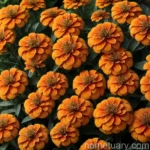
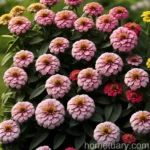
Zinnia elegans, commonly known as the youth-and-age, is a species of zinnia native to Mexico and adjacent areas. This species is an annual and a branching plant with lance-shaped leaves and solitary long-stemmed flowers. The ‘Queeny Lemon Peach’ variety of Zinnia elegans showcases stunning color transitions from peachy tones to lemony hues, creating an eye-catching and mesmerizing display in gardens or floral arrangements.
Key Takeaways
Before we dive deeper into the world of Zinnia elegans ‘Queeny Lemon Peach’, let’s highlight some key points:
- Zinnia elegans Queeny Lemon Peach is a captivating and vibrant flowering plant known for its stunning range of peachy and lemony hues.
- It is an annual plant native to Mexico, appreciated for its long-stemmed and solitary flowers.
- This Zinnia variety is popular among gardeners and is well-loved for its mesmerizing colors, making it a delightful addition to gardens and floral arrangements.
With these key takeaways in mind, let’s explore the various aspects of growing and caring for Zinnia elegans ‘Queeny Lemon Peach’.
Culture
Cultivating Zinnia elegans ‘Queeny Lemon Peach’ is a joyful experience that allows gardeners to revel in the beauty of nature. Understanding the cultural requirements of this zinnia variety is essential for fostering healthy growth and vibrant blooms.
Water
Zinnia elegans ‘Queeny Lemon Peach’ thrives in well-drained soil and requires regular watering to maintain optimal moisture levels. It is important to water the plants thoroughly, particularly during dry periods, while being mindful not to overwater, as excessive moisture can lead to root rot and other issues.
Sunlight
As sun-loving plants, Zinnia elegans ‘Queeny Lemon Peach’ flourishes in full sunlight. These zinnias bask in the warmth of the sun and produce more vibrant blooms when provided with ample sunlight. When selecting a planting location, prioritize areas with direct sun exposure to support the healthy growth and development of these captivating flowers.
Fertilizer
Applying a balanced fertilizer that is rich in nutrients can contribute to the optimal growth and blooming of Zinnia elegans ‘Queeny Lemon Peach’. A general-purpose fertilizer, preferably with a higher phosphorus content, can support the vigorous flowering of these zinnias, enhancing the beauty of their blossoms.
Soil
Zinnia elegans ‘Queeny Lemon Peach’ thrives in well-drained, fertile soil. A loamy and nutrient-rich soil composition provides an ideal foundation for these zinnias to establish strong roots and flourish. Prior to planting, amending the soil with organic matter can enhance its texture and fertility, creating an inviting environment for these captivating flowers to thrive.
Pruning
Regular pruning is an important aspect of Zinnia elegans ‘Queeny Lemon Peach’ care, contributing to the maintenance of the plants and the promotion of continuous blooming. Pruning spent flowers, also known as deadheading, encourages the development of new blooms and prevents the zinnias from diverting energy into seed production. By removing faded blossoms, gardeners can prolong the flowering period and enhance the visual appeal of their Zinnia elegans ‘Queeny Lemon Peach’ plants.
Propagation
Zinnia elegans ‘Queeny Lemon Peach’ can be propagated through various methods, including seed propagation and cuttings. Propagating these zinnias from seeds enables gardeners to cultivate new plants, preserving the captivating traits and vibrant colors of this variety. Additionally, taking stem cuttings allows for the generation of genetically identical plants, providing an efficient means of propagation for enthusiasts and horticulturalists.
Container Popularity
Zinnia elegans ‘Queeny Lemon Peach’ is well-suited for container gardening, offering a versatile and portable option for showcasing these captivating blooms. The vibrant and dynamic colors of this zinnia variety add a delightful touch to outdoor and indoor spaces, enhancing the visual appeal of patios, balconies, and gardens. Planting Zinnia elegans ‘Queeny Lemon Peach’ in containers allows for creative arrangements and provides an opportunity to elevate the aesthetic charm of different settings.
Container Common Diseases
While container gardening offers numerous advantages, it is important to be mindful of potential diseases that can affect Zinnia elegans ‘Queeny Lemon Peach’ when grown in containers. Common container diseases that may impact these zinnias include:
- Powdery Mildew: A fungal disease that manifests as a powdery white substance on the leaves, stems, and flowers of plants, often causing discoloration and affecting overall plant health.
- Botrytis Blight: Also known as gray mold, this disease can lead to the development of dark, water-soaked lesions on the foliage and flowers of Zinnia elegans ‘Queeny Lemon Peach’, posing a threat to their vitality.
Understanding these common diseases and implementing preventive measures is crucial for safeguarding the health and beauty of Zinnia elegans ‘Queeny Lemon Peach’ when cultivated in containers.
Disease Diagnosis
Diagnosing and addressing diseases in Zinnia elegans ‘Queeny Lemon Peach’ is essential for preserving the vibrancy and vigor of these captivating blooms. By closely monitoring the plants and recognizing symptoms of common diseases, gardeners can take proactive measures to combat and mitigate the impact of such ailments.
Common Pests
Zinnia elegans ‘Queeny Lemon Peach’ may be susceptible to certain pests that can pose challenges to their growth and appearance. Identifying and addressing common pests is vital for protecting the health and beauty of these zinnias.
Botanist’s Tips
To ensure the thriving and flourishing of Zinnia elegans ‘Queeny Lemon Peach’, consider the following botanist’s tips:
- Regular Monitoring: Observing the plants closely enables early detection of any issues or concerns, allowing for timely intervention and care.
- Proper Watering: Maintaining appropriate moisture levels through consistent and mindful watering practices supports the well-being of Zinnia elegans ‘Queeny Lemon Peach’, fostering healthy growth and vibrant blooms.
- Nutrient-Rich Soil: Providing fertile soil enriched with organic matter creates an optimal environment for robust root development and abundant flowering.
- Disease Prevention: Implementing preventive measures, such as vigilant monitoring and appropriate spacing between plants, can help minimize the risk of disease occurrence.
Fun Facts
Discovering the intriguing and fascinating aspects of Zinnia elegans ‘Queeny Lemon Peach’ adds a captivating dimension to the gardening experience. Here are some fun facts about this delightful zinnia variety:
- The captivating hues of Zinnia elegans ‘Queeny Lemon Peach’ symbolize joy, warmth, and vibrancy, infusing gardens and floral arrangements with an uplifting and cheerful atmosphere.
- These zinnias are beloved by pollinators, attracting butterflies and bees with their colorful blooms, contributing to the vitality and diversity of garden ecosystems.
- Zinnia elegans ‘Queeny Lemon Peach’ can be incorporated into various floral arrangements and bouquets, offering a touch of natural elegance and charm.
Links to External Resources
To further explore and expand your knowledge of Zinnia elegans ‘Queeny Lemon Peach’ and its horticultural realm, consider visiting the following external resources:
- Zinnia Elegans: Growing and Caring for Youth-and-Age Flowers
- The Art of Container Gardening: Techniques and Inspiration
- Identifying and Managing Common Plant Diseases
- Pest Control Strategies for Gardens and Landscapes
In conclusion, Zinnia elegans ‘Queeny Lemon Peach’ stands as a remarkable and enchanting addition to gardens, containers, and floral arrangements, captivating enthusiasts and gardeners with its vibrant colors and lively blooms. By embracing the cultural nuances, propagation techniques, and disease management strategies associated with this zinnia variety, gardeners can cultivate flourishing and radiant displays that celebrate the wonders of nature. With its striking color transitions and alluring charm, Zinnia elegans ‘Queeny Lemon Peach’ continues to inspire and elevate the art of gardening, offering a delightful canvas for creativity and natural beauty.
Let the resplendent hues of Zinnia elegans ‘Queeny Lemon Peach’ enrich your garden and bring joy to your surroundings, creating a haven of color and vitality in the natural tapestry of your outdoor sanctuary.