All About Zinnia elegans ‘Queeny Orange’
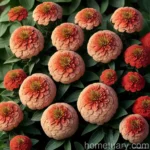
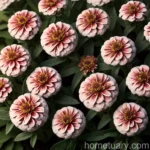
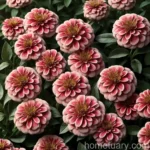
The Zinnia elegans ‘Queeny Orange’ is a splendid flowering plant known for its vibrant orange blooms and ability to attract beneficial insects such as butterflies and hummingbirds. In this comprehensive guide, we will delve into the various facets of this beautiful cultivar, from its characteristics and cultivation to maintenance, common diseases, and interesting facts. Whether you’re a seasoned gardener or a novice enthusiast, you’ll find valuable insights into nurturing and enjoying the Queeny Orange Zinnia in your outdoor spaces.
What is Zinnia elegans ‘Queeny Orange’?
Zinnia elegans is a species of flowering plant in the sunflower family (Asteraceae) that is native to Mexico and South America. It is popular for its long-lasting, colorful blooms, making it a favorite for gardens, landscapes, and floral arrangements. ‘Queeny Orange’ is a specific cultivar of Zinnia elegans, esteemed for its radiant orange flowers that add a burst of brilliance to any setting.
Key Takeaways
- Zinnia elegans ‘Queeny Orange’ is a captivating variety of the Zinnia elegans species, featuring striking orange blooms.
- This cultivar is highly valued for its attractiveness to beneficial insects and its suitability for vibrant floral displays.
Now, let’s explore the facets of cultivating and caring for Zinnia elegans ‘Queeny Orange’ in great detail.
Culture
Uses
The Zinnia elegans ‘Queeny Orange’ is particularly well-suited for a range of horticultural applications, including:
– Garden Borders: The vibrant orange blooms of ‘Queeny Orange’ make it an excellent choice for defining borders and adding a pop of color to garden beds.
– Container Planting: This cultivar thrives in containers, making it an ideal option for creating vibrant displays on patios, balconies, and other outdoor spaces.
– Cut Flowers: With its long-lasting blooms, ‘Queeny Orange’ Zinnia is a popular choice for cut flower arrangements, adding a touch of exuberance to indoor settings.
Water
Zinnia elegans ‘Queeny Orange’ thrives in well-draining soil and prefers regular watering. It is essential to keep the soil consistently moist, especially during periods of active growth and flowering. However, it is crucial to avoid overwatering, as this can lead to root rot and other issues.
Best Practices for Watering:
– Water the plants thoroughly when the top inch of soil feels dry to the touch.
– Provide irrigation in the morning to allow foliage to dry before evening, reducing the risk of disease.
Sunlight
One of the key requirements for the successful cultivation of ‘Queeny Orange’ Zinnia is ample sunlight. This cultivar flourishes in full sunlight, requiring at least six to eight hours of direct sun each day.
Sunlight Guidelines:
– Select a planting location that receives abundant sunlight to ensure optimal growth and prolific flowering.
– In areas with extremely hot climates, providing some protection from the intense midday sun can be beneficial.
Fertilizer
To support vigorous growth and abundant blooms, it is essential to provide adequate nutrients to Zinnia elegans ‘Queeny Orange’. A balanced, water-soluble fertilizer, formulated for flowering plants, can be applied regularly during the growing season.
Fertilization Recommendations:
– Use a 10-10-10 fertilizer or a similar balanced formulation.
– Apply the fertilizer according to the manufacturer’s instructions, typically every 2-3 weeks.
Soil
The ideal soil for ‘Queeny Orange’ Zinnia is well-draining and fertile, with a slightly acidic to neutral pH range. Amending the soil with organic matter such as compost can improve its texture and nutrient content, creating a favorable environment for robust growth and flowering.
Soil Preparation Tips:
– Prior to planting, incorporate compost or well-rotted manure into the soil to enhance its fertility.
– Ensure proper drainage to prevent waterlogging, which can lead to root problems.
Pruning
Pruning plays a crucial role in promoting the health and vitality of Zinnia elegans ‘Queeny Orange’. Regular deadheading, the removal of spent blooms, is essential to encourage continuous flowering and overall plant aesthetics.
Deadheading Guidelines
- Use clean, sharp pruners to remove faded flowers, cutting the stem just above a set of leaves or buds.
- Deadheading should be performed regularly throughout the blooming period to prevent seed formation and stimulate new flower production.
Propagation
Zinnia elegans ‘Queeny Orange’ can be propagated from seeds, offering an accessible and cost-effective means of expanding your Zinnia collection. This cultivar’s seeds are readily available from reputable nurseries and online suppliers.
Seed Propagation Steps
- Prepare seed-starting trays or containers filled with a well-draining seed-starting mix.
- Sow the Zinnia seeds on the surface of the soil and lightly press them in, ensuring good contact.
- Keep the soil consistently moist and maintain the trays in a warm, brightly lit location.
- Once the seedlings have developed several sets of true leaves, they can be transplanted into individual pots or directly into the garden.
Container Popularity
Zinnia elegans ‘Queeny Orange’ is highly favored for container gardening, offering a plethora of possibilities for creating vibrant and captivating displays in various outdoor settings. The compact growth habit of this cultivar, coupled with its eye-catching blooms, makes it well-suited for container plantings on porches, decks, and other confined spaces.
Benefits of Container Planting
- Versatility: ‘Queeny Orange’ Zinnia can be grown in an assortment of containers, including pots, planters, and window boxes, allowing for creativity and flexibility in design.
- Space Maximization: Container gardening allows individuals with limited outdoor space to enjoy the beauty of Zinnia elegans ‘Queeny Orange’ and other flowering plants.
- Mobility: Containers can be moved and rearranged to create dynamic arrangements and adapt to changing lighting conditions.
Common Diseases
While Zinnia elegans ‘Queeny Orange’ is generally resilient, it is susceptible to certain diseases that can impact its growth and flowering. Understanding the common diseases and their potential treatments is crucial for maintaining the health and vigor of these plants.
Disease Diagnosis
The following are some of the prevalent diseases that may affect ‘Queeny Orange’ Zinnia:
- Powdery Mildew: Identified by the presence of powdery, white patches on the foliage, powdery mildew can weaken the plant and impede flowering.
- Bacterial Leaf Spot: Characterized by dark, water-soaked spots on the leaves, bacterial leaf spot can cause defoliation and reduce the plant’s overall vitality.
Common Pests
Pest infestations can pose a threat to the well-being of ‘Queeny Orange’ Zinnia, potentially causing damage to the foliage and flowers. Vigilance and prompt intervention are crucial in mitigating pest-related issues.
Identifying Common Pests
Several common pests that may affect Zinnia elegans ‘Queeny Orange’ include:
- Aphids: These small, soft-bodied insects can congregate on the tender new growth of Zinnia plants, sucking sap from the leaves and causing distortion.
- Spider Mites: Spider mites are known for spinning fine webbing on the undersides of leaves and can cause stippling and discoloration of the foliage.
Botanist’s Tips
To ensure the successful cultivation of Zinnia elegans ‘Queeny Orange’, it is beneficial to heed the following tips from experienced botanists and gardening experts:
- Selecting Disease-Resistant Varieties: When obtaining Zinnia seeds or seedlings, consider choosing disease-resistant varieties to minimize the risk of fungal and bacterial infections.
- Companion Planting: Incorporating pest-repellent and beneficial insect-attracting plants, such as marigolds and lavender, into the garden can help promote a balanced ecosystem and deter pest infestations.
Fun Facts
Delve into these intriguing and delightful facts about Zinnia elegans ‘Queeny Orange’, shedding light on its unique characteristics and positive impacts on the natural world:
- Zinnia elegans ‘Queeny Orange’ serves as a magnet for pollinators, including butterflies, bees, and hummingbirds, contributing to the biodiversity and ecological balance of the garden.
- The vibrant orange blooms of ‘Queeny Orange’ Zinnia are renowned for their stunning visual appeal and capacity to enliven any outdoor space, from formal gardens to wildflower meadows.
Links to External Resources
For additional information on Zinnia elegans ‘Queeny Orange’ and related topics, consider exploring the following resources:
- Royal Horticultural Society – Zinnia elegans Cultivars
- University of Florida IFAS Extension – Zinnia Production Guide
By delving into the unique characteristics, cultivation practices, and captivating allure of Zinnia elegans ‘Queeny Orange’, we gain a deeper appreciation for this delightful flowering plant. Whether adorning a container garden or enhancing a traditional border, the radiant blooms of ‘Queeny Orange’ Zinnia stand as a testament to the beauty and resilience of nature.