Zinnia elegans ‘Pop Art White and Red’: A Comprehensive Guide
Zinnia elegans ‘Pop Art White and Red’ is a stunning and vibrant flowering plant that adds a pop of color to any garden or landscape. With its striking red and white blooms, this zinnia cultivar has gained popularity among gardeners and horticulture enthusiasts. In this comprehensive guide, we will delve into the various aspects of this plant, including its culture, uses, maintenance, common diseases, and much more. Whether you are a seasoned gardener or a novice plant enthusiast, this guide will provide you with valuable insights into the world of Zinnia elegans ‘Pop Art White and Red’.
What is Zinnia elegans ‘Pop Art White and Red’?
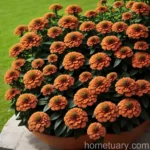
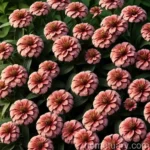
Zinnia elegans, commonly known as youth-and-age, is an annual flowering plant native to Mexico. It belongs to the Asteraceae family, which encompasses a wide array of flowering plants. The ‘Pop Art White and Red’ variety is specifically cherished for its spectacular bi-colored flowers, featuring pristine white petals adorned with vibrant red accents. The striking visual appeal of these blooms has made Zinnia elegans ‘Pop Art White and Red’ a sought-after choice for gardeners looking to add a touch of elegance and charm to their outdoor spaces.
Key Takeaways
- The ‘Pop Art White and Red’ variety is a stunning bi-colored zinnia cultivar known for its vibrant red and white flowers.
- Zinnia elegans ‘Pop Art White and Red’ belongs to the Asteraceae family and is native to Mexico.
- This guide will provide in-depth insights into the culture, uses, maintenance, diseases, and other important aspects of Zinnia elegans ‘Pop Art White and Red’.
Culture of Zinnia elegans ‘Pop Art White and Red’
Cultivating Zinnia elegans ‘Pop Art White and Red’ requires an understanding of its specific cultural requirements, including water, sunlight, fertilizer, soil, and pruning. By providing optimal growing conditions, you can ensure that this zinnia cultivar thrives and produces an abundance of stunning blooms.
Water
Zinnia elegans ‘Pop Art White and Red’ thrives in well-drained soil and requires regular watering to maintain adequate moisture levels. However, it is crucial to avoid overwatering, as excessively wet conditions can lead to root rot and other issues. As a general guideline, aim to water the plants whenever the top inch of soil feels dry to the touch. During hot and dry periods, more frequent watering may be necessary to support healthy growth and flowering.
Sunlight
Like many flowering plants, Zinnia elegans ‘Pop Art White and Red’ thrives in full sunlight. It is essential to provide these zinnias with at least 6-8 hours of direct sunlight each day to promote robust growth and prolific flowering. In locations with insufficient sunlight, the plants may become leggy and produce fewer blooms. Therefore, when planning the placement of Zinnia elegans ‘Pop Art White and Red’ in your garden or landscape, prioritize areas that receive ample sunlight throughout the day.
Fertilizer
To support the vigorous growth and blooming of Zinnia elegans ‘Pop Art White and Red’, regular fertilization is beneficial. A balanced, water-soluble fertilizer with a higher phosphorus content can promote flowering and overall plant health. When applying fertilizer, follow the manufacturer’s recommendations regarding frequency and dosage, and avoid excessive application as it may lead to nutrient imbalances or adverse effects on plant growth.
Soil
Zinnia elegans ‘Pop Art White and Red’ performs best in well-drained, fertile soil with a slightly acidic to neutral pH range. Amending the soil with organic matter, such as compost or well-rotted manure, can enhance its texture and nutrient content, providing an ideal growing medium for these zinnias. Additionally, a loose and well-aerated soil structure supports healthy root development and efficient nutrient uptake, contributing to the overall vitality of the plants.
Pruning
Regular deadheading and pruning can benefit Zinnia elegans ‘Pop Art White and Red’ by prolonging the blooming period and maintaining a tidy appearance. Deadheading, the removal of spent flowers, prevents the plants from channeling energy into seed production and encourages them to continue producing new blooms. Furthermore, pruning can help control the overall shape and size of the plants, ensuring a more compact and bushy growth habit.
Uses of Zinnia elegans ‘Pop Art White and Red’
Zinnia elegans ‘Pop Art White and Red’ offers versatile uses in various gardening and landscaping applications, adding aesthetic value and contributing to the overall allure of outdoor spaces. Whether as a focal point in garden beds, a colorful addition to cut flower arrangements, or a vibrant accent in container plantings, these zinnias exhibit impressive adaptability and decorative appeal.
Garden Beds and Borders
In garden beds and borders, Zinnia elegans ‘Pop Art White and Red’ creates striking visual impact with its contrasting red and white blooms. Planted en masse or mixed with other complementary flowering plants, these zinnias infuse the landscape with vibrant colors and an exuberant ambiance. They can be strategically positioned to accentuate specific areas of the garden, creating captivating displays of bi-colored floral beauty.
Cut Flower Arrangements
The eye-catching blooms of Zinnia elegans ‘Pop Art White and Red’ make it an excellent choice for cut flower production. Harvesting the fresh blooms for floral arrangements allows you to showcase the zinnias’ captivating colors and intricate floral patterns indoors. Whether used in bouquets, vases, or floral centerpieces, the enduring beauty of these zinnias adds a touch of elegance to any interior setting, making them a popular choice among flower enthusiasts and floral designers.
Container Plantings
Zinnia elegans ‘Pop Art White and Red’ thrives in containers, making it an ideal option for adding bursts of color to patios, balconies, and other confined spaces. Whether planted in individual pots or combined with other compatible container plants, these zinnias lend a lively and vibrant presence to outdoor living areas. Their compact growth habit and prolific flowering make them well-suited for container gardening, offering a convenient and visually appealing gardening solution for urban dwellers and individuals with limited outdoor space.
Propagation of Zinnia elegans ‘Pop Art White and Red’
Propagation is an essential aspect of plant cultivation, allowing for the expansion of plant populations and the perpetuation of desirable traits. Zinnia elegans ‘Pop Art White and Red’ can be propagated through various methods, including seed sowing and stem cuttings, each with its own set of requirements and considerations.
Seed Sowing
Seeds are the primary means of propagating Zinnia elegans ‘Pop Art White and Red’, and they are readily available from reputable seed suppliers and nurseries. When sowing zinnia seeds, it is crucial to provide them with a suitable germination medium and favorable environmental conditions to support successful seedling establishment. Depending on the specific cultivar, seed sowing may be conducted indoors in trays or directly in the garden soil, following the last frost date in spring.
Stem Cuttings
In addition to seed propagation, Zinnia elegans ‘Pop Art White and Red’ can be propagated through stem cuttings, although this method is less common compared to seed sowing. Stem cuttings offer a means of cloning the parent plant and preserving its unique characteristics. When taking stem cuttings for propagation, it is important to select healthy, disease-free plant material and propagate it under optimal conditions to enhance the chances of successful rooting and subsequent growth of the new plants.
Container Popularity
Zinnia elegans ‘Pop Art White and Red’ is a popular choice for container gardening due to its compact growth habit, vibrant blooms, and adaptability to container settings. Whether grown individually in containers or combined with other compatible plants, these zinnias add a splash of color to outdoor living spaces, balconies, patios, and small gardens. The ability to thrive in confined growing environments makes Zinnia elegans ‘Pop Art White and Red’ a favored selection for individuals seeking to cultivate beautiful flowering plants in limited spaces.
Common Diseases of Zinnia elegans ‘Pop Art White and Red’
While Zinnia elegans ‘Pop Art White and Red’ is generally a resilient and vigorous plant, it is susceptible to certain diseases and disorders that can impact its growth and overall health. Understanding the common diseases affecting these zinnias, along with their respective symptoms and management strategies, is crucial for maintaining thriving and disease-free plant populations.
Disease Diagnosis
Diagnosing diseases in Zinnia elegans ‘Pop Art White and Red’ requires careful observation of the plants, as well as awareness of common pathogenic agents and environmental factors that contribute to disease development. Identifying the specific symptoms exhibited by the plants, such as leaf spots, wilting, discoloration, or unusual growth patterns, can aid in determining the underlying cause of the issue and formulating an appropriate course of action to address it effectively.
Common Diseases
Powdery Mildew (Erysiphe cichoracearum)
Powdery mildew is a fungal disease that affects a wide range of plants, including Zinnia elegans ‘Pop Art White and Red’. It manifests as a powdery white growth on the surfaces of leaves, stems, and flowers, often leading to stunted growth and diminished aesthetic quality of the affected plants. The disease thrives in warm, humid environments and can spread rapidly under favorable conditions.
Botrytis Blight (Botrytis cinerea)
Botrytis blight, caused by the fungal pathogen Botrytis cinerea, poses a threat to Zinnia elegans ‘Pop Art White and Red’ by inducing gray mold on leaves, stems, and flowers. The infected plant parts develop a characteristic fuzzy gray growth, and severe cases of botrytis blight can result in widespread plant damage and reduced vitality. High humidity and prolonged leaf wetness create conducive conditions for the establishment and spread of this disease.
Damping-Off (Pythium spp., Rhizoctonia spp.)
Damping-off is a common seedling disease caused by various soilborne pathogens, including species of Pythium and Rhizoctonia. It affects germinating seeds and young seedlings, causing them to rot at the soil line and ultimately collapse. This disease can lead to significant losses in seedling populations and hinder the establishment of healthy zinnia plants.
Disease Management
Implementing effective disease management practices is essential for preventing and controlling common diseases in Zinnia elegans ‘Pop Art White and Red’. Integrated pest and disease management (IPM) strategies, which combine cultural, biological, and chemical control methods, can help mitigate disease pressures and safeguard plant health.
Cultural Practices
- Maintaining proper plant spacing to enhance air circulation and reduce humidity levels around the foliage.
- Avoiding overhead irrigation and watering the plants at the base to minimize leaf wetness and discourage disease development.
- Removing and disposing of infected plant debris to prevent the spread of pathogens to healthy plants and reduce disease inoculum in the growing area.
Biological Control
- Implementing biological control agents, such as beneficial microorganisms or predatory organisms, to suppress disease-causing pathogens and promote a balanced plant microbiome.
- Applying biological fungicides derived from naturally occurring compounds or microorganisms to manage fungal diseases while minimizing environmental impact.
Chemical Control
- When necessary, utilizing fungicidal products with active ingredients suitable for controlling specific diseases affecting Zinnia elegans ‘Pop Art White and Red’.
- Following label instructions and guidelines when applying chemical treatments, and considering their potential impact on non-target organisms and the environment.
Common Pests Affecting Zinnia elegans ‘Pop Art White and Red’
In addition to diseases, Zinnia elegans ‘Pop Art White and Red’ can be targeted by various insect pests that feed on the plants, causing damage to the foliage, stems, and flowers. Identifying and managing common pests is crucial for preserving the health and aesthetic appeal of these zinnias, while minimizing the impact of pest infestations on overall plant vigor.
Common Pests
Aphids (Aphidoidea)
Aphids are small, soft-bodied insects that feed on plant sap, often congregating on the undersides of leaves and along growing tips. Their feeding can cause stunted growth, yellowing of leaves, and the secretion of sticky honeydew, which encourages the growth of sooty mold. Aphid infestations can weaken Zinnia elegans ‘Pop Art White and Red’ and make it more susceptible to stress and disease.
Spider Mites (Tetranychidae)
Spider mites are common pests that can infest Zinnia elegans ‘Pop Art White and Red’, particularly in hot and dry conditions. These tiny arachnids feed on plant cells, causing stippling, discoloration, and a decrease in overall plant vigor. Severe spider mite infestations can lead to extensive damage and defoliation, compromising the health and appearance of the zinnias.
Whiteflies (Aleyrodidae)
Whiteflies are small, winged insects known for their white, powdery appearance and their habit of congregating on the undersides of leaves. They feed on plant sap and can transmit viral diseases, posing a dual threat to the health of Zinnia elegans ‘Pop Art White and Red’. Whitefly infestations can cause yellowing, wilting, and premature leaf drop, negatively impacting the overall condition of the plants.
Pest Management
Employing proactive pest management strategies is vital in preventing and mitigating pest infestations on Zinnia elegans ‘Pop Art White and Red’. By integrating cultural, mechanical, and biological control methods, you can minimize pest pressures and uphold the health and vitality of these zinnias.
Cultural Controls
- Practicing good sanitation, such as removing and disposing of infested plant material and debris to limit pest populations in the growing area.
- Encouraging natural enemies of pests, such as beneficial insects and predatory arthropods, through the provision of suitable habitat and floral resources.
Mechanical Controls
- Using physical barriers, such as row covers, to prevent adult pests from coming into contact with the zinnias and laying eggs, effectively reducing pest infestations.
- Employing water sprays or blasts of compressed air to dislodge and remove pests, such as aphids and spider mites, from the plants.
Botanist’s Tips
- When selecting Zinnia elegans ‘Pop Art White and Red’ for your garden or landscape, consider the specific cultural requirements and growing conditions that best suit these zinnias. By providing optimal care and environmental conditions, you can promote robust growth and prolific flowering in these vibrant zinnias.
- Regular monitoring of Zinnia elegans ‘Pop Art White and Red’ for signs of diseases and pests is essential for early detection and timely intervention. Vigilance allows you to address potential issues promptly and prevent the escalation of problems that could compromise the health and overall performance of the plants.
- Consider companion planting with pest-repellent and disease-resistant species to create a balanced and harmonious garden ecosystem. Certain companion plants can help deter pests and suppress diseases, enhancing the resilience and vitality of Zinnia elegans ‘Pop Art White and Red’.
Fun Facts
- Zinnia elegans ‘Pop Art White and Red’ is renowned for its captivating bi-colored flowers, which exhibit striking red and white patterns across the petals. The vivid contrast and intricate floral patterns make these zinnias a visually captivating addition to any garden or landscape.
- Zinnia elegans ‘Pop Art White and Red’ is a favorite among pollinators, including bees and butterflies, attracting these beneficial insects with its nectar-rich blooms and providing essential floral resources during the growing season.
In conclusion, Zinnia elegans ‘Pop Art White and Red’ stands out as a remarkable and enchanting flowering plant, cherished for its vibrant bi-colored blooms, adaptability to various uses, and overall ornamental appeal. By understanding its culture, propagation, maintenance, and potential challenges, you can cultivate thriving populations of these captivating zinnias and enjoy their enduring beauty in your garden, landscape, or floral arrangements.
For further information and detailed insights on Zinnia elegans ‘Pop Art White and Red’, as well as additional resources on zinnia cultivation and horticulture, refer to the following external links:
– Zinnia elegans – Missouri Botanical Garden
– Zinnia Cultivation Guide – University of Florida IFAS Extension
– Zinnias: Growing Tips and Flower Arrangements – University of Illinois Extension
Whether you are a seasoned gardener or a novice enthusiast, the enchanting allure of Zinnia elegans ‘Pop Art White and Red’ is sure to captivate your imagination and inspire your gardening pursuits. Embrace the allure of these bi-colored zinnias and witness the vivid beauty they bring to your outdoor spaces.