Zimmerlinde (Sparmannia Africana): A Comprehensive Plant Care Guide
Introduction
Zimmerlinde, scientifically known as Sparmannia Africana, is a striking flowering plant native to the Southern regions of Africa. With its broad, glossy leaves and delicate, showy flowers, Zimmerlinde has become a popular choice for indoor and outdoor cultivation among plant enthusiasts. In this comprehensive plant care guide, we will delve into the various aspects of nurturing Zimmerlinde, including its cultural requirements, propagation methods, common diseases and pests, and interesting facts about this fascinating plant.
What is Zimmerlinde (Sparmannia Africana)?
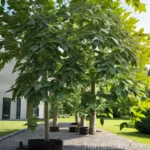
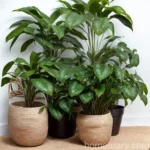
Zimmerlinde, also known as African hemp, is a member of the Tiliaceae family and is characterized by its large, heart-shaped leaves and clusters of white or pale pink flowers. The plant is renowned for its fast growth and ability to thrive in both indoor and outdoor environments, making it a versatile and attractive addition to any plant collection.
Key Takeaways – Zimmerlinde (Sparmannia Africana)
Before exploring the specific care requirements for Zimmerlinde, let’s summarize the key takeaways for this remarkable plant:
- Culture Uses: Zimmerlinde is commonly cultivated for ornamental purposes, both indoors and outdoors, due to its attractive foliage and vibrant flowers.
- Water: The plant has moderate water needs, requiring consistently moist soil without being waterlogged.
- Sunlight: Zimmerlinde thrives in bright, indirect light and can tolerate partial shade.
- Fertilizer: Regular feeding during the growing season helps promote healthy growth and flower production.
- Soil: Well-draining and nutrient-rich soil is essential for Zimmerlinde to flourish.
- Pruning: Occasional pruning is beneficial to maintain a balanced and attractive shape.
- Propagation: Zimmerlinde can be propagated through stem cuttings with a high success rate.
- Container Popularity: Its adaptability makes Zimmerlinde a popular choice for container gardening.
- Common Diseases: Watch out for issues like leaf spot and powdery mildew.
- Common Pests: Aphids and spider mites are potential pests that may affect Zimmerlinde.
With these key points in mind, let’s delve deeper into the specific care requirements and cultivation techniques for Zimmerlinde.
Culture Uses
Zimmerlinde is primarily cultivated for its ornamental features, which include its lush foliage and charming, delicate flowers. The plant is commonly grown in gardens, as well as indoor settings such as homes, offices, and public spaces, adding a touch of natural beauty to the environment.
Indoor Cultivation
In indoor settings, Zimmerlinde is often grown as a houseplant, adorning interior spaces with its attractive foliage and occasional blossoms. Its ability to thrive in bright, indirect light makes it an excellent choice for enhancing the aesthetic appeal of living areas, while also contributing to indoor air purification.
Outdoor Cultivation
In outdoor environments, Zimmerlinde is valued for its ability to add lush greenery and pops of floral color to gardens, patios, and balconies. With proper care and maintenance, it can be a striking addition to landscaping schemes or mixed plant containers, providing both visual interest and a touch of elegance.
Water
Proper watering is crucial for the health and vitality of Zimmerlinde. While the plant appreciates consistently moist soil, it is important to avoid overwatering, as this can lead to root rot and other moisture-related issues.
Watering Requirements
- Frequency: Water Zimmerlinde when the top inch of soil feels dry to the touch, typically requiring watering every 7-10 days during the growing season.
- Soil Moisture: Ensure that the soil remains evenly moist, but not waterlogged. Consider using a moisture meter to gauge soil moisture levels accurately.
- Water Quality: Use room-temperature water to avoid shocking the plant, and avoid allowing the soil to dry out completely between waterings.
- Drainage: Plant Zimmerlinde in pots or containers with drainage holes to prevent water from pooling at the roots.
Sunlight
Proper light exposure is essential for healthy growth and flowering in Zimmerlinde. While the plant thrives in bright, indirect light, it can also tolerate some degree of shade.
Light Preferences
- Indoor Placement: Position Zimmerlinde near a bright, east- or west-facing window where it can receive gentle, indirect sunlight throughout the day.
- Outdoor Settings: In outdoor environments, provide partial shade for Zimmerlinde, especially during the peak of the afternoon to protect it from intense sunlight.
- Light Duration: Aim to provide the plant with approximately 6-8 hours of indirect sunlight daily for optimal growth and flowering.
Fertilizer
Feeding Zimmerlinde with a balanced, water-soluble fertilizer is essential for promoting healthy growth, foliage development, and prolific flowering.
Fertilization Guidelines
- Frequency: During the growing season (spring and summer), fertilize Zimmerlinde every 4-6 weeks to support its nutrient requirements.
- Dilution: Use a half-strength, balanced fertilizer to prevent the risk of over-fertilization and potential damage to the plant.
- Application Method: Apply the diluted fertilizer to moist soil, ensuring that it is distributed evenly across the root zone.
- Winter Feeding: Reduce or withhold fertilizer during the winter months when the plant is in a period of reduced growth.
Soil
The choice of soil is pivotal in providing the right growing conditions for Zimmerlinde, ensuring proper drainage and nutrient availability.
Soil Preferences
- Composition: Plant Zimmerlinde in well-draining, nutrient-rich potting mix that is slightly acidic to slightly alkaline (pH 6.0-7.5).
- Organic Matter: Incorporate organic matter such as compost or peat moss to enhance soil structure and fertility.
- Aeration: Ensure that the soil offers good aeration and does not compact easily, promoting healthy root development and preventing waterlogging.
Pruning
Regular pruning is beneficial for maintaining the shape and overall health of Zimmerlinde, promoting bushier growth and enhancing flowering potential.
Pruning Techniques
- Deadheading: Remove spent flowers and faded foliage regularly to encourage continuous blooming and maintain a tidy appearance.
- Trimming: Trim back leggy or excessively long stems to encourage branching and a balanced, compact growth habit.
- Shape Maintenance: Prune Zimmerlinde as needed to maintain the desired shape and size, particularly after the flowering period.
Propagation
Zimmerlinde can be propagated through various methods, including stem cuttings, providing opportunities to expand your plant collection or share the beauty of this species with others.
Propagation Methods
- Stem Cuttings: Take 4-6 inch stem cuttings from healthy, non-flowering shoots and root them in a moist, well-draining rooting medium. After several weeks, roots should develop, signaling successful propagation.
- Timing: Propagate Zimmerlinde during the active growing season, typically in the spring or early summer, when the plant’s natural growth processes are at their peak.
Container Popularity
The adaptability of Zimmerlinde makes it a popular choice for container gardening, offering flexibility in placement and an opportunity to showcase its stunning features in various indoor and outdoor settings.
Common Diseases
Zimmerlinde, like many plants, is susceptible to certain diseases that can impact its overall health and appearance.
Disease Diagnosis
- Leaf Spot: Watch for the development of dark, water-soaked spots on the foliage, which may indicate a fungal infection. Improving air circulation and avoiding overhead watering can help prevent this issue.
- Powdery Mildew: Look for powdery, white patches on the leaves, a common indicator of powdery mildew. Increasing ventilation and avoiding overcrowding plants can aid in preventing this fungal disease.
Common Pests
Several pests may target Zimmerlinde, potentially causing damage to its foliage and compromising its overall vigor.
Pest Control
- Aphids: Keep an eye out for clusters of small, soft-bodied insects on the foliage. A strong blast of water or insecticidal soap can effectively control aphid populations.
- Spider Mites: Check for webbing on the undersides of leaves and treat infestations with horticultural oil or insecticidal soap. Increasing humidity levels can also discourage spider mite activity.
Botanist’s Tips
Here are some additional tips for nurturing Zimmerlinde:
- Air Circulation: Ensure proper air circulation around the plant to minimize the risk of fungal diseases and promote healthy growth.
- Temperature Considerations: Zimmerlinde prefers average room temperatures between 65-75°F (18-24°C) and can tolerate slightly cooler conditions in the winter.
- Regular Monitoring: Keep a close eye on your Zimmerlinde, monitoring its growth, watering needs, and overall health on a regular basis.
Fun Facts
To further enhance your appreciation of Zimmerlinde, consider these fun and fascinating facts about the plant:
- The genus name, Sparmannia, honors the Swedish botanist Anders Sparman, who contributed to botanical knowledge during the 18th century.
- Zimmerlinde’s flowers are occasionally fragrant, emitting a pleasant, subtle scent that adds to their charm.
- In its native habitat, Zimmerlinde can reach impressive heights, growing as a substantial shrub.
Links to External Resources
To explore additional information and resources on Zimmerlinde, you can refer to the following sources:
Conclusion
Zimmerlinde (Sparmannia Africana) is an enchanting plant that offers both visual appeal and ease of care, making it a desirable addition to any plant lover’s collection. By understanding and implementing its specific cultural requirements, watering, lighting, soil, and maintenance practices, you can enjoy the beauty of Zimmerlinde while nurturing its health and vitality. With its lush foliage, delicate blossoms, and versatile nature, Zimmerlinde enhances indoor and outdoor spaces, creating a captivating botanical presence that is truly a joy to behold.
Care for your Zimmerlinde with attentiveness and care, and it will reward you with its enduring charm and natural elegance, bringing a touch of the exotic beauty of Africa into your home or garden.
By following the comprehensive care guide outlined in this article, you can confidently cultivate and enjoy the beauty of Zimmerlinde, creating a thriving and enchanting display of natural splendor that captivates the senses and enriches your botanical pursuits.
By embracing the specific care guidelines and tips provided for Zimmerlinde (Sparmannia Africana), you can nurture and appreciate the captivating charm of this unique plant, fostering its well-being while enhancing the aesthetic appeal of your surroundings. Whether indoors or outdoors, Zimmerlinde offers a delightful journey into the world of plant care and horticultural enjoyment, enriching your botanical experiences and providing a source of natural grace and tranquility in your living spaces.