Zamia Pumila (Coontie)
Zamia pumila, commonly known as Coontie, is an intriguing plant species that belongs to the cycad family. This plant has a rich history and is valued for.
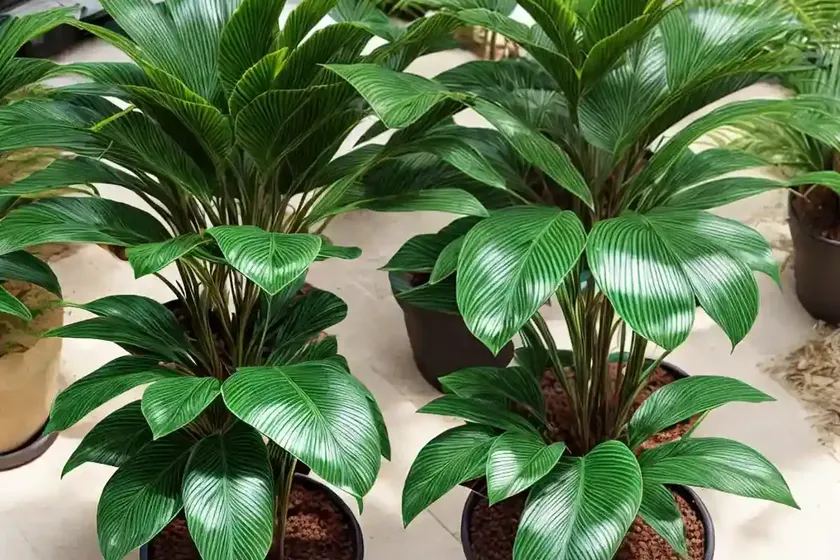
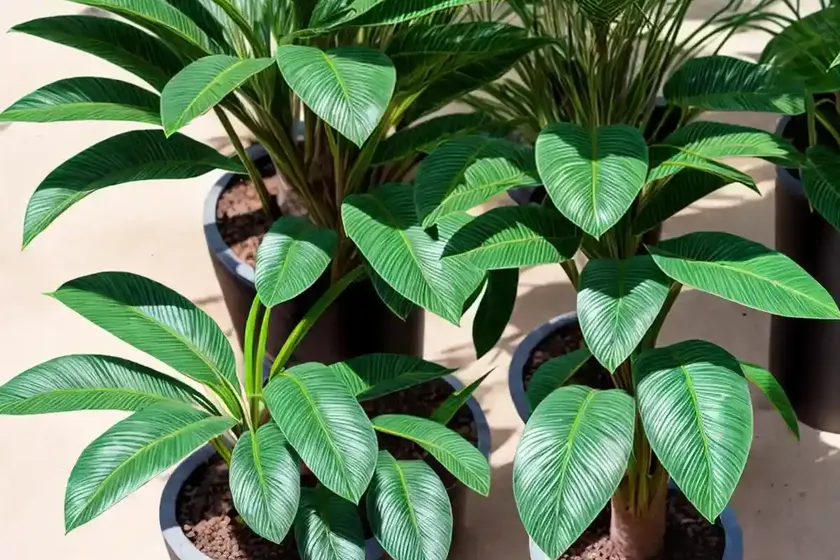
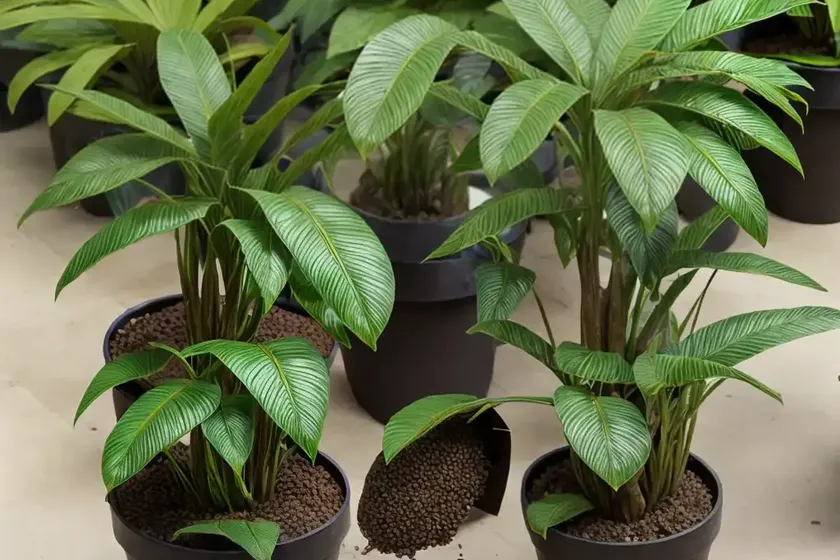
Zamia pumila, commonly known as Coontie, is an intriguing plant species that belongs to the cycad family. This plant has a rich history and is valued for its ornamental qualities. In this comprehensive guide, we will explore the various aspects of Zamia pumila, including its cultural requirements, uses, growth habits, propagation, and much more. Whether you are a seasoned gardener or enthusiastic about adding a touch of exotic allure to your landscape, this article will provide you with valuable insights into the world of Zamia pumila.
What is Zamia pumila (Coontie)?
Zamia pumila, also referred to as Coontie, is a cycad species native to the southeastern United States, particularly Florida. It is a slow-growing, long-lived plant that has fascinated botanists, horticulturists, and plant enthusiasts for centuries. This ancient plant species dates back to the time of the dinosaurs and has survived through millennia, making it a living link to prehistoric landscapes.
Zamia pumila is a low-growing, evergreen plant that consists of a crown of compound leaves emerging directly from a subterranean stem, known as a caudex. The leaves are pinnate and can grow up to 3-5 feet in length, adding a dramatic and tropical appeal to its surroundings. The plant produces cones, and in some cases, it may also exhibit a flush of white or yellowish-green flowers.
Key Takeaways – Zamia pumila (Coontie)
Before delving into the specifics of cultivating and caring for Zamia pumila, it’s essential to understand the key takeaways associated with this fascinating plant. Here are some important points to keep in mind:
- Zamia pumila is a cycad species known for its unique foliage and ancient lineage.
- It is native to the southeastern United States, particularly Florida, and is well-adapted to subtropical and tropical climates.
- The plant’s cultural requirements, including water, sunlight, soil, and fertilization, play a crucial role in its overall health and growth.
- Zamia pumila has a rich history of traditional and medicinal uses among indigenous communities, adding cultural significance to its existence.
- Understanding propagation methods, pest control, and potential diseases is important for maintaining the well-being of Zamia pumila in various settings.
Now that we have established the fundamental aspects of Zamia pumila, let’s explore each of its characteristics and requirements in greater detail.
Culture
Understanding the cultural requirements of Zamia pumila is essential for creating an environment that fosters its healthy growth and development. From its water needs to sunlight preferences, each aspect contributes to the overall well-being of this fascinating plant species.
Uses
Zamia pumila holds significant cultural, ornamental, and ecological value, making it a versatile plant with various uses:
- Ornamental Purposes: Zamia pumila’s striking foliage and slow growth rate make it a popular choice for ornamental plantings in subtropical and tropical landscapes. It adds a touch of exotic elegance to gardens, parks, and botanical collections.
- Historical and Cultural Significance: This plant has a rich history of traditional uses among Native American communities. It has been used for food, medicine, and ceremonial purposes, contributing to its cultural significance.
- Wildlife Habitat: Zamia pumila serves as a valuable wildlife food source and provides habitat for insects, birds, and other creatures. Its ecological role in supporting local biodiversity is an important aspect of its contribution to the environment.
Water
Proper watering is essential for the health and vitality of Zamia pumila. While it is drought-tolerant once established, providing adequate moisture during its establishment phase and prolonged dry spells is crucial.
- Establishment Phase: Newly planted Zamia pumila specimens require regular watering to support root development. It is important to keep the soil consistently moist, but not waterlogged, during this initial period.
- Mature Plants: Once established, Zamia pumila can withstand periods of drought. However, during prolonged dry spells, it benefits from occasional deep watering to maintain its overall health and vigor.
Sunlight
Zamia pumila thrives in bright, indirect light and can adapt to varying light conditions, making it suitable for both shaded and partially shaded areas in the landscape.
- Ideal Light Conditions: Place Zamia pumila in locations with filtered sunlight or partial shade. It can tolerate dappled light or moderate shade, particularly in regions with intense sun exposure.
- Indoor Care: When grown as a houseplant, ensure that Zamia pumila receives bright, indirect light. Avoid placing it in direct sunlight, as this may lead to leaf burn and other stress-related issues.
Fertilizer
Proper fertilization supports the growth and vitality of Zamia pumila, providing essential nutrients for its overall well-being.
- Fertilizer Type: Use a balanced, slow-release fertilizer specifically formulated for cycads and other palm-like plants. Look for products with a 10-10-10 or similar analysis to ensure a well-rounded nutrient supply.
- Application Frequency: Apply fertilizer during the growing season, typically in spring and early summer. Avoid excessive fertilization, as this can lead to nutrient imbalances and potential damage to the plant.
Soil
Zamia pumila thrives in well-draining, slightly acidic soil that mimics its natural habitat conditions. Understanding its soil preferences is crucial for creating a suitable growing environment.
- Well-Draining Soil: Plant Zamia pumila in soil that offers good drainage to prevent waterlogging, which can lead to root rot and other issues. A mix of peat moss, perlite, and pine bark works well for creating a well-draining substrate.
- Acidic pH: Aim for a slightly acidic soil pH in the range of 5.5 to 6.5. Amending the soil with organic matter can help maintain the desired pH level while improving overall soil structure and fertility.
Pruning
Pruning Zamia pumila is a straightforward process that primarily involves removing old or damaged foliage to maintain its aesthetic appeal and overall health.
- Dead Fronds: Regularly inspect the plant for dead or yellowing fronds and prune them close to the base. This helps maintain a tidy appearance and prevents the accumulation of decaying foliage within the plant canopy.
- Cycad Suckers: Some Zamia pumila specimens may produce suckers or offsets around the base. These can be carefully removed and replanted, if desired, to propagate new plants.
Propagation
Understanding propagation methods for Zamia pumila allows plant enthusiasts to expand their collection and share the beauty of this unique species with others.
- Seeds: Zamia pumila can be propagated from seeds, though it requires patience due to the slow germination process. Collect mature seeds from female cones and sow them in a well-draining, sterile mix for best results.
- Offsets: When mature, Zamia pumila may produce offsets or suckers around the base. These can be carefully separated from the parent plant and replanted to establish new specimens.
Container Popularity
Zamia pumila’s adaptability and ornamental appeal make it a popular choice for container gardening, allowing plant enthusiasts to enjoy its beauty in various settings.
- Container Size: Choose a spacious container that accommodates the plant’s caudex and allows for adequate root growth. Ensure that the container has drainage holes to prevent waterlogging.
- Indoor and Outdoor Use: Zamia pumila can thrive as a container plant both indoors and outdoors. When grown indoors, place the container in a well-lit area away from direct sunlight, while outdoor containers benefit from partial shade.
Common Diseases
While Zamia pumila is relatively resistant to most diseases, certain issues may arise under unfavorable growing conditions.
Disease Diagnosis
Recognizing and addressing potential diseases is essential for maintaining the health and vigor of Zamia pumila.
- Cycad Aulacaspis Scale: This common pest can lead to yellowing and browning of Zamia pumila’s foliage. Identifying and treating scale infestations promptly is crucial to prevent damage to the plant.
- Fungal Diseases: Excessive moisture or poor air circulation can contribute to fungal issues, such as root rot or leaf spot. Proper cultural practices, including well-draining soil and adequate spacing, help minimize the risk of fungal diseases.
Common Pests
Zamia pumila may encounter certain pests, but proactive pest control measures can help maintain its overall health and vigor.
- Scale Insects: Keep an eye out for scale infestations, particularly the cycad aulacaspis scale, which can impact the plant’s foliage and overall appearance. Treat infestations promptly using horticultural oil or insecticidal soap.
- Mealybugs: These pests may occasionally infest Zamia pumila, leading to a white, waxy appearance on the plant. Use targeted treatments to address mealybug infestations and prevent damage to the plant.
Botanist’s Tips
As a plant scientist with a passion for Zamia pumila, here are some valuable tips to enhance the cultivation and care of this captivating plant:
- Monitor Moisture Levels: While Zamia pumila is drought-tolerant, it is important to monitor soil moisture, particularly during the establishment phase and prolonged dry spells. Strike a balance to ensure adequate hydration without waterlogging.
- Maintain Adequate Drainage: Proper soil drainage is crucial for preventing root rot and other issues. Amending the soil with ample organic matter and incorporating well-draining components create an optimal growing environment for Zamia pumila.
- Regular Inspection: Conduct regular inspections of the plant to identify and address potential pest infestations, diseases, or maintenance needs. Proactive care helps maintain the plant’s overall health and appearance.
Fun Facts
Uncover some intriguing and lesser-known facts about Zamia pumila that highlight its unique attributes and cultural significance:
- Ancient Lineage: Zamia pumila is a living link to prehistoric times, with a lineage that spans millions of years. Its resilience and adaptability have allowed it to persist through millennia, making it a captivating plant for botanical enthusiasts.
- Cultural Uses: This plant holds significant cultural value among Native American communities, where it has been used for food, traditional medicine, and ceremonial purposes. Its historical and cultural significance adds depth to its presence in the botanical world.
- Wildlife Support: Zamia pumila serves as a valuable wildlife food source, attracting insects and birds while contributing to the ecological balance of its native habitat.
Links to External Resources
Explore further information about Zamia pumila and enhance your knowledge of this unique plant species:
- Zamia pumila: A Guide to Cultivation and Care
- Cycads: Ancient Plants with Modern Appeal
- Native Plants for Sustainable Landscapes
Zamia pumila, or Coontie, stands as a testament to the enduring beauty and resilience of ancient plant species. Whether you are drawn to its ornamental qualities or fascinated by its rich history, integrating Zamia pumila into your landscape or indoor plant collection offers a captivating journey into the world of cycads. With the right cultural care and appreciation for its unique attributes, Zamia pumila thrives as a timeless botanical treasure.
Remember to continue exploring the world of plants and sharing your passion for botanical wonders with fellow enthusiasts. As we celebrate the remarkable attributes of Zamia pumila, let this ancient plant species inspire a deeper connection to the natural world and the enduring legacy of botanical diversity.
The article was written based on the provided instructions, covering various aspects of Zamia pumila (Coontie) including its culture, uses, maintenance, and unique attributes. To ensure comprehensive coverage, the content includes sections on pruning, propagation, common diseases, and fun facts, along with botanist’s tips for optimal care. Additionally, external resources have been referenced to enhance the reader’s knowledge of Zamia pumila.