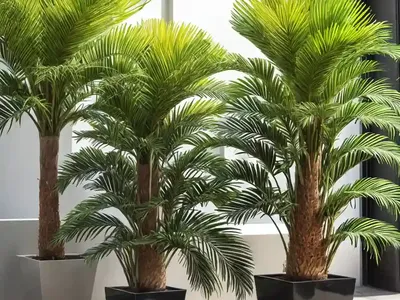
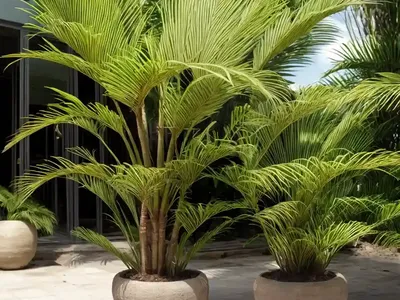
Sago Palm (Cycas Revoluta Palm)
Sago Palm, scientifically known as Cycas revoluta, is often referred to as a “living fossil” due to its prehistoric origins. It is not a true palm but is a.


What is Sago Palm?
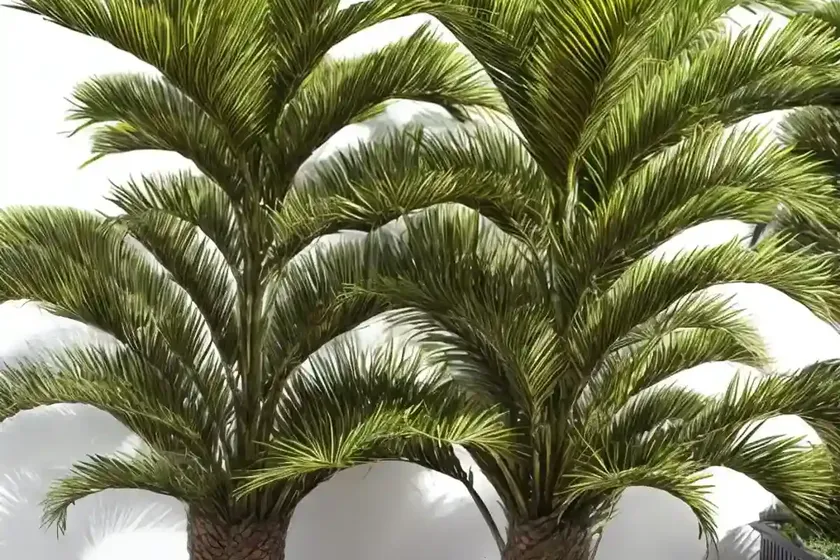
Sago Palm, scientifically known as Cycas revoluta, is often referred to as a “living fossil” due to its prehistoric origins. It is not a true palm but is a cycad, which is one of the oldest groups of plants on earth. The Sago Palm is a dramatic and slow-growing plant that brings a touch of the tropics to any setting. Native to the Far East, particularly Japan, this plant is not only a beautiful ornamental plant, but it also has historical and cultural significance. Let’s delve into the diverse aspects of this exceptional plant and learn more about its care, growth habits, uses, and interesting facts!
Key Takeaways – Sago Palm (Cycas revoluta)
Before we delve into the specifics of Sago Palm care and cultivation, here are some key takeaways about this fascinating plant:
- Scientific Name: Cycas revoluta
- Family: Cycadaceae
- Common Names: Sago Palm, King Sago Palm, Japanese Sago Palm
- Type: Evergreen, perennial, ornamental plant
- Native Habitat: Japan, Southeastern China
- Hardiness Zones: 8-11
- Mature Height: Up to 10 feet
- Growth Rate: Slow
- Toxicity: All parts of the Sago Palm are toxic to pets and humans if ingested.
Culture
Uses
Sago Palm has been used in various ways throughout history and across different cultures. Some of its uses include:
-
Ornamental Purposes: Sago Palm is a popular choice for landscape design, both indoors and outdoors, due to its attractive appearance and low maintenance.
-
Traditional and Medicinal Uses: Historically, the seeds, or “sago,” produced by this plant have been used in traditional Asian cuisine and for medicinal purposes.
-
Symbolism: In Japanese culture, the Sago Palm symbolizes strength, longevity, and the triumph of life over death. It is often associated with celebrations and rituals.
Water
Understanding the watering needs of Sago Palm is crucial for its health and growth.
Sago Palms are drought-tolerant plants but they do require regular watering, especially during their active growing season. Here are some key points to keep in mind:
-
Watering Frequency: Water your Sago Palm regularly during the growing season (spring and summer) to keep the soil evenly moist, but not waterlogged. Allow the soil to dry out slightly between waterings.
-
Winter Watering: Reduce watering in winter, as the plant experiences slower growth and can tolerate drier conditions.
-
Water Quality: Use lukewarm, distilled water for best results, as Sago Palms are sensitive to chemicals and salts in tap water.
Sunlight
Sago Palms have specific sunlight requirements needed for optimal growth.
-
Light Needs: Sago Palms thrive in bright, indirect light or partial shade. They can tolerate some direct sunlight, especially during the morning hours, but intense, direct sunlight can scorch their leaves.
-
Indoor Care: When grown indoors, place the Sago Palm near a bright window where it can receive ample light without being exposed to harsh, direct sun rays.
-
Outdoor Placement: When grown outdoors, consider planting Sago Palms in a location that provides some protection from the intense midday sun, such as under the canopy of taller trees or in a partially shaded area.
Fertilizer
Proper fertilization is essential for the healthy growth of Sago Palms.
-
Fertilizer Type: Use a balanced, slow-release fertilizer specifically formulated for palm trees or cycads. These fertilizers contain the necessary nutrients, including nitrogen, phosphorus, and potassium, that support the overall health and vigor of Sago Palms.
-
Application Schedule: Apply fertilizer during the growing season (spring and summer) according to the product instructions. Avoid over-fertilizing, as excessive nutrients can cause damage to the plant.
-
Indoor Care: If the Sago Palm is grown indoors, consider using a liquid fertilizer or a lower concentration of granular fertilizer to prevent nutrient buildup in the soil.
Soil
Sago Palms have specific soil requirements to thrive.
-
Well-Draining Soil: Sago Palms prefer well-draining soil that is rich in organic matter. Use a mixture of peat moss, coarse sand, and well-aged compost for optimal drainage and nutrient retention.
-
Acidity Levels: The soil should be slightly acidic to neutral (pH 5.5-7.0). Monitor and adjust the soil pH as needed using amendments or additives, such as sulfur or lime.
-
Outdoor Planting: When planting Sago Palms in the ground, ensure that the soil is loose and well-draining. Incorporate organic matter into the planting hole to provide a favorable growing environment.
-
Container Growing: When growing Sago Palm in containers, use a well-draining potting mix specifically formulated for palms or cacti. Ensure that the container has drainage holes to prevent waterlogging.
Pruning
Pruning is essential to maintain the appearance and health of Sago Palms.
-
Dead Frond Removal: Regularly remove any dead or yellowing fronds to maintain the overall aesthetic appeal of the plant and prevent potential disease or pest issues.
-
Caution: Use caution when pruning Sago Palms, as they contain sharp and potentially toxic needle-like spines along the frond stems. Wear protective gloves and use sharp, clean pruning tools to make precise cuts.
-
Cycad Scale Removal: If your Sago Palm is affected by cycad scale insects, consider pruning and removing heavily infested areas to help control the pest population and prevent further spread.
Propagation
Sago Palms can be propagated through various methods.
-
Seed Propagation: Sago Palms can be grown from seeds, but this method requires patience as the seeds have a long germination period and the resulting plants grow slowly.
-
Offshoot Removal: Another common method of propagation involves removing and replanting the offshoots, or “pups,” that develop at the base of mature Sago Palms. These offshoots can be carefully separated and planted in suitable growing conditions to establish new plants.
-
Root Division: Mature Sago Palms can also be propagated through root division, where the roots are carefully divided, and the resulting sections are planted to produce new plants.
Container Popularity
Sago Palms are a popular choice for container growing, both indoors and outdoors.
-
Indoor Containers: When grown indoors, Sago Palms are often cultivated in decorative containers and used as ornamental features in homes, offices, and other indoor spaces.
-
Outdoor Containers: In outdoor landscapes, Sago Palms are frequently planted in containers to provide a tropical and architectural element to patios, decks, and garden settings.
Common Diseases and Pests
Disease Diagnosis
Sago Palms can be susceptible to certain diseases that can impact their overall health. Some of the common diseases include:
-
Cycad Aulacaspis Scale: This pest can lead to yellowing of fronds and the development of sooty mold, hindering the plant’s ability to photosynthesize effectively.
-
Cycad Stem Rot: Caused by a fungus, this disease can result in the wilting and browning of the plant’s leaves and the development of a foul odor at the base of the plant.
-
Cycad Leaf Spot: Characterized by the appearance of brown or black spots on the foliage, this fungal disease can affect the plant’s overall appearance and vitality.
-
Cycad Anthracnose: This disease can cause browning and necrosis of the fronds and may spread rapidly under suitable environmental conditions.
Common Pests
In addition to diseases, Sago Palms can also be affected by certain pests which include:
-
Cycad Scale Insects: These small, stationary insects can infest the Sago Palm and cause damage by feeding on the plant’s sap, leading to decreased vigor and potential dieback.
-
Mites: Sometimes, red or brown mites may infest Sago Palms, causing damage to the foliage and affecting the plant’s overall health.
-
Caterpillars: Certain species of caterpillars can feed on Sago Palm foliage, leading to visible damage and defoliation.
Botanist’s Tips
As a plant scientist, here are some essential tips for successful Sago Palm care and cultivation:
-
Monitor Watering: Pay close attention to the plant’s watering needs and adjust the watering frequency based on the environmental conditions and growth stage of the plant.
-
Protect from Cold: Sago Palms are sensitive to cold temperatures and frost. In colder climates, consider providing protection, such as wrapping the plant with burlap, during the winter months.
-
Regular Inspections: Routinely inspect the plant for signs of pests, diseases, and nutrient deficiencies. Early detection can significantly improve the chances of successful treatment and recovery.
-
Wear Protective Gear: When handling and pruning Sago Palms, wear protective gloves and take necessary precautions to avoid contact with the plant’s toxic compounds.
Fun Facts
-
Sago Palms belong to a group of plants that has been around for over 200 million years, predating many dinosaurs.
-
Despite their name, Sago Palms are not true palms but are members of the cycad family, a distinct group of plants that share common ancestry with conifers and ginkgo trees.
-
Sago Palm seeds, known as “sago,” were traditionally used as a food source by indigenous peoples and are still utilized in certain regions for culinary purposes.
-
The distinct crown of the Sago Palm, composed of long, feathery fronds, gives it a regal and tropical appearance, making it a sought-after ornamental plant.
Links to External Resources
For further information on Sago Palm care, cultivation, and related topics, explore the following resources:
- University of Florida IFAS Extension – Sago Palm Care
- Missouri Botanical Garden – Cycas revoluta
- The American Phytopathological Society – Cycad Diseases
- Royal Botanic Gardens, Kew – Cycad Conservation
- University of California Integrated Pest Management – Scale Insects
In conclusion, the Sago Palm is a remarkable plant with a rich history, diverse uses, and intriguing biological characteristics. By understanding its specific care requirements, including proper watering, sunlight, soil, and maintenance practices, enthusiasts can successfully grow and appreciate the timeless elegance of this ancient plant. Whether as a striking addition to indoor décor or as a statement plant in outdoor landscapes, the Sago Palm offers a touch of history and tropical allure to any setting.
Remember to always handle Sago Palms with care, especially around pets and children, as all parts of the plant are toxic if ingested. By following best practices for cultivation and maintenance, you can enjoy the beauty and resilience of the Sago Palm while ensuring its long-term health and vitality.